Cedar Shake Roof Cost vs Long-Term Value
Key Takeaways
- Cedar shake roofing carries a higher upfront cost than most materials, driven by natural wood pricing, specialized installation, and regional labor rates.
- Ongoing maintenance — cleaning, treatments every five years, and individual shake repairs — adds significantly to the total cost of ownership over time.
- Lifespan varies widely based on climate, installation quality, and how consistently the roof is maintained, typically ranging from 20 to 30 years.
- Engineered alternatives like Enviroshake replicate the look of cedar while eliminating most of the maintenance burden and offering stronger performance credentials.
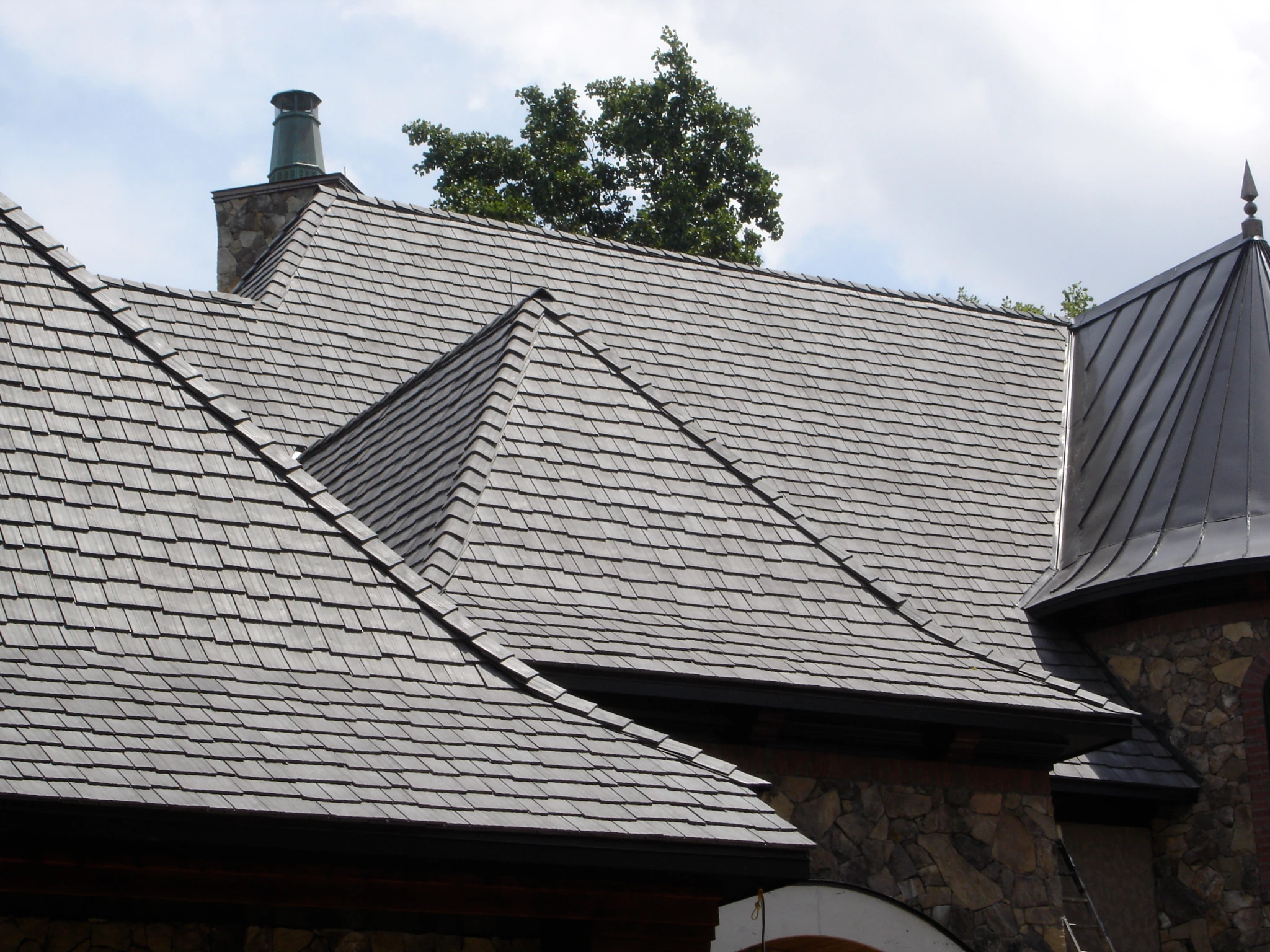
Cedar shake roofing has earned its reputation. The natural texture, the way it weathers over time, the architectural character it brings to a home — there's a reason it's been a premium choice for generations. But premium materials come with premium considerations, and for homeowners weighing a cedar shake roof, the upfront price tag is only part of the story. Maintenance, lifespan, and environmental exposure all shape what a cedar shake roof actually costs over time.
Average Cost of Cedar Shake Roofing
Cedar shakes are split or sawn from natural cedar logs, and quality varies considerably. Higher-grade shakes have fewer knots and tighter grain, which improves both appearance and durability — and increases price accordingly. Thickness, fire-resistance treatments, and moisture protection coatings all factor into material costs, as does sourcing: premium cedar typically comes from the Pacific Northwest or British Columbia, and transportation adds to the final number.
Material Costs
Cedar shake is consistently more expensive than standard asphalt shingles: it's a natural wood product that requires specialized installation and commands higher material costs. Total pricing varies based on roof size and complexity, the grade of cedar used, and regional labor rates, but homeowners can generally expect a significant investment compared to conventional roofing options.
Installation Costs
Cedar shake installation isn't a job for a generalist. It requires experienced roofers who understand proper underlayment, shake spacing, and ventilation — all of which directly affect how long the roof performs. Complex rooflines with steep pitches, dormers, valleys, or chimneys add time and labor. Improper installation is one of the fastest ways to shorten the lifespan of a cedar roof.
Regional Variations
Labor rates differ meaningfully across regions, and so do installation requirements. Colder climates may call for additional ice and water protection; high-rainfall areas need robust moisture management beneath the shakes. Local fire codes — particularly in areas near wildland zones — may also restrict material choices or require specific fire-resistance ratings, affecting both material selection and total cost.
Long-Term Maintenance Costs
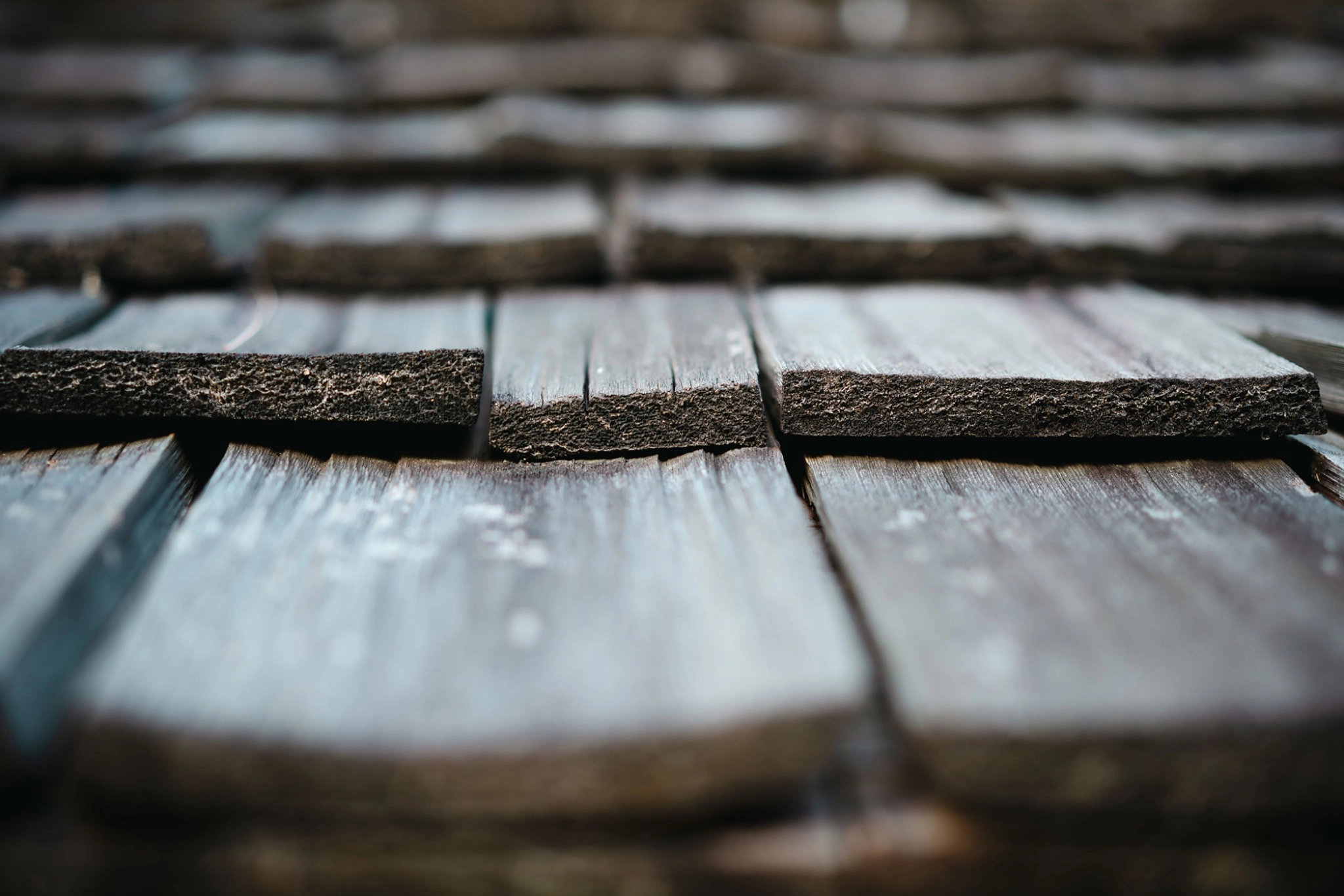
This is where cedar shake's cost story gets more complex. As a natural wood product, cedar is susceptible to moisture, UV exposure, and biological growth. Regular maintenance is part of the package when you choose natural cedar, standing between a well-performing roof and an early replacement.
Cleaning and Moss Removal
Organic debris accumulates on cedar roofs over time. Leaves, branches, and dirt retain moisture against the wood surface, encouraging moss, algae, and lichen to take hold. Left unchecked, that growth accelerates deterioration. Regular cleaning — using low-pressure methods and treatments that won't damage the shakes — is a recurring part of cedar ownership.
Installation Costs
Individual shakes crack, split, and warp as they age. Prompt replacement of damaged pieces matters: even a small area of compromised shakes can allow water into the roof structure below. Catching issues early keeps repair costs manageable; deferred maintenance compounds quickly.
Protective Treatments
Most cedar roofs need periodic applications of preservatives and sealants to hold up against moisture, UV, and insects. These treatments do extend the roof's life, but reapplication is required roughly every five years — and that recurring cost adds up.
Lifespan and Return on Investment
A well-maintained cedar shake roof can last 20 to 30 years, with some performing longer in favorable climates. In harsher environments that are prone to high humidity, heavy rainfall, intense UV, or extreme temperature swings, that range narrows. Installation quality and maintenance consistency are the two biggest variables.
Evaluating the true financial value of a cedar roof means accounting for more than the initial installation; annual cleaning, periodic treatments, intermittent repairs, and eventual replacement all factor into lifecycle cost. In demanding climates where maintenance gets deferred, that math can shift the value proposition considerably.
Enviroshake Roofing as a Long-Term Investment
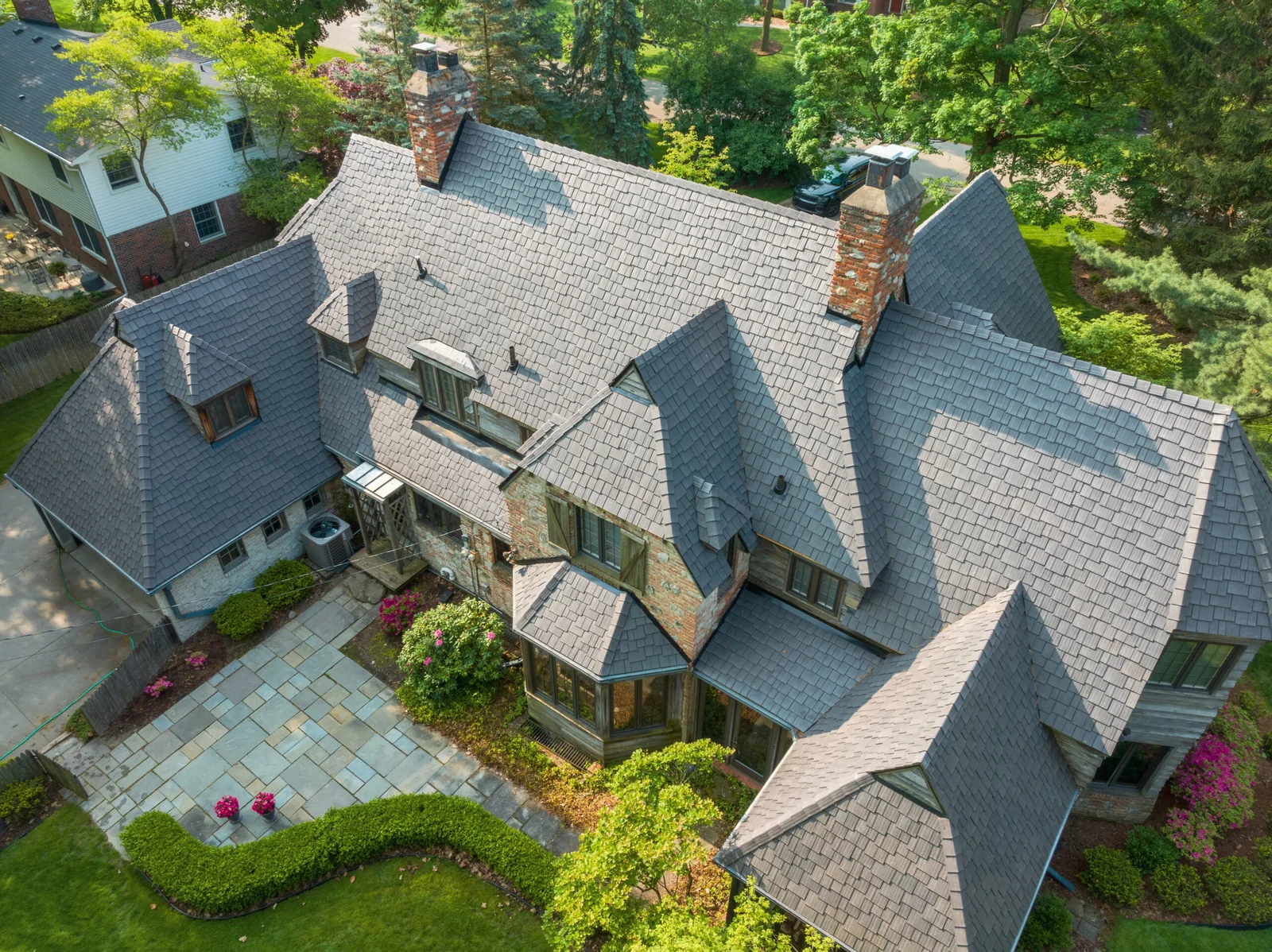
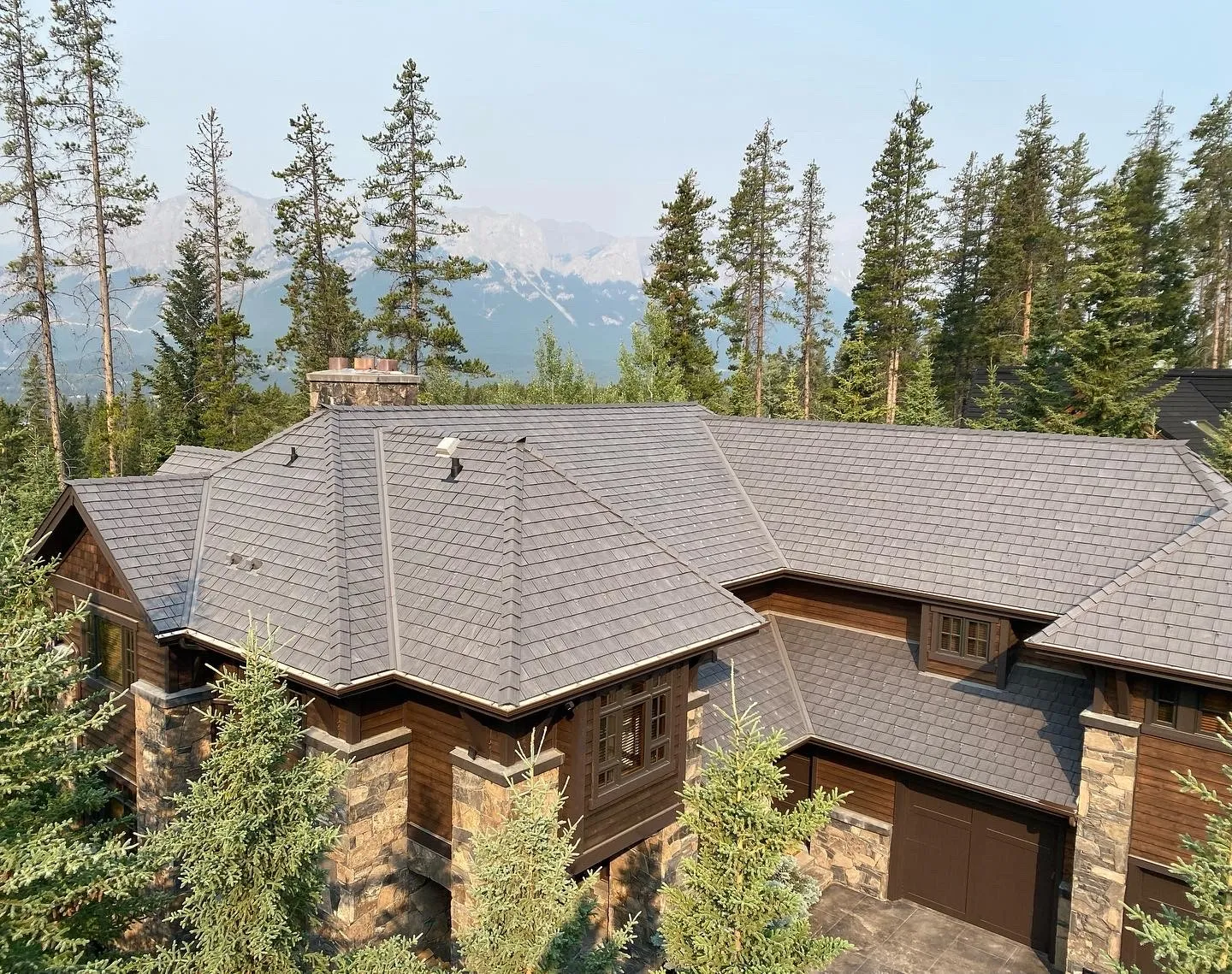
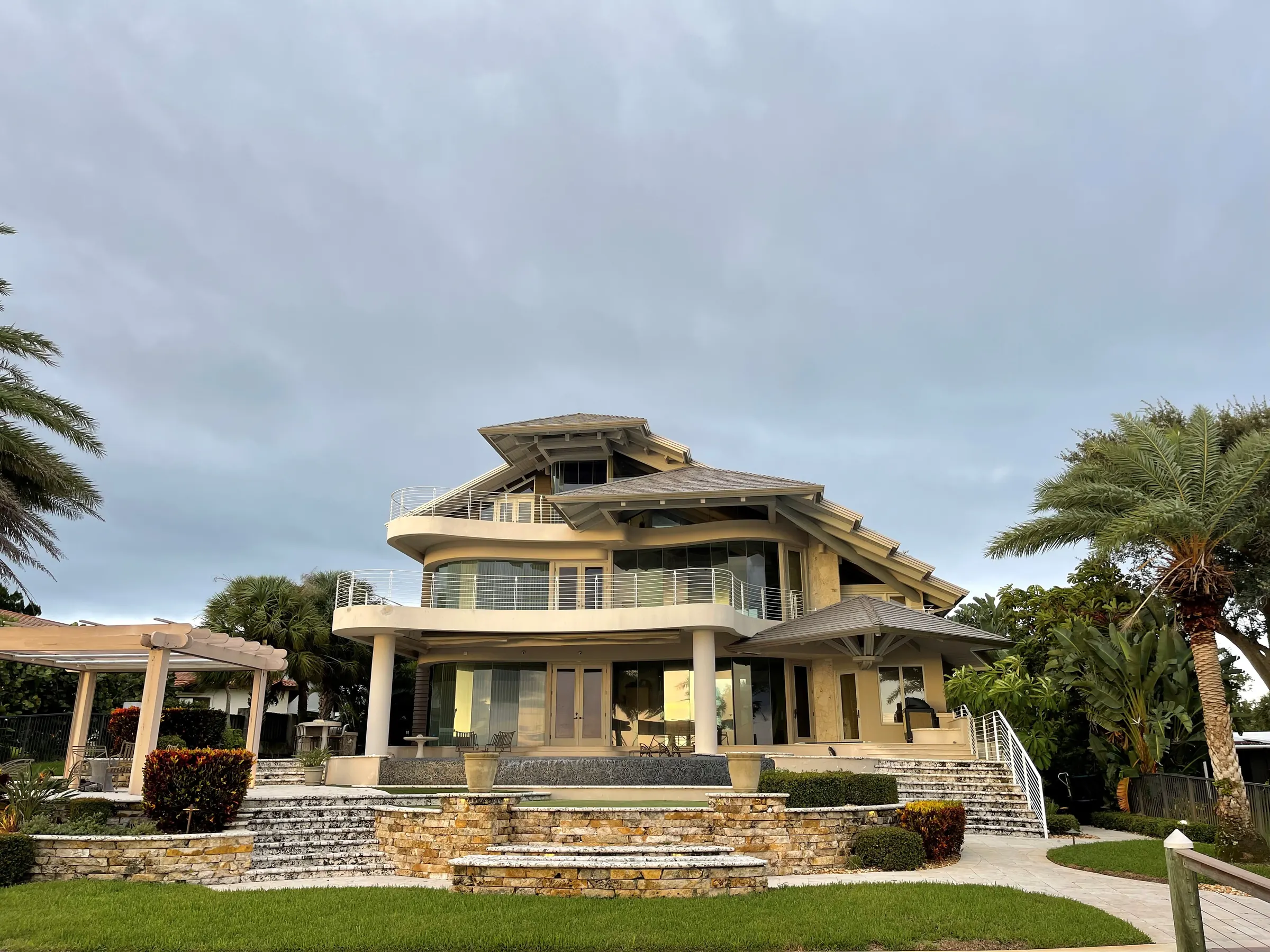
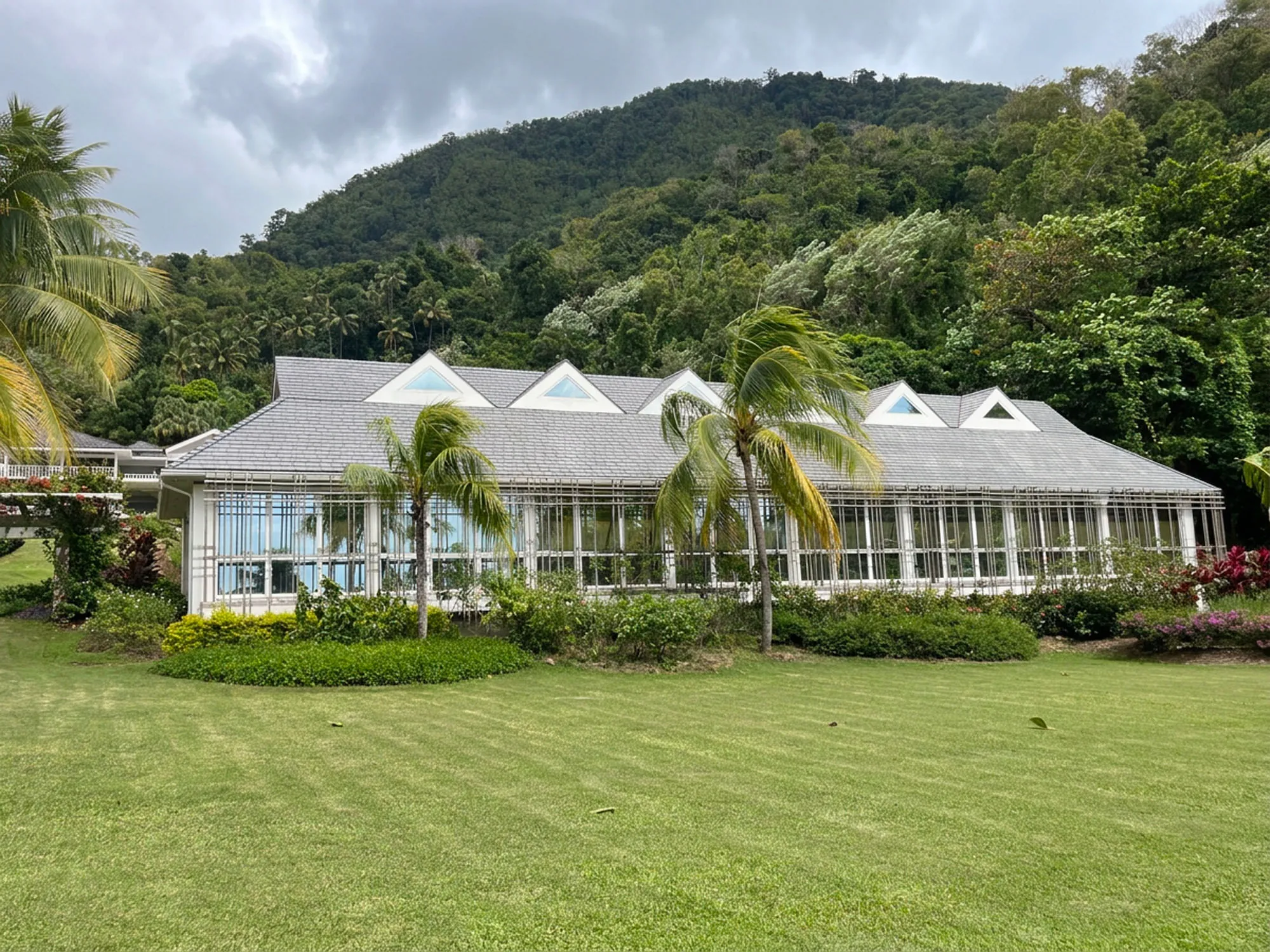
For homeowners who love the look of cedar but want more predictability in performance and cost, engineered synthetic roofing is worth a close look. Enviroshake replicates the texture, natural variation, and visual character of cedar, all while addressing the vulnerabilities that make natural material a maintenance-intensive choice.
Consistent Material Performance
Unlike natural wood, which varies in density, grain, and quality from piece to piece, Enviroshake is manufactured to consistent specifications. Every panel meets the same standards for thickness, strength, and weather resistance, and performance is predictable from the first year to the last.
Reduced Maintenance Requirements
Enviroshake resists moisture absorption, rot, and biological growth: no periodic treatments, no moss management, no cracked shakes to replace. For homeowners who've done the math on cedar maintenance over 25 years, the difference is significant.
Long-Term Durability and Value
Enviroshake is third-party tested to withstand wind speeds up to 180 mph, carries an available Class A fire rating, and is level 4 impact resistant, all of which are credentials that greatly matter for performance and, increasingly, for insurability. Backed by a lifetime warranty, Enviroshake is built to deliver more consistent long-term value than materials subject to the natural variability of wood.
Ready to see why discerning home owners are switching to Enviroshake?
Cedar shake roofing has a lot going for it on paper. In practice, the maintenance schedule, the vulnerability to moisture and rot, and the ongoing cost of keeping it performing well adds up faster than most homeowners expect. Enviroshake delivers the same curb appeal without the upkeep, backed by performance ratings that natural wood simply cannot match.
Speak with an Enviroshake roofing expert to find the right solution for your home.
Interested in learning more about Enviroshake products?
Contact us today to discuss your project and how we can help you achieve your design goals.