What Is a Class 4 Impact Rating? A Homeowner's Guide to Hail-Resistant Roofing
Key Takeaways
- The highest rating available: A Class 4 rating under UL 2218 is the top level of impact resistance for roofing, earned by withstanding a 2-inch steel ball dropped from 20 feet without cracking or breaking.
- Proven beyond the lab: Enviroshake has performed through major hailstorms in Calgary and storm seasons across North America, with homeowners reporting roofs that looked unchanged after neighbouring homes needed repairs.
- Value over the life of the roof: Class 4 roofs can qualify for insurance discounts with many providers and help homeowners avoid the repairs, deductibles and claims that follow severe storms.
Hail arrives with little warning and leaves its mark quickly. Within minutes, a passing storm can crack shingles, split cedar shakes and open small pathways for water that may go unnoticed until a ceiling stain appears months later. For homeowners in hail-prone regions, the question is not whether a roof will be tested, but how well it will hold up when it is.
The most reliable way to answer that question before a storm is the impact rating. Understanding what a Class 4 rating measures, and what it means in practice, helps homeowners choose a roof that protects the home as well as it completes its design.
What Does a Class 4 Impact Rating Mean?
A Class 4 impact rating is the highest classification under UL 2218, the standard developed by Underwriters Laboratories to measure how well roofing materials resist impact from hail and falling debris. UL is an independent, third-party safety certification organization, and its 2218 standard is widely recognized by roofing manufacturers, building professionals and insurers across North America.
The rating scale runs from Class 1 to Class 4. Each step represents a larger, heavier impact that the material must withstand without damage, and only products that pass the most demanding level earn a Class 4 designation.
How Roofing Is Tested Under UL 2218:
The test is simple in concept and rigorous in practice. Installed samples of the roofing material are struck by steel balls dropped from set heights, with each class using a larger ball and a greater drop. Each target area is struck twice in the same spot, simulating the repeated blows of a sustained hailstorm.
- Class 1: a 1¼-inch steel ball dropped from 12 feet
- Class 2: a 1½-inch steel ball dropped from 15 feet
- Class 3: a 1¾-inch steel ball dropped from 17 feet
- Class 4: a 2-inch steel ball dropped from 20 feet
After impact, the material is examined from both sides. To pass, it must show no cracking, splitting or breakage that would compromise its ability to keep water out. A Class 4 result therefore indicates that a roof can absorb the kind of force associated with large hailstones while continuing to protect the home beneath it.
Why Impact Resistance Matters for the Home:
Hail damage is not always dramatic. Alongside obvious punctures and broken pieces, impacts can create hairline fractures, loosen protective granules on asphalt shingles or bruise natural wood, leaving the roof more vulnerable to the next storm and to the gradual effects of water and freeze-thaw cycles. Because this kind of damage is often difficult to see from the ground, it can shorten the life of a roof long before a homeowner realizes a problem exists.
Each roofing material responds differently. Asphalt shingles remain the most popular choice due to their affordability, though standard shingles can lose granules and crack under heavy impact. Natural cedar offers unmatched character, yet the wood can split as it ages and dries. Slate is exceptionally durable over time, though individual tiles can fracture when struck directly. Impact-rated products are designed to close that gap, pairing the appearance homeowners want with a demonstrated ability to withstand severe weather.
Class 4 Protection, Proven in Real Storms:
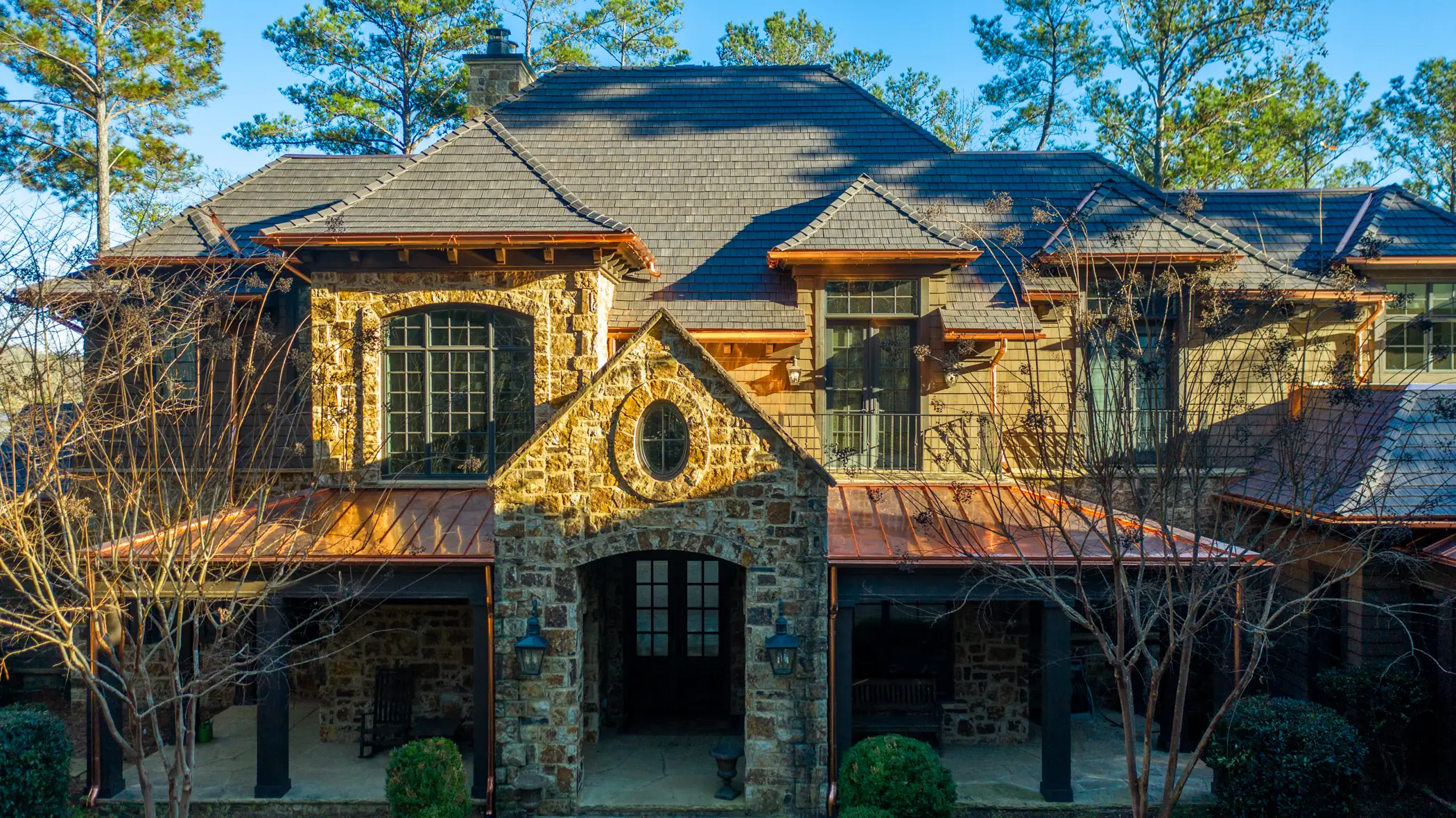
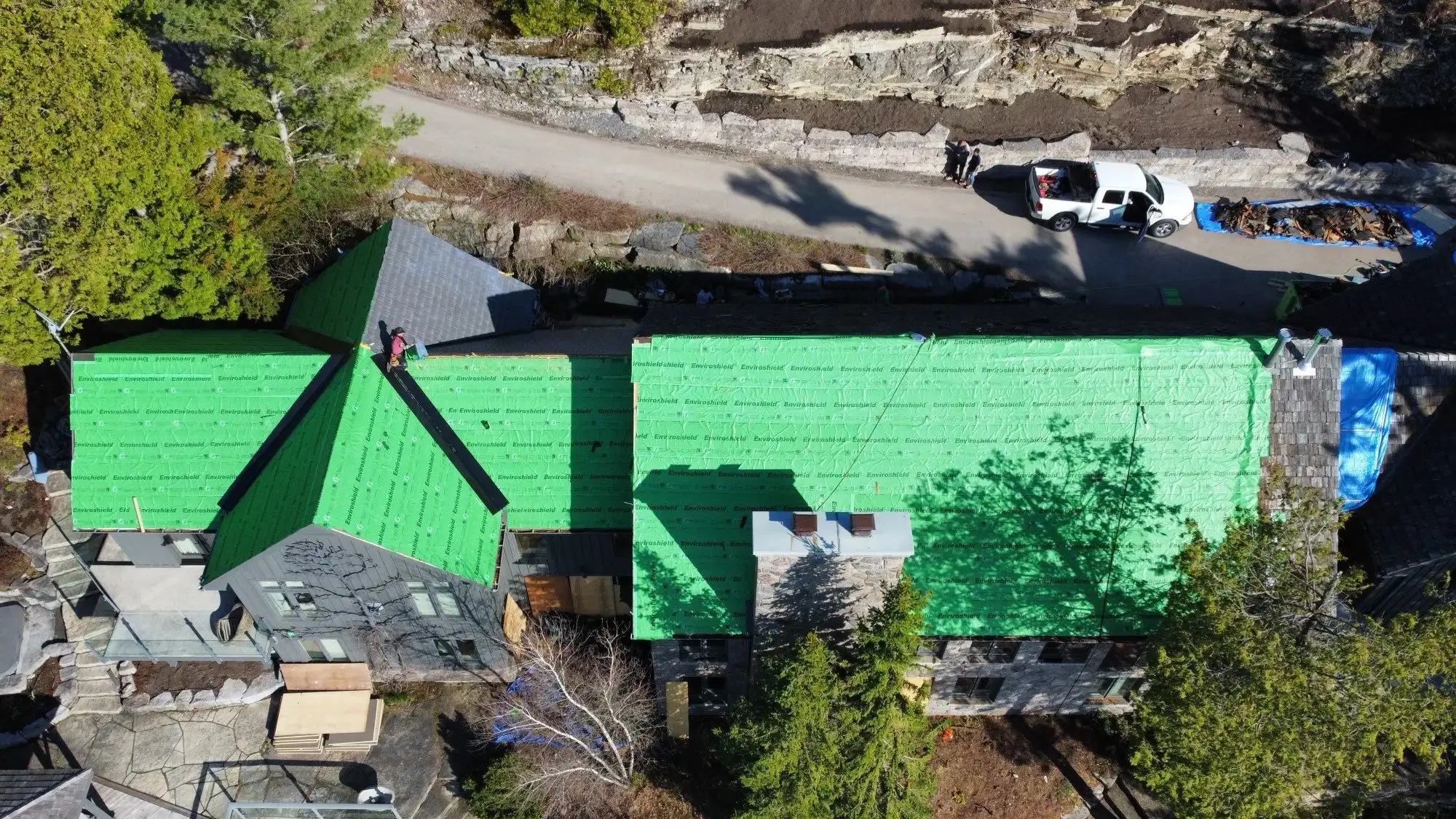
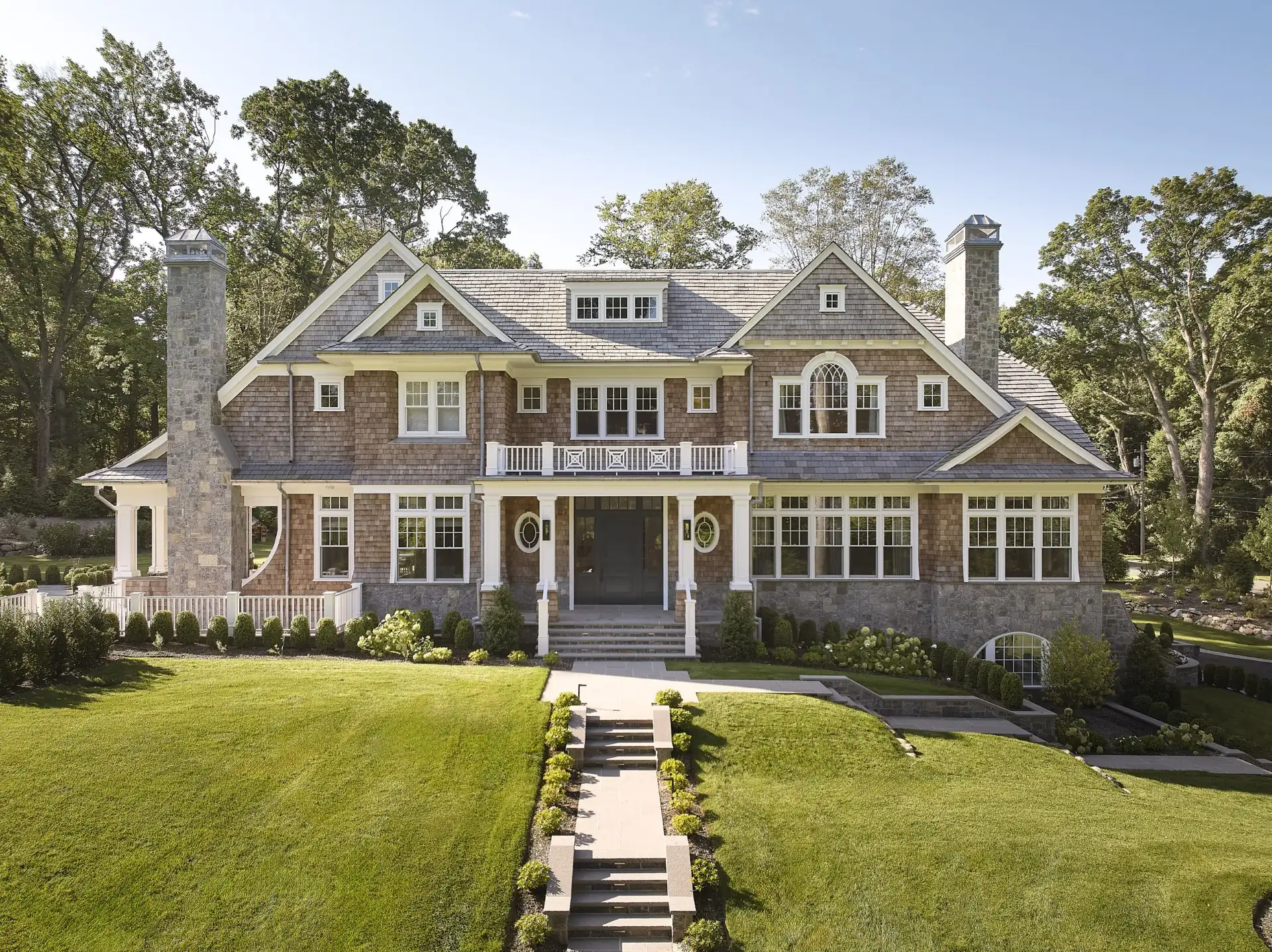
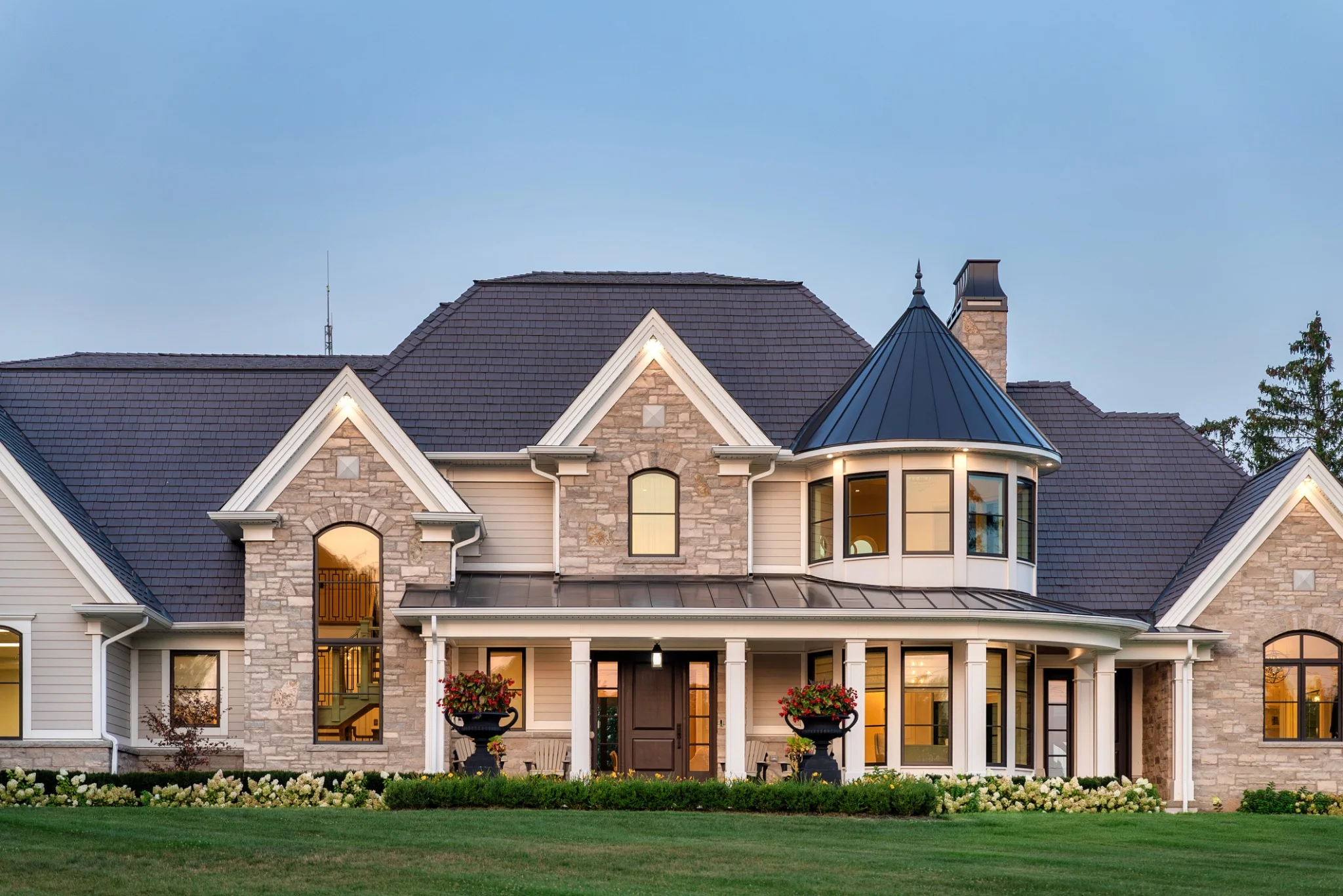
Engineered from a composite of recycled materials and molded from 3D images of real cedar and slate, Enviroshake roofing has earned a Class 4 impact rating under UL 2218. Laboratory results, however, are only part of the story. For more than two decades, Enviroshake roofs have weathered hailstorms, hurricanes and harsh winters across North America and beyond.
Calgary, Alberta, offers one of the clearest examples. In July 2010, a severe hailstorm struck the city with stones nearly 4 centimetres wide, resulting in more than 60,000 insurance claims and roughly $400 million in damage, according to the Insurance Bureau of Canada. Following that storm, Enviroshake received zero warranty claims from the area.
Homeowners have described similar experiences in their own words:
"I am from Calgary and we get really terrible hailstorms. Last year we replaced our roof with Enviroshake and a few weeks later there was a massive hailstorm that caused almost every other house to have hail damage on their roof and required insurance claims. Our Enviroshake withstood that and looks great still."
Judi Lee, Calgary, Alberta
"During Hurricane Ike, our Enviroshake roof withstood a direct hit from a falling tree branch with a 5″ diameter; one cracked tile and that was it."
Sara Tyler, Houston, Texas
Impact resistance also works alongside Enviroshake's broader performance profile. The same products are third-party tested to withstand winds of 180 mph, carry a Class A fire rating achieved without special underlayment, and are approved for the FORTIFIED Roof program, giving homeowners a single roof designed for the full range of severe weather.
Class 4 Roofs and Home Insurance:
Because impact-resistant roofs tend to reduce storm-related claims, many insurance providers offer premium discounts for homes with Class 4-rated roofing, and some regions have programs that encourage or require such discounts. Eligibility and savings vary by insurer and location, and documentation of the rating is often required. Homeowners considering a new roof are encouraged to speak with their provider before installation to understand what may be available.
Beyond premiums, a Class 4 roof can help homeowners avoid the less visible costs of hail damage: deductibles, repair bills, the time spent coordinating inspections and contractors, and the risk of future claims affecting coverage. As insurers take a closer look at roofing materials in storm-prone and wildfire-prone regions, some homeowners are also finding that traditional cedar roofs are becoming harder to insure, making a Class 4, Class A alternative especially worth considering.
Long-Term Protection, Backed by a 50-Year Warranty:
Impact resistance is one part of a roof designed to last. Enviroshake resists moss, mold, mildew, rot and insects, requires virtually no maintenance and features a ribbed back that prevents curling over time. Each roof is backed by a 50-year fully transferable limited lifetime warranty when installed by a Factory Trained Installer and registered. To understand what that coverage includes, see how the Enviroshake warranty works.
Choosing a Roof That Is Built to Endure:
A roof should do more than survive the next storm. It should complete the architecture of the home, retain its character for decades and allow homeowners to face severe weather with confidence. With a Class 4 impact rating and the natural texture of cedar and slate, Enviroshake brings beauty and resilience together in a single, carefully engineered material.
When you are ready to take the next step, connecting with an Enviroshake expert can help ensure your roofing choice aligns with your home, your climate and your long-term plans. You can also review Enviroshake's testing and certifications in detail.
Interested in learning more about Enviroshake products?
Contact us today to discuss your project and how we can help you achieve your design goals.