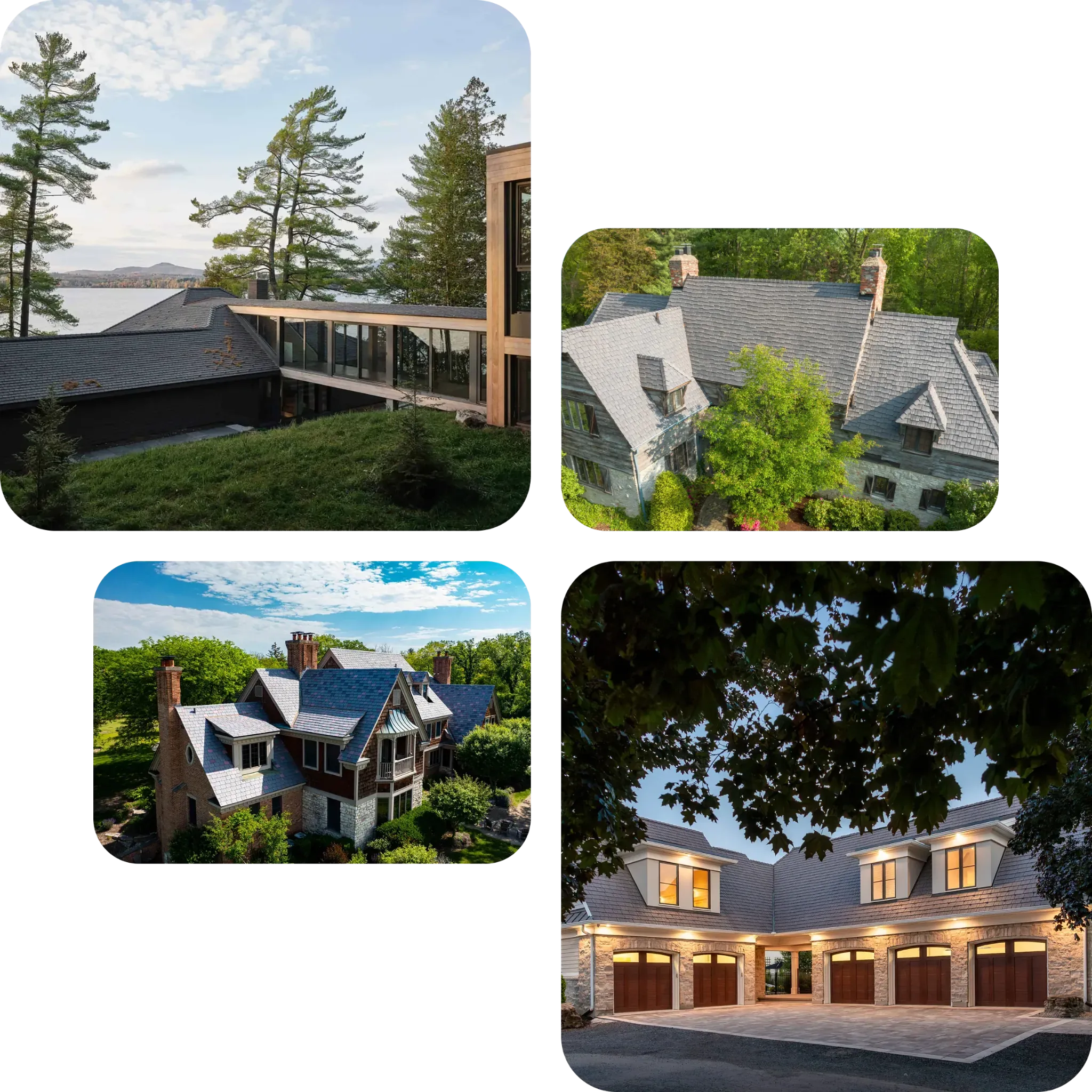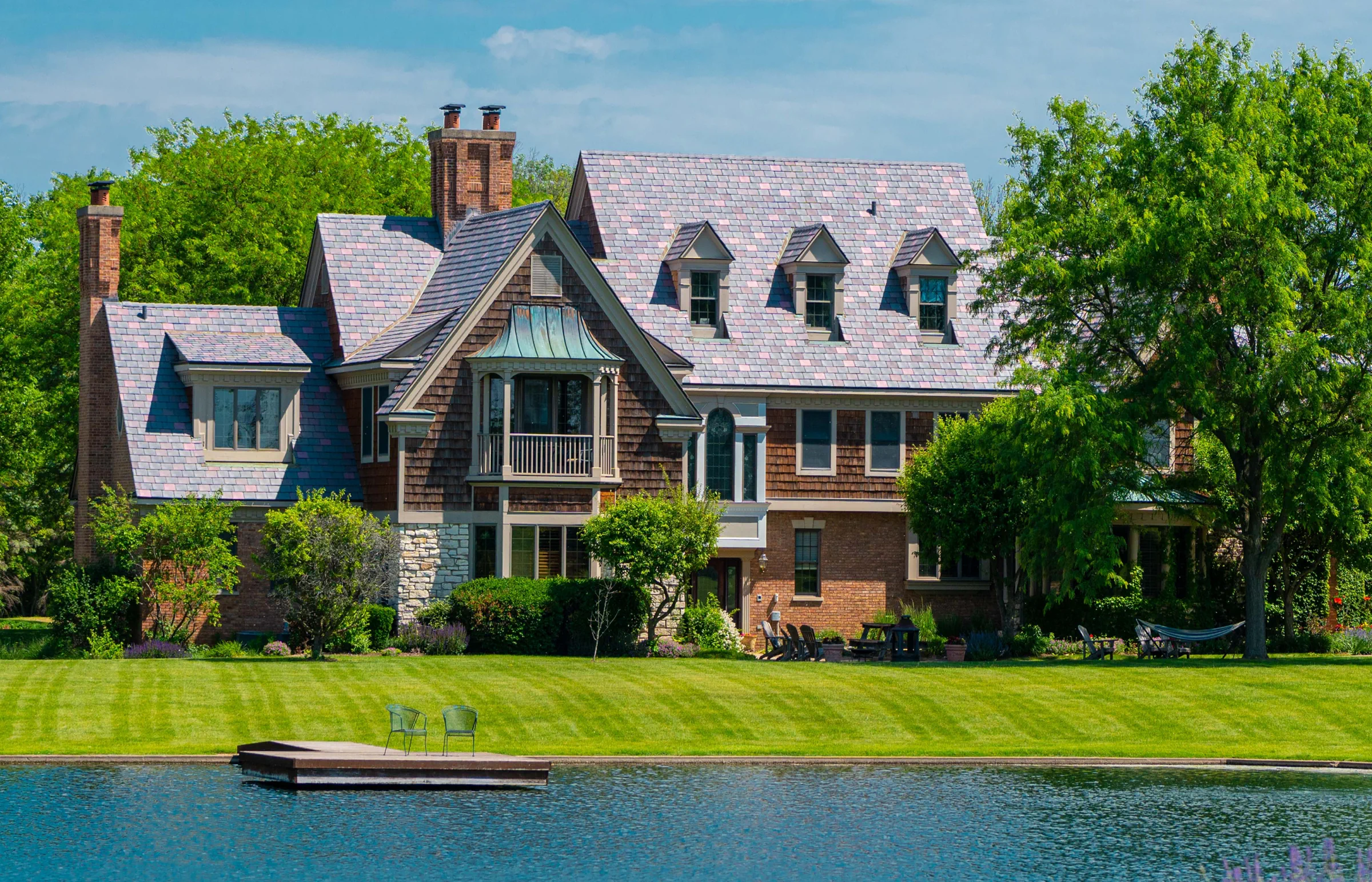
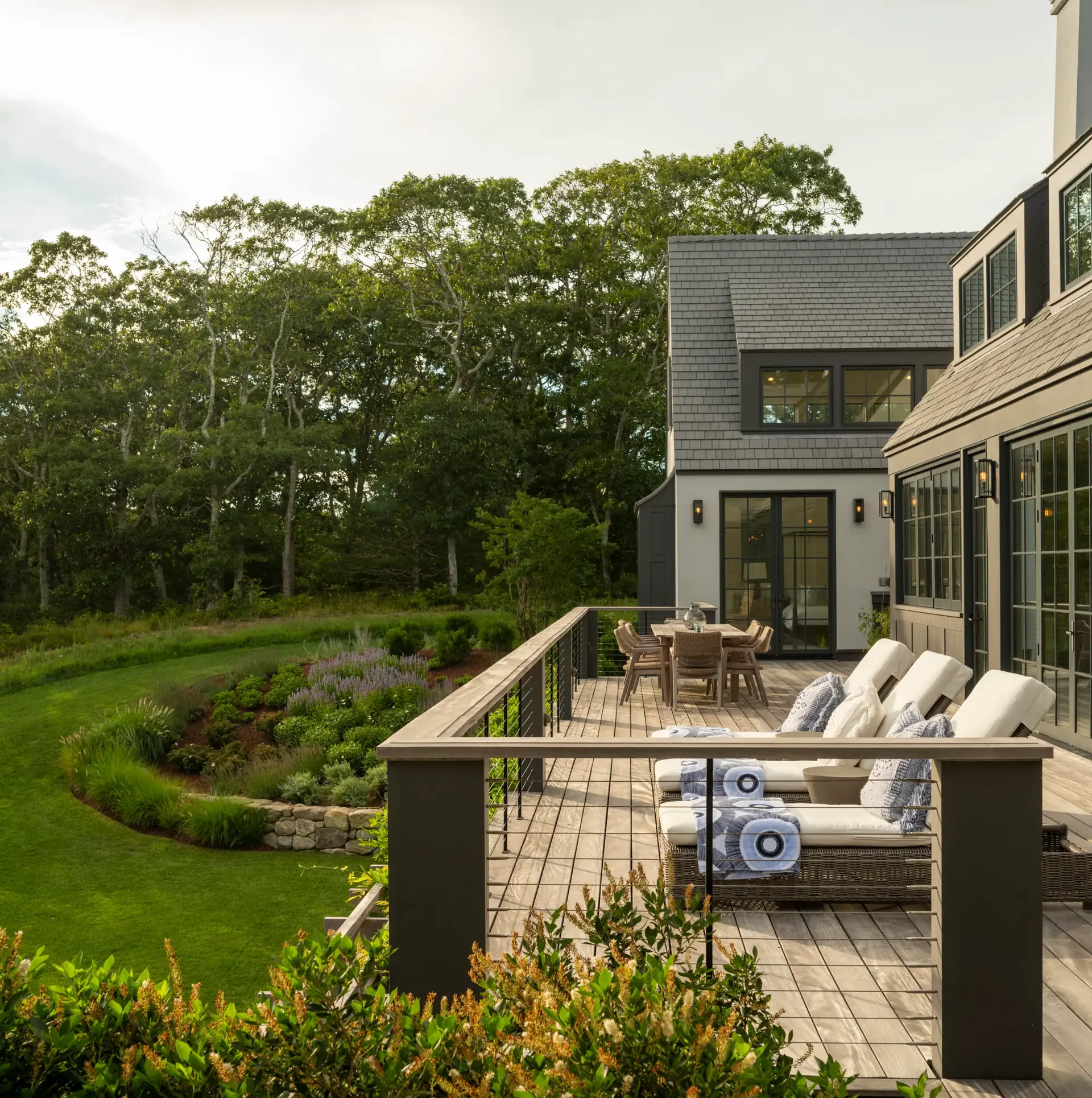
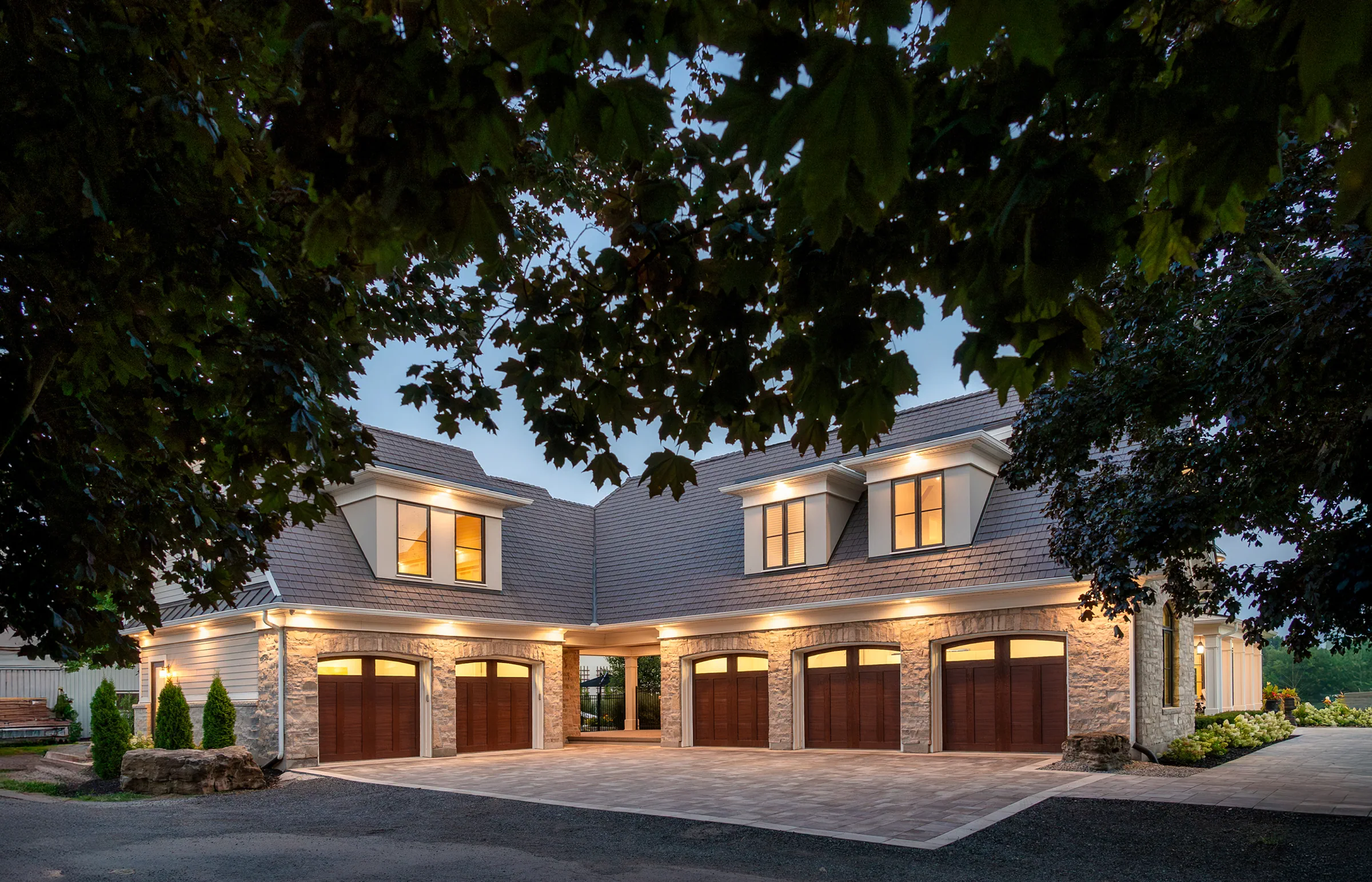
Stone and shingle home with Aged Cedar Enviroshake roof, columned porch, and cobblestone driveway surrounded by trees.
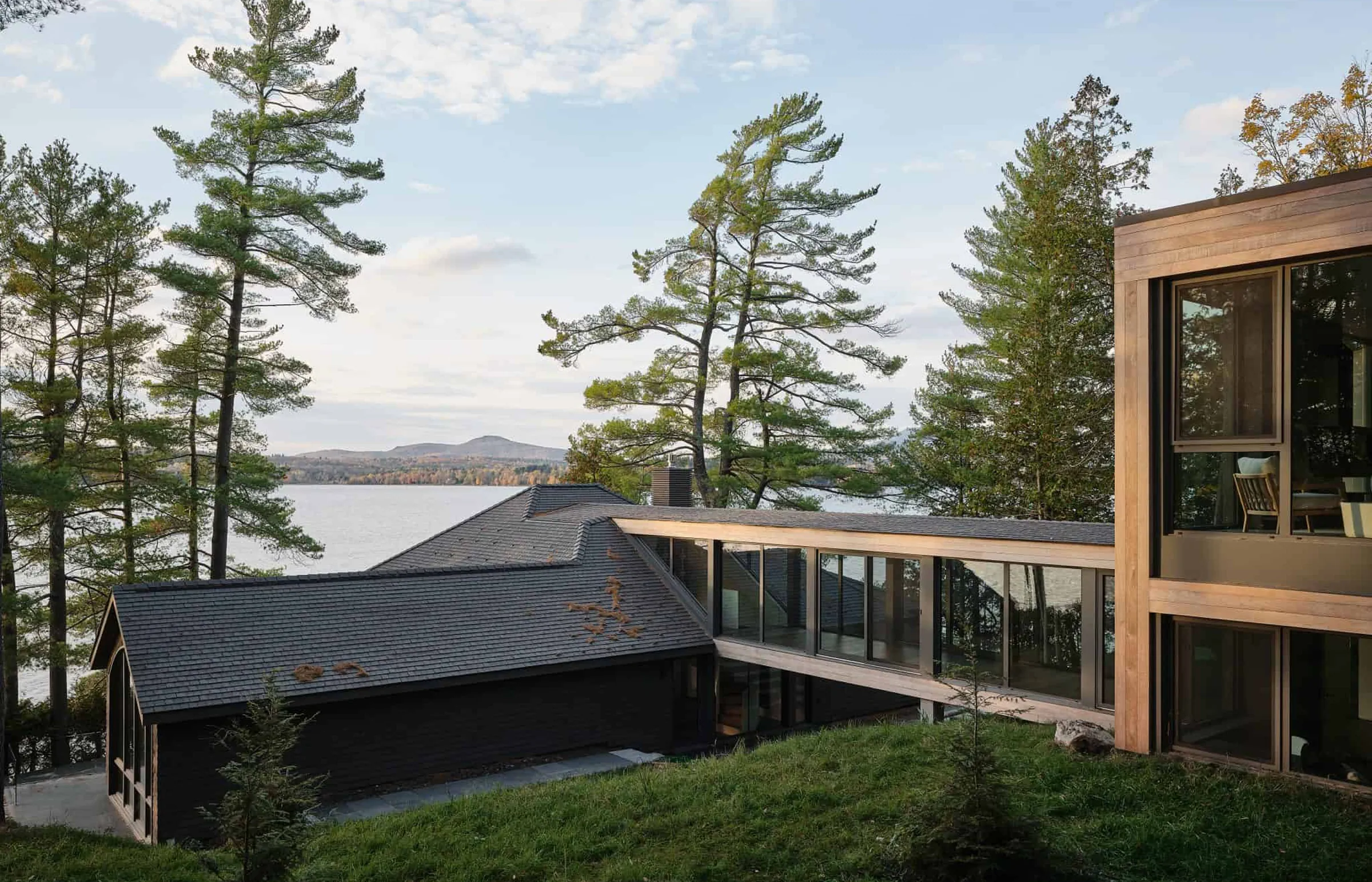
Lakeside home with multitone Enviroslate roof, wood and stone accents, and manicured green lawn.
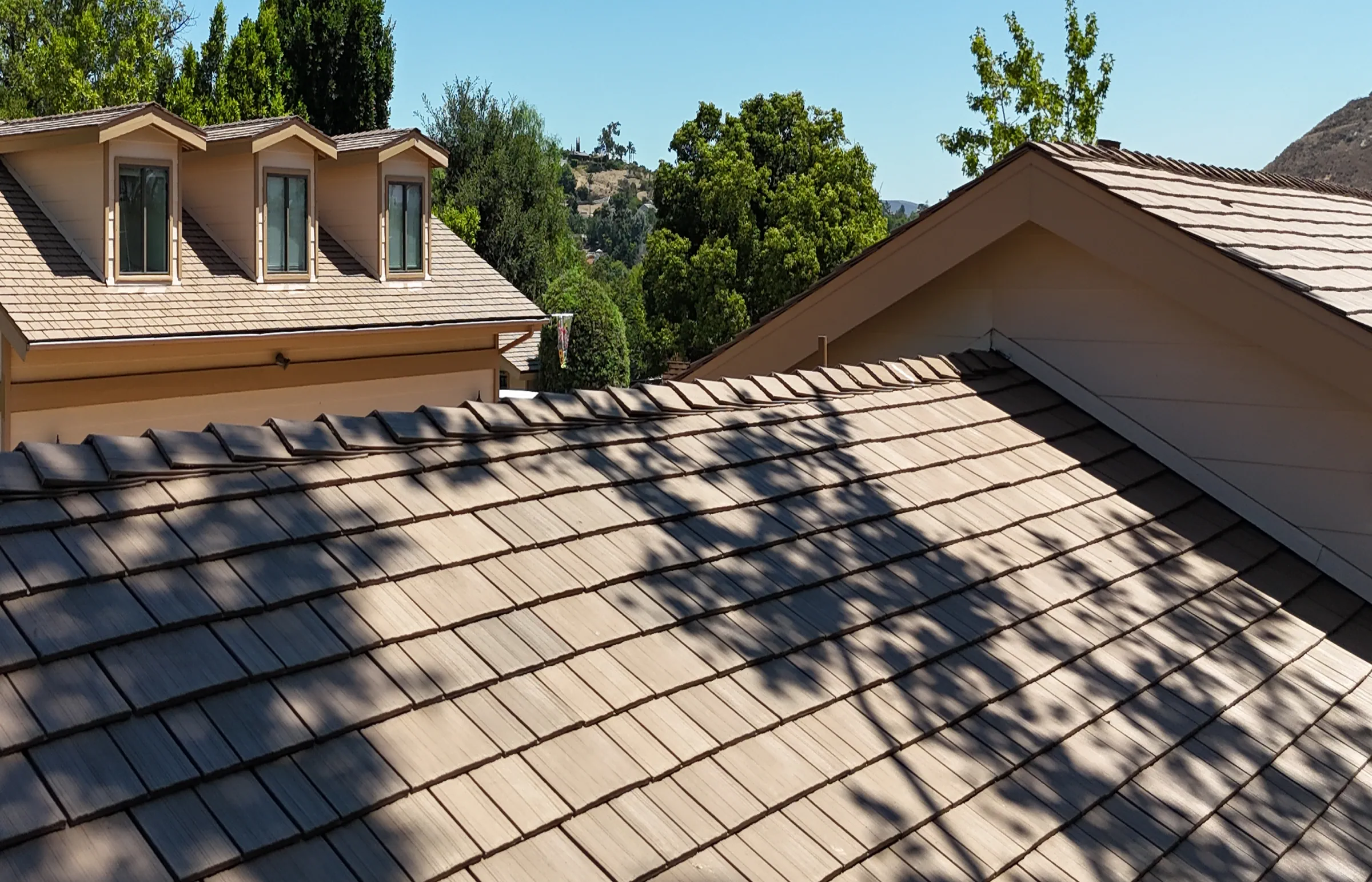
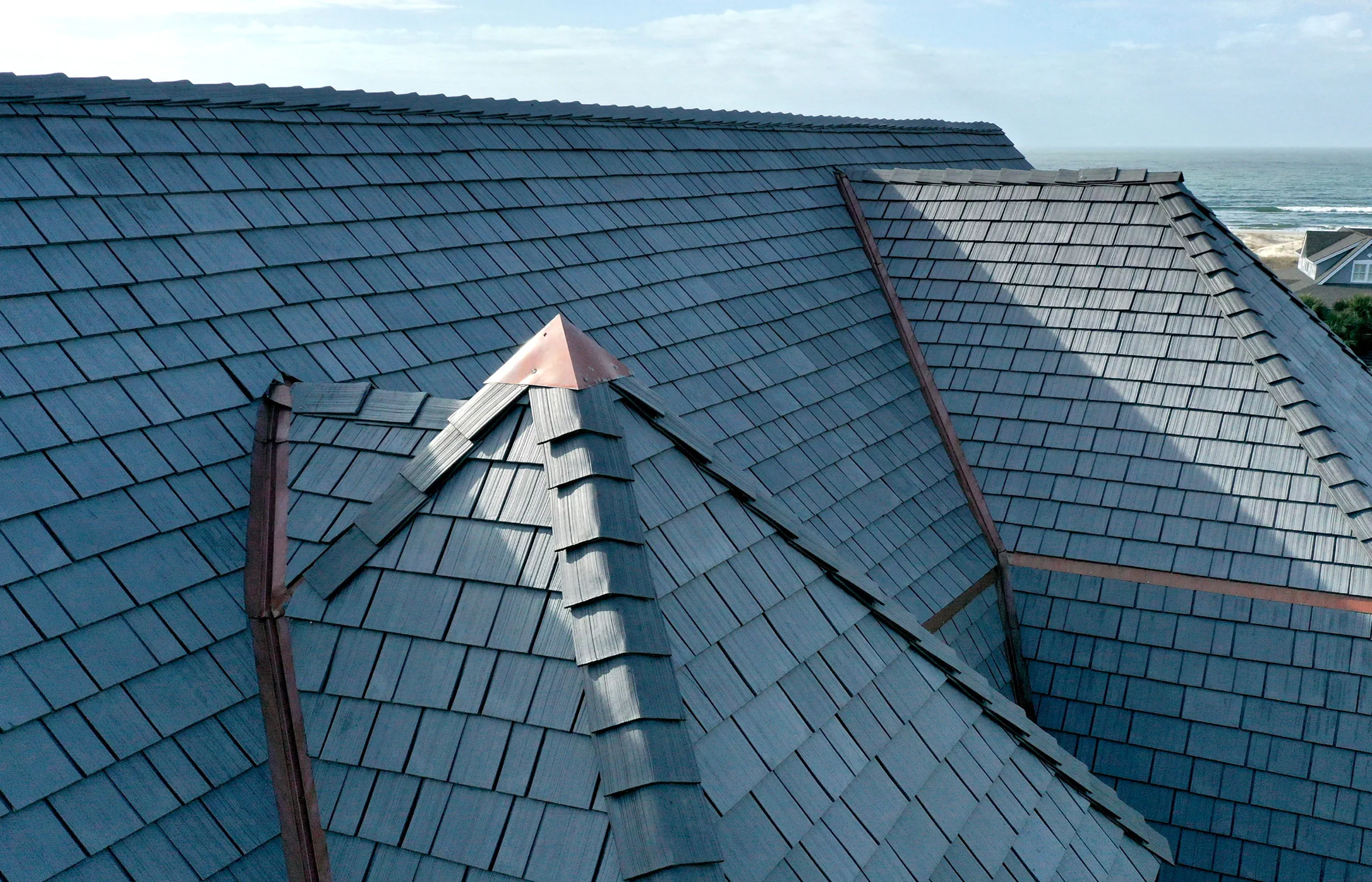
Close-up of multitone Enviroslate roof with dormer windows on a brick home under a clear blue sky.
Transition 1 - Enviroshake
Transition 1B - Enviroshake - Faded
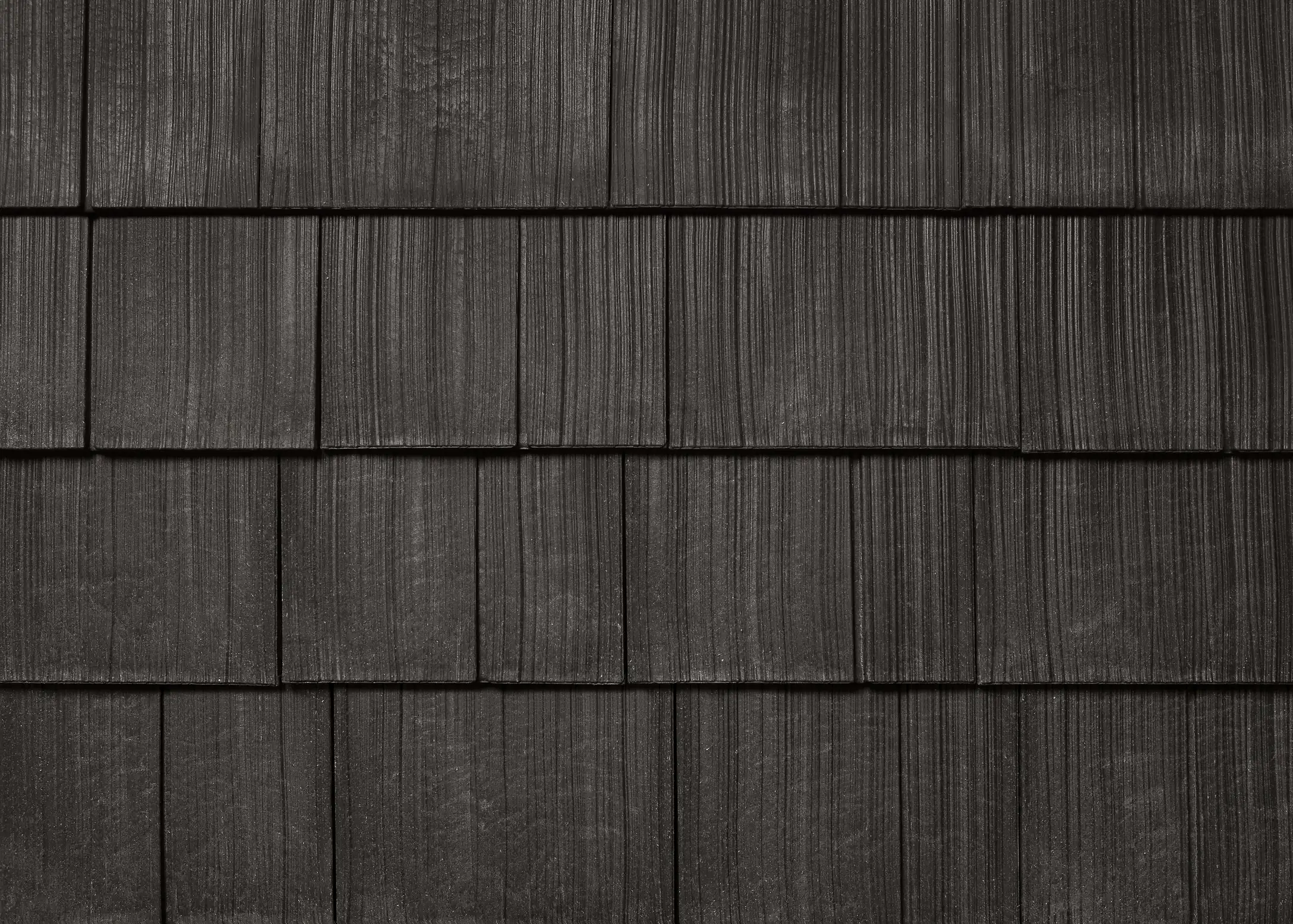
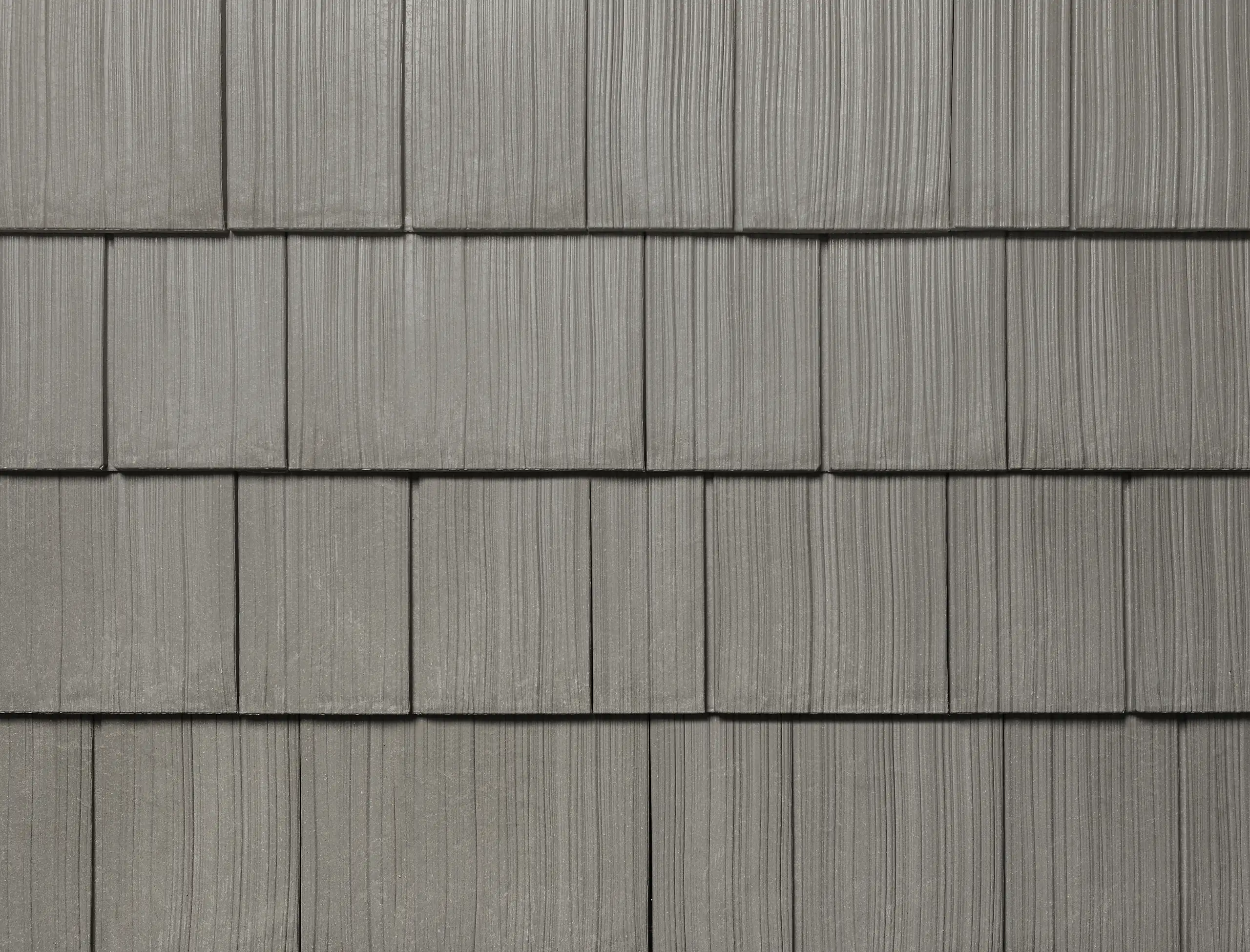
THE AUTHENTIC LOOK OF CEDAR
WITH ENGINEERED PERFORMANCE
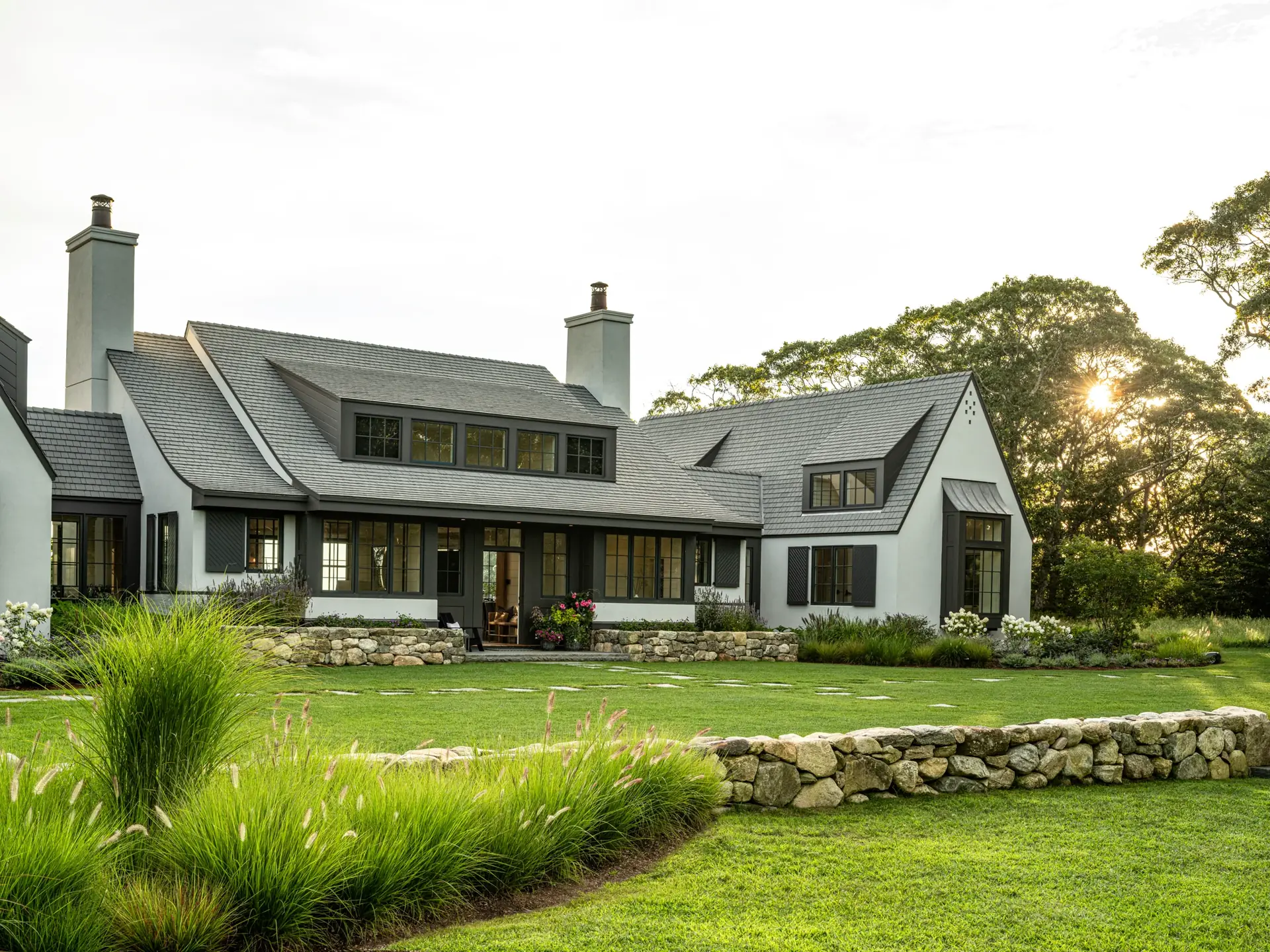
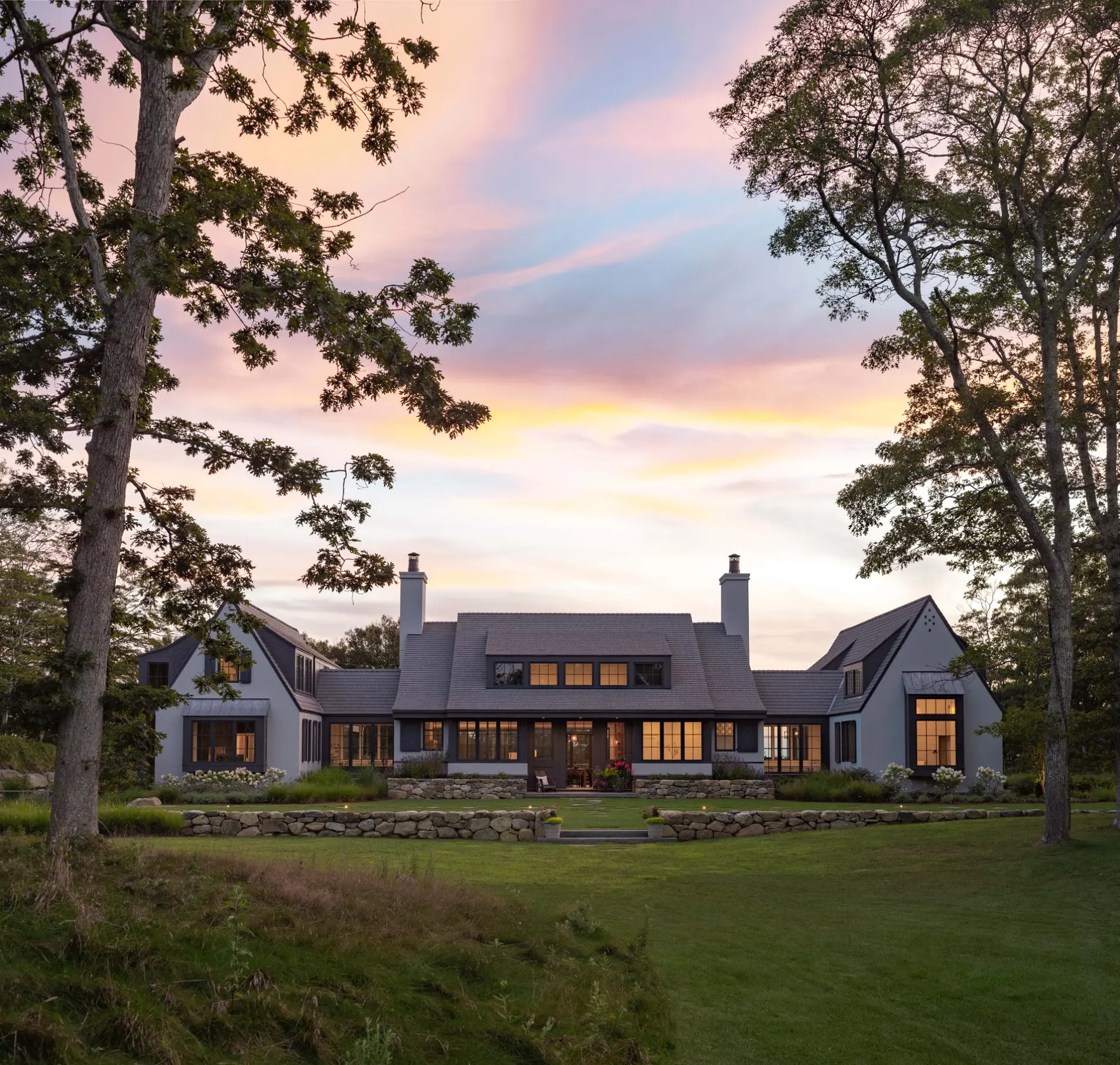
Transition 2 - Enviroslate
Transition 2B - Enviroslate - Faded
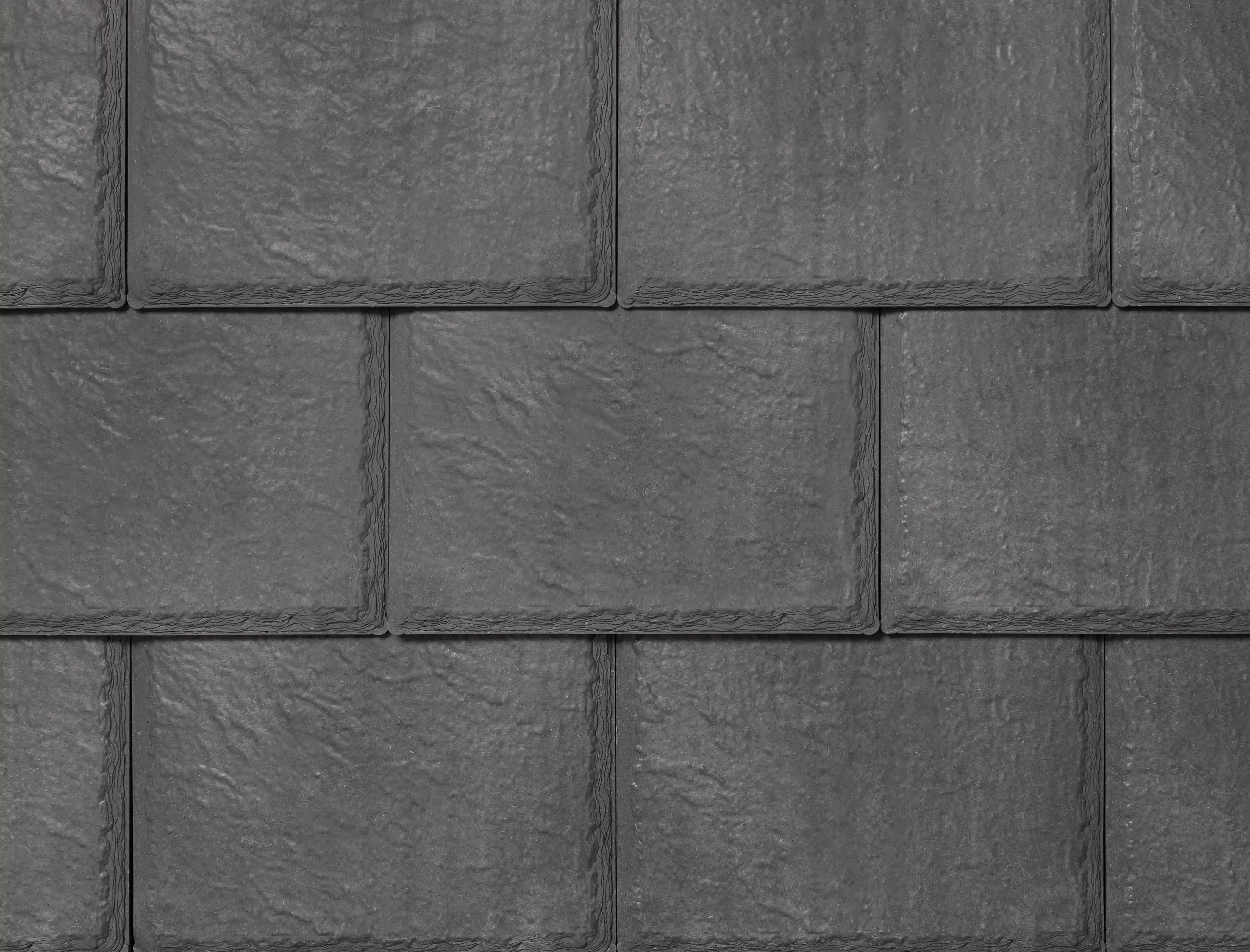
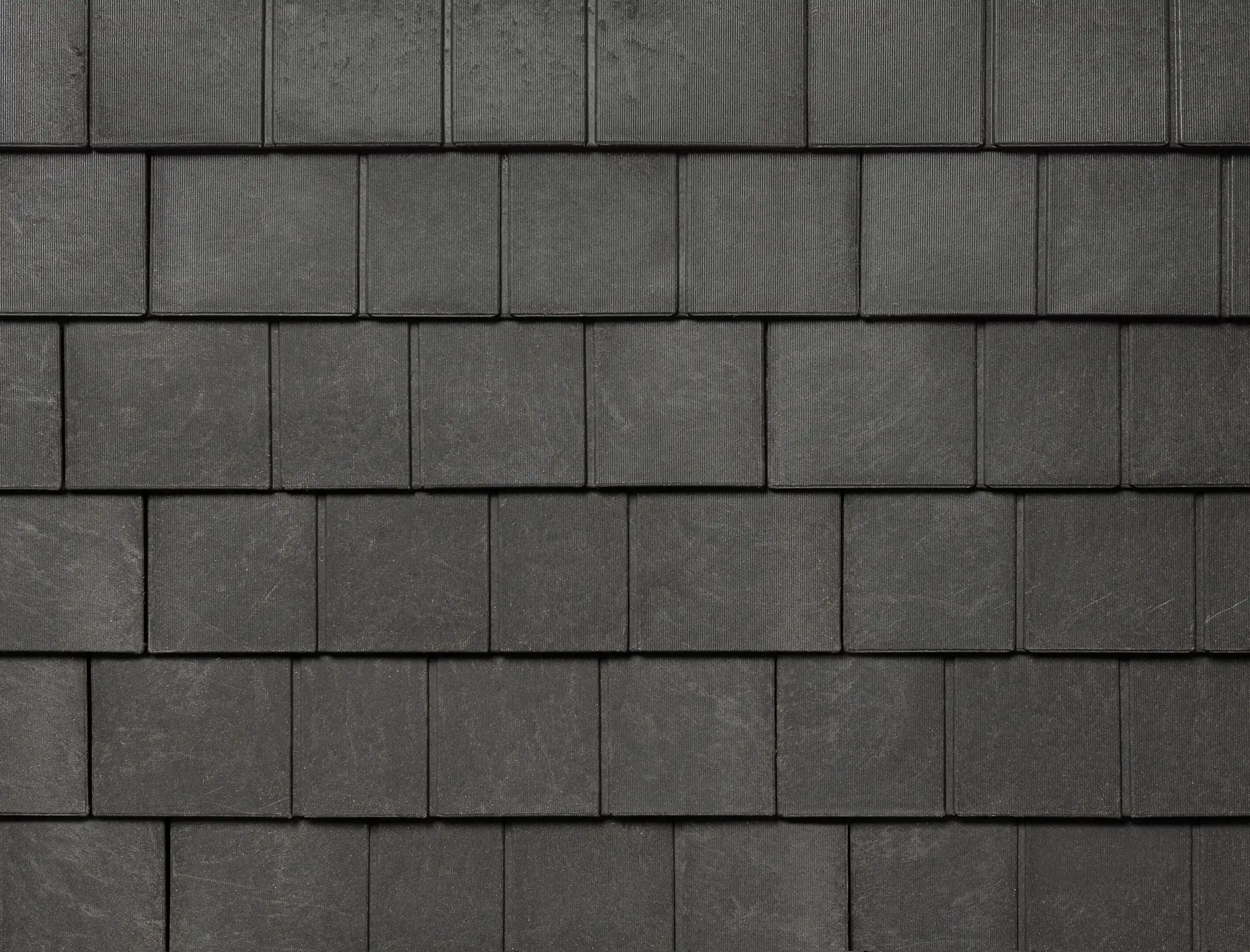
The beauty of a natural slate roof,
at 1/3 the weight
previous arrow
next arrow

Quality Engineered Roofing

A leader in the synthetic roofing industry, Enviroshake engineers and manufactures premium composite roofing tiles that authentically replicate the natural aesthetic of cedar and slate. Our proprietary composite blend is a mixture of sustainable materials designed to create products that are not only classically beautiful but also unbeatably durable, safe, and long-lasting.

Latest Blogs
April 29, 2026Key Takeaways Cedar shake roofing carries a higher upfront cost than most materials, driven by natural wood pricing, specialized installation, and regional labor rates. Ongoing maintenance — cleaning, treatments every five years, and individual shake repairs — adds significantly to the total cost of ownership over time. Lifespan varies widely based on climate, installation quality, and how consistently the roof is maintained, typically ranging from 20 to 30 years. Engineered alternatives like Enviroshake replicate the look of cedar while eliminating most of the maintenance burden and offering stronger performance credentials.     Cedar shake roofing has earned its reputation. The natural texture, the way it weathers over time, the architectural character it brings to a home — there's a reason it's been a premium choice for generations. But premium materials come with premium considerations, and for homeowners weighing a cedar shake roof, the upfront price tag is only part of the story. Maintenance, lifespan, and environmental exposure all shape what a cedar shake roof actually costs over time. Average Cost of Cedar Shake Roofing Cedar shakes are split or sawn from natural cedar logs, and quality varies considerably. Higher-grade shakes have fewer knots and tighter grain, which improves both appearance and durability — and increases price accordingly. Thickness, fire-resistance treatments, and moisture protection coatings all factor into material costs, as does sourcing: premium cedar typically comes from the Pacific Northwest or British Columbia, and transportation adds to the final number. Material Costs Cedar shake is consistently more expensive than standard asphalt shingles: it's a natural wood product that requires specialized installation and commands higher material costs. Total pricing varies based on roof size and complexity, the grade of cedar used, and regional labor rates, but homeowners can generally expect a significant investment compared to conventional roofing options. Installation Costs Cedar shake installation isn't a job for a generalist. It requires experienced roofers who understand proper underlayment, shake spacing, and ventilation — all of which directly affect how long the roof performs. Complex rooflines with steep pitches, dormers, valleys, or chimneys add time and labor. Improper installation is one of the fastest ways to shorten the lifespan of a cedar roof. Regional Variations Labor rates differ meaningfully across regions, and so do installation requirements. Colder climates may call for additional ice and water protection; high-rainfall areas need robust moisture management beneath the shakes. Local fire codes — particularly in areas near wildland zones — may also restrict material choices or require specific fire-resistance ratings, affecting both material selection and total cost. Long-Term Maintenance Costs This is where cedar shake's cost story gets more complex. As a natural wood product, cedar is susceptible to moisture, UV exposure, and biological growth. Regular maintenance is part of the package when you choose natural cedar, standing between a well-performing roof and an early replacement. Cleaning and Moss Removal Organic debris accumulates on cedar roofs over time. Leaves, branches, and dirt retain moisture against the wood surface, encouraging moss, algae, and lichen to take hold. Left unchecked, that growth accelerates deterioration. Regular cleaning — using low-pressure methods and treatments that won't damage the shakes — is a recurring part of cedar ownership. Installation Costs Individual shakes crack, split, and warp as they age. Prompt replacement of damaged pieces matters: even a small area of compromised shakes can allow water into the roof structure below. Catching issues early keeps repair costs manageable; deferred maintenance compounds quickly. Protective Treatments Most cedar roofs need periodic applications of preservatives and sealants to hold up against moisture, UV, and insects. These treatments do extend the roof's life, but reapplication is required roughly every five years — and that recurring cost adds up. Lifespan and Return on Investment A well-maintained cedar shake roof can last 20 to 30 years, with some performing longer in favorable climates. In harsher environments that are prone to high humidity, heavy rainfall, intense UV, or extreme temperature swings, that range narrows. Installation quality and maintenance consistency are the two biggest variables. Evaluating the true financial value of a cedar roof means accounting for more than the initial installation; annual cleaning, periodic treatments, intermittent repairs, and eventual replacement all factor into lifecycle cost. In demanding climates where maintenance gets deferred, that math can shift the value proposition considerably. Enviroshake Roofing as a Long-Term Investment For homeowners who love the look of cedar but want more predictability in performance and cost, engineered synthetic roofing is worth a close look. Enviroshake replicates the texture, natural variation, and visual character of cedar, all while addressing the vulnerabilities that make natural material a maintenance-intensive choice. Consistent Material Performance Unlike natural wood, which varies in density, grain, and quality from piece to piece, Enviroshake is manufactured to consistent specifications. Every panel meets the same standards for thickness, strength, and weather resistance, and performance is predictable from the first year to the last. Reduced Maintenance Requirements Enviroshake resists moisture absorption, rot, and biological growth: no periodic treatments, no moss management, no cracked shakes to replace. For homeowners who've done the math on cedar maintenance over 25 years, the difference is significant. Long-Term Durability and Value Enviroshake is third-party tested to withstand wind speeds up to 180 mph, carries an available Class A fire rating, and is level 4 impact resistant, all of which are credentials that greatly matter for performance and, increasingly, for insurability. Backed by a lifetime warranty, Enviroshake is built to deliver more consistent long-term value than materials subject to the natural variability of wood. Ready to see why discerning home owners are switching to Enviroshake? Cedar shake roofing has a lot going for it on paper. In practice, the maintenance schedule, the vulnerability to moisture and rot, and the ongoing cost of keeping it performing well adds up faster than most homeowners expect. Enviroshake delivers the same curb appeal without the upkeep, backed by performance ratings that natural wood simply cannot match. Speak with an Enviroshake roofing expert to find the right solution for your home. Contact Us Request a Sample [...]Read more...
April 28, 2026Key Takeaways Cedar shingle roofing is a defining feature of historic architecture in Colorado mountain communities, but it presents challenges related to performance and insurance costs. Strict historic preservation guidelines require roofing replacements to maintain architectural authenticity, with cedar shingle appearance playing a key role in design approval and neighborhood character. Enviroshake’s Enviroshingle has been approved for historic roof replacement in Aspen, CO, offering a cedar shingle alternative that replicates traditional aesthetics while delivering improved durability. Homeowners across Colorado are increasingly choosing modern cedar shingle alternatives to preserve historic aesthetics while improving insurability, lifespan, and overall value in high-altitude and wildfire-prone regions. In the high-altitude beauty of Aspen and across surrounding mountain communities like Vail, Breckenridge, and Snowmass, cedar shingle roofing has long been a defining feature of historic architecture. From legacy homes in Telluride to luxury properties in Cherry Hills Village and Bow Mar, the natural charm of cedar shingles has helped shape Colorado’s distinctive alpine aesthetic. But as homeowners face increasing challenges with durability, wildfire risk, and insurance costs, many are turning to a cedar shingle alternative that preserves the look without the drawbacks. Enviroshake’s Enviroshingle has been approved for historic roof replacement in Aspen, Colorado. Preserving Historic Character When Replacing a Roof in Colorado In Colorado mountain communities like Aspen and throughout Pitkin County, preserving historic character is a key priority when replacing a historic roof. This is especially important in Aspen, CO, where strict architectural review standards often apply to historic homes and roofing projects. The goal is not only to replace a roof but to ensure the building continues to reflect its original design intent. Enviroshake’s Enviroshingle has been approved for historic roof replacement in Aspen, CO, giving homeowners a cedar shingle alternative that maintains architectural authenticity while improving long-term performance. Maintaining Architectural Authenticity The visual language of many historic homes in Colorado is built around cedar shingles, which create depth, variation, and shadowing that newer materials often struggle to replicate. In communities such as Vail and Snowmass, this roofing style is a defining feature of residential character. When replacing a historic roof, preserving the appearance of cedar shingles ensures the property continues to reflect its original craftsmanship rather than appearing modernized or out of place within the neighborhood. Meeting Preservation Standards in Historic Communities Design review requirements across towns like Breckenridge and Telluride are intended to protect architectural consistency. Roofing materials are closely evaluated, particularly when cedar shingles are being replaced. In many cases, the expectation is not just performance improvement, but visual alignment with traditional cedar shingle roofing so that historic districts remain cohesive. Enhancing Property Value Through Preservation In luxury mountain markets such as Aspen and Vail, architectural integrity has a direct influence on perceived value. Homes that retain the look of traditional cedar shingles tend to stand out more positively in high-end real estate markets. This is especially relevant in areas where buyers are specifically drawn to authentic historic mountain architecture rather than modern reinterpretations.   Updating Performance Without Losing Historic Look Cedar shingles are closely tied to Colorado’s architectural heritage, but they also present challenges in fire resistance, longevity, and maintenance, particularly in high-elevation environments like Pitkin County. By design, Enviroshake and Enviroshingle replicate the rich texture, shadow lines, and natural variation of traditional cedar shake and cedar shingle roofs, resulting in a roof that looks historically accurate while delivering modern durability, fire resistance, and weather performance suitable for high-altitude climates across Colorado. Why Replace Cedar Shingles? While cedar shingles are traditionally beautiful, they come with challenges that are amplified in Colorado’s demanding climate, from Denver and Steamboat Springs to smaller communities like Woody Creek and Columbine Valley. Key Issues with Cedar Shingle Roofs: Fire Risk: Natural cedar is a combustible material, a major concern in wildfire-prone regions. Weathering: UV exposure, snow, freeze-thaw cycles, and moisture rapidly accelerate deterioration. Maintenance: Regular treatments and repairs are needed to maintain performance. Shorter Lifespan: Compared to modern materials, cedar shingles require earlier replacement. A Proven Cedar Shingle Alternative Enviroshake offers a synthetic roofing solution engineered to outperform traditional cedar shingles without sacrificing appearance. Enviroshake products have undergone extensive third-party testing, including accelerated weathering in laboratory conditions. In fact, testing has demonstrated durability equivalent to 82 years with no significant change, a level of longevity that traditional cedar shingles simply cannot match. Enviroshake is fully compatible with WUI building requirements. The Wildland Urban Interface (WUI) refers to areas where human structures meet or intermingle with wildland vegetation, which are zones at elevated risk for wildfire damage. WUI standards exist to reduce structure loss in these high-risk regions. With Enviroshake, homeowners in wildfire-prone areas gain built-in protection without compromise. Our Enviroshingle product is specifically crafted to mirror the look of classic cedar shingles, making it ideal for: Cedar shingle replacement projects Historic home restorations New builds seeking a timeless alpine aesthetic See Enviroshake used on Heritage Restoration Projects across North America Insurance Considerations: Cedar vs. Enviroshingle Insurance is becoming a major factor in roofing decisions across Aspen and surrounding areas. Cedar Shingle Roofing Insurance Challenges: Fire Hazard Coverage: Because cedar shingles are combustible, insurers may require fire-retardant treatments or charge higher premiums, especially given the wildfire risks in Colorado. Age and Condition: Insurers frequently inspect for damage and age. Older cedar shingle roofs are often only covered for Actual Cash Value (ACV), not Replacement Cost Value (RCV), or may be denied coverage entirely. It is essential to confirm if your policy provides Replacement Cost Value (RCV) for repairs. Wind & Hail Damage: While wind is generally covered, some policies in high-risk areas like Aspen might have separate, higher deductibles for roof damage.   The Advantage of Enviroshake: By choosing a high-performance cedar shingle alternative like Enviroshingle, homeowners benefit from: Reduced fire risk (Class C & Class A Fire Rating available) Improved insurability Longer lifespan with less maintenance Greater long-term value Making the Switch From Cedar Shake to Enviroshake The Future of Roofing in Colorado’s Mountain Communities From Aspen to Vail, from Breckenridge to Telluride, homeowners are looking for roofing solutions that balance historic authenticity with modern performance. Enviroshake delivers on both fronts, making it an ideal choice for cedar shingle replacement in Colorado’s most prestigious communities. If you’re planning a historic roof replacement in Colorado or anywhere across the Rockies, Enviroshingle offers a way to preserve the past while building for the future. Get Started and talk to our experts today. Contact Us [...]Read more...
April 20, 2026Key Takeaways Roofing needs across North Carolina and South Carolina vary significantly by region, with coastal, mountain, rural, and urban areas all facing different risks including hurricanes, humidity, wildfire exposure, and severe storms. Insurance requirements are increasingly influencing roofing decisions, with carriers prioritizing fire resistance, wind ratings, and long-term durability when assessing coverage and premiums. Traditional materials like cedar shake struggle in the Carolinas due to moisture, rot, fire risk, and maintenance demands, making them less favorable for both homeowners and insurers. Enviroshake offers a high-performance alternative that is WUI-compliant, fire-resistant, and engineered for humidity, storms, and long-term durability across diverse Carolina climates. From the foothills of North Carolina to the upstate communities of South Carolina, choosing the right roofing material isn’t just about curb appeal, it’s about performance in a region known for humidity, heat, storms, and increasingly, wildfire risk. Whether you’re building or replacing a roof in areas like Greenville, Spartanburg, Greer, or mountain communities like Cashiers and Hendersonville, your roofing choice needs to stand up to the region’s unique demands. Climate Considerations for Roofing in the Carolinas Homeowners across North and South Carolina face a mix of environmental conditions that directly impact roof performance. From humid summers to seasonal storms, your roofing material needs to do more than look good. Key regional challenges include: High humidity that leads to mold, algae, and rot Strong UV exposure that accelerates aging Heavy rain and wind during storm seasons Growing wildfire risk in wooded and rural areas These factors make durability, fire resistance, and moisture performance essential when selecting a roofing system. Roofing Needs Across Key Carolina Cities Roofing requirements across North Carolina and South Carolina are not one-size-fits-all. While the broader region shares humidity, heat, and storm exposure, local geography, elevation, and insurance requirements create very different roofing priorities from one community to the next. Understanding these localized differences helps homeowners make smarter roofing decisions based not just on style or cost, but on how their specific environment will impact performance over time. Coastal Barrier Island Conditions and Hurricane Exposure Coastal locations like Bald Head Island, North Carolina, present a completely different set of roofing challenges compared to inland areas. As a barrier island, this region is exposed to high winds, salt air, intense sun, and hurricane activity. Roofing materials here must prioritize wind resistance, resistance to salt corrosion, and the ability to withstand constant moisture exposure without degrading over time. Project Profile: Bald Head Island, North Carolina Upstate South Carolina Growth and Storm Exposure Cities like Greenville, Spartanburg, and Greer are fast-growing areas with a mix of urban and suburban development. These locations often experience strong storms and wind events, making impact resistance and long-term durability critical. Smaller Communities with Rural and Tree Coverage Areas such as Easley, Anderson, Piedmont, and Duncan often feature more tree coverage and rural surroundings. This increases exposure to debris, moisture retention, and potential fire risk near wooded properties. From an insurance perspective, tree-heavy environments can increase claims risk, which makes durable, low-maintenance roofing materials especially valuable. Materials that resist rot, mold, and impact damage may help reduce long-term insurance-related repair frequency. Mountain and High-Elevation Communities in Western North Carolina Communities like Cashiers, Sapphire, Hendersonville, Arden, and Blowing Rock are known for elevated terrain, cooler temperatures, and high-end homes. Roofing here must balance aesthetics with performance, especially in areas with persistent moisture, potential snow loads, and dense forest surroundings that can increase both moisture retention and fire risk. Project Profile: Moses H. Cone Manor, Blowing Rock, North Carolina Enviroshake was recently installed at the Blowing Rock County Club in North Carolina by Nick Winebarger of Restore Roofing & Remodeling LLC. Prior to reroofing the clubhouse, the original cedar shake roof was failing and showed many signs of damage. The replacement product needed to withstand the strong winds that are common in the area (recorded wind events of 120 mph). Enviroshake was chosen as the best fit for the clubhouse for its longevity and lifespan. Now, Blowing Rock Country Club has plans to have all buildings on the property covered with Enviroshake. High-Risk Wildland Areas Locations like Salem, Sunset, and Six Mile often sit closer to forested land. This makes fire resistance and compliance with Wildland-Urban Interface standards increasingly important. From an insurance standpoint, properties in these regions are increasingly evaluated based on fire resistance and defensible space risk. In many cases, insurers may require upgraded roofing materials or may adjust premiums based on a home’s ability to resist ignition from airborne embers or nearby vegetation fires. Why Insurance Companies Are Dropping Cedar Shake Roofs Roofing systems that are WUI-compliant and fire-resistant can play a key role in maintaining insurability in these communities. Why Enviroshake Is Built for Carolina Conditions Enviroshake is engineered to address the exact challenges homeowners face in North and South Carolina. WUI Compliance and Fire Resistance Enviroshake is WUI-compliant, meaning it meets strict standards for use in wildfire-prone areas. This is especially valuable for homes near wooded regions where fire risk is a concern. Insurance Advantages for Homeowners Because of its fire resistance and durability, Enviroshake can help homeowners qualify for insurance benefits. Many insurers recognize roofing materials that reduce risk, which may lead to better coverage options or potential premium reductions. Moisture and Climate Durability Enviroshake resists moisture absorption, which helps prevent rot, warping, and mold growth. This makes it well suited for the humid conditions found across both states. Performance in Severe Weather With strong resistance to wind and impact, Enviroshake is designed to perform during the types of storms common throughout the Carolinas. Enviroshake vs Cedar Shake Roofing in the Carolinas For many years, cedar shake has been valued for its traditional aesthetics, especially in upscale and mountain communities. However, climate conditions in the Carolinas significantly limit its long-term performance and lead to more liability and costly maintenance for the homeowner. Cedar Shake Limitations Absorbs moisture as an organic material, leading to rot and mold Requires frequent and costly ongoing maintenance Vulnerable to fire unless chemically treated regularly Viewed as liability by insurance providers, meaning reduced coverage or higher premiums Enviroshake Advantages Replicates the natural look of cedar Virtually maintenance-free Will not rot, crack, or split Fire-resistant (Class A fire rating available) and WUI-compliant Designed for long-term performance Frequently Asked Questions for North & South Carolina Homeowners What is the biggest roofing challenge in North and South Carolina? The biggest challenge is climate variability. Homeowners must deal with high humidity, heavy rainfall, strong UV exposure, seasonal storms, and in some areas, wildfire risk. These combined conditions make durability and moisture resistance essential. Why does location matter when choosing a roof in the Carolinas? Different regions face different risks. Coastal areas like Bald Head Island deal with hurricanes and salt air, mountain areas like Blowing Rock and Cashiers deal with moisture and elevation-related weather, and inland cities like Greenville and Spartanburg face wind and storm exposure. Each environment affects how long a roof will last. How does insurance impact roofing choices in the Carolinas? Insurance companies are increasingly evaluating roofing materials based on fire resistance, wind performance, and durability. Homes with higher-risk materials like cedar shake may face higher premiums, limited coverage, or replacement requirements in some cases. What is WUI compliance and why does it matter? WUI stands for Wildland-Urban Interface. It refers to areas where homes are located near forests or vegetation. WUI-compliant roofing materials are designed to resist ignition from embers and are often required or preferred in higher-risk wildfire zones.How does Enviroshake compare to cedar shake? Enviroshake is designed to replicate the look of cedar while offering significantly better performance. It is resistant to moisture, fire, and impact, requires minimal maintenance, and is better aligned with insurance and durability requirements in the region. Is Enviroshake suitable for coastal and mountain areas? Yes. Enviroshake performs well in both environments. It resists salt exposure and wind in coastal regions and handles moisture, temperature shifts, and forest exposure in mountain areas, making it a versatile option across both states. Choosing a Roofing Material That Lasts Across North Carolina and South Carolina, homeowners are placing more value on long-term investments that guarantee performance rather than just upfront cost. A roofing material like Enviroshake supports: Long lifecycle durability Reduced maintenance needs Increased protection against fire and storms Potential insurance benefits For homes in both urban growth areas and rural mountain communities, choosing the right roofing system is a key part of protecting your investment for decades. Talk to an expert in synthetic roofing to learn more. Contact Us [...]Read more...
April 20, 2026Key Takeaways A cohesive roof is a major design statement, not just a functional feature. Material choice drives both aesthetics and performance. 2026 trends emphasize sustainability and texture. A well-chosen roof boosts home value and long-term ROI. Why Your Roof is Key to Curb Appeal: As the visual anchor point that naturally draws attention before the eye takes in the rest of the home, a well-designed roof has the power to create a lasting first impression. In addition to being a critical functional element for longevity and value preservation, the roof establishes visual harmony between a home and its surroundings. When quality form and materials are aligned, the roof becomes a key visual touchpoint that greatly enhances curb appeal. A cohesive roof plays a central role in shaping a home’s curb appeal in 2026, where materials, color, and form are increasingly chosen for both performance and architectural cohesion.   What Your Roof Says About Your Home: Classic Gable and Hip Roofs: With a timeless appeal to tradition, gable and hip roofs enhance a home’s classic design. Gesturing toward a historically-inspired design sensibility, their varied pitches and sightlines increase visual interest, while providing high performance across a range of climate conditions. Modern Flat and Shed Roofs: Contemporary home design relies on the modern, sleek look of flat and shed roofs. Flat roofs communicate a fresh sophistication, while the minimalist single slope shed roof style evokes the forward-looking mid-century modern aesthetic. New synthetic roofing materials have improved the longevity of flat and shed roofs, making them bold and functional options for homeowners. Unique Architectural Roof Features: Dormers, turrets, skylights, cupolas, and other unique architectural features turn the roof into a canvas for a homeowner’s tastes and expression. Breaking up the conventional sightlines of the roof, these creative elements add character and individuality to a home’s overall design. Roofing Materials that Define Style and Performance: Asphalt Shingles Asphalt Shingles remain the most popular roofing option due to their affordability, color variety and versatility across a diverse spectrum of rooflines. When deciding on color and texture, homeowners should consider their overall vision for the home. Options range from the classic “brickwork” design of 3 tab shingles, to complex designs that play with color and patterns for creative effect.   Metal: Widely-used on contemporary roofs, metal offers exceptional durability, minimal maintenance, and increased energy efficiency while contributing a consistent and clean look.   Premium Natural Materials - Cedar and Slate: Natural roofing materials such as cedar and slate require higher investment, but establish a sense of timeless luxury and sophistication. With organic variation in each tile, the subtle imperfections of these materials evoke the timeless value of traditional craftsmanship.   Synthetic Cedar and Slate: Engineered to replicate the time-tested aesthetics of natural cedar shake, cedar shingles, and slate, while being extremely durable and virtually maintenance free, synthetics offer an unmatched combination of curb appeal and longevity. Enviroshake products, for example, are available with an unconditional Class A fire rating, are third party tested up to 180 mph, and are level 4 impact resistant, all while all while delivering a beautiful natural look that enhances curb appeal without the upkeep of traditional materials. With numerous color options and a truly authentic appearance, synthetics are optimal for those seeking to preserve architectural integrity while increasing the premium value of their home.   Color Selection Tips: With more choices than ever, homeowners can choose colors which reflect their personal style as well the architectural language of their home. For example, dark greens and greys bring a classic aesthetic, while lighter silver colors emphasize a breezy, coastal feel. Consider using a Roof Visualizer Tool to see how roofing impacts a home’s exterior design. Trending Roof Design Ideas in 2026: Sustainable Options: In 2026, homeowners are prioritizing sustainability while also achieving elevated aesthetics in their roofing solutions. Synthetic cedar shakes and shingles, for example, save irreplaceable old growth forests while replicating the distinct natural beauty of traditional cedar roofing. Further, the innovative product Enviroshake is made from a composite blend of 95% post-industrial plastics, recycled elastomers, and wood fibres, making it not only sustainable, but extremely durable. Textured and Patterned Roofing: Choosing a roofing material with subtle texture and variation is one of the simplest ways to boost curb appeal. While slate and cedar have traditionally been the go-to choice for introducing elevated texture and unique design, synthetics provide the beauty and timeless appeal of natural materials without the maintenance and environmental impact. Choosing the Right Roof for Your Home's Exterior and Location: Selecting the right roofing material is not just about performance, but also about complementing the home’s architectural style and surrounding environment. By aligning material choice, colour, and texture with local conditions and design language, homeowners can achieve a roof that feels intentional, cohesive, and visually integrated with its setting. Examples of Roofing Choices by Home Style and Climate: Mountain/chalet homes → synthetic shake or metal for durability + alpine aesthetic Victorian architecture & heritage homes → natural or synthetic slate in single or multi-tone Coastal/lakeside → natural or synthetic cedar shake (handles moisture + wind) Contemporary builds → standing seam metal or sleek synthetic shake Colonial architecture → synthetic or natural cedar for a rustic + traditional look High-sun exposure areas → UV-resistant synthetics to maintain color + integrity How Roof Design Impacts Home Value: Peace of Mind & ROI: Realtors agree that a cohesive roof adds significant market value to a property. Materials designed to last with minimal maintenance allow prospective buyers to imagine a secure and worry-free future in their new home. In addition, modern roofing choices such as synthetics and metal offer excellent energy efficiency benefits, further increasing the return on investment. Street Appeal: With regards to design, homeowners should strive to integrate their roof into the broader architectural character of surrounding homes to enhance street appeal and contribute to the overall desirability of the neighborhood. Maintaining Your Roof to Preserve Curb Appeal: Historically, regular maintenance has been integral to the preservation of curb appeal. Natural cedar, for example, requires chemical treatments roughly every 5 years, while asphalt shingles demand periodic upkeep and eventual replacement. Synthetic roofing, by contrast, is virtually maintenance-free, enabling homeowners to make the choice once and enjoy the benefits of a beautiful roof for a lifetime.   Invest in a Roof that Defines Your Home Bringing together the right combination of style, material, and performance is key to creating a roof that truly enhances curb appeal. Synthetic options like Enviroshake make it possible to achieve the look of natural materials while benefiting from long-term durability and minimal maintenance. When you’re ready to take the next step, connecting with an expert can help ensure your roofing choice aligns perfectly with your home and environment. “The roof looks fantastic. It is especially appealing on the house we built, as there are steep pitches of various gables and angles. That design reveals very substantial areas of roof surface, which allows the superior aesthetics of  the Enviroshake product to shine.” – Harry Fox, PA   Contact Us Request a Sample [...]Read more...
April 7, 2026Key Takeaways American Craftsman Services LLC is a factory-trained Enviroshake installer delivering high-quality roofing and exterior projects across Northern Virginia. Installers say Enviroshake is easier and cleaner to install than wood, a superior alternative to modern cedar shakes. American Craftsman Services installed Enviroshake on a residential roof in Dumfries, Sherando Lake, and as siding in Loudon County. Enviroshake products are suitable for the climate in Northern Virginia and offer a traditional aesthetic with superior performance and durability. American Craftsman Services LLC provides expert roofing and a full range of home services across Northern Virginia, with a focus on providing quality and craftsmanship in everything they do. As a factory-trained Enviroshake installer, American Craftsman Services has recently completed three standout Enviroshake projects in Virginia, showcasing their commitment to premium, sustainable materials and performance that lasts a lifetime. Residential Roof in Dumfries, Virginia Enviroshake in the color Aged Cedar was expertly installed on this 2,600 sq ft roof in Dumfries, Virginia by American Craftsman Services. The homeowners chose to replace their cedar shake roof with Enviroshake for a longer lasting, but still traditionally beautiful alternative. Northern Virginia experiences hot, humid summers and cold winters with freeze–thaw cycles. As a result, roofing materials need to be highly durable, resistant to UV exposure, and capable of shedding water and snow efficiently while maintaining structural integrity through temperature swings. Enviroshake tiles have been engineered to thermally expand and contract less than 2% between seasons and all Enviroshake products allow less heat transfer than do cedar or asphalt and are not damaged by UV exposure. Enviroshake is proud to offer Alpine® SnowGuards with all of our roofing systems. Why Use Snow Guards? “We like installing Enviroshake. They are easier and cleaner to install than wood.” - Tony Riggs, American Craftsman Services Sherando Lake Roofing Project The Sherando Lake Recreation Area in Lyndhurst, Virginia is known as the jewel of the Blue Ridge Mountains. The American Craftsman Services team installed 3,000 sq ft of Enviroshake in the color Aged Cedar on multiple buildings at Sherando Lake. “Some of the existing roofs were cedar and others were asphalt. We always recommend Enviroshake as an alternative. It’s a better product than the wood shakes cut nowadays.” - Tony Riggs Enviroshake tiles are designed using 3D images of taper-sawn cedar shakes for a truly natural appearance. With Enviroshake, homeowners can maintain the traditional beauty of natural cedar shakes, but with the durability and weather resistance only an engineered product can offer. Residential Siding in Loudoun County, Virginia This Loudoun County homeowner hired American Craftsman Services to install 2,000 sq ft of Enviroshake Aged Cedar as roofing and siding on their home. Installed as siding or on a mansard roof, Enviroshake offers the same low-maintenance durability, resistance to moisture and UV exposure, and long-term performance as it does on the roof. For homeowners seeking the natural look of cedar without the ongoing upkeep, it provides a cohesive, high-end aesthetic while enhancing the building envelope with added protection against Northern Virginia’s variable climate. View more Enviroshake Siding projects: Winona House, Toronto, ON Doig River Cultural Centre, Rose Prairie, BC Factory-Trained Enviroshake Installers Enviroshake products must be installed by a Factory Trained Installer to ensure a quality installation and in order for the warranty to be valid. Enviroshake is proud to work with Factory-Trained Enviroshake Installers across Canada, the United States, the Caribbean, the UK, and other locations internationally. Whether you're a homeowner or a contractor, we're here to help every step of the way throughout your roofing or siding project. From initial consultation, finding an installer, on-site training for installers, and post-install warranty registration, you'll work with our dedicated experts to ensure a positive experience. “Everyone at Enviroshake has been nice and pleasant to work with.” – Tony Riggs, American Craftsman Services Find a Factory-Trained Enviroshake Installer Become a Factory Trained Installer [...]Read more...
April 2, 2026Key Takeaways Enviroshake provides a durable, virtually maintenance-free roofing solution designed to meet the unique structural and environmental demands of equestrian facilities. Proven performance at the World Equestrian Center in Ocala demonstrates its suitability for both functional and luxury equestrian buildings. Engineered to replicate natural slate and cedar shake, Enviroshake integrates seamlessly into high-end, historic, and HOA-regulated communities. Made from 95% recycled materials with potable water runoff and full recyclability, Enviroshake supports long-term sustainability and land stewardship. Equestrian properties are unlike any other built environment. From expansive barns and indoor arenas to elegant clubhouses, estates, and hospitality spaces, these facilities demand a roofing solution that balances durability, aesthetics, and environmental responsibility. Whether located in the rolling countryside of Virginia or the coastal enclaves of California, equestrian communities share a common need: a roof that performs under pressure while complementing a refined, often historic architectural style. Enviroshake meets this need with a premium synthetic roofing system engineered specifically for longevity, resilience, and sustainability, without compromising on visual appeal. The Unique Roofing Demands of Equestrian Properties Equestrian facilities present a combination of challenges not typically found in standard residential or commercial builds: Large roof spans over arenas and barns High humidity and ventilation needs due to animal occupancy Exposure to harsh elements including wind, UV, snow, and rain Aesthetic expectations aligned with traditional or luxury architecture Long-term cost efficiency across multi-structure properties From historic estates in Middleburg and Hunt Country, Virginia, to contemporary equestrian communities in Park City and Heber, Utah, roofing must do more than protect, it must elevate the entire property while standing up to demanding conditions. Proven Performance: World Equestrian Center, Ocala A standout example of Enviroshake’s capabilities is its installation at the World Equestrian Center (WEC) in Ocala, Florida, one of the most prestigious equestrian destinations in the world. The facility selected Enviroslate in Onyx Black to roof its luxury hotel, a centerpiece of the complex.             Roofing Contractor: Huber + Associates This project highlights several critical advantages: The refined slate aesthetic complements high-end hospitality architecture (The WEC hotel was named a 2021 Gold Key Awards finalist in the Best Luxury Hotel category) The Enviroslate withstands Florida’s intense sun, humidity, and storm conditions The roofing contributes to a cohesive, upscale visual identity across the property The EnviroSlate installation is a key example of how Enviroshake is not only suitable for barns and support buildings, but also for luxury accommodations and flagship structures within equestrian communities. Enviroslate’s unmatched, authentic natural slate appearance, at one-third the weight and with durability that outperforms nature, makes it a clear choice for equestrian facilities. Designed for Aesthetic Harmony Across Regions Equestrian communities often prioritize architectural cohesion, drawing inspiration from regional heritage styles. Enviroshake’s profiles are designed to replicate cedar shake and natural slate to integrate seamlessly into these environments. In Milton, Roswell, Sandy Springs, Vinings, and Buckhead (Atlanta), equestrian estates often feature a blend of Southern traditional and transitional architecture. Large homes, stables, and guesthouses benefit from the textured appearance of Enviroshake products, which deliver the warmth of wood without the costly and frequent maintenance concerns. At Lake Oconee and Lake Arrowhead in Georgia, waterfront equestrian properties require roofing that complements natural surroundings while resisting moisture and algae growth. Enviroshake’s synthetic material is resistant to mold, mildew, algae, and insects, which means it performs exceptionally well in these environments, maintaining its appearance over time. In Wellington, Jupiter, and Loxahatchee Groves, Florida, where equestrian sport is central to the community, properties range from functional training facilities to luxury estates. Enviroshake provides a consistent roofing solution across both, offering durability under intense UV exposure and heavy rainfall. Moving west, equestrian enclaves like Hidden Hills, Rolling Hills on the Palos Verdes Peninsula, Hope Ranch, Sand Canyon in Santa Clarita, and Rancho Santa Fe are defined by strict design standards and upscale aesthetics. Here, Enviroshake’s ability to mimic natural materials without the drawbacks of wood or slate is particularly valuable. It satisfies HOA requirements while delivering superior performance. 5 Reasons Why Enviroshake is Perfect for your HOA Built for Historic and Legacy Properties Many equestrian communities are rooted in history. Regions such as Middleburg and Hunt Country, Virginia, and the Bedminster, Far Hills, and Colts Neck areas of New Jersey feature heritage estates, hunt clubs, and barns that require careful material selection to preserve architectural integrity. Similarly, the Hudson Valley, New York, and areas like Williamsburg, Michigan, combine historic charm with modern living. In these settings, traditional cedar shake or slate roofs are often specified, but come with significant maintenance and cost implications. Enviroshake offers a compelling alternative: Authentic appearance that aligns with historic aesthetics Lightweight composition reducing structural strain on older buildings Virtually no maintenance requirements, eliminating frequent repairs Long lifespan, minimizing the need for replacement Project Profile: Moses H. Cone Manor– Blowing Rock, NC For property owners seeking to maintain authenticity without ongoing upkeep, Enviroshake delivers the best of both worlds. Sustainability That Aligns with Land Stewardship Equestrian communities are inherently connected to the land. Sustainability is not just a trend, it is a responsibility. Enviroshake’s manufacturing and product lifecycle align directly with this philosophy. Key environmental benefits include: Made from 95% post-industrial recycled materials, reducing landfill waste Fully recyclable at end of life, supporting circular material use Water runoff is potable, meaning it does not contaminate surrounding soil or water systems Long lifespan, reducing the environmental impact associated with frequent roof replacements For properties with grazing land, water features, or agricultural components, the ability to maintain clean runoff is particularly important. Enviroshake ensures that roofing materials do not introduce harmful chemicals into the ecosystem. Engineered for Durability and Longevity Equestrian facilities operate year-round, often with high occupancy and continuous use. Roofing systems must withstand: Heavy snow loads in northern regions like Hudson Valley and Park City High winds and storms in coastal areas like Florida and California Temperature fluctuations across inland regions Enviroshake is engineered to handle these conditions with ease. Its synthetic material resists cracking, splitting, rotting, and warping, all common issues with traditional wood roofing. It also offers strong resistance to UV degradation, ensuring color retention over time. The result is a lifetime roofing system that significantly reduces long-term costs and operational disruptions. Virtually Maintenance-Free Roofing for Large Properties Maintenance is a major consideration for equestrian properties, which often include multiple buildings spread across large acreage. Traditional roofing materials like cedar shake require costly ongoing treatments, inspections, and repairs. Enviroshake eliminates much of this burden: No need for any chemical treatments or preservatives Resistance to mold, mildew, and insect damage Minimal upkeep required over decades For facility managers and property owners, this translates into lower maintenance budgets and fewer interruptions to daily operations. Versatility Across Building Types One of Enviroshake’s strengths is its adaptability across different structures within an equestrian property: Barns and stables benefit from durable, weather-resistant roofing Indoor arenas require materials that can handle large spans and environmental exposure Clubhouses and hospitality buildings demand high-end aesthetics Private residences and guesthouses need consistency with overall design Whether applied to a working barn in Loxahatchee Groves or a luxury estate in Rancho Santa Fe, Enviroshake maintains a cohesive look while delivering tailored performance. Enhancing Property Value and Market Appeal In competitive real estate markets, particularly in high-end equestrian communities, material selection plays a significant role in property value. Buyers and investors are increasingly prioritizing: Sustainability and environmental impact Long-term cost efficiency Architectural authenticity Low maintenance requirements Enviroshake addresses all of these factors, making it an attractive feature for prospective buyers. In markets like Buckhead (Atlanta), Hidden Hills, and Bedminster, where expectations are high, roofing can be a differentiator. A Future-Ready Roofing Solution As building codes evolve and environmental standards become more stringent, roofing systems must adapt. Enviroshake is already positioned ahead of these changes, offering compliance with sustainability goals, resilience against climate-related challenges, and reduced lifecycle costs. For equestrian communities planning new developments or renovations, choosing a future-ready material is essential. Enviroshake combines the timeless appearance of natural materials with advanced synthetic technology. From world-class installations like the one at the World Equestrian Center in Ocala to thousands of installations on notable hotels and resorts, historic properties, national parks, and more across the globe, Enviroshake has proven its ability to perform in diverse environments while enhancing architectural integrity. With its sustainable composition, potable water runoff, lifetime durability, and virtually maintenance-free performance, Enviroshake is not just a roofing product, it is a long-term investment in the future of equestrian properties. Talk to an expert in synthetic roofing to learn more. Contact Us [...]Read more...
March 19, 2026Key Takeaways Synthetic roofing reduces lifecycle waste with longer lifespan, fewer replacements, and lower material, energy, and transportation demands. Made with recycled materials, supporting circular economy and reducing reliance on virgin resources without compromising performance. Replaces cedar without ongoing timber harvesting, chemical treatments, or variability, preserving forests and minimizing environmental impact. Improves energy efficiency through heat reflectivity and ventilation compatibility, helping regulate indoor temperatures and reduce heating/cooling demands. The choices that homeowners and builders make during construction and renovation are under greater scrutiny as we become more aware of their environmental impact. Roofing, in particular, plays a significant role in long-term sustainability. Traditional roofing materials often contribute to landfill waste due to shorter lifespans, frequent maintenance, and repeated replacement cycles. Sustainability in roofing isn’t just about using “green” materials, it’s about durability, efficiency, and responsible resource use over time. A roof that lasts longer, requires less maintenance, and reduces waste offers meaningful environmental benefits. Synthetic roofing is an engineered solution designed to balance performance, aesthetics, and environmental responsibility, offering a way to reduce impact without compromising on appearance or reliability. How Synthetic Roofing Reduces Environmental Waste Environmental impact begins well before a roof is installed and continues throughout its lifespan. From raw material extraction and manufacturing to disposal at the end of its life, roofing materials contribute significantly to construction waste streams. Traditional options like asphalt shingles and natural wood shakes require replacement from as early as 5-10 years due to neglected mandatory maintenance, improper installation, or severe climate conditions, leading to repeated tear-offs and increased landfill accumulation. Synthetic roofing offers a different approach by focusing on lifecycle efficiency. Synthetic roofs are designed as a long-term system that minimizes waste over decades. By incorporating recycled materials, extending product lifespan, and reducing the need for frequent replacements, synthetic roofing helps lower the cumulative environmental burden associated with residential and commercial buildings. Another important factor is the reduction of resource consumption. Each replacement cycle requires new raw materials, manufacturing energy, and transportation. By extending the time between replacements, synthetic roofing reduces demand across the entire supply chain, resulting in fewer emissions, less material extraction, and decreased strain on natural resources. Ultimately, the environmental advantage of synthetic roofing lies in its ability to address waste at multiple stages—production, installation, and end-of-life—making it a more sustainable option when evaluated over the full lifecycle of a roof. Use of Recycled Materials in Manufacturing Many synthetic roofing products are manufactured using recycled content, such as reclaimed plastics, fibers, and elastomers. This approach diverts waste from landfills and reduces the need for virgin material extraction. Instead of contributing to new resource depletion, these materials are repurposed into durable roofing components. A common concern and misconception regarding products made from recycled materials is that they are unreliably sourced, the contents are unknown, or the quality is low and it was cheaply made. Recycled does not mean unknown, it simply means the material or an ingredient has been processed before. Enviroshake’s synthetic roofing material uses 2 recycled polymers that are exclusively post-industrial and pure in their form. Recycled polymers have the same molecular structure as virgin polymers and must meet the same mechanical standards, resulting in equivalent product performance. By incorporating recycled inputs, manufacturers can reduce the overall environmental footprint of production. This not only lowers energy consumption but also supports a circular economy where materials are reused rather than discarded after a single lifecycle. Longer Lifespan Means Fewer Replacements Roofing materials vary widely in lifespan, and this has a direct impact on environmental waste. Shorter-lived materials may need to be replaced multiple times over the course of a home’s life, each time generating disposal waste and requiring new resources. Synthetic roofing is engineered for durability, often lasting significantly longer than traditional materials. An Enviroshake roof has a life expectancy of more than 50 years. Over several decades, this extended lifespan can eliminate several replacement cycles, reducing both landfill contributions and the environmental costs associated with manufacturing and installation. Reducing Construction and Tear-Off Waste Every reroofing project generates waste, particularly when old materials must be removed and disposed of before new ones are installed. Asphalt shingles and wood shakes often end up in landfills, contributing to construction debris. By extending the lifespan of a roof, synthetic materials reduce the frequency of these tear-off events. Fewer replacements mean less debris, lower transportation needs for waste removal, and reduced disruption to the surrounding environment. This cumulative reduction in construction waste is a key sustainability benefit over time. Sustainable Alternatives to Cedar Roofing Cedar roofing has long been valued for its natural beauty and traditional appeal. Its texture and organic character make it a popular choice for homeowners seeking a timeless aesthetic. But how long does cedar shake roofing really last? From a sustainability perspective, cedar presents numerous challenges that are important to consider. Harvesting cedar requires ongoing demand for timber resources, and even responsibly managed forestry operations must balance supply with ecological preservation. Harvesting from older forests can contribute to deforestation and environmental strain. Additionally, cedar roofs often require regular treatments and maintenance to protect against moisture, insects, and weathering, which can introduce chemicals into the environment over time. Synthetic roofing provides an alternative that preserves the visual appeal of cedar while addressing some of these environmental concerns. Engineered to replicate the look of natural wood, synthetic materials offer a way to achieve the same design goals with fewer long-term environmental trade-offs.             Preserving Natural Resources Cedar roofing depends on harvested wood, and repeated replacement cycles increase demand for forest resources. Even when sourced responsibly, ongoing harvesting can place pressure on ecosystems over time. Synthetic roofing reduces this demand by using engineered materials that replicate wood aesthetics without requiring continuous timber extraction. This helps conserve natural forests while still allowing homeowners to achieve a classic cedar appearance. By installing an Enviroshake roof, you help prevent thousands of pounds of plastic from entering our oceans each year while simultaneously reducing the demand for new oil. Reduced Chemical Treatments and Maintenance To extend the lifespan of cedar roofing, treatments such as staining, sealing, and preservatives are often required. These chemicals can contribute to environmental runoff and may need to be reapplied periodically throughout the roof’s life. Synthetic roofing typically requires less maintenance and does not rely on repeated chemical treatments. This reduces the introduction of potentially harmful substances into the environment and simplifies long-term upkeep. Runoff from Enviroshake roofs is non-toxic and potable, with third-party testing confirming it meets World Health Organization drinking water standards. It is safe for use in greywater systems. Consistent Performance Without Resource Variability Natural wood can vary in quality depending on sourcing conditions, climate, and growth patterns. With old-growth cedar largely depleted by the 1980s, today’s cedar comes from younger, faster-growing trees. This produces softer wood with lower resin content, making it more prone to moisture absorption, splitting, and early deterioration. This variability can affect durability and performance over time. Engineered synthetic materials are designed for consistency, offering predictable resistance to moisture, insects, and cracking. This reliability not only benefits homeowners but also supports sustainability by reducing the likelihood of premature failure and replacement. Energy Efficiency Benefits of Synthetic Roofing Sustainability extends beyond materials and manufacturing—it also includes how a roof performs after installation. Roofing plays a key role in regulating attic temperatures and contributing to overall indoor comfort. While no roofing material alone determines energy efficiency, its properties can support a well-designed building system. Synthetic roofing can contribute to more stable temperature management, particularly when paired with proper insulation and ventilation. By helping to control heat absorption and airflow, it supports a balanced indoor environment without relying solely on mechanical systems. Synthetic roofing is the future of sustainable roofing. Reflectivity and Heat Management Roofing materials influence how much solar heat is absorbed or reflected. Lighter colors and certain material compositions can help reduce heat buildup in attic spaces during warmer months. Enviroshake’s Envirocool product in the colour Bermuda White has an impressive Solar Reflectivity Index (SRI) of 80.9. Enviroshake roofing tiles are rated independently by the Cool Roof Rating Council (CRRC). By limiting excessive heat absorption, synthetic roofing can contribute to a cooler attic environment. This helps maintain more consistent indoor temperatures and reduces the intensity of temperature fluctuations. “House stays much cooler (we could say ‘cold’) all year so far… Our solar setup allows us to run AC 24/7 and our last 3 bills have been under $100, which is unheard of around here. Enviroshake white slate helps tremendously.” -Andrew Stirling, Bahamas Supporting Comfortable Indoor Temperatures When attic temperatures are better regulated, the overall indoor environment becomes more stable. This can reduce the workload on heating and cooling systems, particularly during seasonal extremes. Improved thermal performance supports comfort and efficiency. Over time, this contributes to a more balanced and sustainable home environment. Ventilation Compatibility and Roof System Performance Effective ventilation and moisture management is crucial for a well-performing roof. Synthetic roofing systems are typically compatible with modern ventilation strategies, allowing for proper airflow through attic spaces. Good ventilation reduces the risk of condensation, which can lead to mold or structural damage. By supporting airflow and moisture control, synthetic roofing contributes to both long-term durability and environmental performance. Environmental Impact Over the Roof’s Lifecycle To fully understand sustainability, it’s important to look beyond initial materials and consider the entire lifecycle of a roof. This includes manufacturing, transportation, installation, maintenance, and eventual replacement. A material that performs well across all these stages will have a lower overall environmental footprint. Synthetic roofing is designed with lifecycle performance in mind. Its durability reduces the need for frequent replacements, while its material composition can incorporate recycled content. When evaluated over decades, these factors combine to create a more efficient and environmentally responsible solution. Reduced Transportation and Installation Waste Each roofing replacement involves transporting materials to and from the site, as well as disposing of old materials. These processes contribute to emissions and resource use. By reducing the frequency of replacements, synthetic roofing lowers the cumulative impact of transportation and installation. Fewer deliveries, less waste removal, and reduced labor all contribute to a smaller environmental footprint over time. Durability Against Moisture and Weather Damage Exposure to moisture, temperature fluctuations, and weather events can cause roofing materials to deteriorate. Issues such as rot, mold, cracking, and insect damage can lead to premature failure. Synthetic roofing is engineered to resist these common problems, helping maintain structural integrity over time. Enviroshake’s products are mold and mildew resistant. By preventing early deterioration, synthetic roofing reduces the need for repairs and replacement, which in turn minimizes waste and resource consumption. Long-Term Warranty Confidence Extended warranties often reflect a manufacturer’s confidence in a product’s durability. In the context of sustainability, this longevity is significant because it delays the need for replacement, which guarantees performance and environmental benefits. A longer-lasting roof reduces the frequency of manufacturing, transportation, and installation cycles. Enviroshake offers fully transferable limited lifetime warranties for long-lasting peace of mind. Accelerated weather testing indicates that Enviroshake products have a life expectancy that is considerably longer than the 50 year lifetime transferable warranty that is offered. Eco Friendly Roofing Options for Modern Homes Synthetic roofing is one of several options available to homeowners seeking more sustainable building materials. The best choice depends on factors such as climate, design preferences, maintenance expectations, and long-term performance goals. With multiple options on the market, it’s important to evaluate roofing materials holistically. This includes considering how they perform over time, how they are maintained, and how they contribute to the overall efficiency and curb appeal of the home. Matching Sustainability With Design Aesthetics Modern homeowners are increasingly looking for materials that align with both environmental values and design preferences. Roofing plays a major role in curb appeal, influencing the overall character of a home. Synthetic roofing offers a range of styles and textures that replicate natural materials like cedar, slate, or tile. This allows homeowners to achieve their desired aesthetic while still prioritizing sustainability and long-term performance. Nature-Inspired, Sustainable Roofing Palettes Learn How to Match a Roof to Your Home Choosing the Right Green Roofing Solution When comparing roofing options, it’s important to look beyond upfront costs. Key factors include lifespan, recyclability, maintenance requirements, climate suitability, and warranty coverage. A material that lasts longer and requires less upkeep may offer greater environmental benefits over time, even if the initial investment is higher. Taking a lifecycle approach to choosing a roofing material helps ensure a more informed and sustainable decision. Investing in Enviroshake quality means investing in a roof that lasts long, is sustainably produced, and pairs traditional aesthetics with performance that natural products can’t duplicate. Working With Contractors on Sustainable Choices The performance of any roofing material depends heavily on proper installation. Working with experienced contractors ensures that ventilation, insulation, and structural considerations are properly addressed. Homeowners should discuss sustainability goals with their contractors, including material selection, installation practices, and long-term maintenance plans. A well-installed roof not only performs better but also maximizes its environmental benefits over its lifespan. The Synthetic Roofing Solution By focusing on durability, reduced waste, and long-term performance, synthetic roofing represents a practical step toward more sustainable construction. When evaluated across its full lifecycle, it offers a balanced approach that supports both environmental responsibility and the functional needs of modern homes. Talk to an expert in synthetic roofing to learn more. Contact Us [...]Read more...
March 11, 2026Key Takeaways Sustainable roofing focuses on durability, recycled content, and long lifecycle performance. Eco-friendly roofing reduces landfill waste and long-term maintenance costs. Composite materials support green building trends and climate resilience goals. Fire resistance and extreme weather performance are shaping 2026 roofing decisions. Lifecycle cost matters more than upfront installation pricing. Sustainable roofing is becoming a central priority in building construction. Climate change, stricter building codes, rising insurance requirements, and higher maintenance costs are influencing how roofing materials are chosen. A roof plays a critical role in energy efficiency, durability, and environmental impact. Modern innovation in sustainable roofing emphasizes longevity, recyclability, and resilience. Composite materials like Enviroshake, reflective technologies, and fire-rated systems are part of a broader shift toward smarter material design. For homeowners evaluating future-proof investments, roofing decisions now influence both financial performance and environmental responsibility. Why Eco-Friendly Roofing Is Becoming a Priority in 2026? Eco-friendly roofing is moving from optional upgrade to standard expectation. Homeowners are increasingly evaluating total lifecycle performance instead of focusing solely on upfront installation cost. This shift is driven by climate risk, sustainability regulations, and long-term property value protection. Extreme weather events are more frequent and more severe. Insurance companies are reassessing risk exposure. Nowadays, a natural product like cedar shake roofing, comes with more liability than durability. As a result, green building trends are influencing buyer expectations and resale value. Together, these factors are reshaping roofing priorities in 2026. Climate Resilience and Extreme Weather Demands Storm intensity, freeze-thaw cycles, hail, UV exposure, and wildfire risk place significant stress on roofing systems. Materials that degrade quickly require frequent replacement, which increases environmental impact and cost. Durability directly supports sustainability. A roof that lasts decades longer reduces raw material extraction, transportation emissions, and landfill waste. Climate resilience is now a measurable component of sustainable roofing performance. Insurance and Maintenance Cost Pressures Insurance providers are placing greater emphasis on fire resistance and impact ratings when determining coverage and premiums. In high-risk areas, roofing materials can directly affect insurability. Maintenance expenses also continue to rise. Materials that resist moisture, insects, cracking, and rot reduce repair frequency and long-term ownership costs. Eco-friendly roofing is increasingly associated with financial predictability. Green Building Certifications Driving Change Architects and developers increasingly design homes around sustainability benchmarks and energy performance standards. Roofing materials influence insulation efficiency, environmental ratings, and long-term property value. Green building trends prioritize recycled content, lifecycle durability, and reduced resource consumption. Material selection now plays a direct role in a building’s environmental profile and market appeal. Enviroshake roofing products support these sustainability goals through material innovation. Enviroshake tiles are manufactured from 95% post-industrial recycled materials, and any scrap created during manufacturing is recycled back into production. The products are also 100% recyclable at the end of their lifespan. Enviroshake has completed independent third-party assessments for LEED and the National Green Building Standard (NGBS), contributing 16.5 direct points and 57 relevant LEED points. Testing has also confirmed that runoff water from Enviroshake roofs is non-toxic and meets World Health Organization drinking water standards. Emerging Roofing Technologies Shaping the Future Roofing innovation now combines aesthetics, performance, and environmental responsibility. Homeowners expect materials that look natural while delivering advanced durability. Composite Roofing Materials Leading Innovation Composite roofing materials combine recycled content with engineered polymers to resist moisture, insects, and rot. Recycled doesn’t mean unknown when it comes to the composition of Enviroshake. These systems are designed to address historical weaknesses of traditional wood roofing. Enviroshake manufactures composite shake and slate profiles that replicate the appearance of natural cedar while delivering enhanced durability and long service life. This approach supports sustainable roofing without sacrificing architectural character. Cool Roofing and Reflective Surface Technology Reflective roofing technology reduces heat absorption by deflecting solar radiation. Lower attic temperatures can improve indoor comfort and decrease cooling demands in warmer climates. Improved thermal performance supports eco-friendly roofing goals by reducing energy consumption over time. What is Cool Roofing? Enviroshake's signature roofing product Envirocool, has an SRI (Solar Reflectivity Index) value of 31 and is Title 24 compliant. Our custom color, Bermuda White, has an impressive SRI of 80.9. Integration With Solar and Smart Homes Solar adoption continues to expand across residential markets. Roofing systems must provide long-term stability to support solar panels designed for multi-decade performance. Durable sustainable roofing ensures compatibility with renewable energy investments and smart home infrastructure. Enviroshake is compatible with solar panels: access the Enviroshake Solar Panel Installation Bulletin. ENVIROSHAKE PROJECT PROFILE: Doig River Cultural Centre Sustainable, high-performance building design Fire Resistant Material Innovation Wildfire risk has increased focus on fire-rated roofing systems. Advanced composite materials are engineered to meet high fire classification standards and resist ember intrusion. Fire resistance is becoming a standard requirement in both suburban and rural communities, particularly in wildfire-prone regions. Durable, fire-rated materials help homeowners reduce risk while investing in long-term sustainable roofing solutions. All Enviroshake products are available with a Class A fire rating (ASTM E108), suitable for use in high-risk fire zones. Learn why Enviroshake is a top choice for high-risk fire regions like California The Future of Composite Roofing Materials Composite roofing sits at the intersection of architectural aesthetics and sustainability. Modern systems allow homeowners to achieve natural visual appeal while supporting long-term environmental goals. Products from Enviroshake illustrate how engineered materials can combine durability, recycled content, and eco-friendly roofing performance. Longevity as a Sustainability Advantage The lifecycle of a roof is central to sustainable roofing decisions. Traditional cedar roofing may require replacement as early as 5-10 years depending on climate conditions, proper installation and regular maintenance treatments. Asphalt shingles often have shorter lifespans. High-performance composite systems such as those produced by Enviroshake are engineered for long-term durability. Fewer replacement cycles reduce landfill waste, labor demand, and transportation emissions. Longevity is one of the most measurable advantages of eco-friendly roofing materials. 10-year-old Enviroshake roof in Oyster Bay, New York Mimicking Natural Materials Without Resource Depletion Cedar and slate aesthetics remain popular in residential architecture. However, large-scale harvesting of natural materials places pressure on forests and quarries. Composite roofing products from Enviroshake replicate the texture and depth of natural cedar without requiring ongoing resource harvesting. This approach supports eco-friendly roofing while maintaining traditional architectural character. By purchasing an Enviroshake roof, you help prevent thousands of pounds of plastic from entering our oceans each year while simultaneously reducing the demand for new oil. Advances in Recycled Material Engineering Recycled plastics and reclaimed materials are increasingly refined for structural consistency and durability. Advances in material engineering improve strength while diverting waste from landfills. Enviroshake uses high levels of recycled material in its manufacturing process while maintaining strict performance standards. As innovation continues, sustainable roofing materials are increasing recycled content, without sacrificing quality, and delivering long-term reliability. Green Building Trends Influencing Roof Design Green building trends are influencing both roofing material selection and overall roof system performance. Environmental responsibility now intersects with lifestyle preferences, climate resilience, and long-term home value. Living roofs, also known as green roofs, are one of the most recognizable innovations in sustainable building design. These roofs are covered with layers of vegetation and soil, transforming a traditional roof into a functioning ecosystem. Beyond their visual appeal, living roofs provide significant environmental benefits. They absorb rainfall, reducing stormwater runoff, and improve insulation to lower heating and cooling costs while extending the lifespan of the roofing membrane by protecting it from UV exposure and extreme temperature fluctuations. Another growing trend is the integration of solar shingles and photovoltaic roofing systems. Unlike traditional solar panels, solar shingles blend directly into the roofing material, creating a sleek look. These systems generate renewable electricity while maintaining the aesthetic of a standard roof, making them increasingly attractive to homeowners and developers. As solar technology becomes more accessible and energy independence gains importance, solar-integrated roofs are quickly becoming mainstream roofing solutions. Sustainable roofing materials are also transforming roof design by incorporating recycled or recyclable materials such as composite shingles and bio-based materials. These materials are designed to reflect solar heat, improve durability, and reduce the overall carbon footprint of a building. In addition to their environmental benefits, sustainable materials can be manufactured in a variety of textures and styles, allowing architects and homeowners to achieve both sustainability and design flexibility. Eco-friendly roofing solutions such as Enviroshake support these evolving construction priorities. Roofs are no longer just protective coverings, they are becoming active contributors to energy generation, environmental management, and architectural design. In 2026 and beyond, sustainable roof systems will continue to shape the future of building design while helping reduce the environmental impact. Homeowners Prioritizing Low Maintenance Living Many homeowners prioritize minimal upkeep due to busy schedules, aging in place, or second property ownership. Maintenance creates both financial and environmental costs. Eco-friendly roofing materials that resist cracking, mold, and insect damage reduce chemical treatments and replacement frequency. Composite roofing from Enviroshake is designed to deliver durability and long-term performance while supporting sustainable lifecycle outcomes. Urban and Wildland Fire Protection Considerations Communities in fire-prone regions are adopting stricter building standards. Roofing systems play a critical role in ember resistance and flame spread reduction. Fire-rated eco-friendly roofing products from Enviroshake help homeowners address wildfire risk while aligning with modern building requirements and sustainability goals. Enviroshake is fully compatible with WUI (Wildland Urban Interface) building requirements. Design Trends Favoring Natural Textures Architectural design continues to emphasize organic textures and natural appearance. Homeowners want visual warmth while also expecting modern durability. Composite roofing systems from Enviroshake replicate the look of natural cedar shake while providing the performance benefits associated with eco-friendly roofing materials. Enviroshake’s dies are designed using 3D images of taper-sawn cedar shakes for a truly natural appearance. All bundles are pre-shuffled with a combination of multi-width shake profiles for a stunning natural variation. Choosing the Right Roofing Material for the Future Selecting the right sustainable roofing system requires careful evaluation of lifecycle cost, climate compatibility, and environmental transparency. Sustainability is no longer an optional feature. It is becoming a standard expectation in residential construction. Homeowners and contractors evaluating eco-friendly roofing options should consider long-term durability and material performance over decades. Lifecycle Cost vs Upfront Cost Installation price represents only one portion of total ownership cost. Maintenance, repairs, and replacement cycles can significantly increase long-term expenses. Eco-friendly roofing materials like Enviroshake are engineered for durability, which can help improve financial outcomes across the entire lifespan of a home. Sustainability Beyond Marketing Claims Homeowners should evaluate measurable criteria such as recycled content, independent fire testing, impact ratings, and warranty coverage. Enviroshake supports eco-friendly roofing performance through sustainable manufacturing practices and product offerings, third-party testing, and durable product design. Climate Compatibility and Regional Needs Snow loads, humidity, UV exposure, hail, and wildfire risk all influence roofing performance. Sustainable roofing materials must be evaluated based on regional environmental conditions. Eco-friendly roofing solutions from Enviroshake are designed to perform across a wide range of climates, helping homeowners invest in roofing systems that deliver long-term reliability and environmental responsibility. Enviroshake: A Sustainable Roofing Solution The future of sustainable roofing focuses on longevity, climate resilience, and advanced material engineering. Eco-friendly roofing solutions are evolving to meet stricter building codes, insurance expectations, and homeowner priorities. Composite materials such as those produced by Enviroshake combine recycled content, durability, and fire resistance to support modern green building trends. For homeowners researching future-ready roofing investments, eco-friendly roofing represents a strategic decision that influences energy efficiency, maintenance costs, and environmental impact for decades. Frequently Asked Questions What is sustainable roofing? Sustainable roofing refers to roofing materials and systems designed to minimize environmental impact while maximizing durability and energy efficiency. This often includes recycled materials, long lifecycle performance, and technologies that reduce energy consumption. Eco-friendly roofing products like Enviroshake use high levels of recycled material and are engineered for long-term durability, helping reduce landfill waste and the need for frequent roof replacement. Why is sustainable roofing becoming more important in 2026? Sustainable roofing is gaining importance due to climate change, stricter building codes, and rising insurance requirements. Homeowners and builders are prioritizing materials that provide fire resistance, weather resilience, and long-term performance. Eco-friendly roofing systems help reduce environmental impact while protecting homes from increasingly extreme weather conditions. How long do sustainable roofing materials last? The lifespan of sustainable roofing materials depends on the product and installation quality. High-performance composite roofing systems like Enviroshake are engineered for longer lifespans than other materials on the market, reducing replacement cycles and improving long-term sustainability. Are composite roofing materials environmentally friendly? Yes. Many composite roofing products are manufactured using recycled materials and are designed to be recyclable at the end of their lifespan. Composite roofing from Enviroshake, for example, contains 95% post-industrial recycled materials and is 100% recyclable. This reduces resource consumption while providing durability, fire resistance, and low maintenance. Contact Us [...]Read more...
February 26, 2026Key Takeaways California roofing decisions must address Class A fire ratings, WUI compliance, and Title 24 energy standards, especially in high wildfire risk zones identified by CAL FIRE. Wood shake roofing faces increasing approval, insurance, and long-term cost challenges due to combustibility, maintenance requirements, and stricter California Building Code enforcement. Homeowners in Malibu, Pasadena, Napa, Santa Barbara, and the Bay Area must consider insurance eligibility and CRRC cool roof requirements before selecting cedar shake. Enviroshake provides a Class A, WUI-compliant roofing solution that preserves authentic cedar aesthetics while meeting modern California fire, energy, and historic approval standards. Fire Risk, Code Requirements & Rebuilding After Wildfires In California, a roof does more than complete a home’s design, it plays a critical role in fire protection, energy efficiency, and insurance eligibility. For decades, cedar shake roofing has defined neighborhoods from Pasadena and Santa Barbara to Malibu and the Bay Area. But as wildfire risk intensifies and regulations evolve, homeowners must carefully weigh whether cedar shake remains a practical choice. In this guide, we break down what homeowners need to know about wood shake roofing in California and how Enviroshake provides a code-aligned alternative. Fire Risk & Class A Requirements CAL FIRE identifies large portions of the state as High or Very High Fire Hazard Severity Zones. In these areas, roofing materials are required to meet Class A fire ratings, the highest available standard for flame resistance. Untreated cedar shake does not qualify for Class A status. Fire-treated shakes may meet the requirement initially, but those chemical treatments must be maintained and can degrade over time, particularly in intense sun and coastal conditions. Fire retardant treatments for cedar wood shakes generally need to be reapplied every 1 to 5 years to maintain effectiveness. The frequency depends heavily on the specific product used, the climate, and UV exposure, with higher frequency treatments (every 1 to 3 years) often recommended in high-humidity or high-risk areas. For homeowners rebuilding in communities like Malibu, Montecito, Napa, Pasadena, or the East Bay Hills, this creates immense approval challenges with cedar shake. All Enviroshake products are available with a Class A fire rating, without relying on ongoing chemical retreatment, helping homeowners meet modern code requirements while maintaining the natural cedar aesthetic. Read a real customer testimonial after experiencing a structural fire with an Enviroshake roof: Quaaout Lodge & Talking Rock Golf Resort Insurance & Long-Term Cost Considerations Wildfire losses have reshaped California’s insurance market. In high-risk regions including Santa Barbara, Malibu, Napa, and the Bay Area, homeowners with combustible roofing often face higher premiums, underwriting restrictions, coverage limitations, or coverage refusal. In recent years, insurance companies in California began dropping coverage or refusing to renew policies for homes with wood shake roofs due to the extreme wildfire risks associated with them. Cedar shake also carries ongoing maintenance expenses, including: Frequent and costly fire-retardant reapplications Cleaning and moss treatments in coastal climates Repairs from splitting, cupping, and UV exposure Potentially shorter replacement cycles in extreme heat When combined with elevated insurance costs, these factors increase the total lifetime investment of a wood shake roof. Because Enviroshake does not require chemical retreatment for fire performance and is engineered for durability, many homeowners view it as a lower-maintenance, longer-term solution in California’s demanding climate. Wildland Urban Interface (WUI) Restrictions Many California homes are located within designated Wildland Urban Interface zones, where development meets undeveloped land. WUI regulations are designed to reduce ignition from embers; one of the leading causes of wildfire-related home loss. Because cedar is inherently combustible, wood shake roofs often face heightened scrutiny in WUI areas, even when treated. This can complicate approvals in places like Portola Valley, Santa Rosa, Rancho Santa Fe, and parts of Los Angeles County. Enviroshake products are tested for use in wildfire-prone environments and are suitable for WUI-compliant assemblies, offering a way to achieve regulatory approval without sacrificing architectural character. Title 24 & Cool Roofing Standards California’s energy regulations also influence roofing decisions. Title 24 establishes statewide energy-efficiency standards, including Cool Roof requirements in many climate zones. Compliance is verified through ratings from the Cool Roof Rating Council (CRRC). Traditional cedar shake does not consistently meet required reflectance values without additional treatments. In cities such as San Francisco, Irvine, Santa Monica, and Long Beach, these energy standards add another layer of complexity to wood shake installation. Enviroshake’s Envirocool meets reflectivity and performance standards aligned with Title 24 and CRRC requirements in applicable zones, helping homeowners address both fire and energy codes with one roofing system. Learn how homeowners are making the switch from cedar shake to composite roofing Historic Approvals & Architectural Compatibility Cedar shake is often chosen to preserve the character of Craftsman, Spanish Revival, California Ranch, Storybook, and Mid-Century Modern homes. Historic districts in communities such as Carmel-by-the-Sea, San Marino, Beverly Hills, and Pacific Palisades prioritize maintaining these architectural details. However, historic appearance must now be balanced with modern code compliance. Enviroshake has received approvals in notable California historic settings, including Angel Island (San Francisco National Historic Landmark), The Nature Conservancy on Santa Cruz Island, the First San Diego Courthouse Historic State Park, as well as historic approvals in San Marino and Santa Barbara. These approvals demonstrate that homeowners can preserve authentic wood shake aesthetics while meeting current fire and energy standards. Historic Honolulu Project Chooses Enviroshake Making the Right Roofing Decision in California Wood shake roofing remains visually distinctive and architecturally significant across California. Yet between Class A fire requirements, WUI restrictions, Title 24 energy codes, and evolving insurance underwriting, it has become increasingly difficult to justify purely from a compliance standpoint. For homeowners rebuilding after wildfires or planning a roof replacement, choosing a roofing system that satisfies fire safety, energy efficiency, and insurance expectations is critical. Enviroshake delivers the timeless appearance of cedar shake while aligning with California’s modern building standards. Our roofing material helps homeowners protect their homes, preserve their design vision, and build with confidence in a wildfire-prone state. Resources: Introducing Enviroshake to your HOA Roof Visualizer Tool Request a Sample Request a Quote Frequently Asked Questions for California Homeowners Can cedar shake roofs meet Class A fire rating? Untreated cedar shake does not meet a Class A fire rating. Some fire-treated shakes can qualify as part of a tested assembly, but performance may diminish over time. Enviroshake systems are designed to achieve a Class A rating without chemical retreatment. Do insurance companies cover cedar shake roofs? Coverage depends on location and carrier. In high wildfire-risk areas, insurers may charge higher premiums, limit coverage, or require roof replacement. Class A-rated alternatives like Enviroshake may help reduce underwriting concerns. What roofing materials meet WUI requirements? WUI areas require roofing assemblies tested for ember and flame resistance, typically with a Class A rating. Untreated, and even some fire-treated cedar rarely qualifies. Enviroshake can be installed as part of WUI-compliant assemblies. Does cedar shake meet California Title 24 energy efficiency standards? Title 24 sets Cool Roof requirements in many climate zones. Traditional cedar shake does not consistently meet reflectivity standards without treatment. Enviroshake can align with Title 24 performance requirements where applicable. How long does cedar shake roofing last in California’s climate? Cedar shake roofs realistically last 10-15 years, with performance and appearance solely dependent on proper installation and consistent maintenance. UV radiation and moisture can accelerate wear. Enviroshake is engineered for longer-term durability with a 50-year warranty available and reduced maintenance needs. Contact Us [...]Read more...

REIMAGINE YOUR HOME WITH ENVIROSHAKE'S ROOF VISUALIZER!

Your roof plays a critical role in the overall curb appeal of your home. Whether you're just starting to plan your roofing project or you have a design in mind, our Roof Visualizer is the perfect way to quickly see how an Enviroshake roof will look on your home.

ENVIROSHAKE

The enduring beauty of cedar shakes, with unsurpassed durability and performance.
See how it outperforms nature itself with the durability and weather resistance only an engineered product can offer.

Enviroshake aged cedar roofing product installed on a house, with trees in the background, showing natural wood look and durability.

ENVIROSLATE

A stunningly natural slate look featuring best-in-class impact resistance and unparalleled longevity – all at 1/3 the weight of natural slate.

Enviroslate synthetic slate roofing in charcoal grey installed on a large two-story house with landscaped garden, showing lightweight and natural slate appearance.

ENVIROSHINGLE

The classic beauty of perfection cedar shingles at 1/4 the labor cost and 1⁄2 the required nails that natural shingles demand.

Envirosingle synthetic cedar shingles in deep brown installed on a modern tropical house, surrounded by palm trees and landscaping, showing natural cedar look with durability and low maintenance.
Two homes with Enviroshake synthetic roofing shown in different settings, demonstrating industry-leading performance and durability, backed by a limited lifetime warranty.

PERFORMANCE & WARRANTY

Third-party tested, and with a proven track record of industry-leading performance, Enviroshake products give you the peace of mind that your property is protected from even the harshest elements. The last roof you will ever need is backed by a fully transferable limited lifetime warranty.

Read more>