The Cedar Shake Tradition on Cape Cod — And How to Preserve It
Key Takeaways
- Cedar shake siding has defined Cape Cod's architectural identity for centuries, rooted in the region's Colonial and saltbox building traditions.
- The Cape Cod climate, with its salt air, humidity, and coastal storms, accelerates the natural deterioration of real cedar, driving up maintenance costs and shortening lifespans.
- Real cedar requires regular chemical retreatments and is vulnerable to moisture, mold, insects, and UV degradation.
- Enviroshake composite shake replicates the authentic, weathered beauty of cedar with none of the maintenance burden, and is purpose-built to outperform in exactly the conditions Cape Cod delivers.
- With a lifetime warranty, Class A fire rating, and third-party-tested 180 mph wind resistance, Enviroshake offers Cape Cod homeowners the heritage look they love and the performance they need.
The Cedar Shake Tradition on Cape Cod
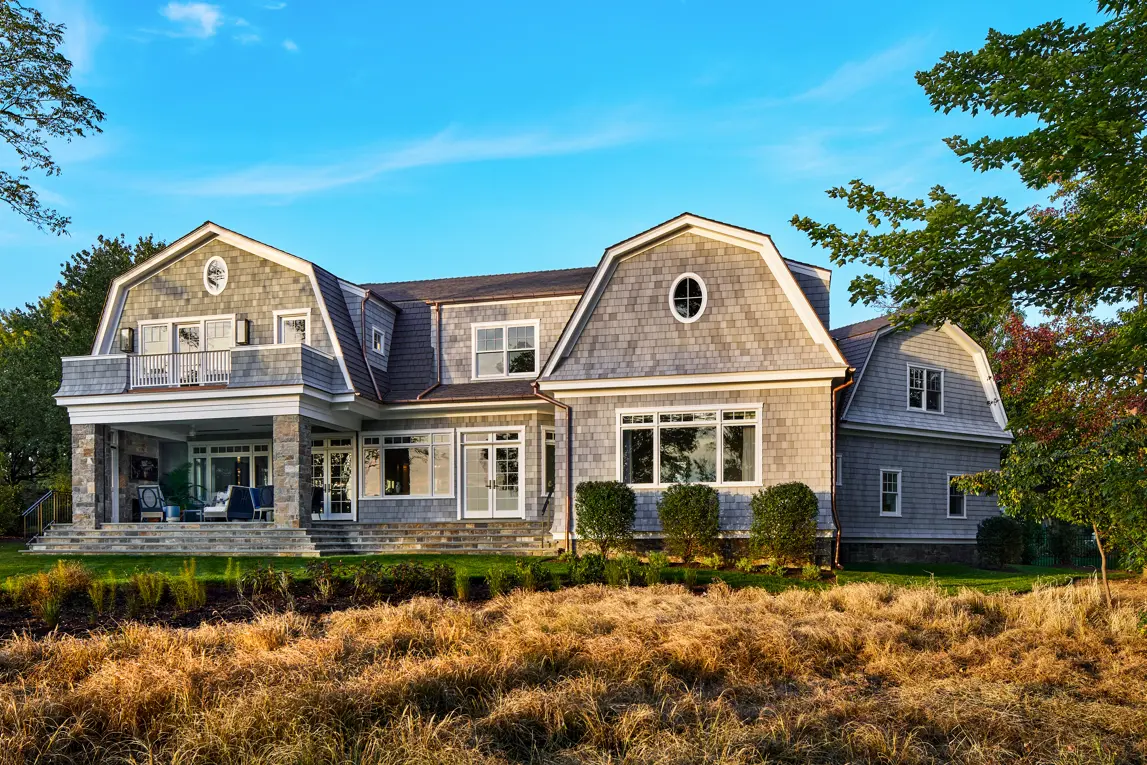
Few architectural landscapes in North America are as immediately recognizable as Cape Cod. The shingled cottages, the sloping rooflines, the silvered facades worn smooth by salt wind and decades of sun. Cedar shake siding has been woven into the Cape's identity since English settlers first began building along its shores in the 1600s, harvesting Atlantic white cedar from the peninsula's dense coastal forests to clad the modest, low-profile homes that would eventually define an entire American architectural style. Architectural historians at Historic New England have documented how the Cape Cod style, built largely on cedar's visual and structural properties, became one of the most imitated residential forms in the country.
Why Cedar Has Remained the Standard
Cedar's rich legacy in Cape Cod has carried directly into the present. Drive through Chatham, Wellfleet, or Dennis today and cedar shake remains the dominant exterior cladding choice across both historic and new construction. Real cedar shake carries a dimensional depth and organic irregularity that flat manufactured surfaces have long struggled to match. Each course of shingles has subtle variation in thickness, tone, and texture, and over time the material silvers into the muted, driftwood-grey patina that is as much a part of the Cape's visual character as the dunes and the harbour light. For homeowners building or renovating on the Cape, cedar shake signals craftsmanship, permanence, and a genuine connection to the region's architectural heritage. Historic preservation commissions across Barnstable County actively encourage its use, and many neighbourhood associations require or strongly prefer it. Cedar has outlasted nearly every alternative introduced over the past century through genuine aesthetic authority, and the demand for it shows no sign of fading.
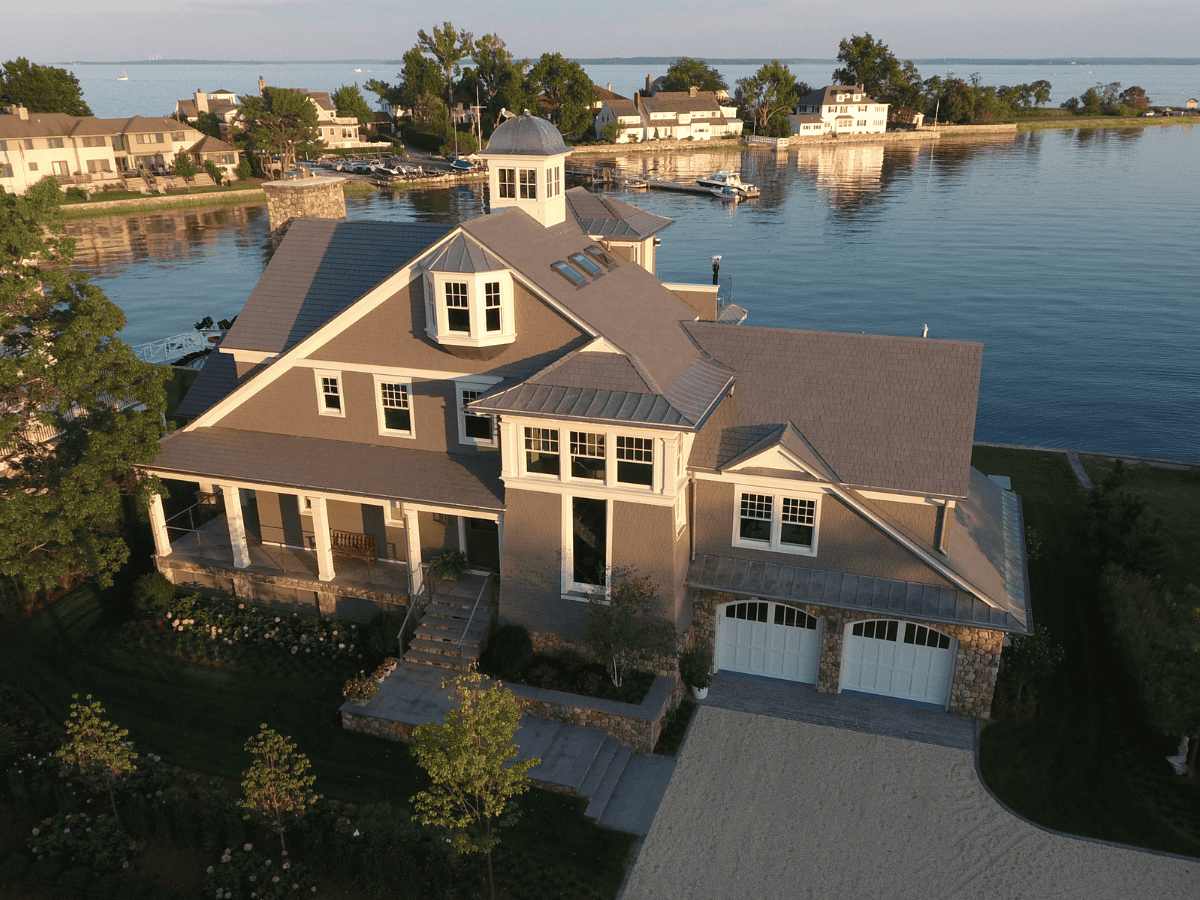
Cedar on the Cape: The Real Picture
Cedar shake on Cape Cod faces conditions that few other residential environments in the Northeast can match. Salt air, relentless humidity, hard winters, and intense summer UV exposure combine into a sustained assault on any exterior cladding, and cedar, as a porous and moisture-reactive material, bears the full weight of that exposure year after year.
Salt Air, Moisture, and the Maintenance Cycle
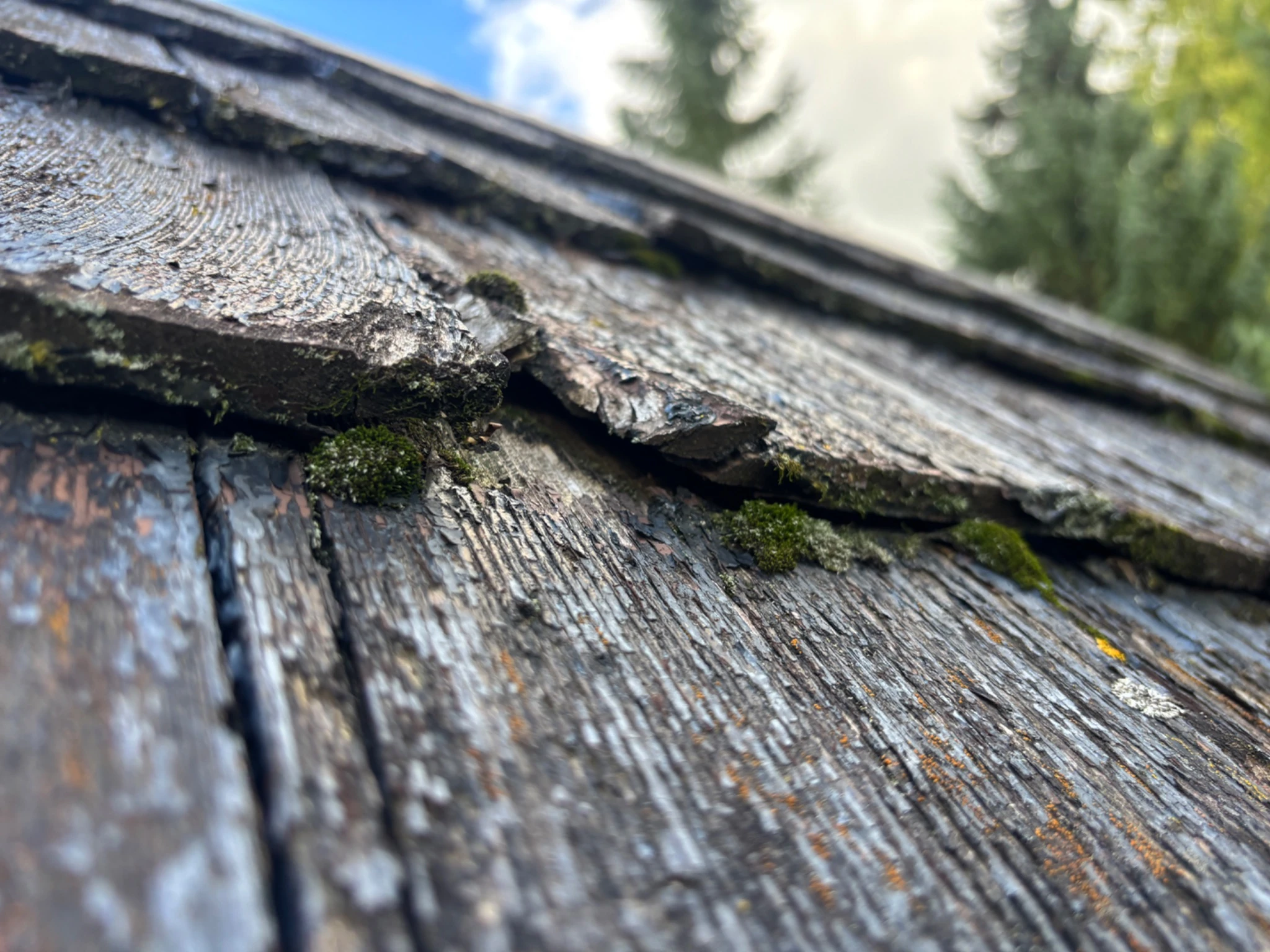
Salt air, persistent coastal humidity, freeze-thaw cycles, and intense summer UV exposure create conditions that accelerate cedar's natural deterioration far beyond what inland climates produce. Untreated cedar on the Cape will begin to show moisture damage, mold, and surface checking within a few years of installation. Maintaining structural integrity and preserving appearance requires chemical treatment or re-staining roughly every three to five years, a process that is neither inexpensive nor straightforward on a home with complex rooflines or difficult access.
Seasonal Vacancy and Neglect Windows
A large proportion of Cape Cod homes sit vacant for four to six months of the year. Cedar does its worst deteriorating during exactly those periods, when freeze-thaw cycling, moisture accumulation, and pest activity go unmonitored and unaddressed.
Insurance and Coverage Challenges
Cedar's lower fire rating and storm vulnerability increasingly make it difficult to insure at standard rates in coastal Massachusetts, where carriers have been tightening underwriting criteria for older and high-value homes.
Enviroshake: The Clear Synthetic Choice for the Cape
Real cedar is beautiful, but it presents a unique set of challenges on Cape Cod. That's where synthetic shake options like Enviroshake come in. Among the synthetic options available to Cape Cod homeowners, Enviroshake stands out for the depth of its third-party testing, the accuracy of its cedar profiles, and a track record in coastal New England installations that speaks for itself.
Connect with an Enviroshake Expert
Synthetic Shake on Cape Cod - A Modern Alternative
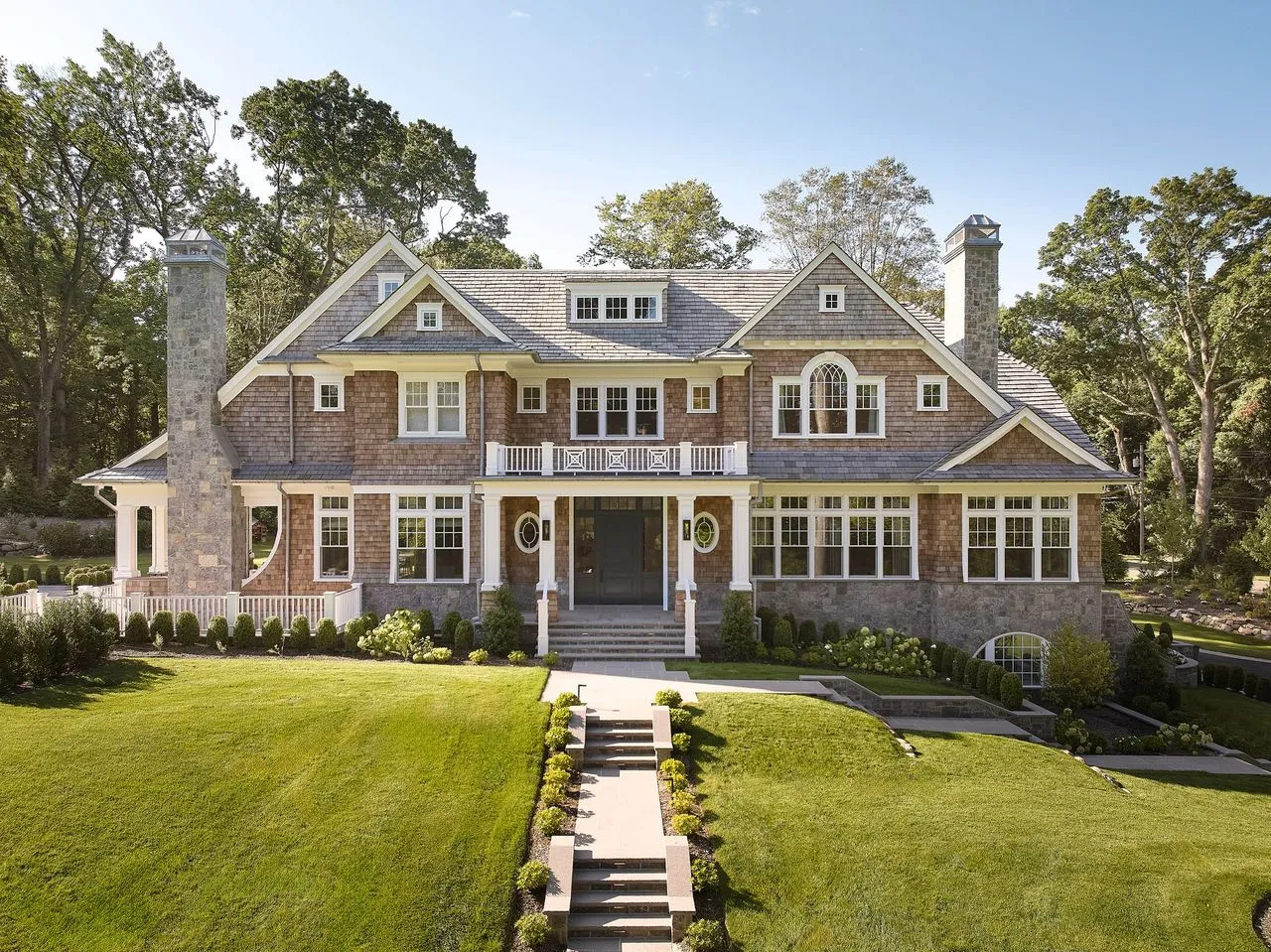
For homeowners who want the look of cedar without the maintenance cycle it demands on the Cape, synthetic shake has matured into a genuinely compelling alternative. The best products in the category are engineered from blends of recycled plastics, elastomers, and wood fibres, producing a shake profile that replicates the dimensional depth, tonal variation, and organic texture of real cedar with considerable accuracy. For a region where architectural authenticity is taken seriously, the visual fidelity of premium composite shake has reached a point where preservation consultants and historic district reviewers are increasingly accepting it as a suitable substitute.
Wind, Impact, and Storm Performance
The performance case for synthetic shake is particularly strong in a coastal environment. Leading products like Enviroshake are third party tested to resist winds up to 180 mph, a meaningful specification on a peninsula that absorbs nor'easters and tropical storm remnants on a seasonal basis. Impact resistance ratings at the UL 2218 Level 4 standard mean that hail and windborne debris that would split or dislodge cedar shingles leave composite shake intact. For a home on the Cape, where storm damage to exterior cladding is a recurring and expensive reality, that durability translates directly into lower long-term ownership costs.
Maintenance, Durability, and Coastal Resilience
Synthetic cedar does not absorb moisture, rot, warp, or cup, and it offers no food source or nesting habitat for the carpenter bees and boring insects that do consistent damage to cedar on the Cape. UV-stabilized colour formulations hold across decades of coastal sun exposure without retreatment. In a salt-air environment where cedar requires intervention every three to five years simply to maintain baseline condition, the maintenance differential is significant. For seasonal homeowners in particular, composite shake removes the risk of a deterioration window opening during months when the property sits unmonitored.
Fire Safety and Long-Term Value
Premium synthetic shake products carry Class A or Class C fire ratings, the highest classification available, with no ongoing chemical treatment required to maintain that status. In dense historic neighbourhoods where homes sit in close proximity, that rating carries real weight with insurers and should factor into any material comparison. Most reputable manufacturers also back their products with transferable lifetime warranties, which hold value in a real estate market like Cape Cod's where buyers are increasingly attentive to exterior maintenance histories.
A Material Engineered for Cape Cod
Cape Cod's architectural character is worth protecting, and the homes that define it deserve materials that can actually hold up to the environment they sit in. Enviroshake was developed with exactly that tension in mind: a product that honours the cedar shake tradition with genuine visual fidelity while delivering the structural resilience, fire safety, and coastal durability that real cedar increasingly cannot. For historic districts, waterfront properties, and seasonally vacant homes alike, it answers the specific demands of this peninsula in a way that no natural material currently can. If you are building, renovating, or are rethinking the maintenance cycle on your Cape Cod home, Enviroshake delivers exactly what real cedar promises but rarely sustains.
Request a free sample and see the difference for yourself.
Interested in learning more about Enviroshake products?
Contact us today to discuss your project and how we can help you achieve your design goals.