Is Cedar Shake a Sustainable Roofing Material?
Key Takeaways
- Cedar shake roofing can be an environmentally responsible choice, but its overall sustainability depends on responsible sourcing, maintenance requirements, and lifespan.
- A roof's environmental impact extends beyond the raw materials. Manufacturing, maintenance, replacement frequency, and end-of-life disposal all contribute to its lifecycle footprint.
- Long-lasting, low-maintenance roofing systems often reduce resource consumption and waste by requiring fewer repairs and replacements over time.
- Modern engineered roofing materials can improve sustainability by incorporating recycled content while delivering greater durability and lower maintenance requirements.
- The most sustainable roofing choice is one that performs well over decades, balancing durability, maintenance, energy performance, and environmental impact.
Cedar shake roofing can be an environmentally responsible roofing choice, but it is not automatically the most sustainable option. Its environmental impact depends on several factors, including how the cedar is harvested, how long the roof lasts, how much maintenance it requires, and how often it needs replacement. Looking only at the fact that cedar is a natural material tells only part of the story.
A roof's environmental footprint extends well beyond its raw materials. Manufacturing, transportation, maintenance, repairs, and disposal all contribute to its overall impact. For that reason, sustainability is best evaluated over the entire lifespan of the roof rather than at the point of installation.
This guide explains where cedar shake roofing performs well from an environmental perspective, where its limitations become apparent, and how it compares with modern engineered roofing materials.
What Makes a Roofing Material Sustainable?
No single characteristic determines whether a roofing material is environmentally friendly. A natural material is not always the most sustainable choice, and a manufactured product is not necessarily the least. The most environmentally responsible roofing systems reduce resource consumption and waste over their entire service life.
Several factors influence a roof's environmental impact. The source of its raw materials matters, but so do manufacturing methods, transportation, expected lifespan, maintenance requirements, and end-of-life disposal. Together, these determine how many resources the roof consumes over decades of use.
For homeowners, this means looking beyond the initial installation. A roof that lasts longer, requires fewer repairs, and generates less waste may have a lower overall environmental impact than one made from renewable materials that requires more frequent replacement.
Are Renewable Roofing Materials More Sustainable?
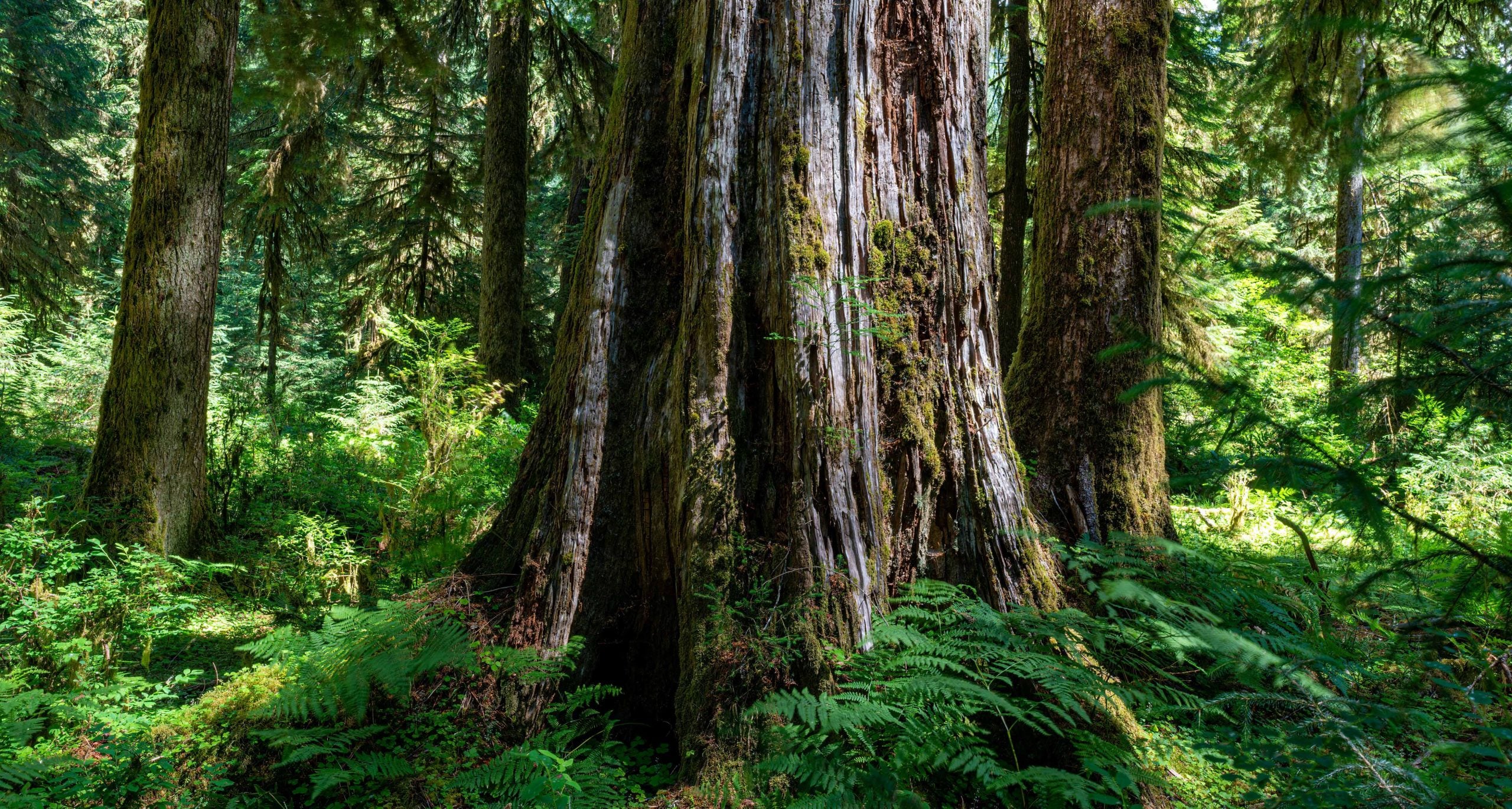
One advantage of cedar is that it comes from a renewable resource. When forests are managed responsibly and harvested sustainably, new trees replace those that are removed, allowing the resource to regenerate over time.
Manufactured roofing products often rely on non-renewable raw materials or energy-intensive production. At the same time, many modern composite roofing systems incorporate recycled plastics, elastomers, and other reclaimed materials that reduce demand for virgin resources. The material itself is only one part of the sustainability equation; responsible sourcing and efficient manufacturing are equally important.
Does Roof Lifespan Affect Sustainability?
A roof's lifespan has a direct impact on its environmental footprint. Every replacement requires new raw materials, manufacturing, transportation, and installation while generating construction waste from the roof being removed. Roofing systems that remain in service for decades reduce those repeated demands. Fewer replacements mean fewer resources consumed over the life of a home and less material entering the waste stream. For this reason, durability has become one of the most important measures of long-term sustainability.
Why Does Recyclability Matter?
Recyclability reduces waste and helps conserve raw materials. Some roofing materials can be recycled or repurposed after removal, while others are sent directly to landfill. Products made with recycled content also reduce demand for new raw materials during manufacturing. When evaluating sustainability, homeowners should consider both how a roof is made and what happens to it when its service life ends.
Environmental Benefits of Cedar Shake Roofing:
Cedar comes from a renewable resource, provides natural insulation, and is biodegradable at the end of its service life. These characteristics have made cedar a popular choice for homeowners looking to reduce the environmental impact of their homes. At the same time, these benefits depend on responsible forestry, local climate, and how the roof is maintained over its lifespan. Like most building materials, cedar performs best when viewed as part of its entire lifecycle rather than through a single characteristic.
Is Cedar Shake a Renewable Roofing Material?
Yes. Cedar is a renewable roofing material when it comes from responsibly managed forests.
Unlike finite raw materials, cedar can be replenished through sustainable forestry practices. Responsible harvesting helps maintain healthy forests while ensuring future supplies of timber. Homeowners who prioritize sustainability should look for cedar products sourced from well-managed forests rather than assuming all cedar products have the same environmental impact.
Does Cedar Provide Natural Insulation?
Yes. Cedar naturally slows heat transfer, which can contribute to improved energy efficiency.
The cellular structure of cedar contains small air pockets that help reduce heat movement through the roof. This can help moderate indoor temperatures when combined with proper attic insulation and ventilation. While roofing material is only one factor affecting energy performance, cedar offers better natural insulation than many roofing materials.
Is Cedar Shake Biodegradable?
Yes. Natural cedar is biodegradable and breaks down differently than many manufactured roofing materials.
This can reduce long-term landfill waste after the roof reaches the end of its service life. However, many cedar roofs are treated with preservatives, stains, or fire-retardant products during their lifespan. Those treatments may affect disposal options and should also be considered when evaluating the roof's overall environmental impact. Although cedar's inevitable biodegradation is a plus for sustainability, this natural breakdown means a shorter roof lifespan.
Environmental Challenges of Cedar Shake Roofing:
Cedar shake roofing is not environmentally friendly in every situation. Its long-term sustainability depends on how well it withstands the local climate and how much maintenance it requires throughout its lifespan. In regions where cedar deteriorates more quickly or requires frequent upkeep, its environmental footprint increases as additional materials, treatments, and repairs become necessary.
These factors do not outweigh cedar's environmental benefits, but they should be considered alongside them when comparing roofing materials.
Is Old Growth Cedar Sustainable?
Not always. High-quality cedar shakes have traditionally been produced from old-growth Western Red Cedar because it offers exceptional durability, straight grain, and natural resistance to decay. Old-growth forests, however, take centuries to develop and cannot be replaced within a human lifetime.
Today, much of the industry relies on second-growth cedar, while old-growth harvesting remains tightly regulated in many regions. Responsibly managed forestry has improved the sustainability of cedar production, but the supply of premium cedar remains limited. As demand continues, homeowners should consider where the wood was harvested and whether it comes from certified, sustainably managed forests.
Does Cedar Roofing Use More Natural Resources Over Time?
It often can. Unlike engineered roofing materials that are manufactured to deliver consistent long-term performance, cedar naturally weathers throughout its lifespan. Individual shakes may need replacement, and many roofs require periodic treatments or maintenance to slow deterioration.
Those ongoing repairs consume additional wood, transportation, and maintenance products over the life of the roof. While each repair may be relatively small, the cumulative resource use becomes part of the roof's environmental footprint.
Can a Shorter Roof Lifespan Reduce Sustainability?
Yes. A roof that requires replacement sooner consumes more resources over the life of a home. Every replacement requires new raw materials, manufacturing, transportation, installation, and disposal of the existing roof.
Cedar roofs can provide decades of service when properly installed and maintained, but their lifespan varies considerably depending on climate and maintenance. In harsh environments, moisture, UV exposure, insects, and freeze-thaw cycles can accelerate deterioration, increasing the likelihood of repairs or earlier replacement. From a sustainability perspective, replacing one roof twice instead of once has a measurable environmental cost.
Considering a Cedar Roof Replacement?
Whether you're planning a new build or replacing an aging cedar roof, choosing the right roofing material is one of the most important decisions you'll make for your home. Discover how Enviroshake combines the authentic beauty of cedar with industry-leading sustainability, exceptional durability, and virtually maintenance-free performance.
Cedar Shake Roofing vs. Enviroshake: Which Is More Sustainable?
Cedar relies on a renewable natural resource, while Enviroshake focuses on reducing lifecycle impact through recycled materials, long-term durability, and lower maintenance requirements. Neither approach is defined by a single characteristic. The more sustainable roofing system is often the one that consumes fewer resources over its entire service life.
Does Enviroshake Use Recycled Materials?
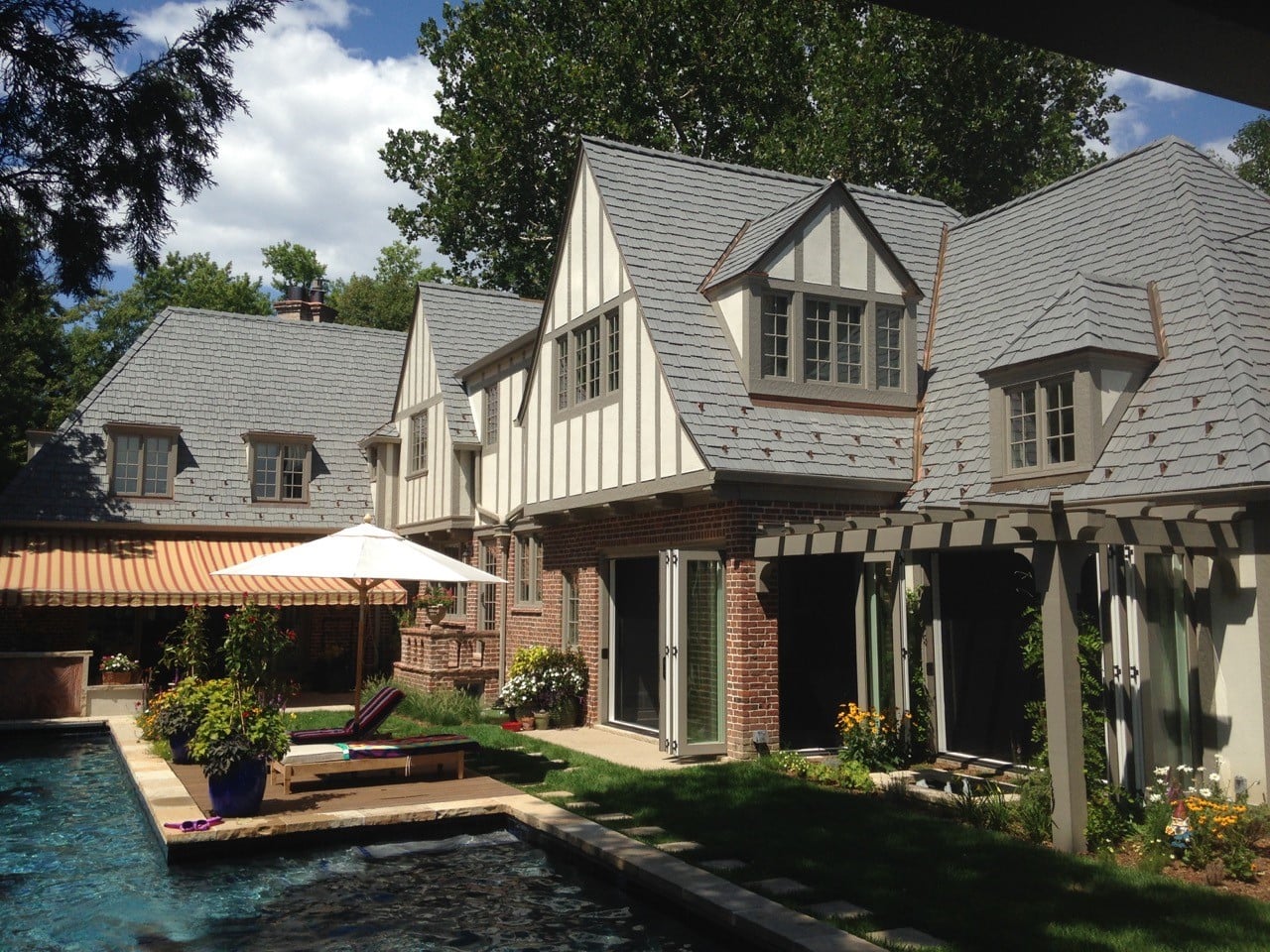
Yes. Enviroshake is manufactured using 95% recycled materials, including recycled post industrial plastics, elastomers, and cellulose fibre.
Using recycled materials reduces demand for virgin polymers while diverting waste from landfill. Instead of harvesting new resources, Enviroshake gives existing materials a second life.
Does Enviroshake Last Longer Than Cedar?
Yes. Natural cedar can provide decades of service, but its lifespan depends heavily on climate, maintenance, and weather exposure. Moisture, UV radiation, insects, and freeze-thaw cycles all affect how quickly the wood deteriorates. Enviroshake is engineered to resist moisture, rot, insects, cracking, and UV degradation. A longer-lasting roof requires fewer replacements, reducing material consumption and construction waste over time.
Does Enviroshake Require Less Maintenance?
Yes. Natural cedar typically requires regular inspections and may require cleaning, preservative treatments, or individual shake replacement throughout its lifespan. Enviroshake requires significantly less routine maintenance because it does not absorb moisture like natural wood. Reducing maintenance also reduces the materials, labour, and products needed to keep the roof performing over time.
How Homeowners Can Make More Sustainable Roofing Choices
The most sustainable roof is often the one that lasts the longest with the least maintenance. While renewable materials and recycled content both contribute to environmental performance, a roof's overall impact depends on its entire lifecycle. A durable roofing system reduces the need for replacement, conserves raw materials, generates less construction waste, and limits the resources required for repairs and ongoing maintenance. Proper installation also plays an important role, as even the highest-quality roofing material will fall short if it fails prematurely due to poor workmanship. When comparing roofing options, homeowners should evaluate lifespan, maintenance requirements, installation quality, and lifecycle performance rather than focusing on a single environmental claim.
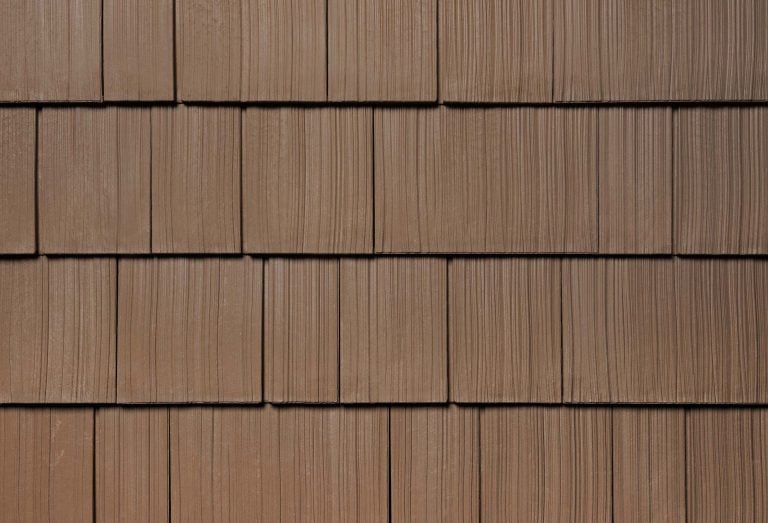
Request an Enviroshake Sample
Natural cedar remains a sustainable choice when it is responsibly sourced and properly maintained, but it is no longer the only option for homeowners who value environmental performance. Modern composite roofing systems can reduce lifecycle resource consumption by combining recycled materials with long service lives and minimal maintenance requirements.
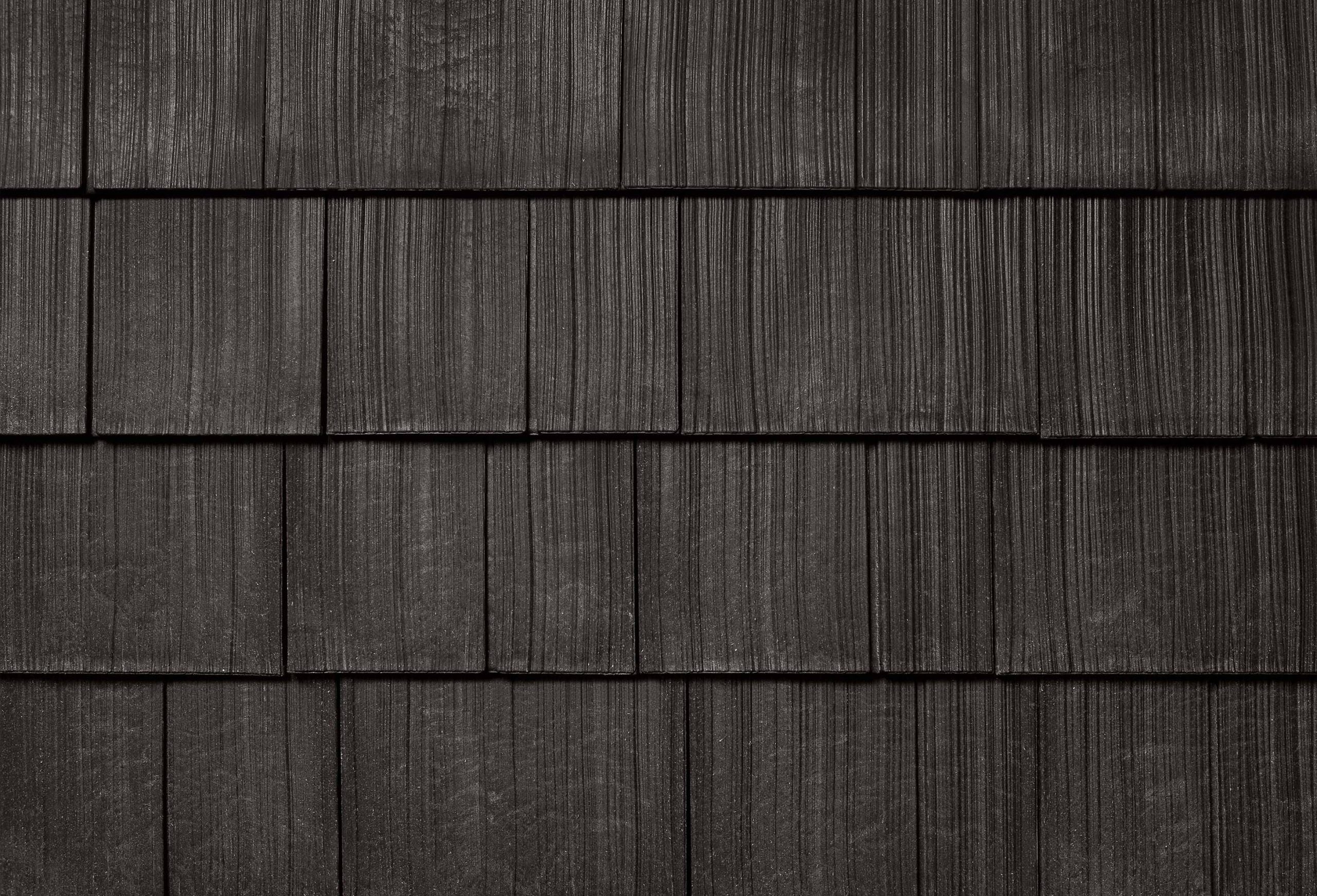
If you're comparing sustainable roofing materials, request an Enviroshake sample to see how engineered composite roofing delivers the appearance of natural cedar while helping reduce maintenance, replacement frequency, and material waste over the life of the roof.