I Have an Aging Cedar Roof. Should I Replace It With Cedar Again?
Key Takeaways
- Cedar is often inherited with a home, not chosen for its performance.
- Aging cedar comes with real maintenance costs: chemical treatments, moss, splitting, and curling shakes.
- Insurance and labor costs are climbing for cedar roofs in many markets.
- Engineered synthetic shakes now replicate cedar's look while solving its maintenance and durability issues.
A Timeless Roofing Material
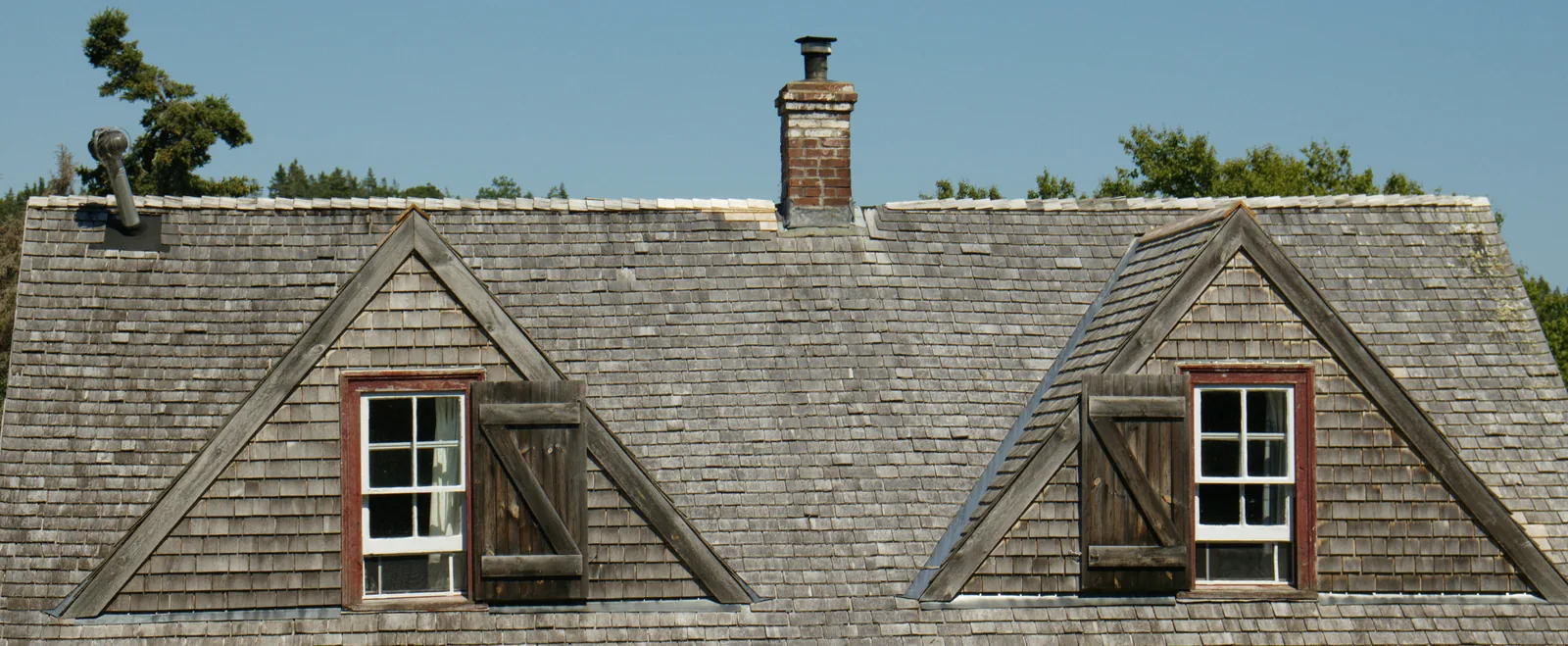
Drive through almost any established neighborhood and the pattern quickly becomes apparent; street after street, house after house, cedar roofs define the landscape. While that level of consistency might suggest homeowners are intentionally choosing the same roofing material, the reality is often much simpler.
For many, the cedar roof came with the home. It may be the original roof installed decades ago or a replacement completed years later because cedar was simply the standard choice at the time. When a cedar roof eventually reaches the end of its lifespan, homeowners often replace it with cedar again, not because they've carefully weighed the alternatives, but because it matches the surrounding homes, complements the character of the neighborhood, and feels like the natural choice.
In many cases, that decision is rooted more in familiarity and convention than performance. A roof that's always been cedar isn't necessarily the roof that's best suited to today's expectations for durability, maintenance, and long-term value.
How Did Cedar Become the Default?
Cedar has a timeless aesthetic; its grain, texture, and characteristic weathering to a soft silver hue have historically been associated with fine craftsmanship and traditional architecture. In many communities, it’s a look that has been solidified for generations through HOA requirements or a shared aesthetic sense within the neighborhood.
While this aesthetic legacy is real, it shouldn't be confused with performance. The height of cedar's visual dominance was before the era of sophisticated synthetic materials that can mimic its look. However, the tradition of reroofing with cedar out of sheer habit has largely continued.
What Challenges Come with an Aging Cedar Roof?
If your cedar roof is 15, 20, or 25 years old, you already know some of this from firsthand experience.
Warping, Rot & Moss
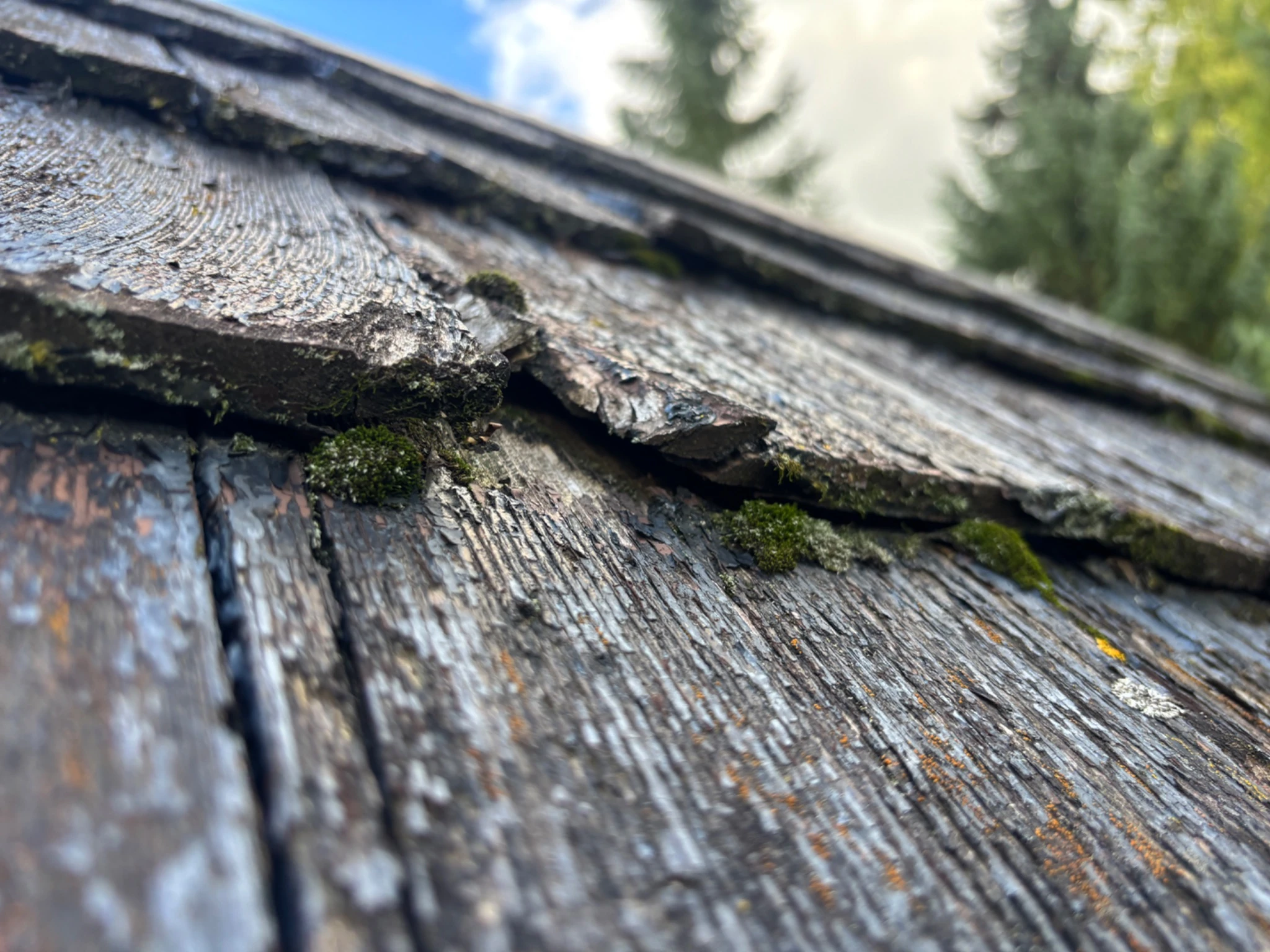
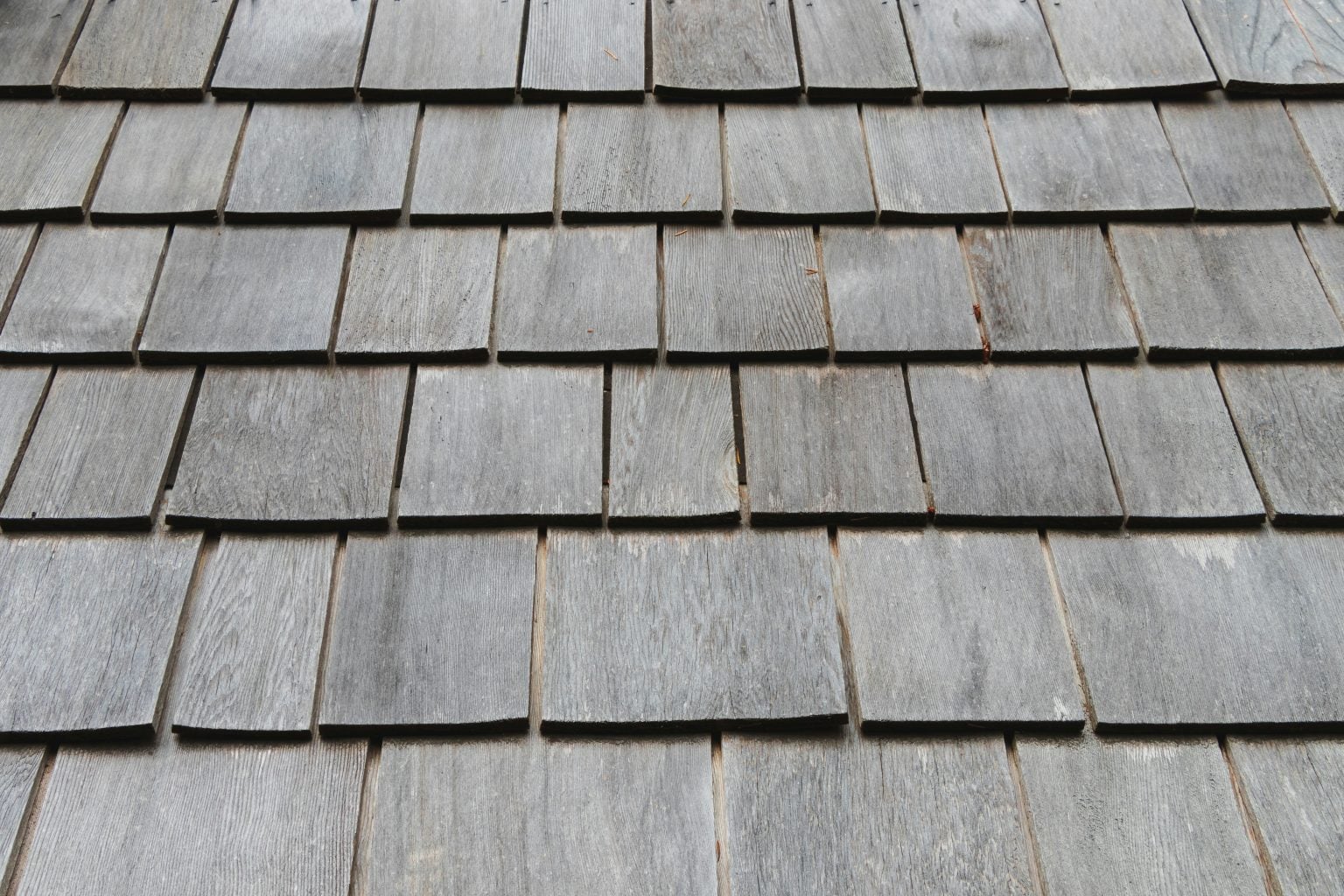
Cedar shakes and shingles are inherently absorbent. As they are repeatedly exposed to moisture cycles of freezing, thawing, high humidity and direct sunlight, they can split, cup and curl. Moss and algae growth is very common in shaded or damp areas and if not treated, can contribute to rot.
Consistent Maintenance
Keeping cedar looking and performing the way it did when it was installed takes consistent chemical treatments to guard against moisture, UV exposure, and biological growth.
Even homeowners who stay on top of that maintenance schedule aren't fully protected. Treatments slow the aging process, but they don't stop it. Cedar still loses its original color and texture over time, and the structural performance of the shakes still degrades year over year. Eventually the roof reaches a point where no amount of treatment restores it to how it looked or performed when it was new, and a full reroof becomes the only real option.
Insurance and Cost-Related Challenges
Insurance is another consideration many homeowners don’t think about until renewal day. Cedar has varied fire and impact classifications depending on the treatments and installation, and in regions prone to wildfires, it can lead to higher premiums or more intense scrutiny. Add the increased labor costs of finding specialized cedar installers, which can be difficult in many areas, and the expense of a cedar replacement can quickly surpass initial expectations.
You Inherited Cedar. You Don't Have to Reroof With It
Most homeowners never actually chose cedar, they just kept what came with their house when they bought or inherited it. Engineered synthetic shakes like Enviroshake are designed to deliver the look homeowners have valued about cedar for generations, without carrying forward the same maintenance and performance tradeoffs.
Connect with an Enviroshake Expert
My Cedar Roof is Old. What Should I Reroof With?
This is often the real question behind the search. While homeowners may initially type “cedar roof replacement” or “cedar shake alternatives,” their underlying goal is to find a roofing material that meets their needs without the ongoing headaches of cedar. The best answer depends entirely on what you originally valued about cedar. If it was strictly the appearance, that can be achieved without the recurring maintenance, chemical treatments, and potential insurance challenges. Today’s engineered synthetic shakes are remarkably realistic, offering minimal visual differences compared to real cedar.
What to Look For in a Cedar Alternative?
The typical homeowners looking for cedar replacements want to replicate the aesthetic warmth it provides without its demanding maintenance, short lifespan, and other drawbacks. This is where engineered synthetic cedar roofing has truly excelled.
How Does Synthetic Shake Compare to Real Cedar?
While individual manufacturer comparisons and third-party reviews should be carefully considered, the general industry shift is towards synthetic products designed to overcome cedar’s limitations.
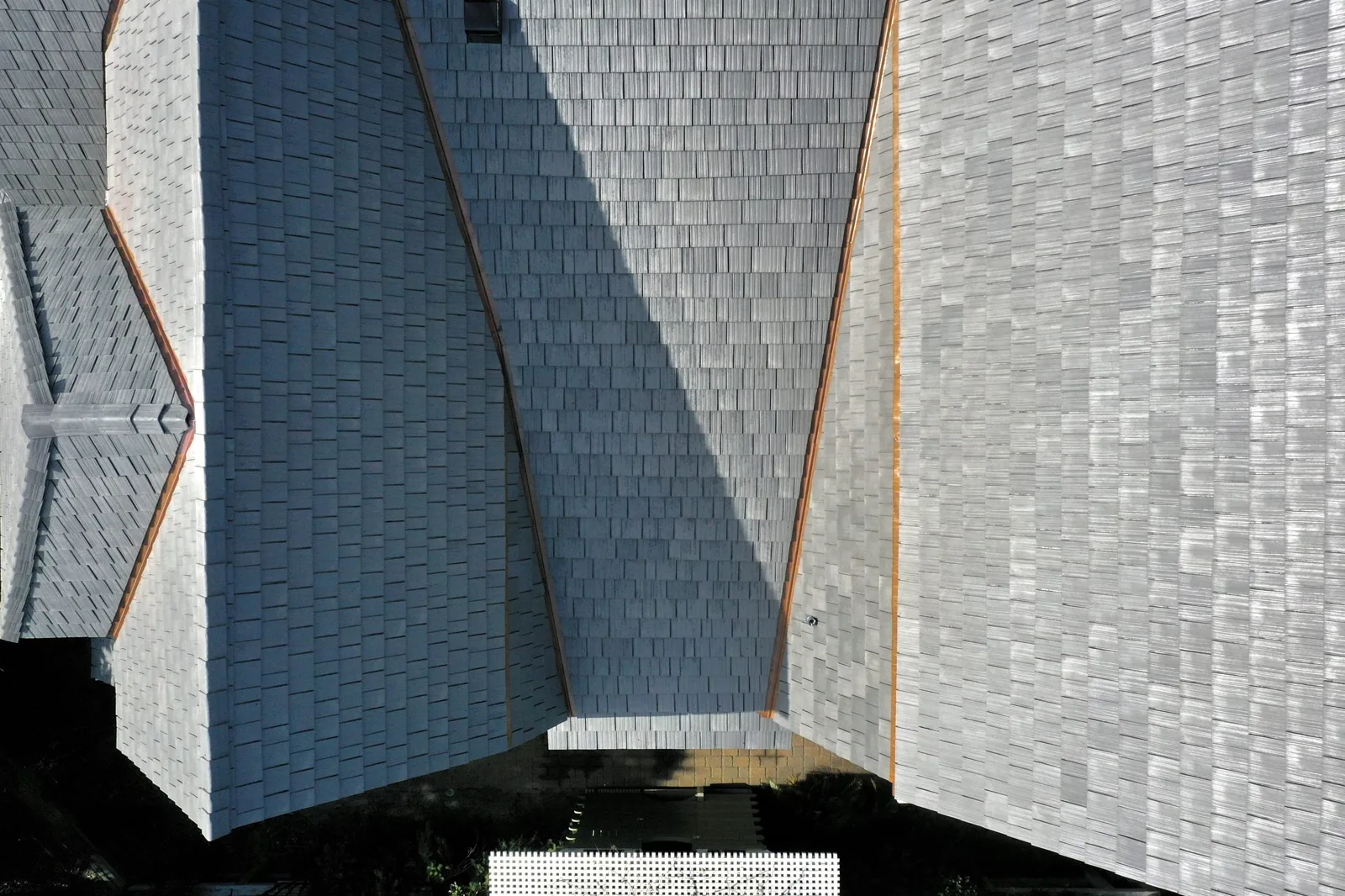
- Authentic look, minimal maintenance: The highest quality synthetic shakes are manufactured from authentic taper-sawn cedar profiles, meticulously replicating the natural grain and shadow lines of genuine wood. The result is a texturally rich roofing material with beautiful tonal variation and none of cedar's maintenance demands.
- Superior weather resistance: Synthetic roofing, such as Enviroshake, undergoes rigorous third party testing and is engineered to withstand extreme weather conditions, including wind speeds up to 180 mph, and carries a Class A fire rating, performance metrics cedar typically cannot achieve without extensive treatment.
- Impact resistant, potentially better insurance rates: Many engineered cedar products boast an impact rating of Class 4, which can be a factor in reducing insurance premiums in areas prone to hailstorms or severe weather. This is definitely worth inquiring about with your insurance provider.
- Peace of mind with strong warranties: Composite roofing manufacturers often back their products with lifetime warranties, indicating a high degree of confidence in their longevity and durability. For example, Enviroshake offers a fully-transferable 50 year lifetime warranty.
Can A Synthetic Cedar Roof Improve My Home's Value?
Yes. Realtors widely agree that a maintenance-free roofing material with a premium, elevated aesthetic is a significant selling point. With homeowners increasingly aware of the long-term costs and labor associated with maintaining cedar, a roof that eliminates these burdens is a strong asset. Homeowners who reroof with Enviroshake can expect to recoup an estimated 70 to 80 percent of the project cost in added home value, making premium synthetic roofing a valuable investment in your home for years to come.
Should You Stick With Cedar for Your Next Roof?
If your primary motivation is to match what's currently on your neighbors' homes, cedar will undoubtedly achieve that. However, if your priority is a roof that not only looks authentic but also offers peace of mind through its low maintenance, moisture resistance, and durability, exploring engineered synthetic cedar is a smart next step. It's worth seeing what a more resilient, low maintenance option could look like on your own home before defaulting to the roof you inherited.
The Aesthetic You Want, Without the Tradeoffs
Cedar's reputation is well earned. The craftsmanship, the character, the sense of tradition it brings to a home, none of that is in question. What's changed is that you no longer have to accept the moisture issues, the ongoing treatments, or the gradual decline in performance to get that look.
Enviroshake replicates the natural grain, texture, and tonal variation of authentic cedar, backed by the durability and low maintenance homeowners have been looking for all along. It's the aesthetic you value, built to actually last.
Interested in learning more about Enviroshake products?
Contact us today to discuss your project and how we can help you achieve your design goals.