How Does Cedar Shake Compare to Other Roofing Materials?
Key Takeaways
- The right roof depends on your budget, local climate, maintenance expectations, architectural style, and how long you plan to own the home.
- Cedar shake remains a benchmark for natural beauty, but maintaining its appearance and performance requires ongoing care that many homeowners underestimate before installation.
- Premium roofing should be evaluated over its entire lifespan, not just its installation cost. Maintenance, repairs, expected service life, insurance considerations, and replacement frequency all contribute to long-term value.
- Modern composite roofing preserves the architectural appeal of cedar while addressing many of natural wood's long-term maintenance and durability challenges.
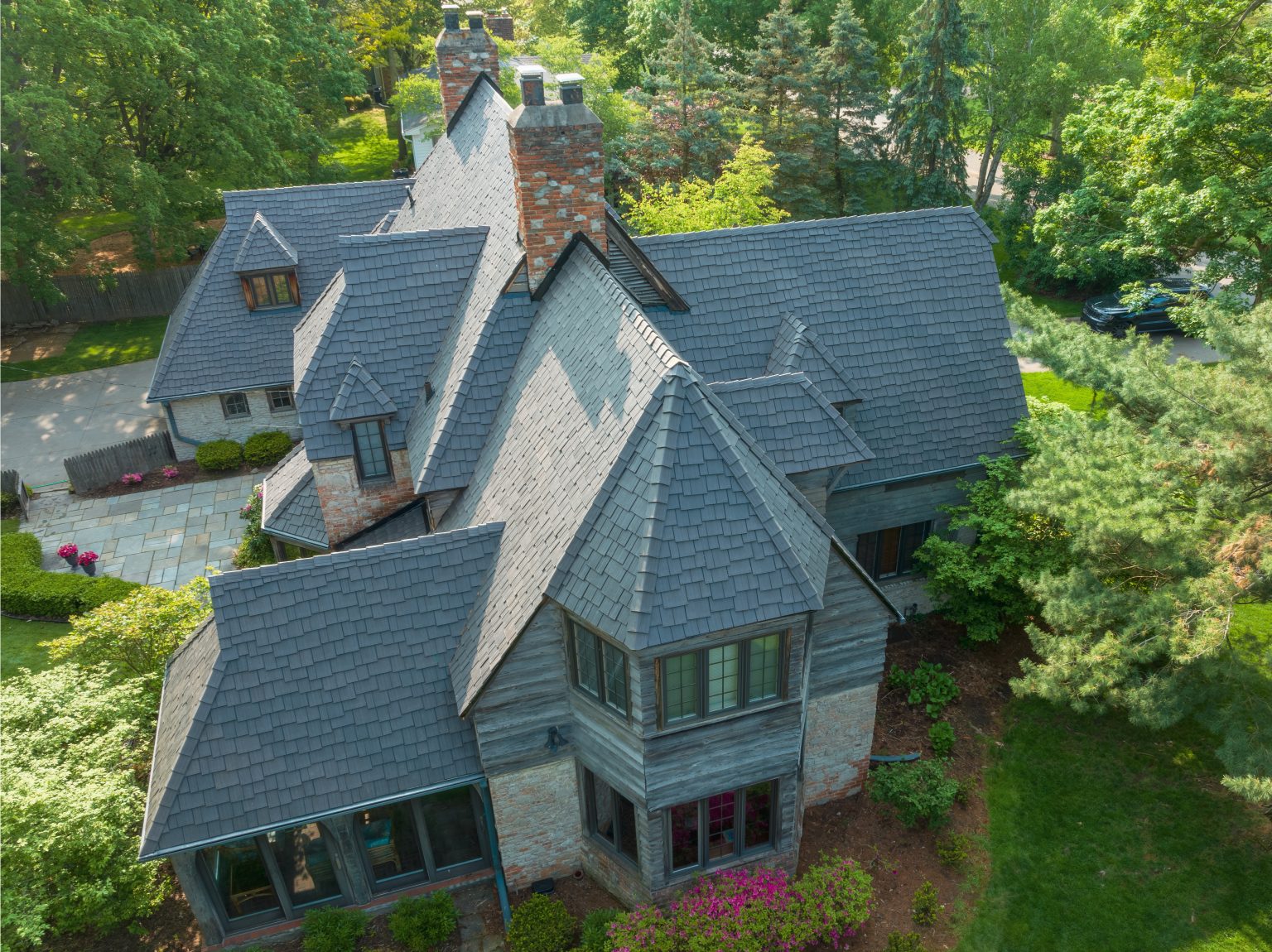
For generations, cedar shake roofing has been considered one of the most distinctive roofing materials available. Its natural texture, rich color variation, and handcrafted appearance have made it a defining feature on everything from lakeside cottages to luxury custom homes.
Appearance, however, is only one part of choosing a roof. Every roofing material involves tradeoffs involving maintenance, longevity, weather resistance, installation, and lifetime ownership costs. A roof that performs exceptionally well in one climate may require significantly more upkeep in another, while a lower-cost material may carry higher replacement costs over the life of the home.
This guide compares cedar shake roofing with asphalt shingles, metal roofing, and modern synthetic roofing systems to help homeowners understand where each material excels. Whether your priority is preserving architectural character, reducing maintenance, or maximizing long-term value, understanding how these roofing materials differ makes it easier to choose the right roof for your home.
What Makes Cedar Shake Roofing Unique?
Long before engineered roofing materials became available, cedar established itself as one of the premium choices for residential roofing. Few materials offer the same warmth and texture as real wood, and a properly installed cedar roof can become one of the defining architectural features of a home.
Cedar's reputation was built on more than appearance alone. Wood naturally provides insulating properties, individual shakes create visual depth that flat roofing materials cannot replicate, and every roof develops its own unique character as it weathers over time.
Those qualities continue to make cedar attractive today, but homeowners should also understand how natural wood behaves after years of exposure to changing weather conditions. Unlike manufactured roofing products, cedar continues to react to moisture, sunlight, temperature fluctuations, and biological growth throughout its service life. The extent of those changes depends heavily on climate, maintenance practices, and installation quality.
Why Do Homeowners Love the Look of Cedar?
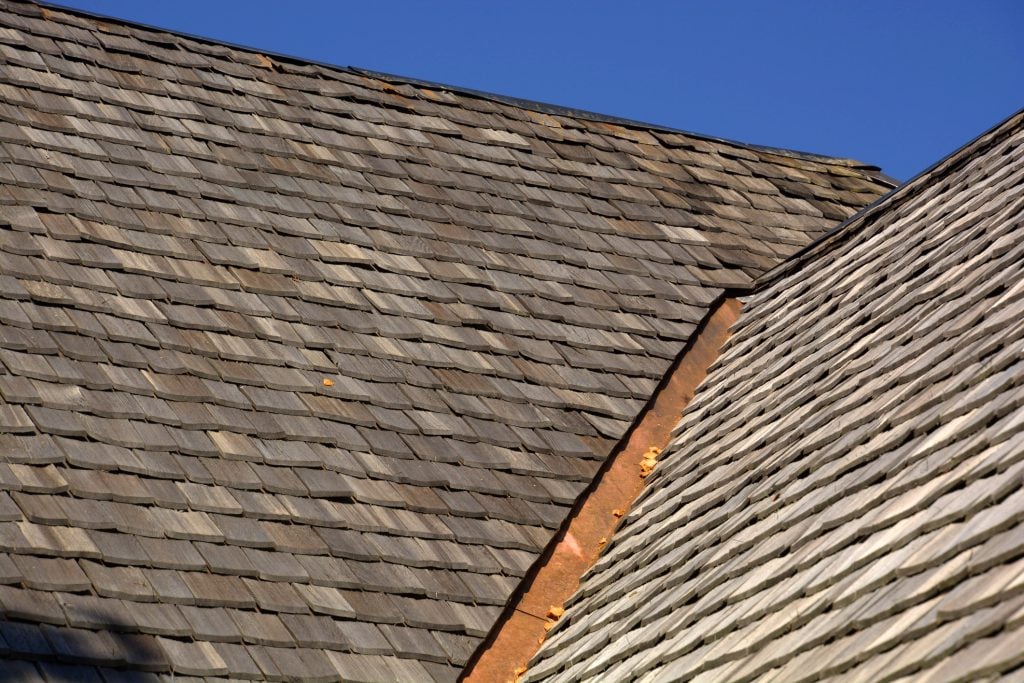
Cedar's greatest strength has always been its appearance. Each shake varies slightly in grain, thickness, and texture, creating a roof with natural depth that complements traditional, Craftsman, Cape Cod, Tudor, and cottage-style architecture particularly well.
Fresh cedar starts out warm, with golden or reddish-brown tones that most homeowners find appealing right away. Over the first several years, sun and moisture work that color toward a soft silver-grey patina, a transformation many people actually like and even choose cedar for. Past that point, though, the aging process doesn't stop. Continued exposure eventually brings changes that are harder to appreciate: cupping, splitting, surface checking, and uneven color patches as some shakes weather faster than others. Cedar's look is never static.
Is Cedar Shake Roofing Durable?
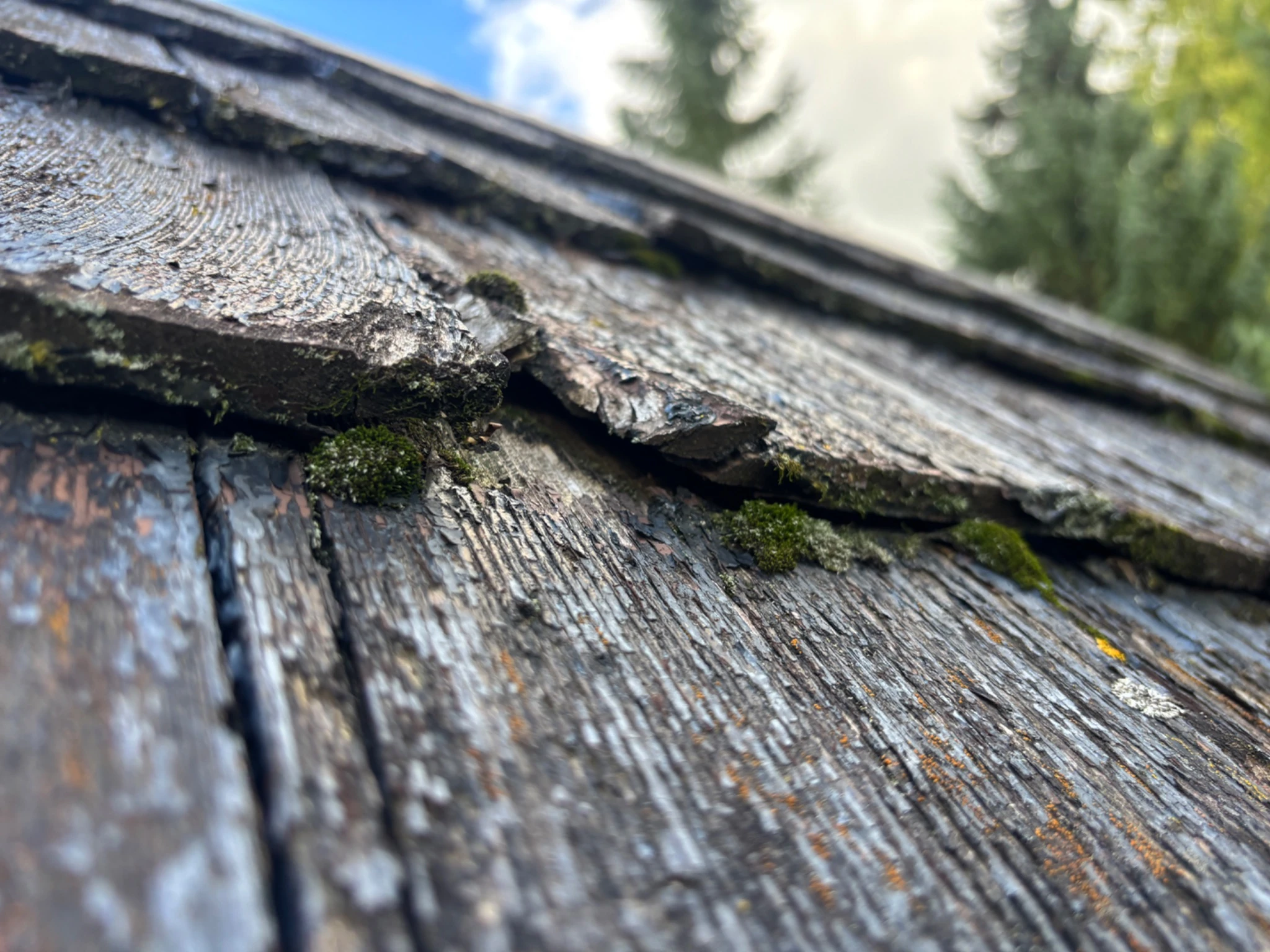
Natural cedar is not as durable as engineered roofing products, requiring regular maintenance. Over time, exposure to moisture can encourage moss, algae, and fungal growth, particularly in shaded or humid environments. Individual shakes may split as they expand and contract through repeated wet and dry cycles, while prolonged UV exposure gradually dries the wood's natural oils. Regular inspections, cleaning, and replacing damaged shakes all become part of maintaining cedar's appearance and performance. Service life varies considerably. Climate, ventilation, roof pitch, installation quality, and maintenance all influence how long a cedar roof performs as intended. Two cedar roofs installed the same year can age very differently depending on their environment.
How Does Climate Affect the Lifespan of Cedar Roofing?
Climate plays one of the largest roles in cedar's long-term performance.
In regions with frequent rainfall or high humidity, cedar remains exposed to moisture for longer periods, increasing the likelihood of biological growth and weathering. In colder climates, repeated freeze-thaw cycles place additional stress on the wood as absorbed moisture expands and contracts. Hot, sunny climates introduce a different challenge, with prolonged UV exposure gradually drying and aging the material.
Proper roof design, ventilation, and routine maintenance help reduce these effects, but they cannot eliminate the fact that cedar is a natural material. Every season leaves its mark, and those changes accumulate over decades of exposure.
Cedar Shake vs. Other Roofing Materials at a Glance
Summary: Cedar shake roofing offers timeless beauty and natural character but requires regular maintenance. Asphalt shingles provide an economical solution, while metal roofing delivers exceptional longevity and weather resistance. Synthetic composite roofing combines the appearance of cedar with outstanding durability, low maintenance, and long-term performance, making it an increasingly popular alternative.
Cedar Shake vs. Asphalt
Asphalt shingles remain the most common residential roofing material in North America, largely because they provide an affordable, dependable roofing system for a wide range of homes. Cedar shake roofing occupies a different part of the market, appealing to homeowners who place greater value on architectural character and natural materials. For homeowners comparing the two, the conversation usually comes down to three factors: upfront investment, long-term ownership costs, and appearance.
Is Cedar Shake More Expensive Than Asphalt?
Yes. Asphalt shingles always carry the lower initial installation cost: the materials are widely available, installation is familiar to most roofing contractors, and projects can typically be completed more quickly than premium roofing systems.
Cedar shake roofing represents a larger investment from the outset. Individual shakes require more precise installation, experienced craftsmanship, and additional labor to achieve the finished appearance cedar is known for. Because cedar is a natural material, installers must also account for variations in thickness, grain, and individual pieces throughout the installation. Looking only at the initial project cost, asphalt is the more economical option. Many homeowners, however, find it worthwhile to evaluate the total cost of ownership rather than focusing exclusively on installation day.
How Long Does Asphalt Roofing Last Compared to Cedar Shake Roofing?
Modern architectural asphalt shingles typically last between 15 and 30 years depending on product quality, climate, ventilation, installation quality, and exposure to severe weather. They require relatively little routine maintenance beyond periodic inspections and replacing damaged shingles after severe weather. Their service life depends on product quality, local weather conditions, roof ventilation, and sun exposure, but most homeowners should expect replacement sooner than they would with many premium roofing materials.
Cedar follows a different ownership cycle. Natural wood requires ongoing care to maintain both its appearance and performance. Depending on the climate, homeowners may periodically remove moss or algae, replace damaged shakes, clean accumulated debris, and monitor areas where prolonged moisture exposure can accelerate deterioration. Many cedar roofs perform well for decades when properly maintained, but maintenance is part of owning a natural wood roof rather than an occasional consideration. Homeowners who enjoy preserving the character of natural materials often view this upkeep as worthwhile, while others prefer roofing systems that require less ongoing attention.
Why is Cedar More Aesthetically-Pleasing Than Asphalt?
Even the highest-quality architectural shingles cannot fully recreate the depth, texture, and natural variation found in genuine cedar shakes. Individual wood shakes catch light differently throughout the day, creating subtle shadows and texture that give the roof dimension from the street. Asphalt has evolved considerably over the past two decades. Premium architectural shingles now offer deeper profiles, larger format designs, and a broad range of colors that work well across traditional and contemporary homes. For many homeowners, these improvements provide an attractive balance between appearance and affordability. For those specifically seeking the timeless look of cedar, however, natural wood continues to set the standard that other roofing materials attempt to emulate. The challenge has never been appearance. It has always been preserving that appearance while managing the maintenance and weathering that naturally accompany real wood.
Cedar Shake vs. Metal
Metal roofing has become increasingly popular over the past two decades, particularly in regions prone to severe weather and among homeowners looking for a long-lasting roofing system. While cedar and metal are both considered premium roofing materials, they appeal to different priorities. Cedar is often selected for its warmth, texture, and traditional architectural character. Metal roofing emphasizes clean aesthetics, weather resistance, and minimal maintenance. Both can deliver decades of performance when properly installed, but they achieve that performance in very different ways.
Is Metal More Durable Than Cedar Shake?
Yes. Metal roofing has earned its reputation for durability by performing exceptionally well in demanding weather conditions. Properly installed systems readily shed rain and snow, resist moisture-related deterioration, and are not susceptible to rot or insect damage. Many metal roofing products also offer excellent resistance to high winds and can withstand decades of exposure with relatively little change in performance. Metal, however, is susceptible to dent upon impact from heavy objects.
Cedar responds differently because it is a natural material. Wood expands and contracts as environmental conditions change, and prolonged exposure to moisture, intense sunlight, or repeated freeze-thaw cycles gradually affects its condition. Proper ventilation, quality installation, and routine maintenance help maximize a cedar roof's lifespan, but environmental exposure remains an important consideration throughout its service life.
Energy Efficiency and Insulation
Cedar provides natural insulating properties because wood slows the transfer of heat more effectively than many manufactured materials. Combined with proper attic ventilation and insulation, cedar can help moderate indoor temperatures throughout the year. Metal roofing reflects a significant portion of the sun's radiant heat, particularly when finished with reflective coatings designed for energy efficiency. This can reduce heat gain during warmer months and lessen the workload on air conditioning systems. In practice, overall energy performance depends on much more than the roofing material itself. Factors such as attic insulation, ventilation, roof color, and local climate all influence how efficiently a roofing system performs.
Noise, Appearance, and Maintenance
Cedar creates a softer, more traditional look with natural texture and depth that complements Craftsman, Tudor, Cape Cod, and other classic architectural styles. As the wood ages, it gradually develops the silver-grey patina many homeowners associate with historic homes and waterfront properties.
Metal roofing offers a distinctly different aesthetic, and its popularity has grown quickly in recent years. Black standing seam profiles have become one of the most requested looks in new construction, particularly on modern farmhouses paired with white siding, while metal shingles can replicate more traditional roofing styles with a cleaner, more uniform appearance than wood shakes.
Noise is a real consideration with metal roofing, especially during heavy rain or hailstorms, where sound can carry more than it does with cedar or asphalt. Impact resistance is worth weighing too. Hail can dent unprotected metal panels, and standing water or coating damage can lead to corrosion over time, issues cedar doesn't face in the same way even as it develops its own aging concerns.
Maintenance requirements generally favor metal day to day, though homeowners should check warranty terms closely. Some metal roofing warranties limit coverage above certain wind speeds or exclude damage from walking the roof, which matters if you plan to clean gutters, inspect after a storm, or hang holiday lights yourself. Cedar carries its own maintenance demands, but they tend to be more predictable and less tied to warranty fine print.
Cedar Shake vs. Synthetics
Synthetic roofing has become one of the fastest-growing segments of the premium roofing market. While early composite products often prioritized durability over appearance, today's engineered roofing systems are designed with a different objective: preserving the architectural appeal of natural cedar while reducing many of the maintenance challenges associated with wood.
How Realistic Does Synthetic Cedar Shake Roofing Look?
Modern synthetic cedar shake roofing is designed to closely replicate the appearance of natural cedar, including its grain patterns, split textures, and dimensional shadow lines. Premium products are moulded from real cedar shakes, allowing them to capture the depth and variation that homeowners associate with authentic wood. Manufacturers vary shake widths, textures, and color blends throughout each roof to recreate the natural randomness found in traditional cedar installations.
One important difference remains: while cedar changes drastically over time as it weathers, high-quality synthetic roofing is engineered to maintain a more consistent appearance over time. Homeowners who appreciate the look of cedar but prefer to avoid uneven weathering, splitting, or discolouration often find this consistency appealing.
Does Synthetic Roofing Last Longer Than Cedar Shake?
Yes. Premium synthetic roofing is engineered to outlast natural cedar while requiring significantly less maintenance throughout its service life.
Unlike wood, synthetic roofing does not absorb moisture, which means it will not rot, split, crack, or warp as it ages. It is also resistant to insect damage, mould, and mildew, reducing many of the issues that naturally develop as cedar remains exposed to changing weather conditions year after year. Many engineered roofing systems also achieve high ratings for wind, impact, and fire performance. Rather than periodically replacing individual shakes or applying treatments to preserve the wood, homeowners typically limit maintenance to routine roof inspections and clearing debris from valleys and gutters.
Is Synthetic Roofing a Better Long-Term Investment Than Cedar?
For many homeowners, yes. Premium synthetic roofing and cedar often have similar installation costs, but synthetic roofing is engineered to reduce the maintenance and repairs that naturally come with wood.
When comparing premium roofing materials, long-term ownership is often more important than upfront cost. Natural cedar requires regular maintenance throughout its lifespan, while engineered composite roofing is designed to resist rot, cracking, splitting, warping, insect damage, and moisture-related deterioration.
Products like Enviroshake combine the authentic look of cedar with Class 4 impact resistance, an unconditional Class A fire rating, wind testing up to 180 mph, and a fully transferable limited lifetime warranty. For homeowners investing in a premium roof, that combination of durability, low maintenance, and lasting curb appeal often delivers greater long-term value.
Which Roofing Material Is Best for Your Home?
The best roofing material depends on three factors: your maintenance expectations, your home's architectural style, and how long you plan to own the property.
Which Roofing Material Requires the Least Maintenance?
Metal and premium composite roofing require the least ongoing maintenance. Neither material is susceptible to rot, insect damage, or the weathering that naturally affects wood over time. Routine ownership is generally limited to inspections and clearing debris from valleys and gutters.
Cedar requires more attention throughout its lifespan. Periodic cleaning, replacing damaged shakes, and managing moss or algae growth become part of maintaining both the roof's appearance and long-term performance.
Which Roofing Material Offers the Best Curb Appeal?
Cedar remains the benchmark in many homeowners' minds for natural beauty; its texture, depth, and color variation create an appearance that flat roofing materials cannot fully replicate. As it ages, cedar develops the silver-grey patina many homeowners associate with historic homes and traditional architecture.
Premium synthetic roofing closely recreates that same look while maintaining greater color consistency over time. The result is lasting curb appeal for decades to come.
Which Roofing Material Delivers the Best Long-Term Value?
For homeowners investing in a premium roof, engineered synthetic roofing often delivers the strongest long-term value.
Unlike asphalt shingles, premium composite roofing is designed for decades of performance. Unlike natural cedar, it doesn't require ongoing maintenance to manage rot, splitting, warping, insect damage, or moisture-related deterioration.
Products like Enviroshake combine the architectural character of cedar with engineered durability, including Class 4 impact resistance, a Class A fire rating, wind testing up to 180 mph, and a fully transferable limited lifetime warranty. Because installation costs are often comparable to natural cedar, many homeowners view composite roofing as the better long-term investment, delivering the same premium aesthetic with fewer maintenance demands and greater long-term performance.
See the Difference for Yourself
The best way to compare roofing materials is to see them in person.
Request a complimentary Enviroshake sample to experience the texture, color variation, and craftsmanship of our engineered synthetic roofing. You'll see how Enviroshake captures the timeless character of cedar while delivering the durability and low-maintenance performance of an engineered roofing system.
Interested in learning more about Enviroshake products?
Contact us today to discuss your project and how we can help you achieve your design goals.