How Does Synthetic Cedar Shake Perform in High Winds?
Key Takeaways
- Cedar shake can perform well in high winds when installed correctly, but splitting, curling and loosening make its performance less predictable as the roof ages.
- “Synthetic shake” is a category, not a performance standard. Compare actual wind testing, product approvals, installation requirements and warranty terms.
- Enviroshake is third-party tested to 180 mph (290 km/h), including ASTM D3161-9a, with a published wind uplift pressure of -430 psf.
- Enviroshake holds Miami-Dade County NOA #24-0222.06 for Florida’s High Velocity Hurricane Zone.
- Real-world installations have come through Northeasters, West Coast windstorms and Caribbean hurricanes, including Irene and Gonzalo.
Cedar shake has covered coastal homes, cottages and exposed properties for generations. In many of these settings, its weathered appearance feels inseparable from the architecture itself.
Wind is a more complicated part of cedar’s history.
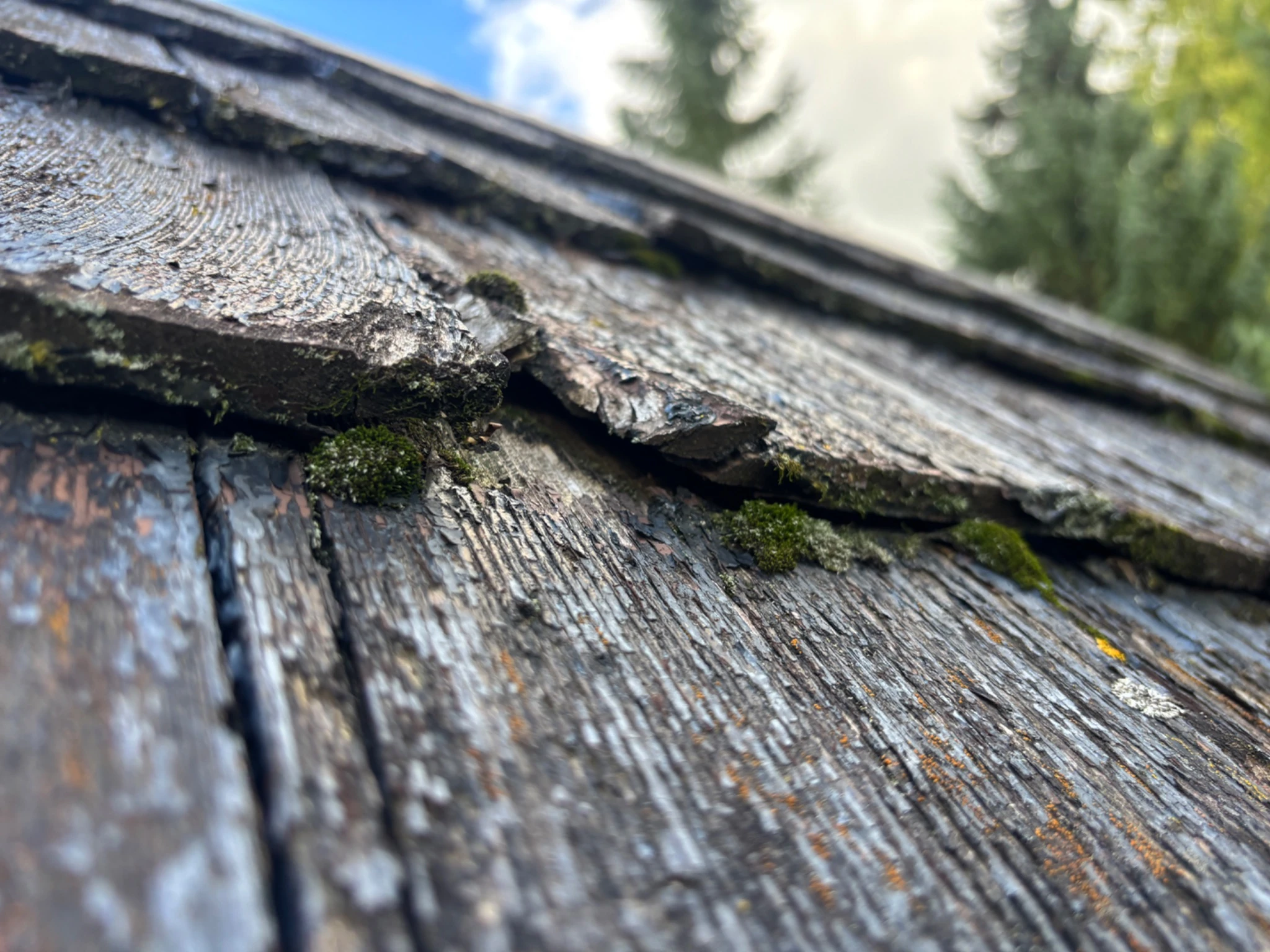
A well-installed cedar shake roof can perform well in demanding conditions. But natural wood changes as it ages. Individual shakes can split, curl or loosen, and the condition of an older cedar roof depends on the quality of the original material, how it was installed and decades of exposure to moisture, sun and severe weather.
One Enviroshake homeowner in British Columbia described his 19-year-old cedar roof simply: “Every wind storm seemed to break off more and more of my old cedar roof.”
For homeowners who want to preserve the look of cedar in a high-wind environment, synthetic cedar shake offers another option. The important distinction is that synthetic roofing is a broad category. Materials, installation methods, testing and wind ratings can vary considerably from one product to another.
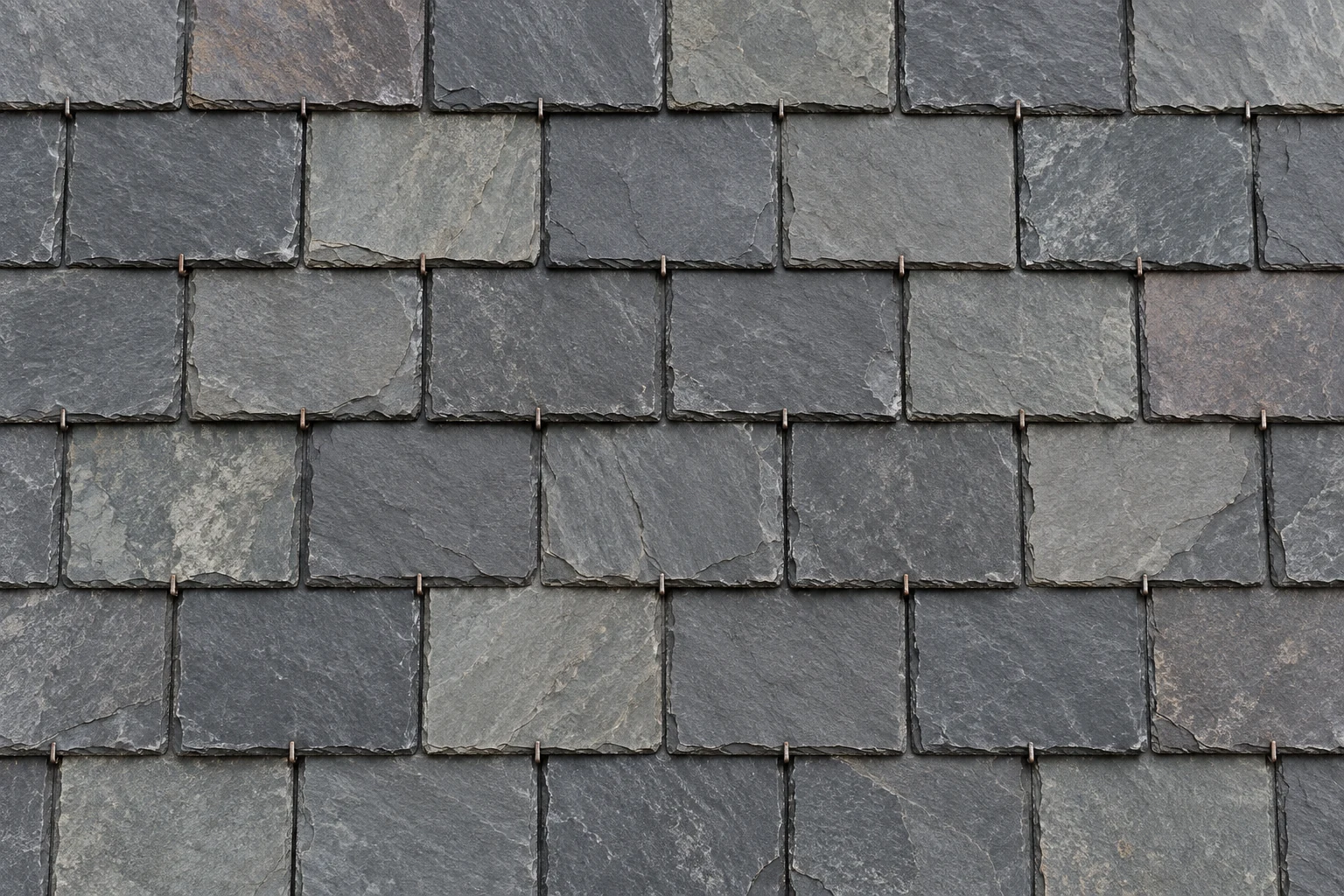
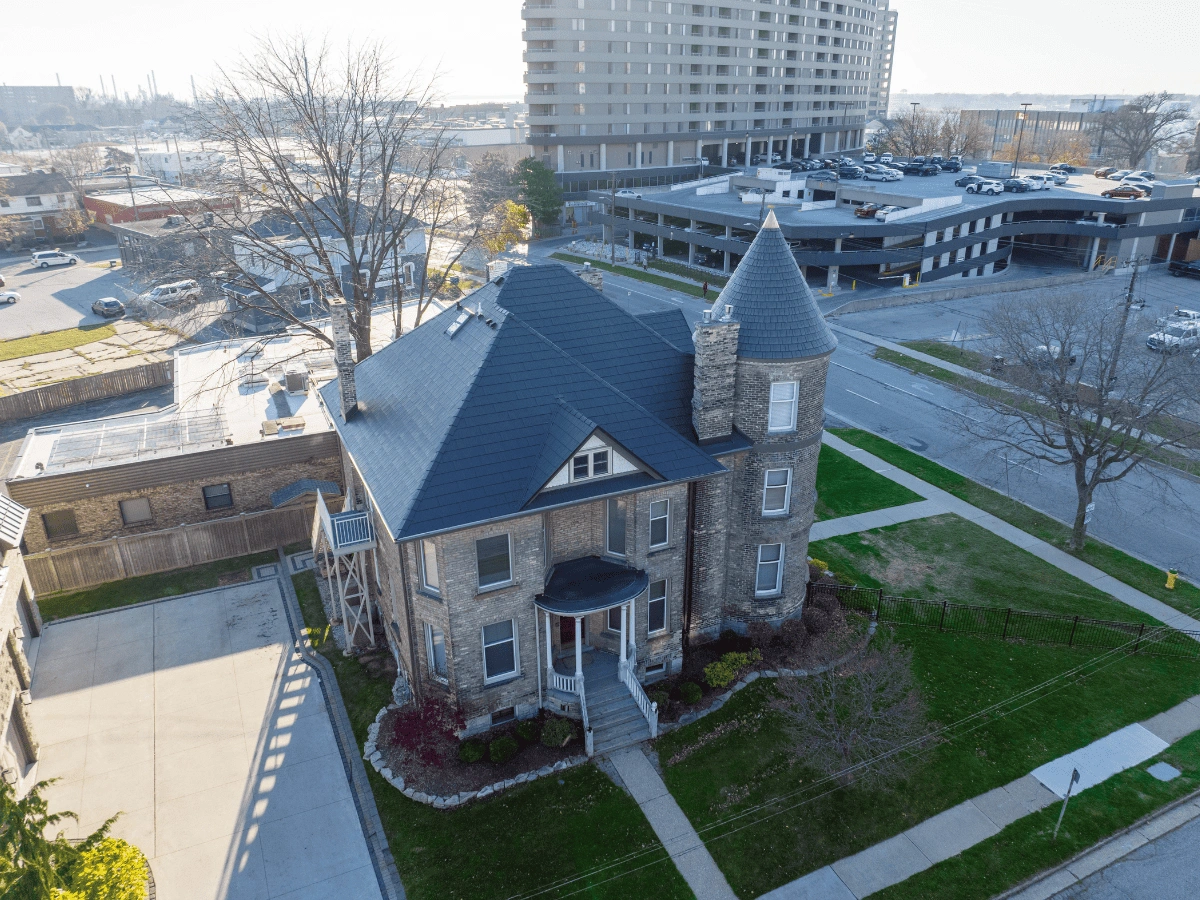
Enviroshake was developed as a cedar shake replacement that combines the depth and texture of natural wood with engineered performance. It has been third-party tested to wind speeds up to 180 mph (290 km/h) and holds a Miami-Dade County Notice of Acceptance for use in the High Velocity Hurricane Zone.
Those are the test results. More than two decades of installations also provide another useful measure: what happens when severe weather actually arrives.
How does cedar shake roofing perform in high winds?
Cedar shake can perform well in high winds when high-quality material is installed correctly, but its performance can become less predictable as the roof ages.
Cedar is a natural material, so no two roofs age in precisely the same way. Moisture, UV exposure, repeated wet-dry cycles, installation quality and the grade of the wood all affect the roof over time. Splitting, curling and deterioration can eventually leave individual pieces more vulnerable when severe winds arrive.
The experience of the British Columbia homeowner above is a good example. His cedar roof had developed warped, cracked and split shingles after 19 years, with additional pieces breaking during windstorms. When it came time for a cedar roof replacement, his objective was to keep the appearance of aged cedar while gaining better durability and longevity. He chose Enviroshake.
For homes exposed to hurricanes, coastal storms or frequent high winds, material consistency and documented wind resistance deserve particular attention.
Does synthetic cedar shake perform better in high winds?
A high-performance synthetic cedar shake can offer more consistent wind performance than natural cedar, but not all synthetic shake products offer the same level of performance.
“Synthetic shake” describes a category, not a performance standard. A product’s resemblance to cedar tells you very little about its wind resistance. When comparing synthetic cedar shake roofing, look at the actual wind testing, applicable product approvals, installation requirements and warranty terms.
Enviroshake has been third-party tested to 180 mph. Its published testing also includes ASTM D3161-9a and a wind uplift pressure of -430 psf. For architects, contractors and homeowners, these specifications provide a defined benchmark when selecting a cedar shake replacement for a demanding climate.
Is Enviroshake rated for high winds?
Yes. Enviroshake has been third-party tested to wind speeds up to 180 mph (290 km/h).
Enviroshake’s testing includes ASTM D3161-9a, with a published wind uplift pressure of -430 psf. Enviroshake also holds Miami-Dade County NOA #24-0222.06 for the High Velocity Hurricane Zone.
This is particularly relevant for homeowners who want to replace cedar without changing the architectural character of their home. Enviroshake provides the texture and dimension associated with natural cedar in an engineered roofing material with documented wind performance.
What does Miami-Dade approval mean for roofing?
A Miami-Dade Notice of Acceptance means a roofing product or system has been evaluated and approved for use under the requirements applicable to Florida’s High Velocity Hurricane Zone.
Miami-Dade County’s product approval process is widely recognized for its stringent requirements for building products used in hurricane-prone South Florida.
For roofing, an NOA provides something more useful than a general claim that a product is “hurricane resistant.” It identifies an approved product or assembly and establishes the conditions under which it can be installed. Correct installation still matters. An NOA does not mean that every roof will perform identically in every storm; it provides a recognized benchmark for products intended for one of the most demanding wind regions in the United States.
Is Enviroshake Miami-Dade approved?
Yes. Enviroshake and Enviroslate are covered by Miami-Dade County NOA #24-0222.06 for the High Velocity Hurricane Zone.
For homeowners researching synthetic cedar shake for Florida or another high-wind region, Miami-Dade approval is an important specification to look for alongside wind testing and warranty coverage, helping to distinguish between synthetic roofing products that simply reproduce the appearance of cedar and products engineered and approved for demanding applications.
How has Enviroshake performed in real-world windstorms?
Laboratory testing gives a roofing product a repeatable benchmark. Existing roofs show how the material has behaved through years of actual weather.
Enviroshake has installations across coastal New England, Canada, Florida, the Caribbean and other regions regularly exposed to severe wind. Several homeowners, contractors and property managers have documented what happened when those installations were hit by major storms.
Northeasters and summer gales in Rhode Island
A homeowner in Portsmouth, Rhode Island installed Enviroshake in 2007 as a replacement for red cedar shingles. The home sits in a seaside development where traditional cedar was part of the neighborhood’s architectural character.
The location also brought heavy moisture and strong coastal winds, conditions that affected the life of the wood roofs in the community.
After installing Enviroshake, the homeowner reported that the roof had survived “many Northeaster windstorms and summer gales” without shingles coming loose, while remaining watertight. He also noted that the material had weathered to the soft grey appearance he wanted from cedar.
It is a useful example of what many homeowners want from a synthetic cedar shake roof: preserve the architectural effect of cedar while gaining performance better suited to an exposed location.
More than 140 km/h on Vancouver Island
Another Enviroshake installation sits in Metchosin, British Columbia, alongside the Strait of Juan de Fuca.
In November 2006, the homeowner experienced a major West Coast windstorm with gusts reported in excess of 140 km/h. Branches and needles struck the roof throughout the night. When the storm passed and the debris was cleared, the homeowner reported finding no damage: “not so much as a crack in one of the shakes.”
Flying debris adds another dimension to severe-weather performance. Enviroshake carries a UL 2218 Class 4 impact rating, the highest classification possible.
Hurricane Irene in the Bahamas
A project manager in Nassau reported on an Enviroshake installation following Hurricane Irene. According to his account, winds were gusting up to 120 mph and numerous roofs in the area sustained considerable damage. The Enviroshake roof did not. He reported that the roofing maintained its integrity throughout the storm, resisting both the force of the wind and wind-driven rain.
Hurricane Gonzalo in Anguilla
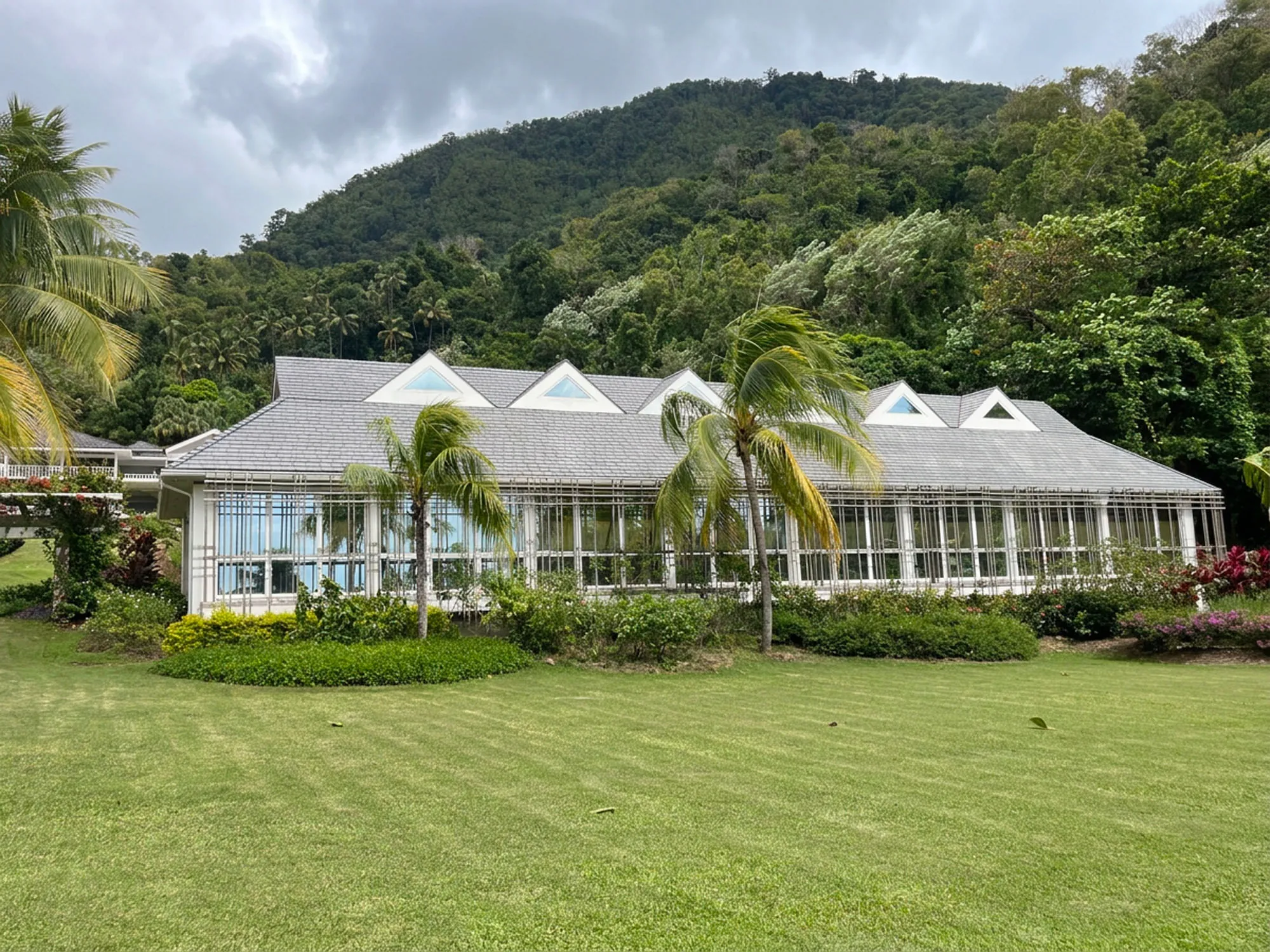
The Caribbean provides another demanding environment for roofing, with severe wind, intense sun, salt exposure and heavy rain often affecting the same properties.
Following Hurricane Gonzalo, a roofing contractor reported that Enviroshake projects completed in Anguilla “didn’t move” despite wind speeds exceeding 200 km/h, or 124 mph.
For villas, resorts and coastal residences, this type of performance can make synthetic cedar particularly appealing. The architecture can retain the warm, textured appearance associated with cedar without relying on natural wood as the roof covering.
Why does installation matter for wind resistance?
Wind performance depends on both the roofing material and the way the complete roof system is installed.
This is true of cedar, synthetic shake and other steep-slope roofing materials.
With natural cedar, fastener location, exposure, spacing and the quality of the individual shakes can all influence the finished roof. Natural variation adds another variable, particularly as the wood ages.
An engineered roofing system provides greater control over the material itself. Enviroshake products have defined dimensions, installation requirements and tested assemblies. Correct installation remains essential, and project-specific requirements and local building codes should always be followed. A high wind rating should therefore be considered alongside the installation method used to achieve it.
Is synthetic cedar shake a good cedar replacement for hurricane-prone areas?
Yes. A high-performance synthetic cedar shake can be an excellent cedar replacement in hurricane-prone areas when it has documented wind testing and the appropriate product approvals.
Many coastal homes were designed around cedar for good reason. Its texture, thickness and natural variation work particularly well on Cape Cod, Shingle Style, cottage, resort and traditional coastal architecture. Replacing cedar with a conventional asphalt shingle can noticeably change that character.
Enviroshake was developed to preserve the cedar expression while improving performance. Its profiles reproduce the texture and dimension of natural cedar, while the engineered composite addresses many of the concerns associated with natural wood.
For high-wind areas, Enviroshake offers:
- Third-party wind testing to 180 mph (290 km/h)
- ASTM D3161-9a wind testing
- Wind uplift pressure of -430 psf
- Miami-Dade County NOA #24-0222.06
- UL 2218 Class 4 impact rating
- Class A fire-rated products available
- 50-year fully transferable Gold Level Warranty
Together, these specifications make Enviroshake particularly well suited to homeowners who want the appearance of cedar with documented performance for demanding climates.
Can synthetic cedar shake withstand hurricanes?
Some synthetic cedar shake products are designed and tested for severe wind conditions, but homeowners should always check the specific product’s test results and approvals.
There is no single performance standard that applies to every synthetic shake.
Enviroshake has been third-party tested to 180 mph and holds Miami-Dade approval for Florida’s High Velocity Hurricane Zone. Its real-world history also includes installations reported to have come through hurricanes and major windstorms in the Bahamas, Anguilla, Rhode Island and British Columbia.
Keeping the cedar shake tradition in demanding climates
The appeal of cedar has never been difficult to understand; a good cedar roof has depth, texture and natural variation that suit traditional and contemporary architecture alike.
For homeowners replacing an aging cedar shake roof, the challenge is often preserving this historical character while choosing a material better suited to the conditions their home faces today. Enviroshake was designed for exactly this purpose. Its 180 mph third-party wind testing and Miami-Dade HVHZ approval provide documented performance. Decades of installations exposed to Northeasters, Caribbean hurricanes and West Coast windstorms add a substantial real-world track record.
For a home that was meant to have cedar, replacing the roof does not have to mean changing its character. Enviroshake allows the cedar shake tradition to continue with the performance of an engineered roofing system.
Considering replacing a cedar shake roof? Request a free Enviroshake sample to see the texture, depth and natural variation for yourself.
Interested in learning more about Enviroshake products?
Contact us today to discuss your project and how we can help you achieve your design goals.