Cedar Roof Replacement: 5 Qualities to Preserve When Choosing a Cedar Alternative
Key Takeaways
- Treat natural cedar as the aesthetic benchmark. Judge any replacement on five qualities: texture, depth, variation, shadow lines and architectural character.
- Asphalt is the most common replacement and the one that departs furthest from cedar's profile. It is thinner, flatter and more uniform.
- Enviroshake's profiles derive from 3D images of real taper-sawn cedar shakes. Varied profiles and factory-shuffled bundles recreate the variation of a natural wood roof.
- Appearance does not have to cost performance. Enviroshake carries a Class 4 impact rating, third-party wind testing up to 180 mph, and approximately 95% recycled content.
The best way to replace a cedar shake roof without losing its character is to choose a cedar alternative built around cedar's own qualities: texture, depth, variation, shadow lines and a natural fit with the home's architecture. A composite shake with profiles derived from real taper-sawn cedar can preserve all five. Asphalt, the most common replacement, gives up much of that character for a flatter, more uniform surface.
When replacing a cedar shake roof, preserving the character of the original is often an important part of the decision. Cedar has a distinctive texture, depth and natural variation that can be difficult to replicate with a flatter roofing material such as asphalt. These same qualities have made cedar a longstanding choice for premium residential design, and its aesthetics remain an important reference point for homeowners who want to maintain the architectural character of their home or upgrade from a conventional asphalt roof.
Here are five aesthetic qualities to look for in a premium cedar replacement.
Why Homeowners Are Replacing Cedar
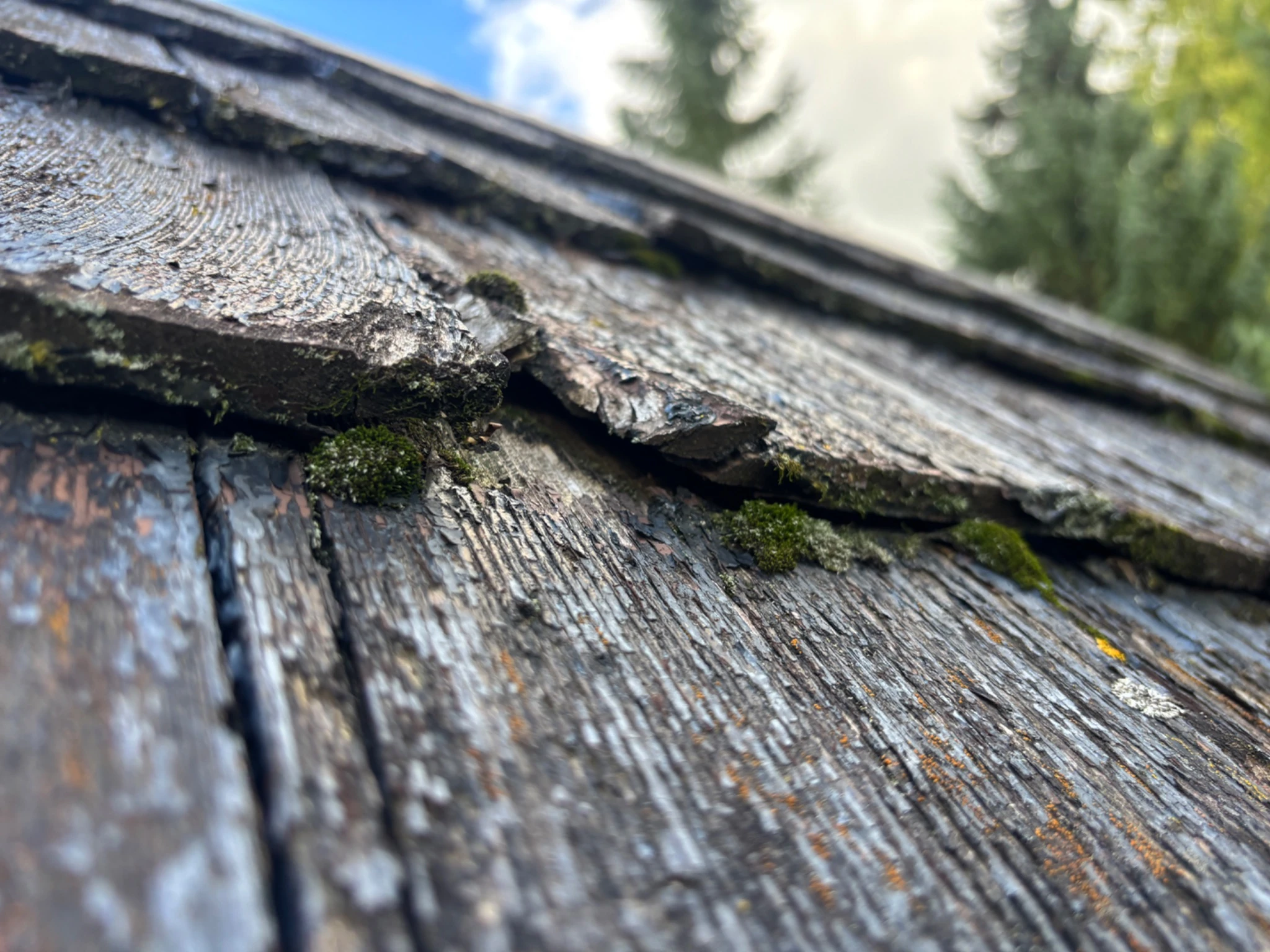
Cedar's appeal is real, and so are its practical drawbacks. A natural cedar shake roof typically lasts 20 to 30 years with optimal upkeep, and as little as 10 to 15 years when maintenance lapses or the climate is harsh. The maintenance cedar demands includes regular inspection, cleaning and preservative treatments, roughly every five years, and the common problems of cedar over time, from rot and moss to curling and splitting, add to the burden. Untreated wood is combustible, and insurance has become a growing concern for owners of cedar roofs, as some insurers are dropping cedar shake roofs.
The goal of a replacement, then, is to keep what homeowners love about cedar and leave the rest behind. For owners of an aging cedar roof, the real question is whether to install cedar again or choose a cedar alternative that keeps the look without the upkeep.
1. Natural Texture
Natural cedar gets much of its appeal from the grain and subtle irregularities across each shake. These small differences give individual shakes their own character and create visual interest across the roof.
Asphalt has a more consistent surface, with texture coming primarily from mineral granules. For a home originally designed around the appearance of cedar, replacing natural shakes with asphalt can noticeably change the character of the roof.
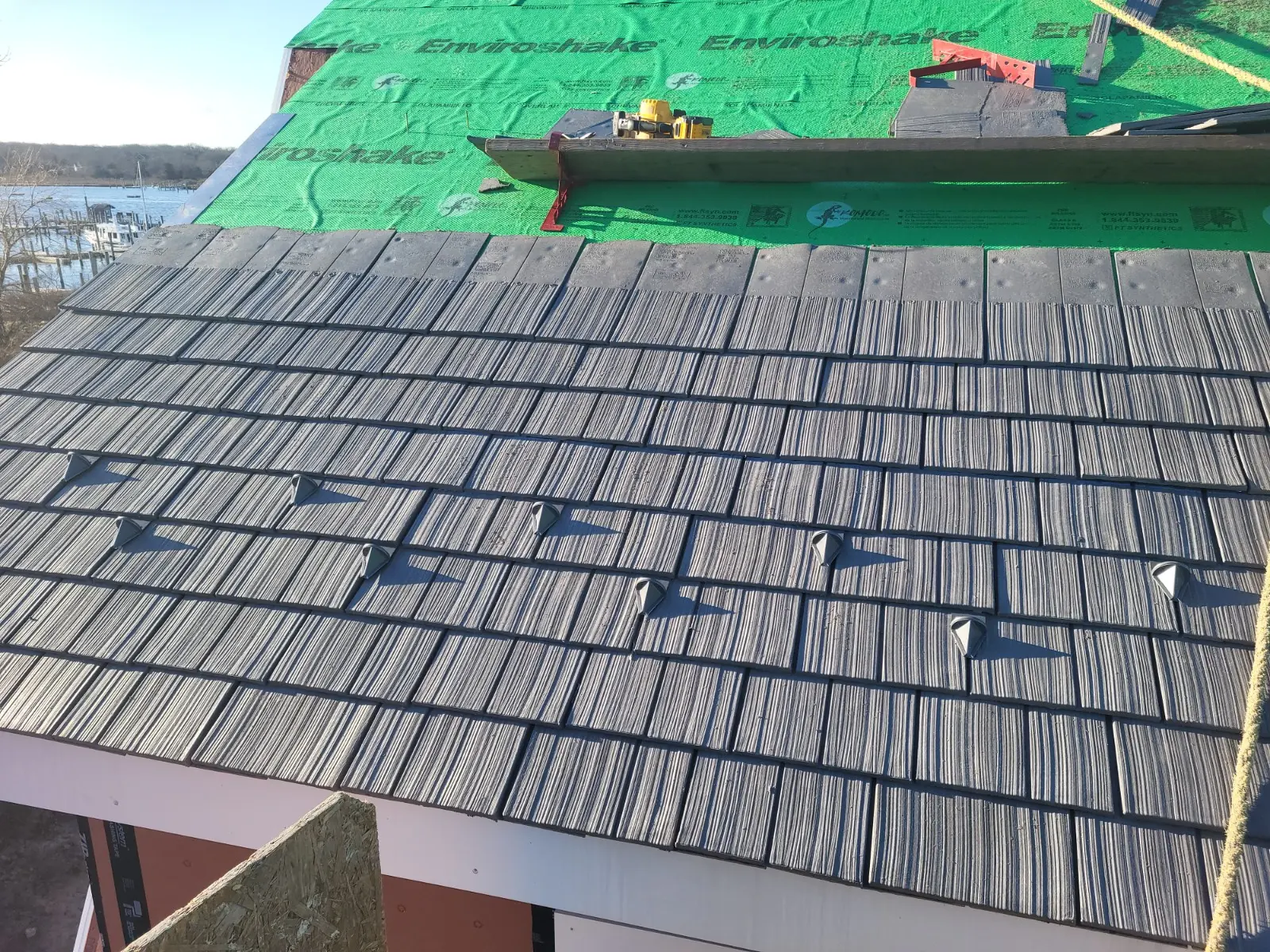
Enviroshake offers another approach to cedar roof replacement. Its profiles derive from 3D images of real taper-sawn cedar shakes, preserving the grain and surface details of natural wood.
2. Depth and Dimension
Thickness has a considerable effect on how a roof looks once installed. Traditional cedar shakes have substantial depth, creating visible edges between pieces and dimension across each course.
Asphalt shingles are considerably thinner and sit relatively close to the roof deck. Architectural asphalt can use layering and color variation to create the impression of dimension, but the physical profile remains much flatter than cedar shake.
Enviroshake recreates the substantial profile of taper-sawn cedar, making it particularly well suited to cedar roof replacements where maintaining the original dimension of the roof is important. It also provides a noticeable aesthetic upgrade for homeowners replacing asphalt who want more texture and depth.
3. Variation Across the Roof
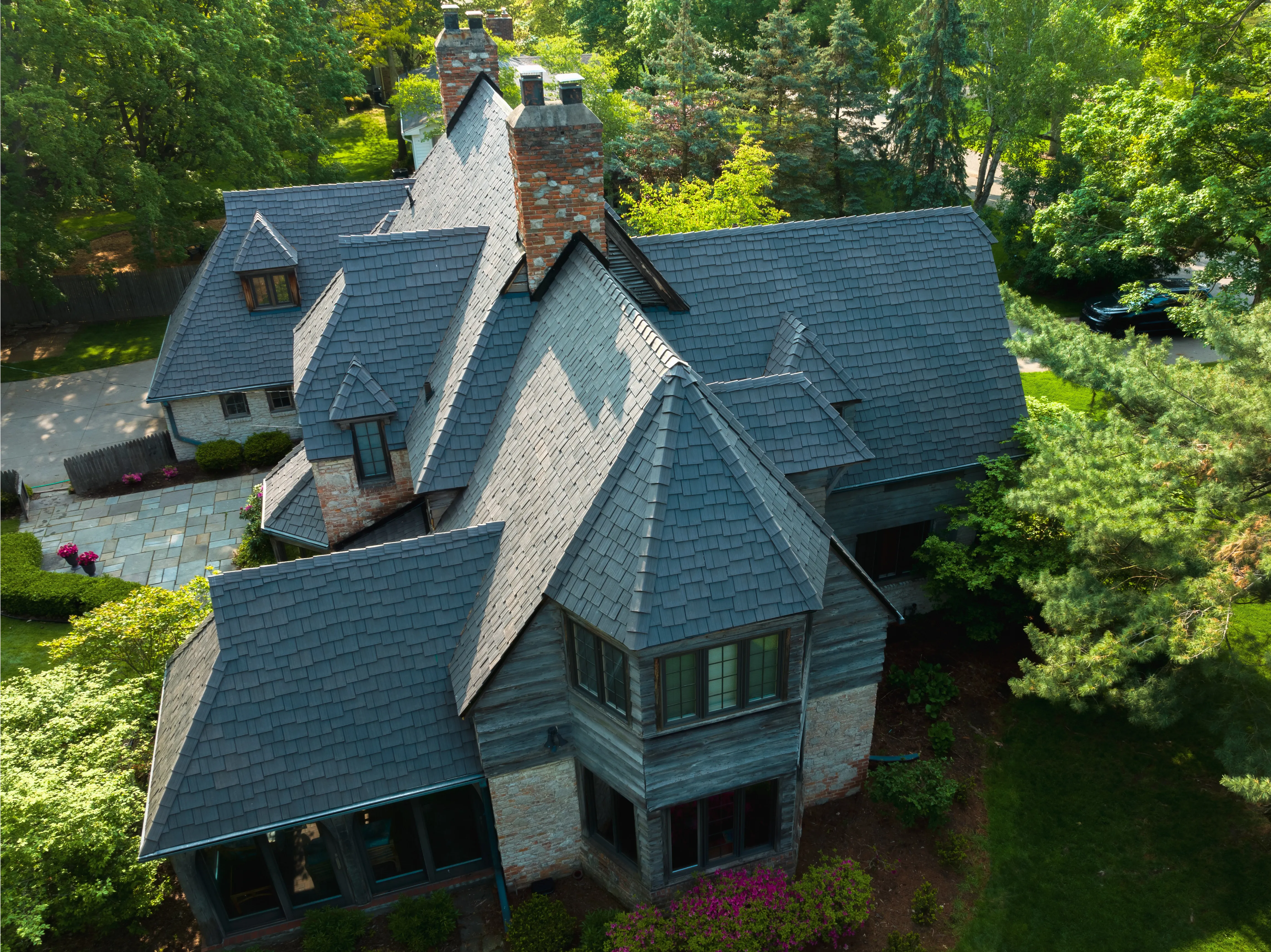
Natural cedar is not perfectly uniform. Individual shakes vary in grain, surface texture, profile and color, creating the organic variation that gives a cedar roof much of its character. This variation has long contributed to the premium appearance associated with the material.
Enviroshake uses multiple profiles derived from natural cedar, with factory-shuffled bundles helping distribute the different pieces across the roof. Subtle color variation adds another layer of natural character, helping recreate the variation found across a traditional cedar shake roof without an obvious repeating pattern. Many Enviroshake products are also engineered to weather over their first year, settling into a matte, muted tone that they then hold, and homeowners can preview the colors on their own home with the Roof Visualizer.
4. Defined Shadow Lines
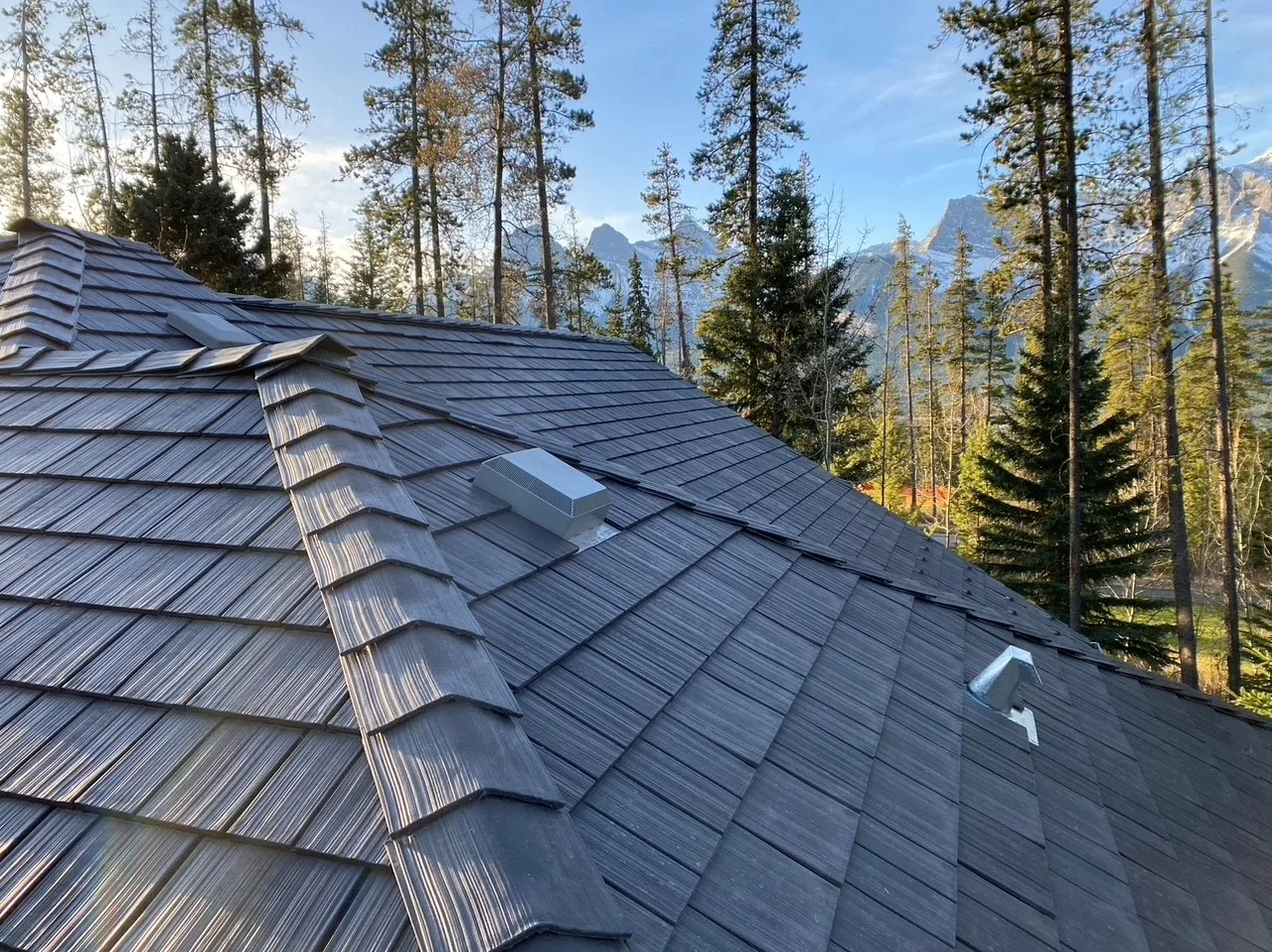
The depth of a roofing material also determines the shadow lines visible across a finished roof. With cedar, thicker butt edges and overlapping courses create areas of light and shadow that give individual shakes greater definition.
Thinner materials such as asphalt create less physical separation between courses, contributing to a flatter overall appearance. This difference can be particularly noticeable when asphalt is used to replace an existing cedar shake roof.
Enviroshake maintains the dimensional profile and defined courses associated with traditional cedar, helping preserve the visual character of the original roof while moving to a modern composite material.
5. Architectural Character
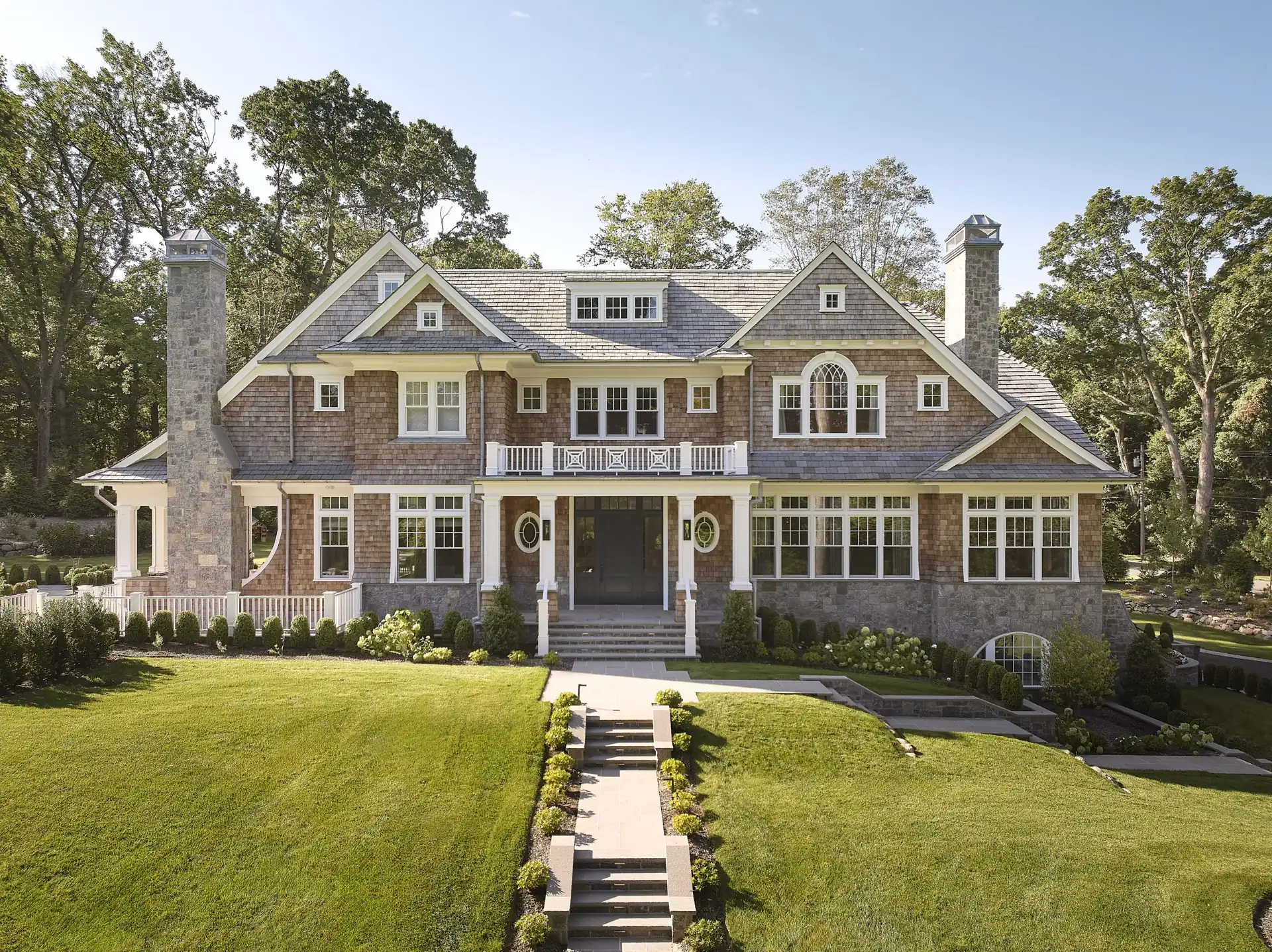
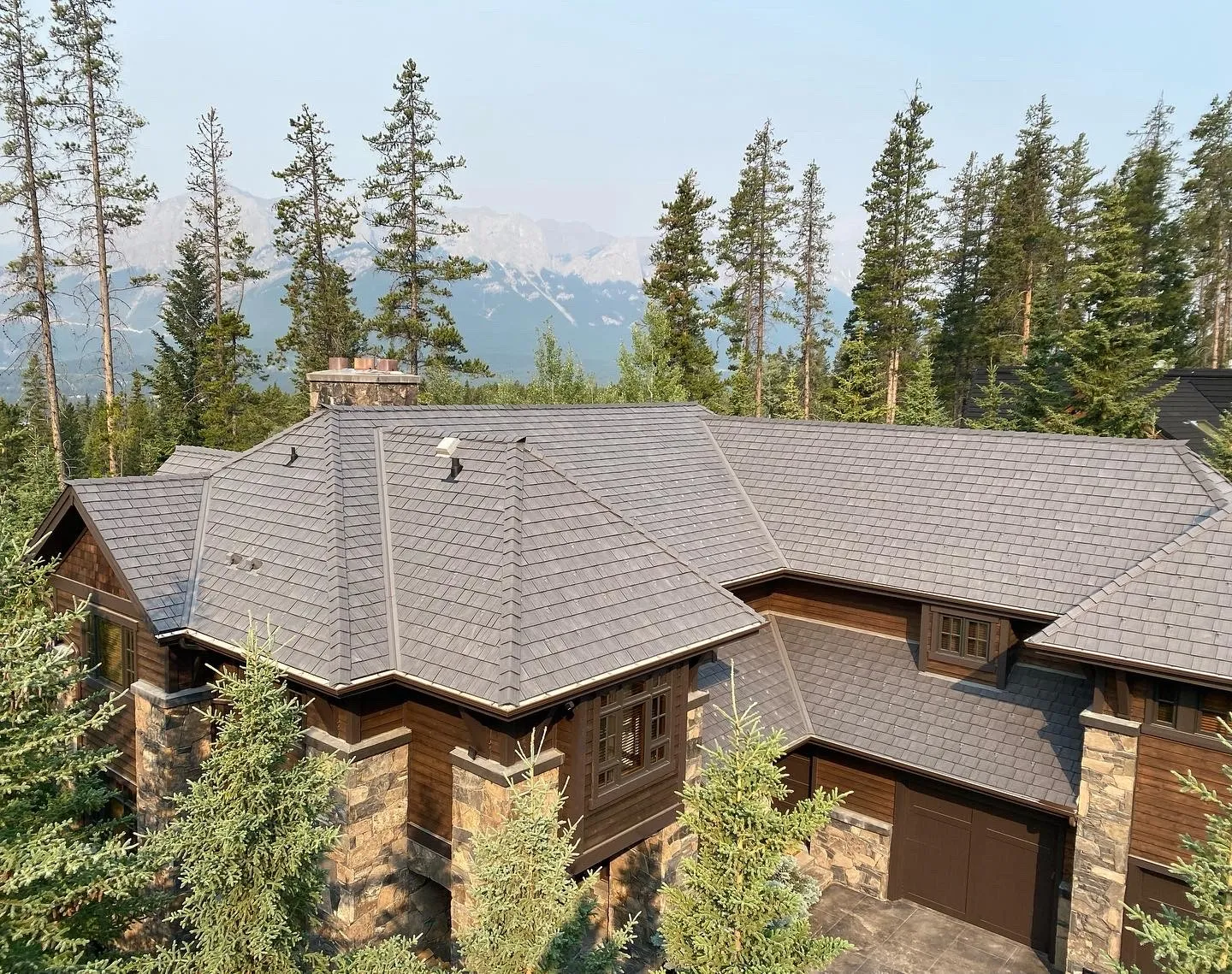
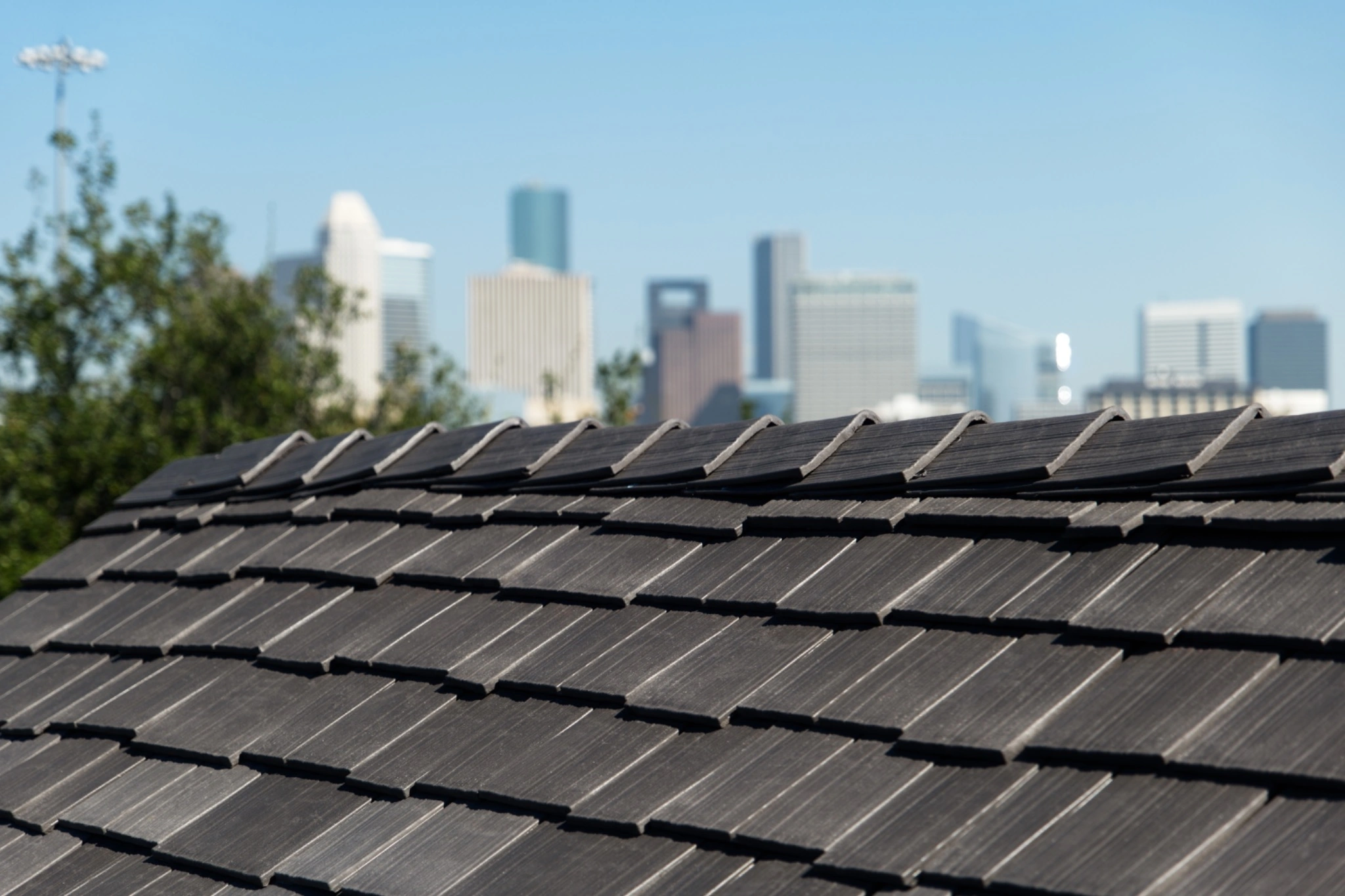
Much of cedar's enduring appeal lies in how seamlessly it settles into a home's architecture. A cottage among mature trees, a coastal home in pale siding, a Tudor of warm stone and exposed timber: each looks complete beneath cedar, which is why cedar shake remains the natural choice for Cape Cod, Craftsman and other traditional homes.
This relationship is easy to lose. Replace cedar with a thin, uniform asphalt shingle and the texture and proportions that were part of the home's original design can change with it.
Enviroshake is designed to keep that relationship intact. Its larger profile, textured surface and cedar-derived variation allow it to take on the character of the home it covers, whether that is a Cape Cod cottage, a Craftsman with deep eaves, a Tudor with a prominent roofline or a lakeside retreat. Color completes the effect, from the deeper tones of Aged Cedar to the weathered, breezy look of Silvered Cedar, and roof color ideas by home style can help match the palette to the architecture. Homeowners in Dumfries, Virginia, for example, replaced their cedar shake roof with Enviroshake in Aged Cedar for a longer-lasting result that remains traditionally beautiful.
For historic and regulated settings, that fidelity can be decisive. Enviroshake's Enviroshingle was approved for historic roof replacement in Aspen, where strict architectural review standards often apply, and many communities with roofing covenants have approved Enviroshake as a cedar alternative for the same reason: it reads as cedar. The result is what cedar has always done best, a roof that feels inseparable from the house beneath it.
.webp)
Cedar-Inspired Composite vs. Asphalt: How Do the Aesthetics Compare?
This table compares appearance only, because the performance, cost and warranty differences between composite cedar shake and asphalt shingles are a separate question.
Frequently Asked Questions
What is the best replacement for a cedar shake roof?
For most homeowners, a composite cedar alternative built from profiles of real cedar preserves the most character: texture, depth, variation and shadow lines. Asphalt departs furthest from cedar's look. A second round of natural cedar restores the appearance but brings back the maintenance, fire and insurance drawbacks.
Can synthetic cedar really look like natural cedar?
Yes, when it is built the right way. Synthetic cedar shake roofing can replicate natural cedar closely: Enviroshake's profiles derive from 3D images of real taper-sawn cedar shakes, and varied profiles with factory-shuffled bundles recreate the variation of a natural wood roof.
How long does a composite cedar roof last compared with natural cedar?
Natural cedar typically lasts 20 to 30 years with optimal upkeep, and as little as 10 to 15 without it. Enviroshake requires no staining, sealing, preservatives or refinishing, and is backed by fully transferable limited lifetime warranty.
Will my HOA approve a cedar alternative?
Many communities that specify cedar will consider an alternative that looks like cedar, particularly when it is documented with third-party ratings, and Enviroshake has been approved by HOAs as a cedar alternative. Review your covenants first, then submit the ratings and documentation with your application.
Is composite cedar a good upgrade from asphalt shingles?
For homes where texture and depth matter, yes. Asphalt is thinner and flatter, while a cedar-profile composite adds dimension and shadow lines, along with a Class 4 impact rating.
Choosing a Premium Cedar Replacement
For homeowners replacing a cedar shake roof, choosing a new material does not have to mean giving up the qualities that made cedar desirable in the first place. Texture, depth, variation, shadow lines and architectural character can all be preserved with the right cedar alternative.
Enviroshake is engineered around these characteristics. By beginning with profiles derived from real taper-sawn cedar shakes, it recreates the details and dimension of traditional cedar while delivering the performance of an engineered composite roofing system: a Class 4 impact rating (UL 2218), third-party wind testing up to 180 mph, approximately 95% recycled materials, and a fully transferable limited lifetime warranty. For homes currently roofed in asphalt, the same qualities offer a substantial aesthetic upgrade from the flatter, more uniform appearance of conventional shingles.
When you are ready, request a sample, speak with a roofing specialist, or find a factory-trained installer near you.
Interested in learning more about Enviroshake products?
Contact us today to discuss your project and how we can help you achieve your design goals.
.webp)