What Are Asphalt Shingles?
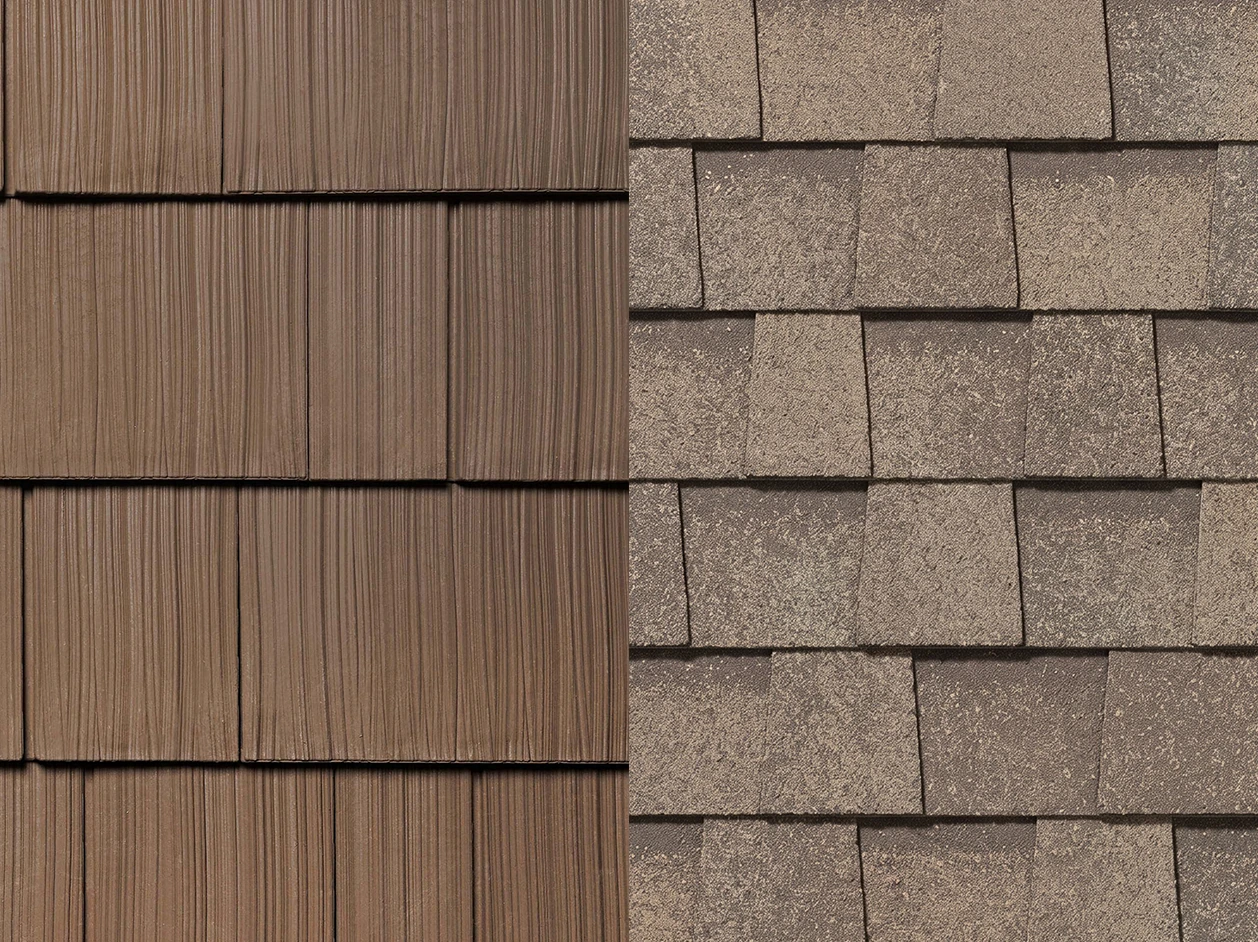
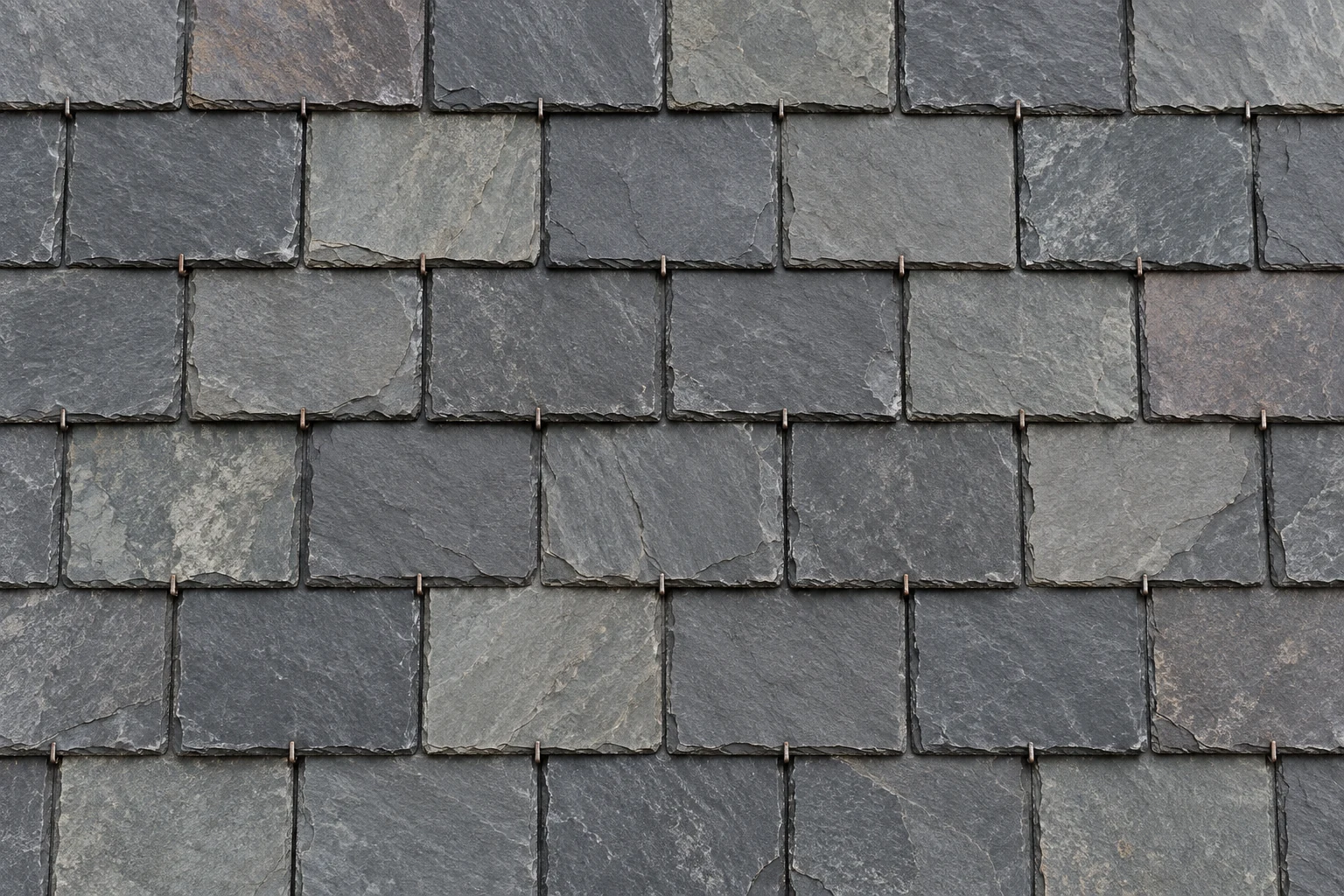
Asphalt shingles are one of the most widely used residential roofing materials because they are affordable, familiar to contractors, and available in a broad range of colors and styles. Architectural shingles can add a degree dimension to a roof, but they have a flatter and more uniform appearance than cedar or composite cedar shakes.
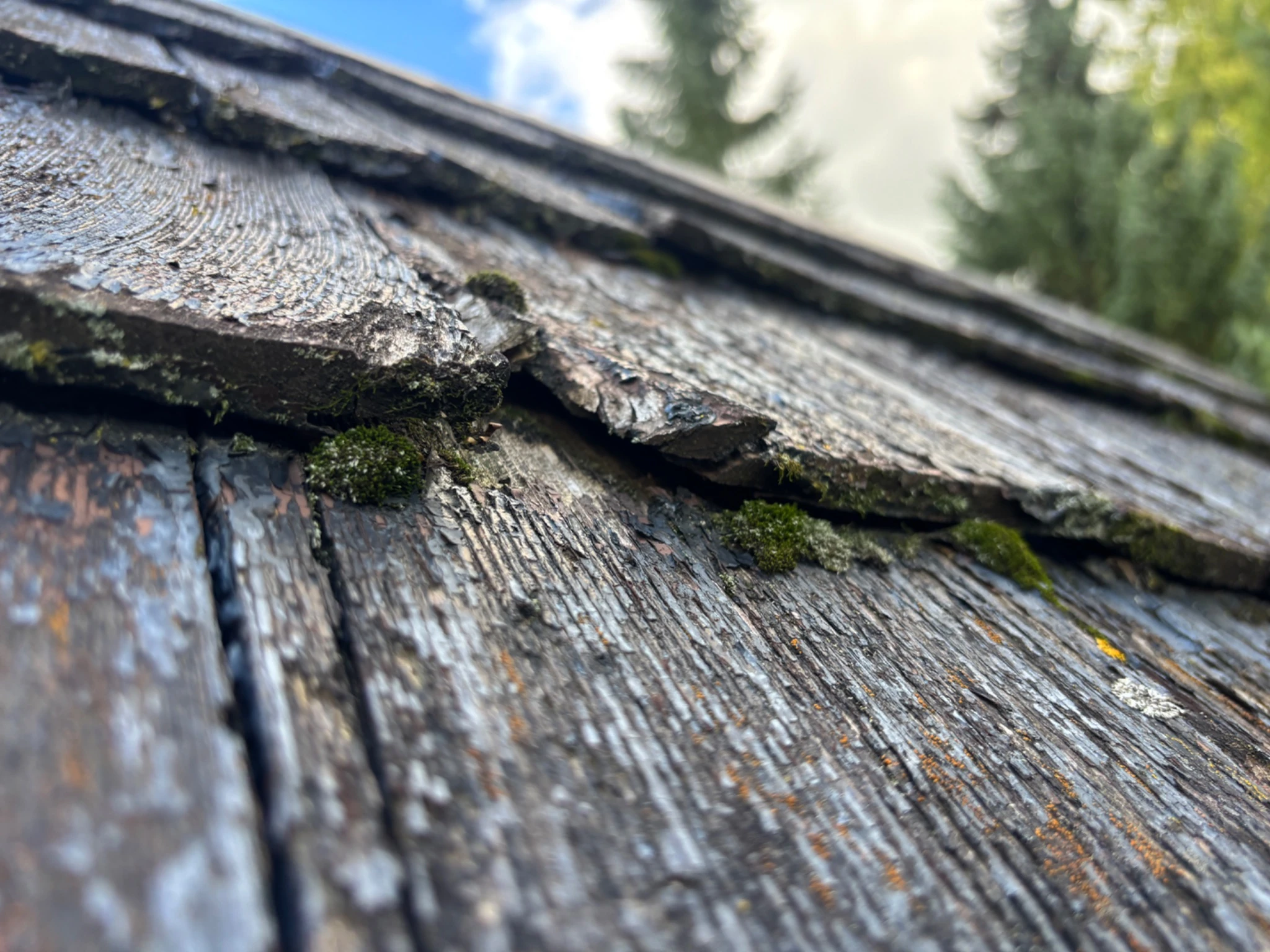
Their main advantage is upfront cost. Asphalt shingles are typically less expensive to install than premium roofing materials, but they also have a much shorter service life. Depending on product quality, climate, ventilation, and maintenance, asphalt roofs often need replacement after roughly 10 to 25 years. Over time, shingles can lose granules, become brittle, lift in high winds, develop staining or moss, and sustain damage from hail or other severe weather.
What Is Enviroshake?
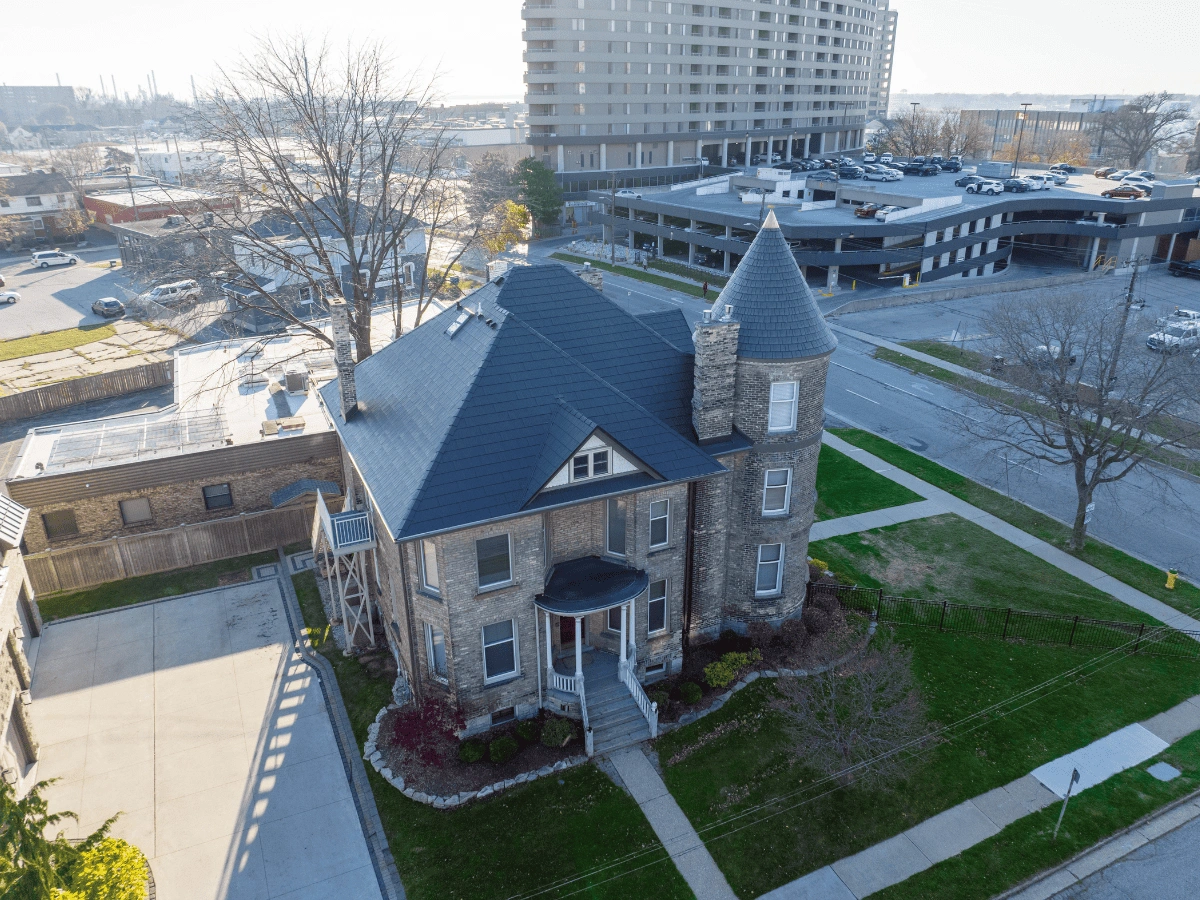
Enviroshake is a composite cedar shake designed to provide the depth, texture, and architectural character of natural cedar with significantly greater durability and aesthetic appeal than conventional asphalt shingles. Its profiles are molded from natural cedar shakes to recreate authentic grain patterns, shadow lines, and variation, making it a stronger aesthetic fit for custom and premium homes.
Enviroshake is engineered for long-term performance, with a 50+ year service life, third-party wind testing to 180 MPH, and a Class 4 impact rating under UL 2218. It requires minimal maintenance, is made from 95% recycled materials, and is backed by a fully transferable lifetime warranty. While Enviroshake's upfront cost is higher than asphalt, its longer lifespan, lower maintenance requirements, and reduced need for future roof replacements provide significantly better long-term value.
|
Enviroshake
|
Asphalt Shingles
|
| Appearance |
|
|
|
Overall Look
|
Replicates the depth, texture and character of hand-split cedar
|
More uniform, manufactured appearance with a repeating shingle pattern
|
|
Profile & Dimension
|
Thick profiles, varied textures and pronounced shadow lines create greater depth and dimension
|
Architectural shingles provide some dimension, but have a flatter overall profile
|
|
Best Suited For
|
Custom, luxury and premium homes
|
Production housing, investment properties and projects prioritizing lower upfront cost
|
| Durability & Performance |
|
|
|
Lifespan
|
50+ years
|
Approximately 10-25 years depending on shingle quality and maintenance
|
|
Aging
|
Engineered to maintain structural integrity over decades of service
|
Granules wear away and shingles become increasingly brittle as the roof ages
|
|
Wind Performance
|
Third-party tested to
180 MPH
|
Performance varies by product; shingles can lift or tear during strong wind events
|
|
Impact Resistance
|
Class 4
under UL 2218, the highest residential impact rating
|
Hail can dislodge protective granules or fracture the shingle beneath the surface
|
|
Fire Performance
|
Available as part of a
Class A fire-rated roof assembly
|
Many architectural fiberglass shingles achieve Class A, while others are rated Class B or C depending on product and assembly
|
| Maintenance |
|
|
|
Routine Maintenance
|
Minimal
|
Regular inspections and periodic repairs become more common as the roof ages
|
|
Common Aging Issues
|
Does not rely on asphalt binders that gradually degrade from prolonged UV exposure
|
Granule loss, loosened shingles, brittleness, algae staining and moss can occur depending on conditions
|
| Cost & Long-Term Value |
|
|
|
Upfront Cost
|
Higher initial investment
|
Lower upfront cost
|
|
Replacement Cycles
|
Designed to remain in service for decades without repeated roof replacements
|
Many homeowners may require another roof after approximately 10-25 years
|
|
Long-Term Value
|
Stronger long-term value for premium homes
through longer lifespan, lower maintenance and reduced replacement frequency
|
Economical initially, but future replacement, labor and disposal costs should be considered
|
|
Curb Appeal
|
Premium cedar aesthetics help preserve the architectural character and value of the home
|
Practical appearance suited to a broad range of homes, but with less architectural depth
|
| Warranty |
|
|
|
Warranty
|
Fully transferable lifetime limited warranty
|
Coverage varies by manufacturer, product and warranty level
|
| Best Choice When |
|
|
|
Priority
|
Appearance, longevity, severe-weather performance and long-term ownership value
|
Keeping the initial roofing budget as low as possible is the primary objective
|