What is Cedar Shake Roofing?
Key Takeaways
- Cedar shakes have a substantial profile and natural variation; cedar shingles generally create a smoother, more regular roof surface.
- Wood quality, installation, climate, and maintenance all influence how well a cedar shake roof performs.
- Natural cedar can develop rot, splitting, and curling, and untreated wood is combustible.
- Enviroshake recreates the texture and depth of cedar in a durable composite material, with third-party wind testing to 180 mph, Class 4 impact resistance, and Class A fire-rated options.
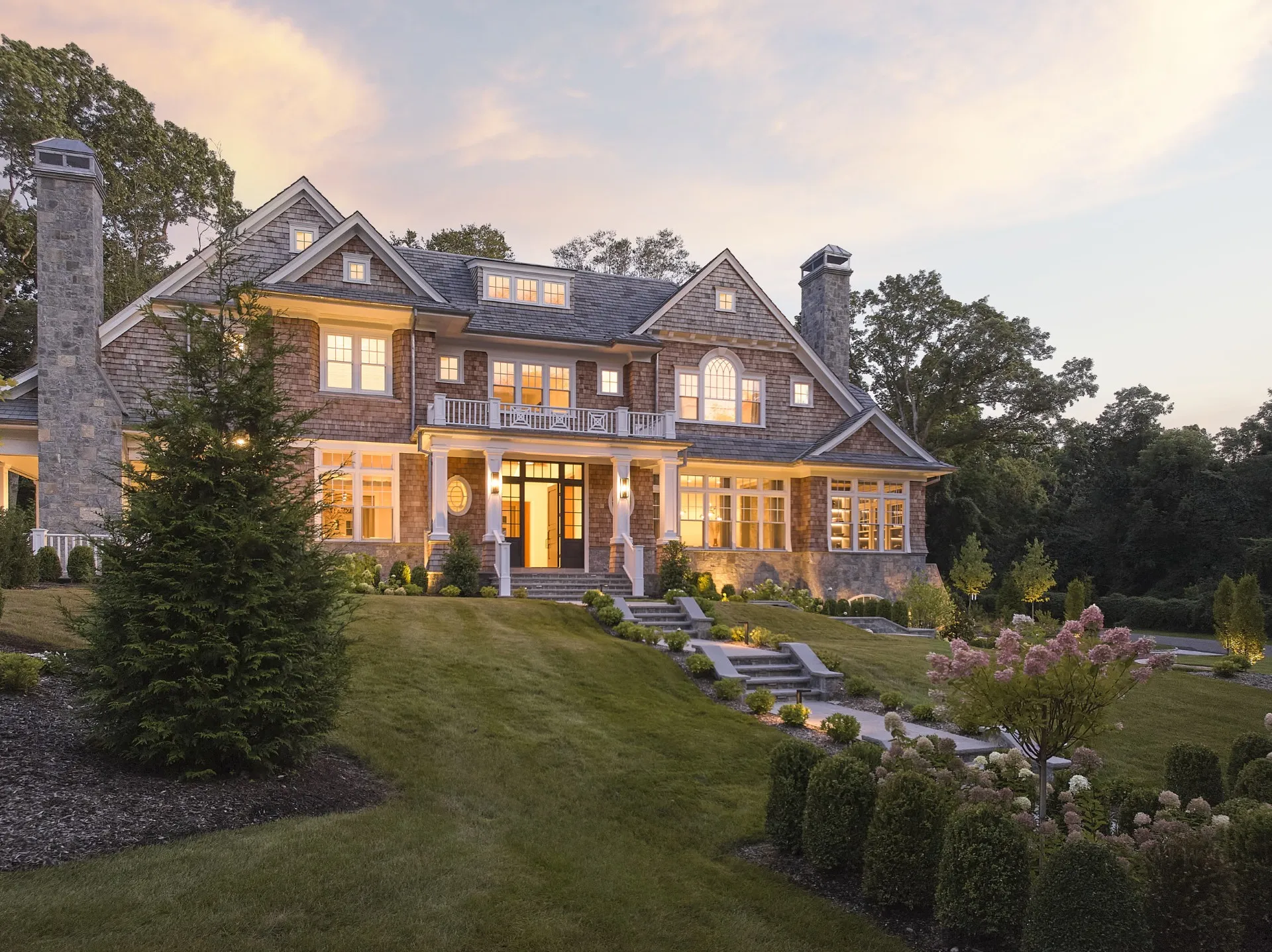
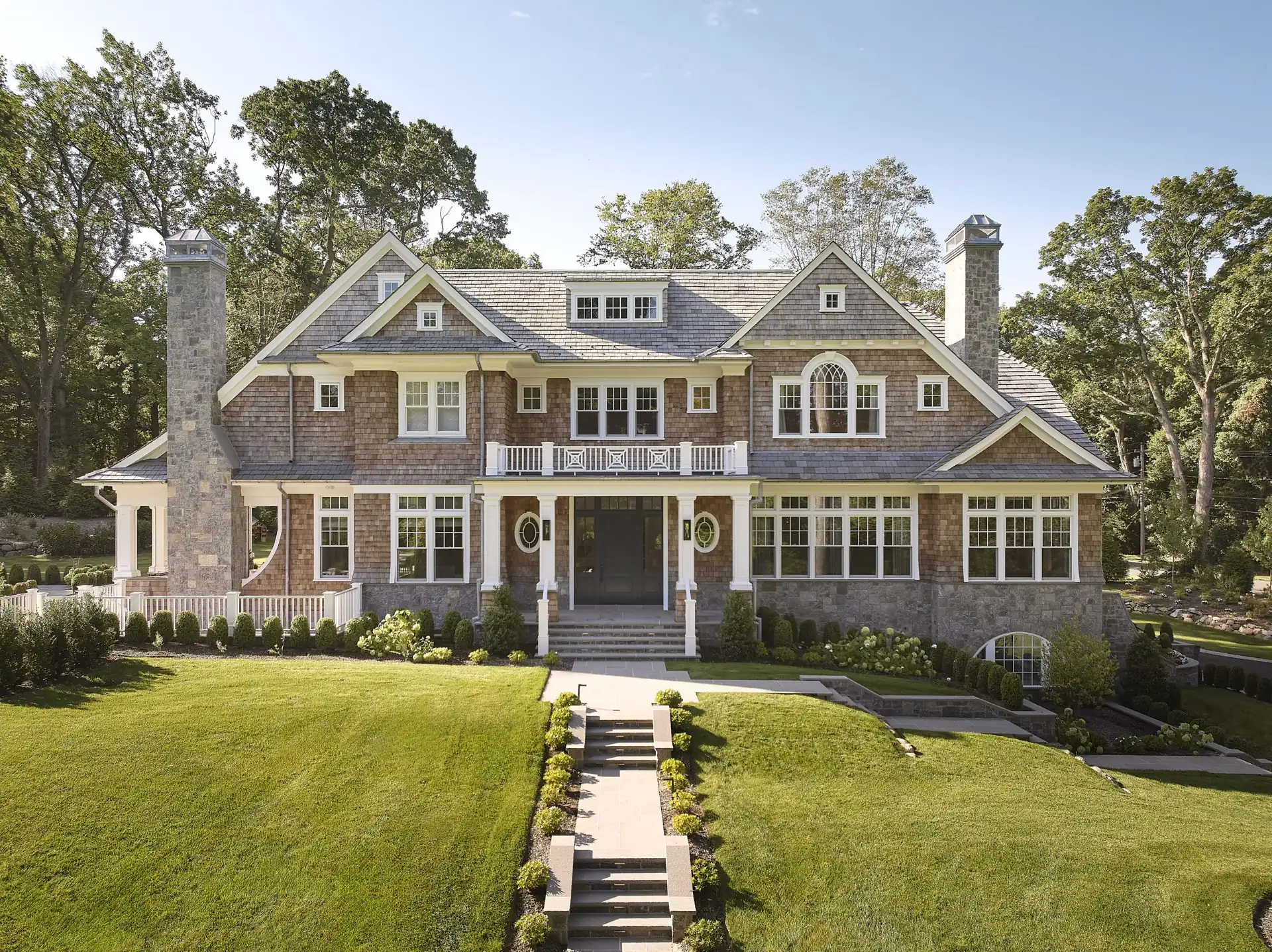
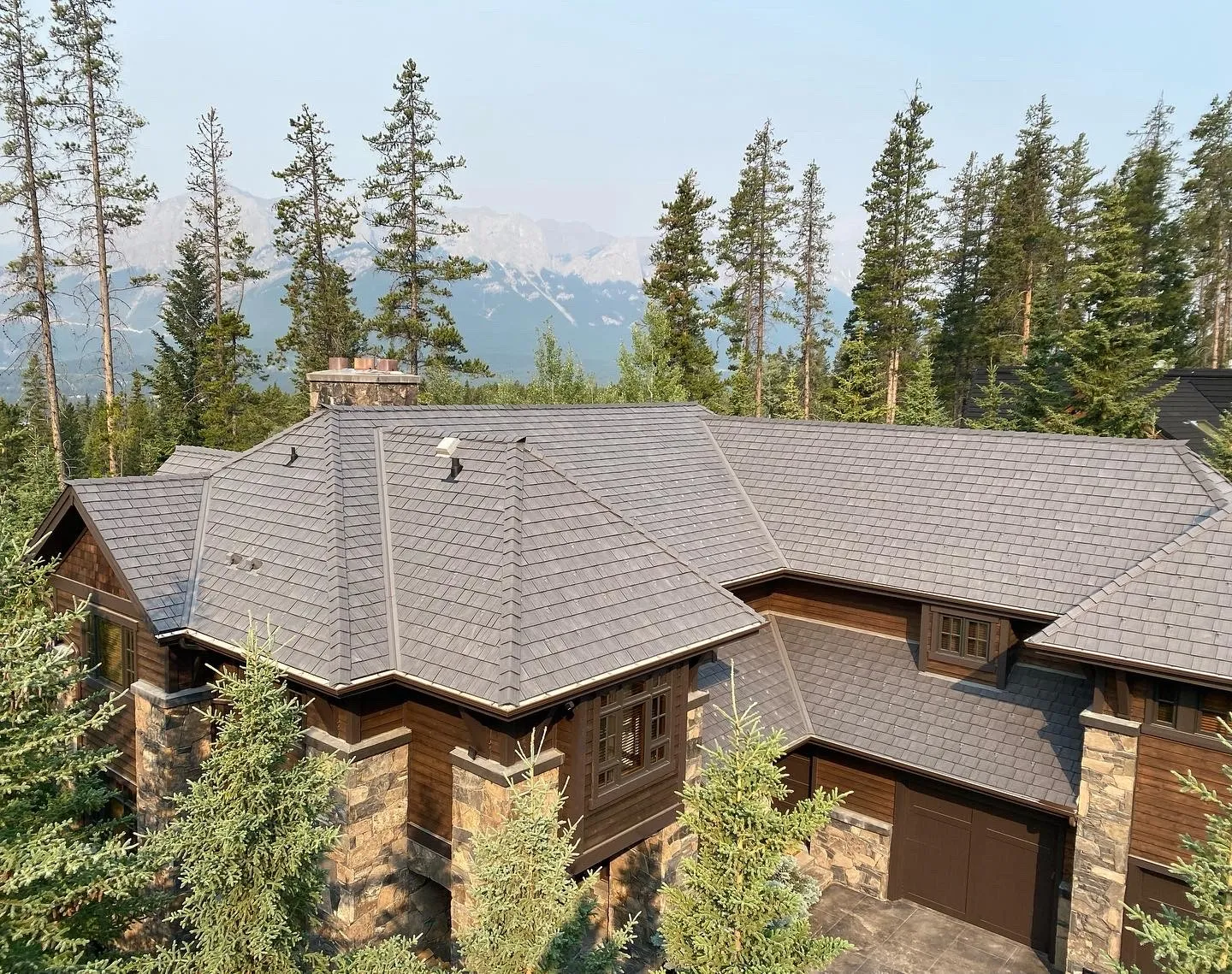
Cedar shake roofing is a natural wood roof made from individual pieces of cedar, split or sawn into tapered shapes and installed in overlapping courses. Its thick edges, visible grain, and variation give the roof a depth closely associated with traditional North American homes.
For many homeowners, cedar is an important part of the architecture. A cottage framed by mature trees, a coastal home with pale siding, or a Tudor with warm stone and exposed timber can feel particularly complete beneath a cedar roof. The texture belongs to the setting.
Choosing cedar also means understanding the drawbacks inherent with natural roofing materials. While cedar offers a beautiful, iconic aesthetic, moisture, sunlight, and seasonal changes affect its appearance and condition drastically over time, and maintaining a natural cedar roof requires attention throughout its life.
How are cedar shakes made?
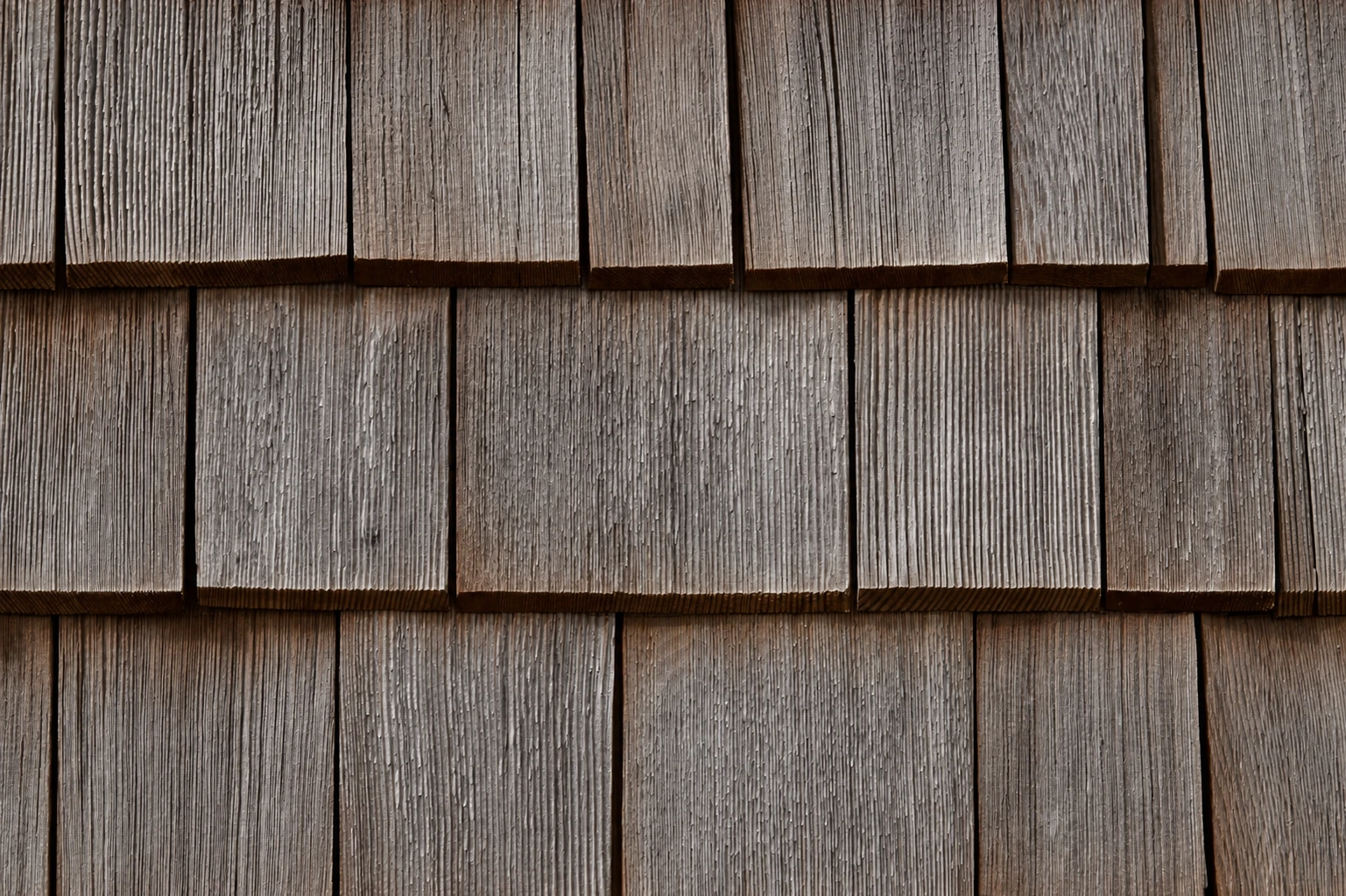
Cedar shakes are made by cutting cedar logs into blocks and then splitting or sawing those blocks into tapered pieces that are thick at the exposed end and thin at the top. Hand-split shakes are split along the grain for a rugged, textured face, while taper-sawn shakes are sawn on both sides for a smoother, more uniform finish.
Cedar shakes begin as sections of wood cut from cedar logs. Manufacturers split or saw the wood to create individual roofing pieces, with a thicker exposed end and a thinner upper end beneath the next course. The production method influences the finished roof's texture and regularity.
Hand-split and taper-sawn cedar shakes
Hand-split shakes follow the wood's grain, leaving a textured face with pronounced ridges and natural irregularities. Many have a sawn back to make installation more practical. Their rough surface suits rustic architecture, especially homes with substantial timber and stone.
Taper-sawn shakes are sawn on both faces. They offer a smoother finish and a more controlled taper, while retaining the thickness associated with shake roofing. A taper-sawn cedar roof can feel more refined, making it appropriate for traditional homes where the roof needs depth without an especially rugged appearance.
Which types of cedar are used for roofing?
Western Red Cedar and Alaskan Yellow Cedar are common roofing species. Both have natural resistance to decay, although the quality of the individual shakes matters as much as the species name. Heartwood content, grain orientation, and product grade affect how well the wood holds up over time.
The natural tones also differ. Western Red Cedar can have warm reddish and brown hues, while Yellow Cedar begins with a lighter appearance. Exposure gradually changes the wood's color, often producing the silver-grey finish familiar on older cedar roofs.
What is the difference between cedar shakes and cedar shingles?
Cedar shakes generally have a thicker profile and more pronounced texture than cedar shingles. Shingles are sawn on both faces into a relatively thin, regular taper, giving the roof a finer and more orderly appearance. Taper-sawn shakes also have sawn faces, so surface texture alone does not distinguish every shake from a shingle.
From the street, the difference is often most apparent along the exposed edges. A shake roof creates deeper shadows between courses; a shingle roof has a more delicate rhythm. The choice influences how the roof relates to siding, masonry, and trim, particularly on homes with broad roof surfaces.
Why do homeowners choose cedar shake roofing?
Homeowners choose cedar shake roofing mainly for its natural beauty: visible wood grain, warm color variation, and thick edges that cast deep shadows, along with a traditional character that suits cottages, coastal homes, Tudors, and other classic architecture.
Cedar's appeal comes from the wood itself. Grain runs through each shake, colors vary across the roof, and substantial edges give the surface definition as the light changes. On a large roof, the variation prevents the material from appearing flat or repetitive.
The relationship with architecture is equally important. Cedar complements the informal character of cottages and woodland homes, while its weathered tones sit comfortably against traditional brick, stone, and painted siding. Coastal homes often favor a silvered finish; a mountain lodge may suit the warmer browns of fresh cedar.
Cedar also provides some natural insulating value, though the insulation, ventilation, and construction of the entire roof assembly determine a home's thermal performance. Choosing wood roofing alone will not establish how efficiently the home heats or cools.
Generations of use have made cedar a familiar roofing material. Its reputation depends on suitable wood, careful installation, and continued maintenance, all of which deserve consideration alongside its appearance.
How long does a cedar shake roof last?
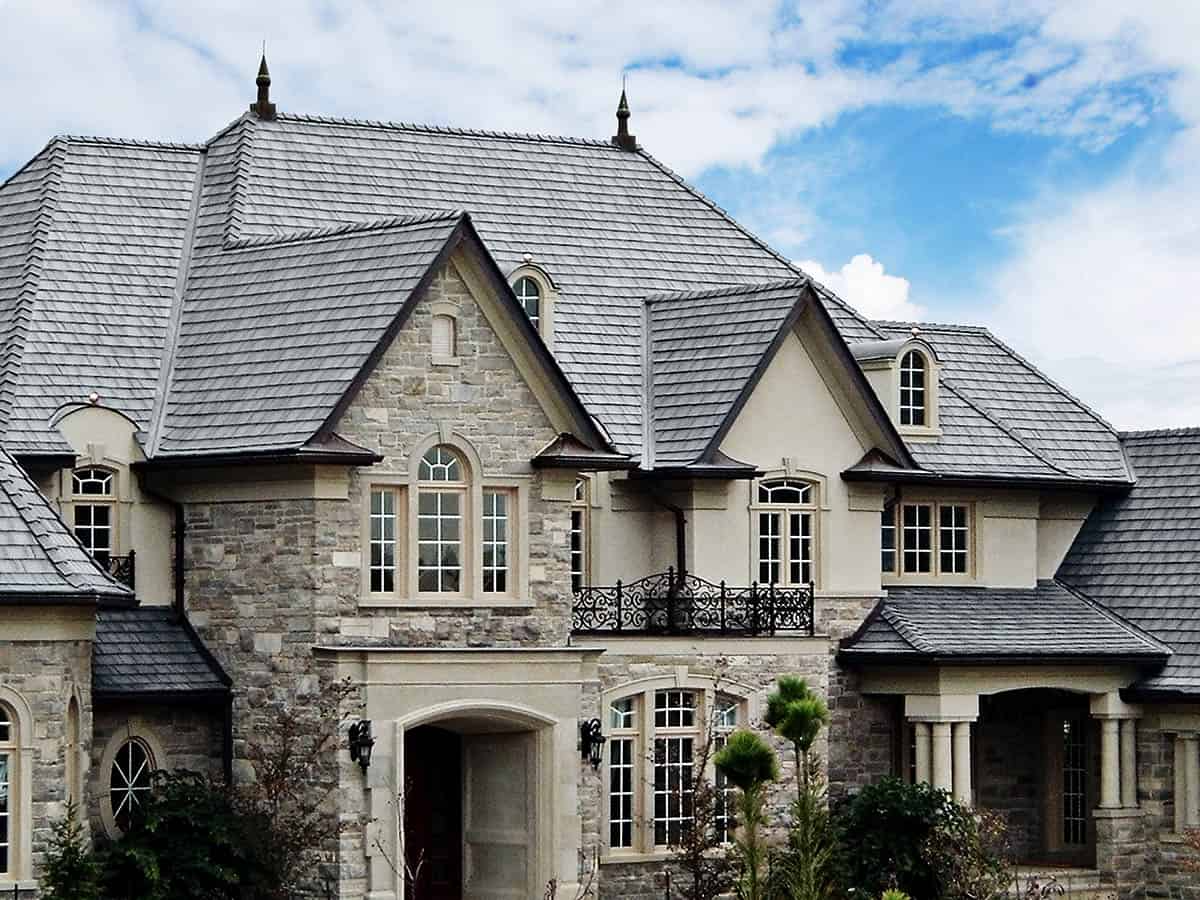
A cedar shake roof typically lasts 20 to 30 years with optimal upkeep, but as little as 10 to 15 years if routine maintenance is not followed or the climate is harsh.
A cedar shake roof's lifespan depends on the quality of the wood, local climate, roof design, installation, and maintenance. A well-built roof made from high-quality cedar can serve a home for decades, while prolonged dampness or neglected repairs can shorten its useful life considerably.
Conditions can vary even across one roof. A shaded slope beneath trees may stay damp longer than a sunny, open slope. Areas collecting leaves or pine needles may deteriorate sooner, particularly if debris interrupts drainage and prevents the wood from drying.
Age alone cannot tell you whether a cedar roof needs replacement. Widespread splitting, pronounced curling, soft or decayed shakes, and recurring leaks warrant a professional assessment. An experienced roofer can distinguish isolated damage from deterioration affecting much of the roof.
What maintenance does a cedar shake roof need?
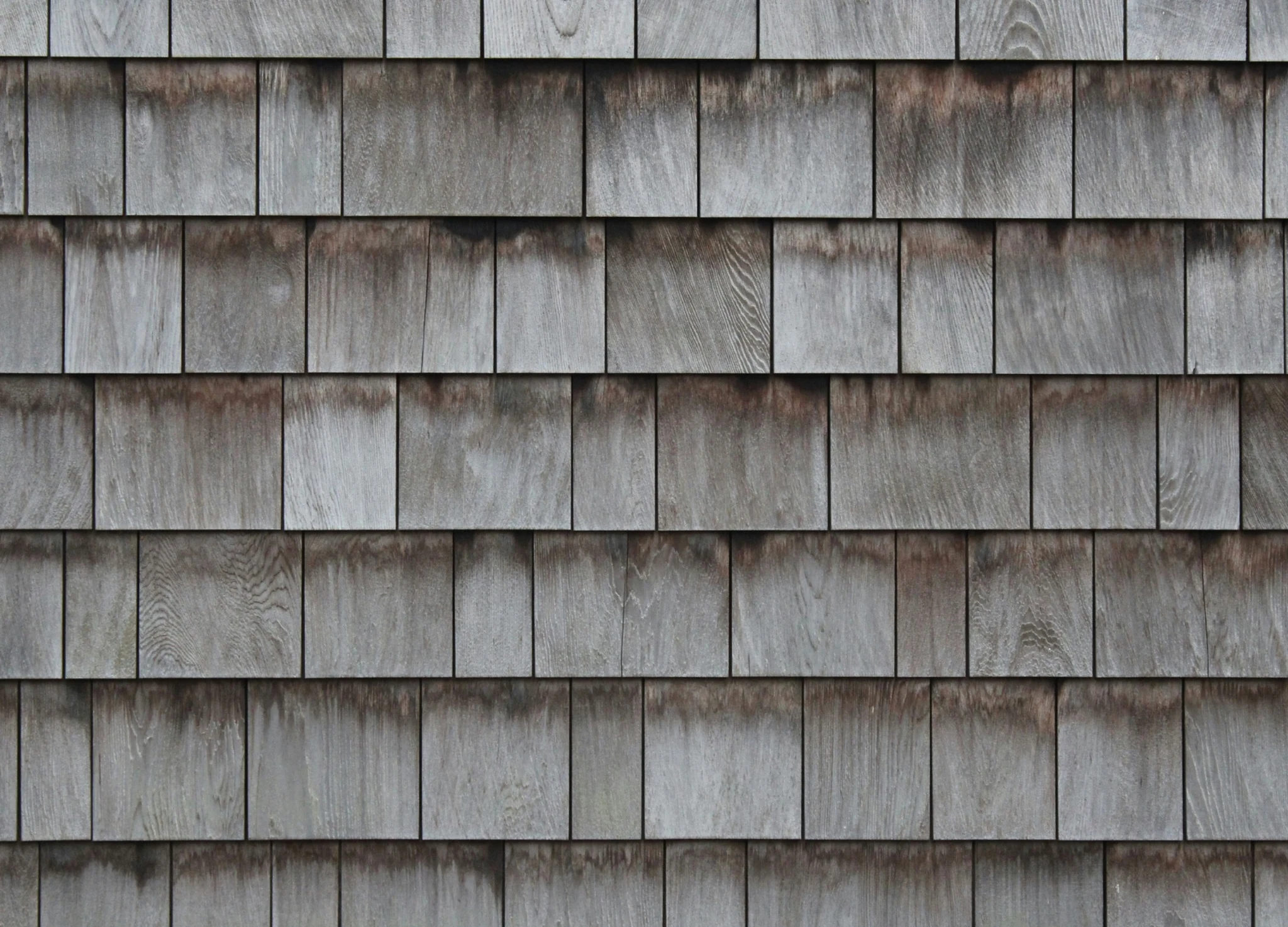
A cedar shake roof needs a professional inspection at least once a year, along with regular removal of leaves, needles, and moss, gentle low-pressure cleaning, prompt replacement of cracked or decayed shakes, and any UV-protectant or preservative treatments recommended for the product.
Natural cedar roofing needs regular inspections, debris removal, and repairs when individual shakes deteriorate. The aim is to keep water moving off the roof and allow the wood to dry between periods of wet weather.
Leaves and branches can collect in valleys and around roof details, while moss can hold moisture against the shakes. Homes beneath a dense tree canopy often need closer attention. Cleaning methods should suit wood roofing, since aggressive pressure washing can damage the surface.
Treatment requirements depend on the product and installation. Some roofs use preservative-treated or fire-retardant-treated cedar; homeowners should follow the applicable care instructions before applying additional products. A surface coating cannot restore a shake already weakened by decay.
Regular upkeep adds to the ownership cost of cedar. Cleaning, inspection visits, and replacement shakes should form part of the budget from the beginning, particularly for a cottage or second home where roof problems may go unnoticed between visits.
What are the drawbacks of natural cedar roofing?
The main drawbacks of natural cedar roofing are moisture damage, including rot, mold, moss, curling, and splitting; combustibility when the wood is untreated; a lifespan of 20 to 30 years with optimal upkeep, and as little as 10 to 15 years with poor maintenance or a harsh climate; and the ongoing cost and effort of that maintenance.
The qualities of wood influence how cedar ages as well as how it looks. Homeowners should consider moisture exposure and fire performance before committing to a natural cedar shake roof.
Moisture and weathering
Cedar absorbs and releases moisture as conditions change. Repeated wetting and drying can contribute to movement, including curling and splitting. Persistent dampness increases the risk of decay, especially where ventilation or drainage is inadequate.
Sunlight gradually weathers the exposed surface. Many homeowners appreciate the resulting silver-grey color, although a roof may weather unevenly because its slopes receive different amounts of sun and rain. Attractive aging and deteriorating wood can occur on the same roof, so color alone offers little guidance about its condition.
Fire performance
Untreated cedar is combustible. Fire-retardant-treated wood roofing is available, but any proposed roof must meet the fire requirements applicable to the property and its complete assembly. In a wildfire-prone location, the roofing material deserves particular attention alongside the other measures needed to protect the home.
How does cedar shake roofing compare with composite shakes?
Composite cedar shakes look like natural cedar but generally outlast it, resisting rot, insects, moisture, and UV damage while requiring far less maintenance. Many composite products, including Enviroshake, also carry a Class A fire rating and a Class 4 impact rating, and come with long, transferable warranties that natural cedar rarely offers.
Composite cedar shake roofing uses engineered materials to reproduce the appearance of wood. Homeowners often encounter the terms synthetic cedar shake or imitation cedar roofing during their search, but the appearance and performance of individual products vary considerably.
For an effective comparison, look closely at the grain, exposed edges, and variation across a completed installation. A cedar-inspired color offers only part of the effect. The profile needs enough depth to create shadows, and the surface needs detail appropriate to the scale of the roof.
Performance should receive the same scrutiny. Compare product-specific wind testing, impact ratings, fire-rated options, and warranty terms, along with maintenance requirements. Confirm the weight and installation requirements with your contractor, particularly when replacing an existing roof.
Why is Enviroshake the next generation of cedar?
Enviroshake is the next generation of cedar because it reproduces the look of real taper-sawn cedar shakes in a composite made from approximately 95% recycled materials that will not rot, mold, or attract insects, needs no preservatives or refinishing, and is backed by a 50-year fully transferable warranty.
Enviroshake starts with the appearance homeowners value in cedar and engineers the roofing material for a longer service life with less upkeep. The connection to natural wood extends to the individual profiles, which derive from 3D images of real taper-sawn cedar shakes.
Cedar texture, depth, and variation
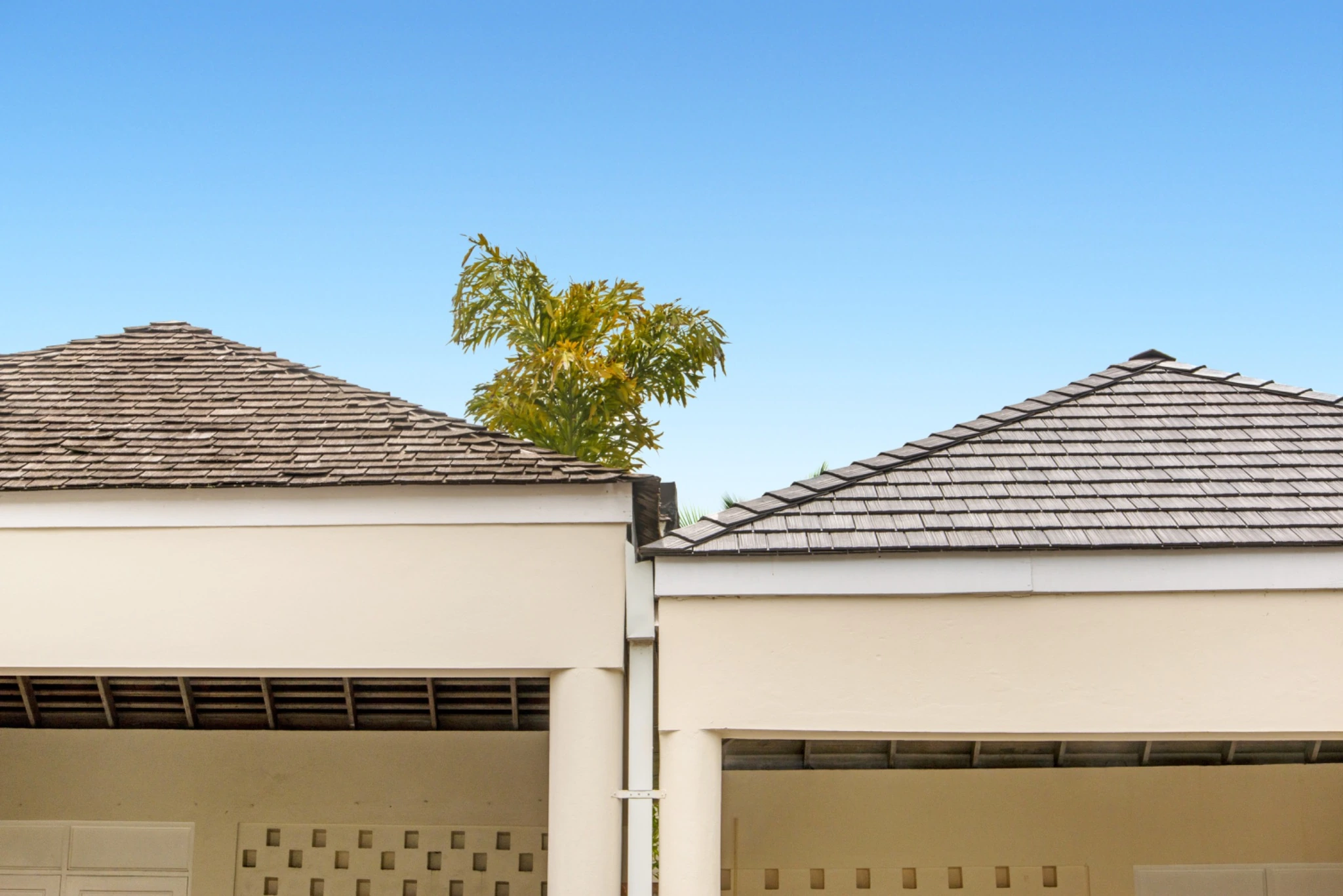
The grain and sculpted edges of Enviroshake recreate the detail of a cedar shake. Varied profiles and factory-shuffled bundles introduce the changes in appearance expected across a natural wood roof, while the substantial exposed edges give each course definition.
Color allows the roof to respond to the home's architecture and surroundings. Silvered Cedar suits homes where a weathered wood appearance feels established; Aged Cedar offers a warmer interpretation. A staggered installation can add further depth, particularly on a cottage or Tudor with a prominent roofline.
Homeowners replacing cedar can preserve the visual relationship between the roof and the rest of the house. The familiar wood texture remains appropriate beside mature landscaping, aged masonry, and traditional exterior details.
Engineered performance
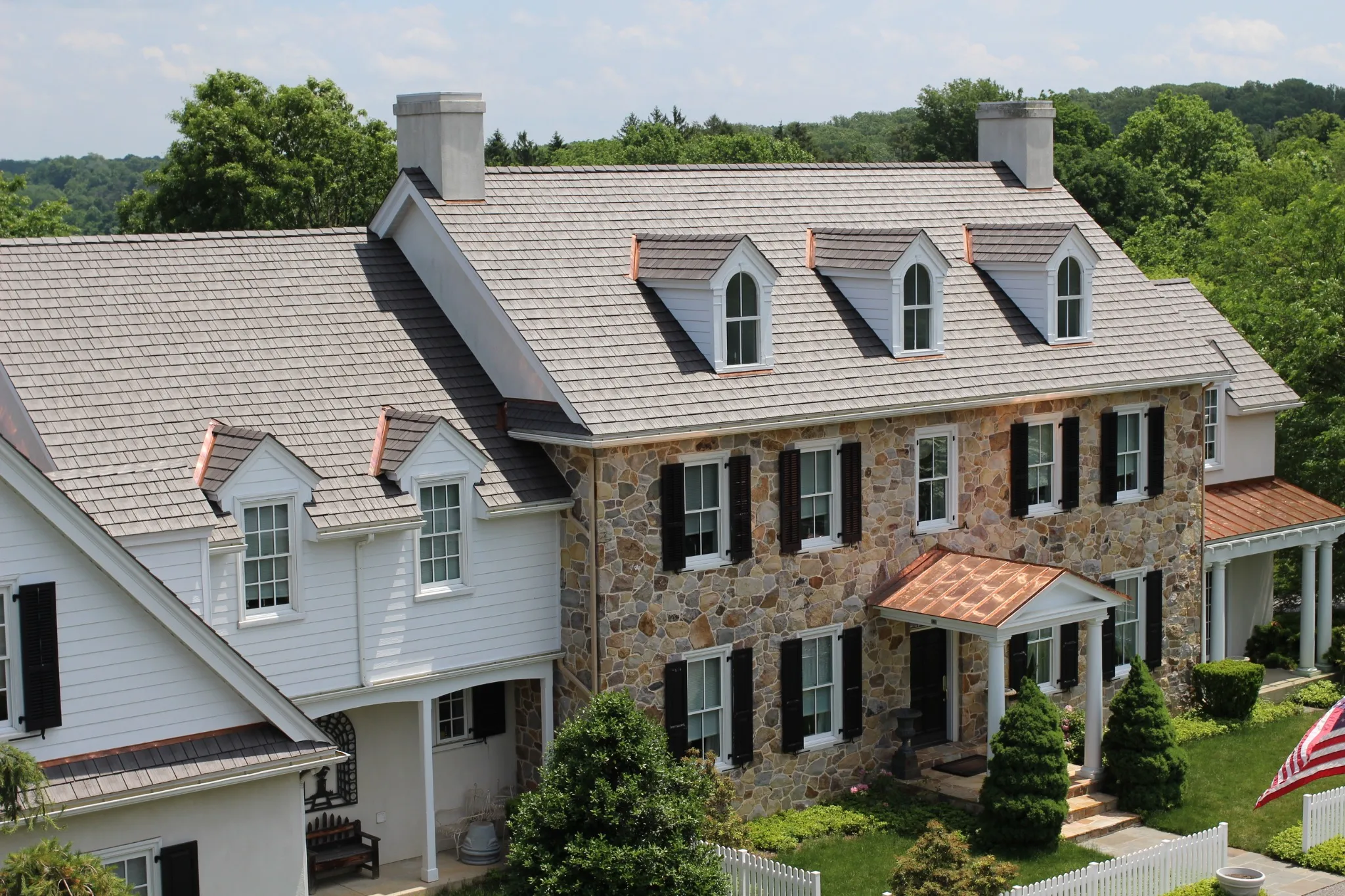
Enviroshake resists rot, mold, mildew, and insect damage and requires no cedar preservatives or refinishing. Its composite formulation also addresses the moisture-related deterioration homeowners encounter with natural wood shakes.
Third-party testing provides specific measures of performance: Enviroshake has been tested to 180 mph wind speeds and carries a UL 2218 Class 4 impact rating, the highest classification under the standard. Class A fire-rated options are available. The specified product and installation must suit the requirements of the project.
A low-maintenance roofing material still belongs to a roof system with gutters, flashing, and other components needing periodic attention. Enviroshake reduces the recurring care associated with the shakes themselves, an appealing advantage for homeowners planning to remain in their home or pass it on to family.
A more sustainable approach to the cedar roof
Natural cedar roofing relies on harvested wood, with sourcing practices influencing its environmental impact. Enviroshake uses approximately 95% post-industrial recycled materials, including recycled plastics, elastomers, and natural wood fibers.
Using recycled materials reduces demand for newly harvested cedar roofing. Durability matters as well: a roof intended for long service with fewer replacement cycles can reduce the material consumption and waste associated with repeated reroofing.
Enviroshake brings the cedar aesthetic into a material designed for the conditions a roof faces today. Its evolution lies in preserving the architectural character of cedar while improving the performance and care homeowners can expect.
Enviroshake and natural cedar compared
The table below sets Enviroshake beside natural cedar shakes across appearance, performance, upkeep and long-term ownership.
| Enviroshake | Natural Cedar Shake | |
|---|---|---|
| Appearance | Grain and sculpted edges derived from 3D images of real taper-sawn cedar shakes. | Natural grain, warm tones and thick edges that create deep shadow lines. |
| Variation Across the Roof | Varied profiles and factory-shuffled bundles recreate the natural variation of a wood roof. | Each shake is unique, with natural differences in grain, color and texture. |
| Color Over Time | Choose the finish from the start, such as Silvered Cedar for an established weathered look or Aged Cedar for warmer tones. | Weathers toward silver-grey with exposure, and may weather unevenly as slopes receive different sun and rain. |
| Material | Composite made from approximately 95% post-industrial recycled materials, including plastics, elastomers and natural wood fibers. | Natural wood, commonly Western Red Cedar or Alaskan Yellow Cedar. |
| Moisture and Rot | Resists rot, mold and mildew and the moisture-related deterioration common to wood shakes. | Absorbs and releases moisture, which can lead to curling, splitting, moss and decay where roofs stay damp. |
| Insects | Resists insect damage. | Natural resistance to insects and decay varies with species, heartwood content and the condition of the wood. |
| Fire | Class A fire-rated options available. | Untreated cedar is combustible. Fire-retardant-treated cedar is available but must meet the requirements of the property and roof assembly. |
| Wind | Third-party tested to withstand winds up to 180 mph. | Performance depends on installation and condition, and aging, split or curled shakes can become more vulnerable. |
| Impact | UL 2218 Class 4 impact rated, the highest classification under the standard. | Wood can split or crack under severe impact. |
| Maintenance | No staining, sealing, preservatives or refinishing required. | Regular inspections, debris and moss removal, replacement of deteriorated shakes and any required treatments. |
| Lifespan and Warranty | Designed as a lifetime roofing system and backed by a 50-year fully transferable warranty. | Typically 20 to 30 years with optimal upkeep, but as little as 10 to 15 years if maintenance is neglected or the climate is harsh. |
| Cost of Ownership | Minimal recurring upkeep costs for the shakes themselves. | Cleaning, inspections and replacement shakes should be budgeted throughout the life of the roof. |
| Sustainability | Recycled content reduces demand for newly harvested cedar, and fewer replacement cycles reduce reroofing waste. | Relies on harvested wood, with sourcing practices influencing its environmental impact. |
Is Enviroshake right for your home?
Enviroshake is right for your home if you want the authentic look of a cedar shake roof without the ongoing maintenance, moisture damage, and fire concerns of natural wood, particularly if you plan to stay in your home long-term or own a cottage that sits empty for parts of the year.
If you want the grain, depth, and weathered tones of a cedar shake roof, Enviroshake deserves a place in your comparison. Consider your home's architecture, the surrounding landscape, and the demands of your climate, then review the product specifications with your contractor.
A physical sample makes the decision easier. View the texture and exposed edge up close, and hold different colors beside your siding, trim, and stone. Our team can help you select a cedar-inspired roof suited to your home and discuss the installation requirements for your project.
Interested in learning more about Enviroshake products?
Contact us today to discuss your project and how we can help you achieve your design goals.
.webp)