What Are Synthetic Roofing Products?
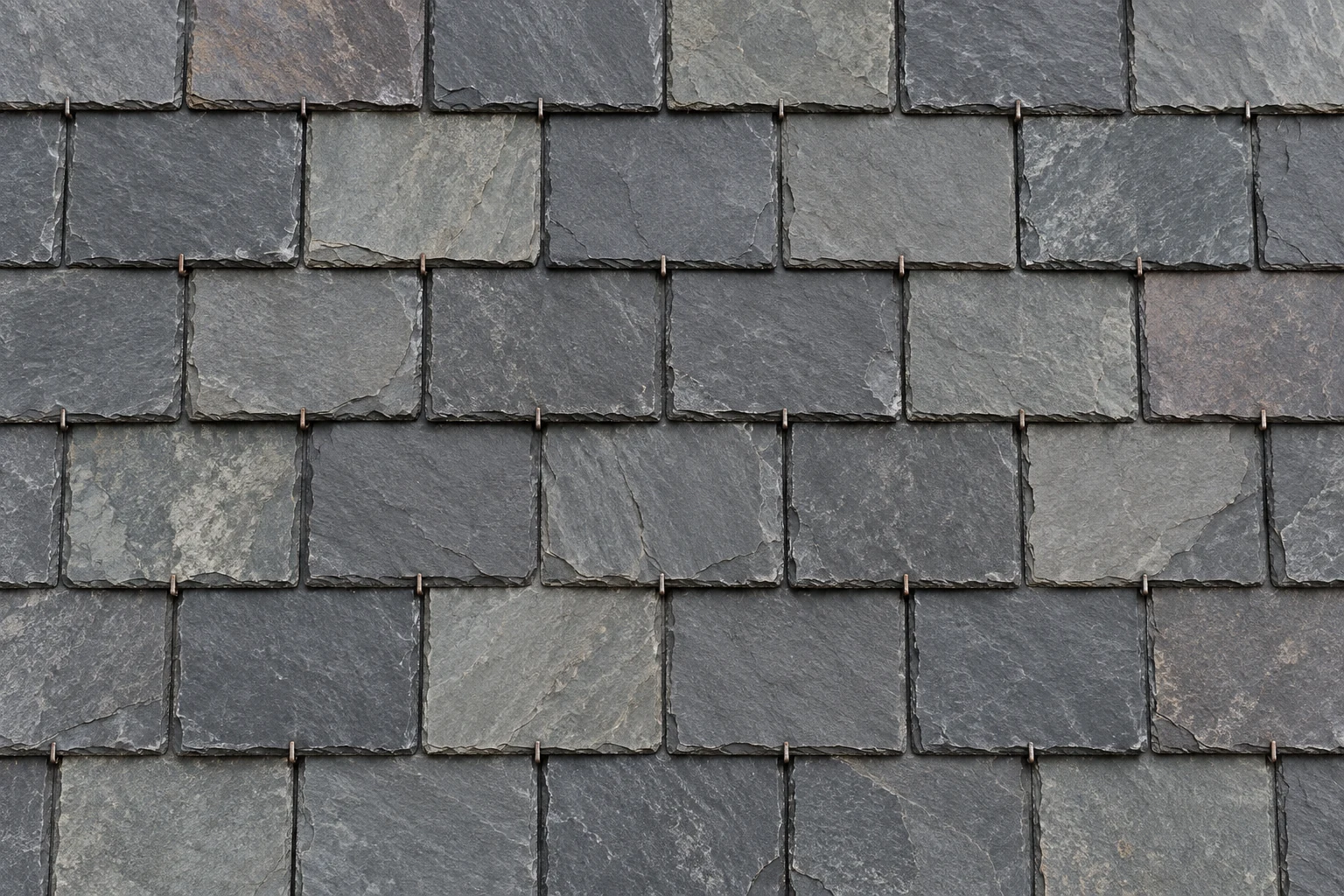
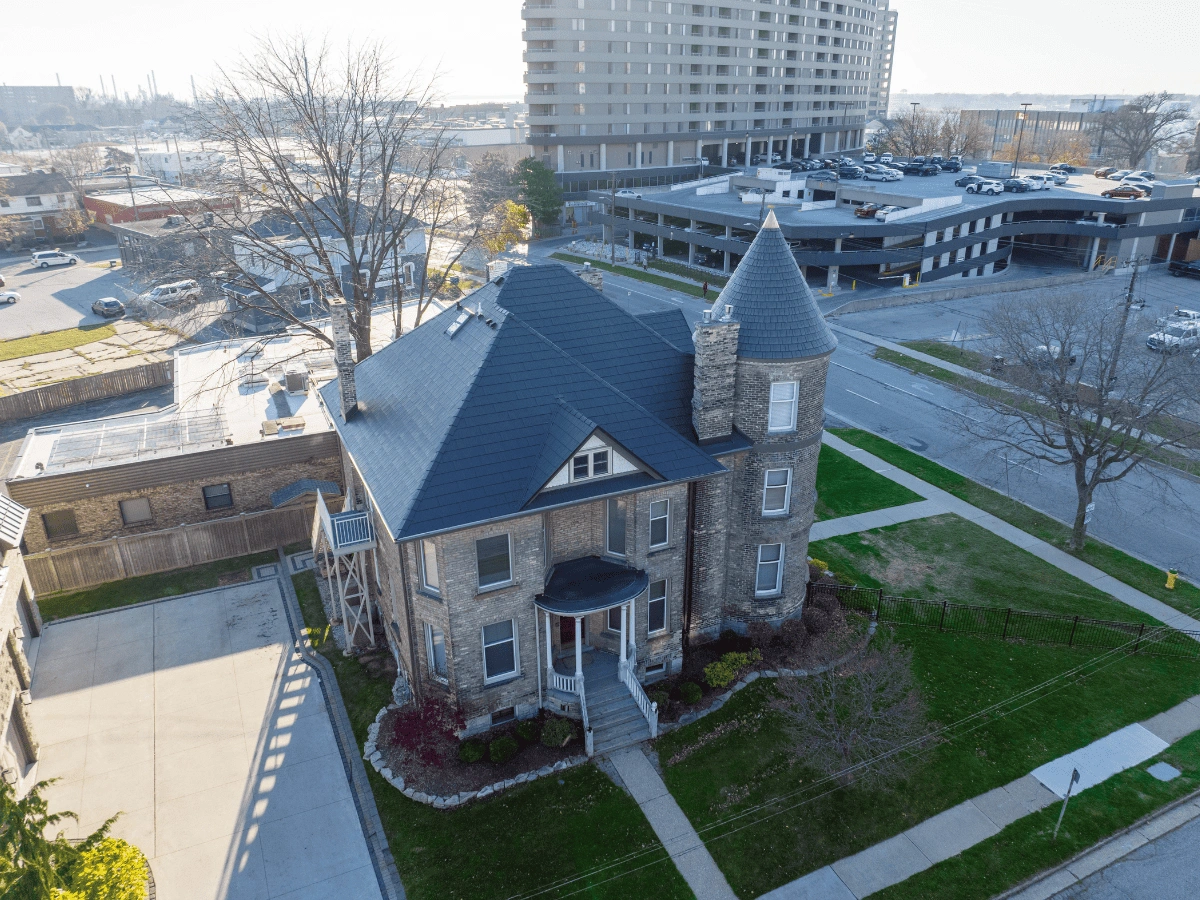
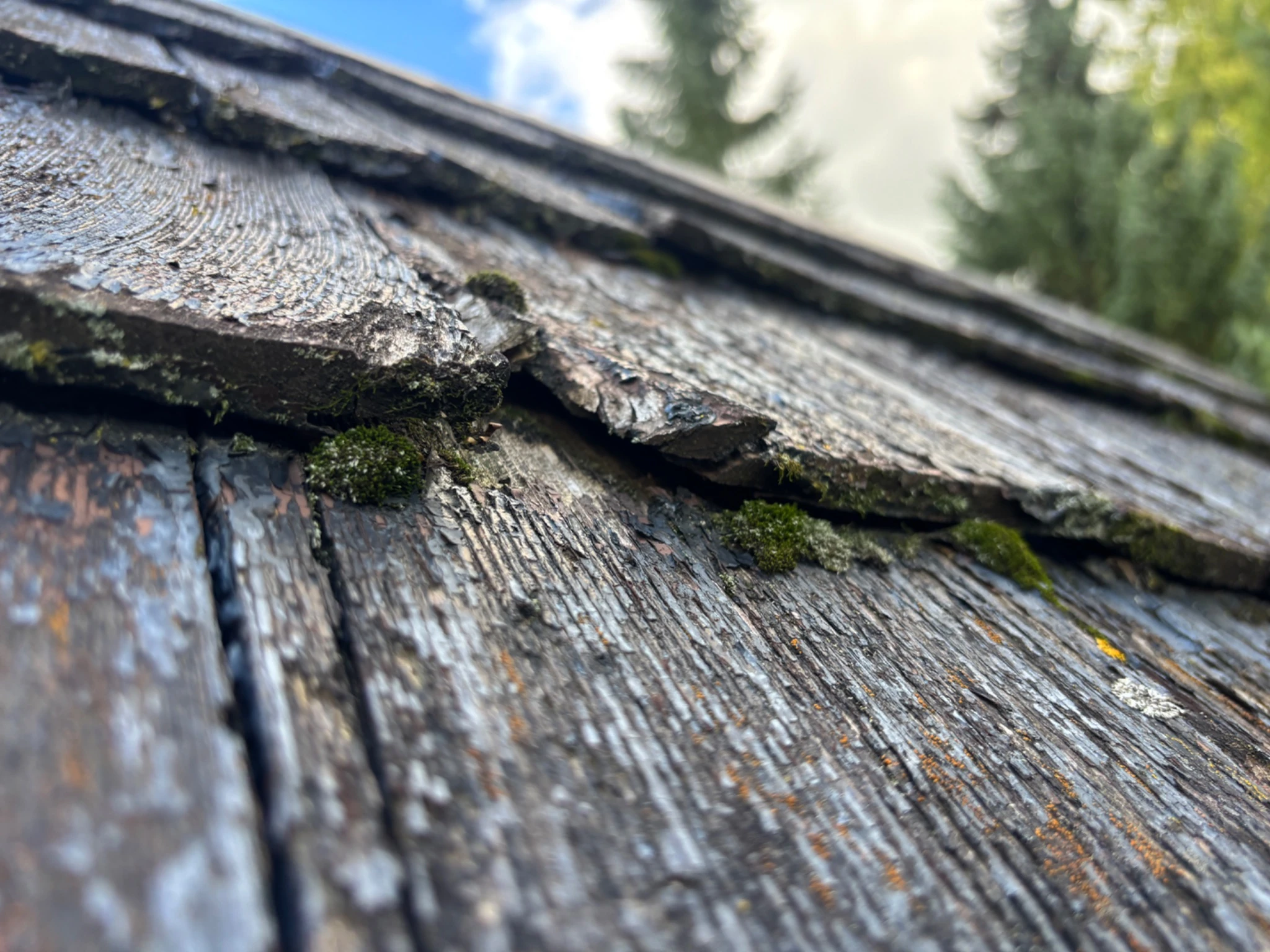
Synthetic roofing products are typically made from polymers, plastics, rubber blends, or other manufactured materials designed to imitate cedar, slate, or tile. They can offer lower maintenance than natural materials and may provide solid resistance to rot and insects, but performance varies significantly by manufacturer. Some products carry Class 3 or Class 4 impact ratings, while fire classifications can range from Class A to Class C depending on the product and roof assembly.
Aesthetics are another major point of separation. Many synthetic roofs use highly uniform molds, repeated profiles, and smoother finishes that can create a shinier, more manufactured appearance. On premium or traditional homes, this visualconsistency can make the roof look noticeably less natural than real cedar or a higher-end composite designed specifically to reproduce its texture and variation.
How is Enviroshake Different?
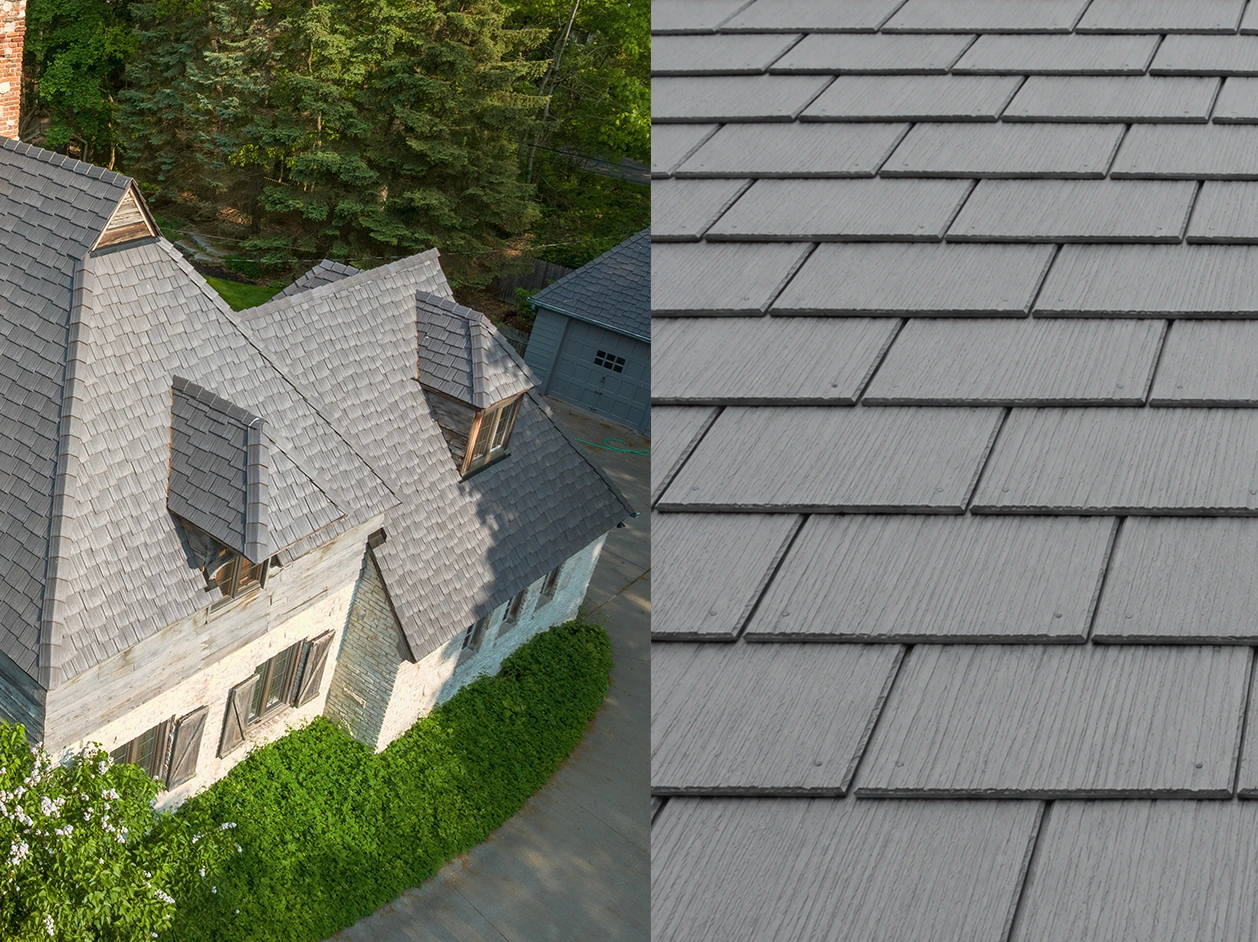
Enviroshake is an engineered composite cedar shake designed to replicate the depth, grain, texture, and natural variation of real cedar while delivering stronger long-term performance. Its profiles are molded to avoid the repetitive, overly uniform appearance common with many synthetic products, giving the finished roof more authentic shadow lines and a matte, natural-looking surface.
Enviroshake is third-party tested to 180 MPH, carries a Class 4 impact rating under UL 2218, and is available with a Class A fire-rated assembly. It is also engineered to resist cracking, splitting, rot, mold, mildew, and insect damage, while requiring virtually no maintenance. For homeowners comparing synthetic roofing products, Enviroshake is designed to deliver both the durability expected from a modern composite and the architectural character that many synthetic alternatives struggle to reproduce.
|
Enviroshake
|
Other Synthetics
|
| Appearance |
|
|
|
Overall Look
|
Replicates the depth, texture and grain of natural cedar
with a matte, premium appearance
|
Appearance varies widely; many products have a smoother, shinier or more visibly manufactured finish
|
|
Natural Variation
|
Multiple profiles and natural-looking tonal variation
help prevent a repetitive roof pattern
|
Often more uniform, with repeated molds and predictable patterns that can make the roof look synthetic
|
|
Architectural Character
|
Designed specifically to preserve the character of cedar on premium, heritage and traditional homes
|
Quality varies considerably, and some products lack the depth and irregularity associated with natural cedar
|
| Durability & Performance |
|
|
|
Lifespan
|
50+ years
with long-term performance engineered into the material
|
Commonly backed by 30-50 year warranties, with terms and proration varying by manufacturer
|
|
Cracking & Splitting
|
Engineered to resist cracking and splitting
|
Some synthetic tiles can crack or break and require individual replacement
|
|
Wind Performance
|
Third-party tested to
180 MPH
|
Ratings vary by manufacturer, fastening system and product, with some systems more susceptible to tile uplift
|
|
Impact Resistance
|
Class 4
under UL 2218, the highest residential impact rating
|
Commonly Class 3 or Class 4 depending on the manufacturer and specific product
|
|
Rot & Insect Resistance
|
Resistant to rot, mold, mildew and insects
|
Generally resistant to insects and rot, depending on material composition
|
| Fire Performance |
|
|
|
Fire Rating
|
Class A fire-rated assembly available
|
Can range from Class A to Class B or Class C depending on the manufacturer, product and complete roof assembly
|
|
Fire Consistency
|
Clearly documented fire-rated assemblies allow the required performance level to be specified for the project
|
Fire performance cannot be assumed across the category and must be verified for each individual product
|
| Maintenance |
|
|
|
Routine Maintenance
|
Very low
|
Generally low, though cracked or damaged tiles may require replacement
|
| Sustainability |
|
|
|
Material Content
|
Manufactured using
95% post-industrial recycled materials
|
Material composition varies; many products rely heavily on virgin or petroleum-based materials
|
| Warranty |
|
|
|
Warranty
|
Fully transferable lifetime warranty
|
Commonly 30-50 years, with transferability, exclusions and proration varying by manufacturer
|
| Best Choice When |
|
|
|
Priority
|
You want authentic cedar aesthetics backed by proven durability, severe-weather performance and strong fire options
|
You want a low-maintenance synthetic roof and are comfortable comparing individual products closely for aesthetics, fire rating and durability
|