Common Problems with Cedar Shake Roofing Over Time
Key Takeaways
- Cedar shake roofing naturally deteriorates over time due to moisture, UV exposure, and temperature fluctuations, leading to gradual structural weakening.
- The most common issues include rot, mold and moss growth, and cracking or curling, all of which stem from environmental stress and moisture retention.
- Early warning signs like discoloration, missing shakes, and uneven surfaces can help homeowners catch problems before costly damage occurs.
- While maintenance can slow deterioration, engineered roofing alternatives offer improved durability, lower upkeep, and more consistent long-term performance.
What Are the Most Common Problems with Cedar Shake Roofing?
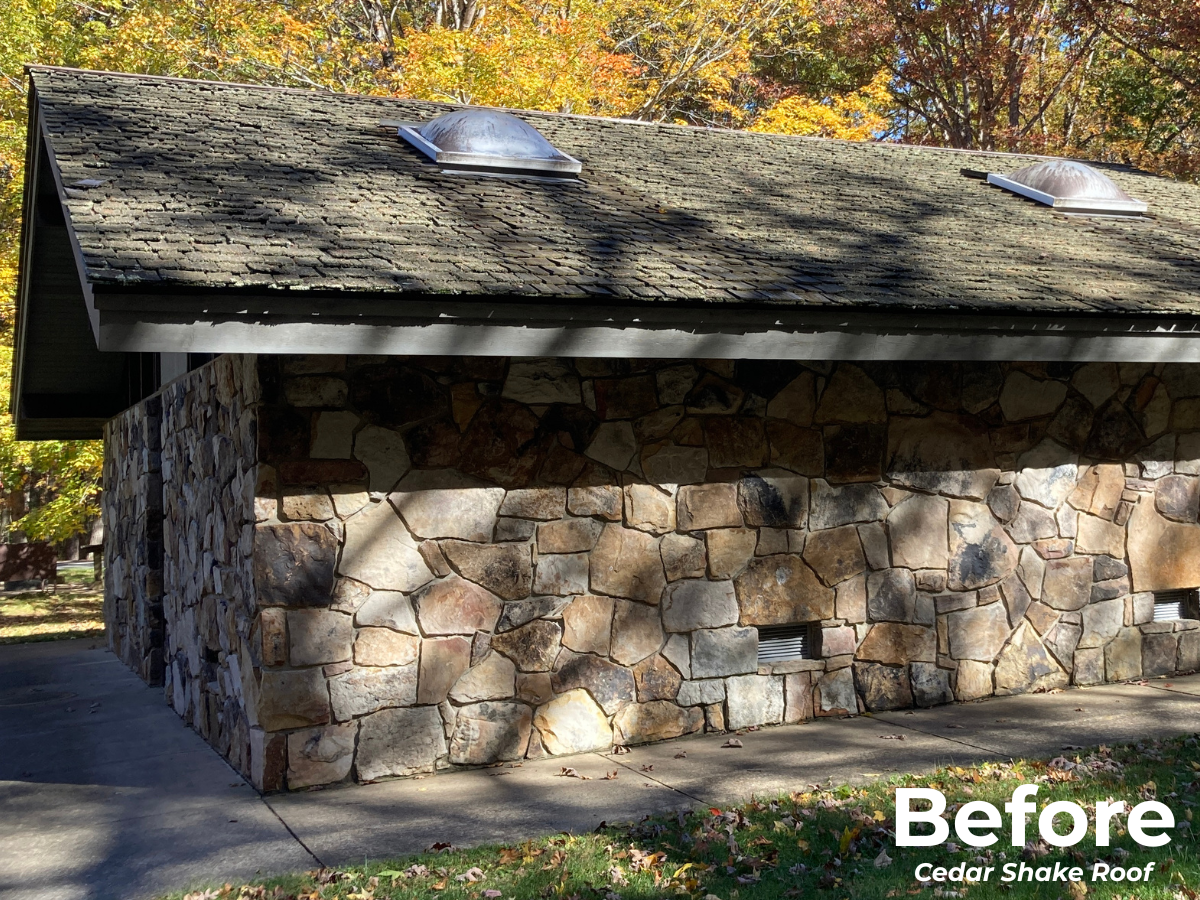
Cedar shake roofing has long been valued for its natural beauty and rustic appeal. Its distinctive texture and warm tones make it a popular choice for homeowners seeking a traditional or high-end aesthetic. However, as a natural wood product, cedar is inherently susceptible to gradual deterioration over time. While cedar shake roofing is visually appealing, its lifespan and maintenance demands often lead to higher long-term costs. Constant exposure to weather, moisture, and organic growth can lead to both structural and visual issues that affect long-term performance.
Understanding the most common problems with cedar shake roofing is essential for homeowners and property managers. Without proper awareness, minor issues can go unnoticed until they require costly repairs or full replacement. This guide explores why these issues occur, how to recognize early warning signs, and what they mean for the longevity of your roof.
Why Does Cedar Shake Roofing Deteriorate Over Time?
Cedar shake roofing is made from natural wood, which means it reacts continuously to environmental conditions. So how long do cedar shake roofs really last? Unlike synthetic materials, cedar is organic and porous, making it vulnerable to moisture, sunlight, and temperature fluctuations. Over time, repeated exposure to these elements gradually weakens the material, leading to both visible wear and structural damage.
Deterioration is typically a slow process rather than a sudden failure. Many homeowners may not notice issues until they become more severe, which is why understanding the underlying causes is critical. From moisture retention to UV exposure, several key factors contribute to the aging and breakdown of cedar shake roofs. Regular environmental stress gradually compounds, reducing the roof’s ability to perform as intended.
Moisture Exposure and Water Retention
Cedar shakes naturally absorb moisture from rain, snow, and humidity. When debris such as leaves or dirt accumulates on the roof, it can trap water and prevent proper drainage. This prolonged moisture exposure creates ideal conditions for rot and mold to develop.
Poor ventilation further compounds the problem by limiting airflow, which slows drying time. Over time, the wood fibers weaken, making the shakes more susceptible to decay. Moisture is widely considered one of the leading causes of cedar roof failure.
UV Damage and Weathering
Constant exposure to sunlight causes cedar to dry out and lose its natural oils. Ultraviolet (UV) radiation gradually breaks down the wood’s structure, leading to fading, brittleness, and surface cracking.
As the shakes weather, they transition from their original rich color to a gray, aged appearance. While this may be aesthetically acceptable to some, the underlying damage reduces durability and increases the likelihood of splitting and water penetration.
Natural Aging of Wood Materials
As an organic material, cedar expands and contracts with changes in temperature and humidity. This continuous movement places stress on the wood over time.
Eventually, repeated expansion and contraction lead to warping, splitting, and structural weakening. Even with proper maintenance, all cedar shake roofs will experience some degree of natural aging, making long-term deterioration unavoidable.
Most Common Cedar Shake Roofing Problems
Cedar shake roofs can develop a range of issues as they age. Many of these problems are interconnected, often stemming from moisture exposure and environmental stress. These issues typically develop progressively and are often interconnected rather than isolated problems. Below are the most common roofing problems homeowners encounter:
Rot and Decay
Wood rot occurs when moisture penetrates the cedar shakes and remains trapped for extended periods. Fungal growth begins to break down the wood fibers, weakening the structural integrity of the roof.
One of the challenges with rot is that it often develops beneath the surface, making it difficult to detect early. By the time it becomes visible, significant damage may already have occurred, potentially requiring extensive repairs or replacement.
Mold, Mildew, and Moss Growth
Damp, shaded conditions create the perfect environment for biological growth. Mold, mildew, and moss can develop on cedar roofs, particularly in areas with limited sunlight or high humidity.
Moss is especially problematic because it retains moisture against the wood surface. This constant dampness accelerates deterioration and increases the risk of rot. Over time, these growths can spread and compromise larger sections of the roof.
Cracking, Splitting, and Curling
Exposure to sun and fluctuating temperatures causes cedar shakes to dry out and deform. As the wood loses moisture, it becomes brittle and more prone to cracking and splitting.
Curling edges are another common issue, reducing the roof’s ability to effectively shed water. These openings allow moisture to penetrate beneath the shakes, further contributing to long-term damage.
Early Warning Signs Homeowners Should Watch
Early warning signs of cedar shake roof failure often appear visually before structural damage becomes serious. Regular visual inspections can help homeowners spot warning signs before they escalate into major issues.
Discoloration and Dark Streaks
Changes in color are often one of the first indicators of trouble. Dark streaks or uneven discoloration may signal moisture retention, mold growth, or algae buildup. These visual changes should not be ignored, as they often point to underlying issues that could worsen over time if left unaddressed.
Loose or Missing Shakes
Over time, cedar shakes can loosen due to wind exposure, aging, or structural wear. In some cases, shakes may fall off entirely, leaving gaps in the roof. These openings expose the underlayment to the elements, increasing the risk of leaks and water damage inside the home.
Uneven Roof Surface
Warping, curling, and shifting shakes can create an uneven roofline. This not only affects the appearance of the roof but also disrupts proper water drainage. An uneven surface allows water to pool in certain areas, increasing the likelihood of moisture penetration and accelerating deterioration.
Can Cedar Shake Roofing Problems Be Prevented or Reduced?
While it is impossible to completely eliminate all of the problems that come with cedar shake roofing, proper maintenance can reduce their impact and slow the rate of deterioration. However, homeowners purchasing a premium material like cedar should also consider the lifetime cost of preventative and required maintenance on their roof. Factoring in ongoing upkeep is essential when comparing cedar to alternative roofing materials.
Regular Inspections and Cleaning
Routine inspections allow homeowners to identify early signs of damage before they become severe. Removing debris such as leaves and branches helps prevent moisture buildup and improves drainage.
Keeping the roof clean is one of the simplest and most effective ways to maintain your roof and extend its lifespan.
Proper Ventilation and Installation
Correct installation plays a major role in the long-term performance of cedar shake roofing. Adequate ventilation ensures proper airflow, allowing moisture to evaporate more quickly.
Many common issues can be traced back to improper installation or insufficient ventilation, making professional setup essential.
Timely Repairs and Treatments
Addressing minor issues early can prevent them from escalating. Replacing damaged shakes, sealing cracks, and applying protective treatments can slow the aging process.
Consistency is key. Ongoing maintenance is required to preserve the roof’s condition over time.
Are There Long-Term Alternatives to Cedar Shake Roofing?
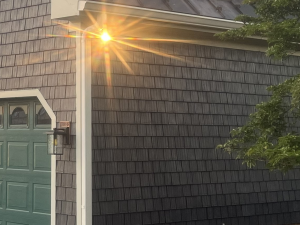
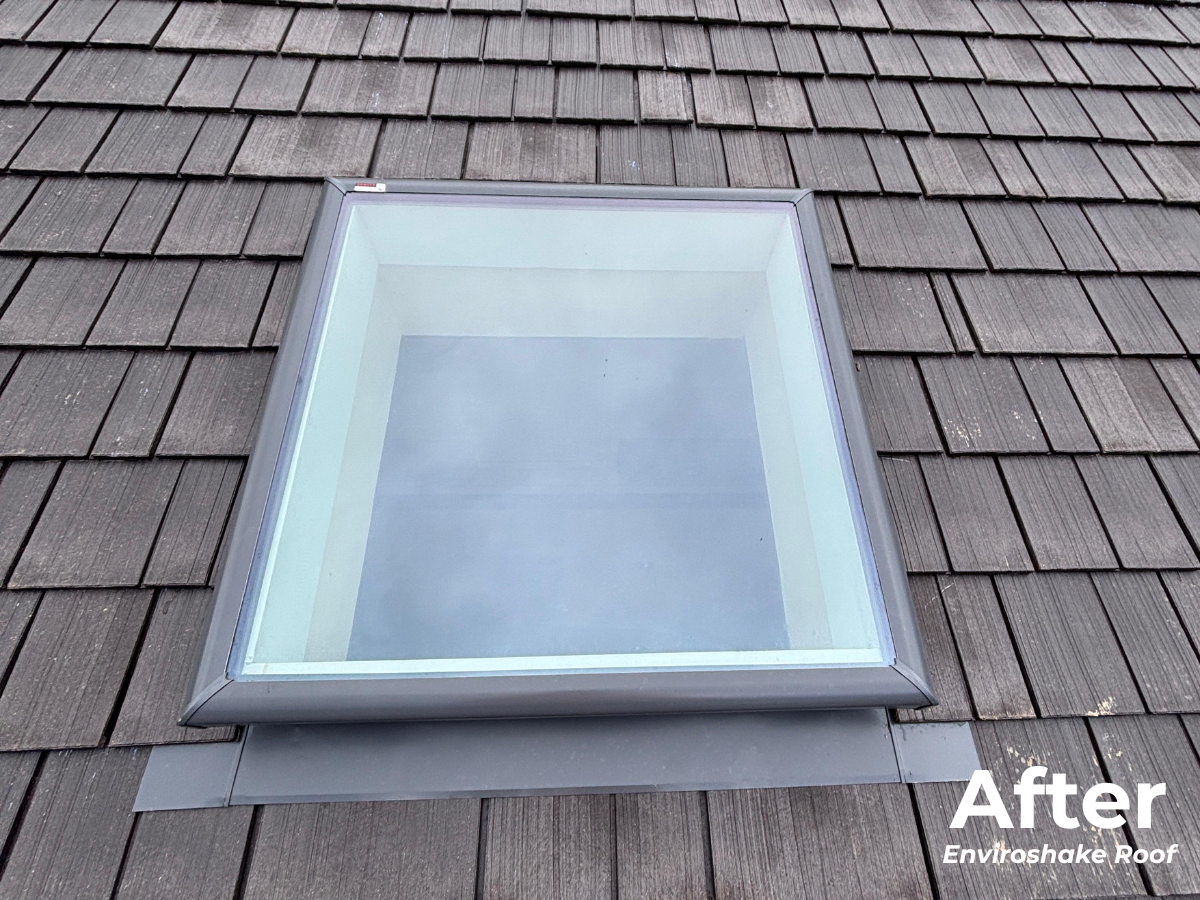
For homeowners seeking to avoid the recurring challenges associated with cedar, engineered roofing materials like synthetic roofs offer a more durable alternative. Engineered roofing systems like Enviroshake are designed to replicate the natural appearance of cedar shake while addressing many of the material’s most common failure points. Unlike natural wood, composite roofing materials are engineered to resist moisture absorption, reduce the risk of rot and biological growth, and maintain more consistent performance under long-term UV and weather exposure. This allows homeowners to preserve the cedar shake tradition without the same level of ongoing deterioration and maintenance demands associated with natural wood roofing.
Improved Resistance to Moisture and Rot
Unlike natural cedar, engineered roofing materials are designed to resist water absorption. This significantly reduces the risk of rot, decay, and mold growth. By preventing moisture from penetrating the surface, these materials maintain their structural integrity for longer periods.
Reduced Maintenance Requirements
Composite roofing systems require far less maintenance compared to cedar shake roofs. They do not need frequent cleaning, treatments, or repairs to maintain performance. This reduction in upkeep translates to lower long-term costs and less ongoing effort for homeowners.
More Consistent Long-Term Performance
Engineered roofing materials are built for durability and consistency. They do not experience the same level of cracking, splitting, or warping as natural wood. As a result, homeowners can expect more predictable performance and a longer lifespan without the gradual deterioration associated with cedar.
Learn more about the comparison between composite roofs vs traditional cedar or the lifecycle of a roof.

Request a Sample from Enviroshake
If you’re exploring alternatives to cedar shake roofing, Enviroshake offers a durable, low-maintenance solution designed to replicate the natural look of wood without the common drawbacks. Experience the difference firsthand and see how engineered roofing can provide long-term performance and reliability.