What is Roof Decking and Why is it Important?
Key Takeaways
- Roof decking is the structural foundation of your roofing system, directly impacting durability, moisture resistance, and overall roof performance.
- Plywood, especially 5/8 inch thickness, is the preferred decking material for strength, fastener retention, and long-term reliability.
- Choosing the right decking depends on climate, cost, and compatibility with your roofing system, especially for premium materials like Enviroshake.
- Poor decking selection or installation can lead to premature roof failure.
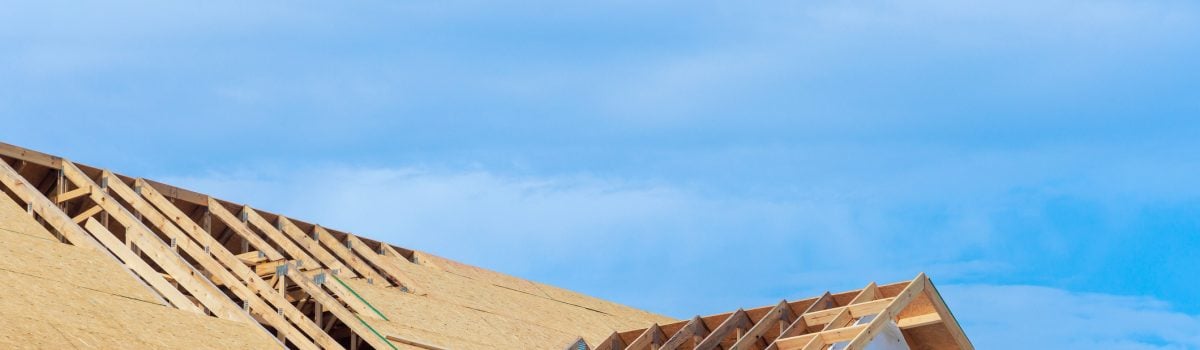
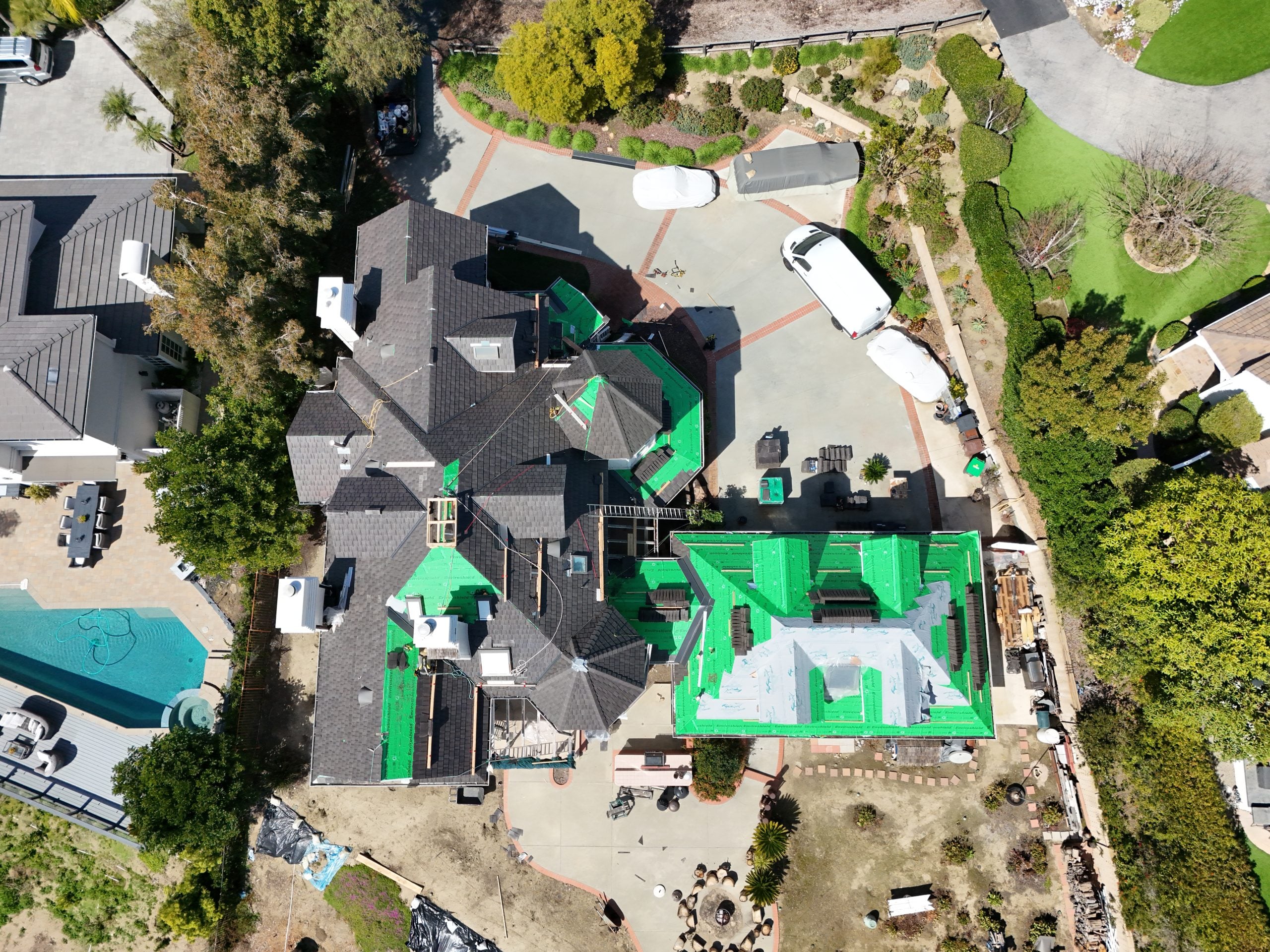
Roof decking is the structural foundation of your entire roofing system, installed directly on top of the roof framing such as trusses or rafters. It creates a stable surface for underlayment and roofing materials, allowing the entire system to perform as intended.
Although it is typically hidden from view, roof decking plays a critical role in long-term performance, durability, and lifespan. The type of roof decking you choose directly impacts moisture resistance, fastener strength, ventilation, and overall system integrity, which is especially important when paired with premium materials.
If you are planning a full roofing project, it is also helpful to understand how decking interacts with all components of a roof like underlayment and ventilation systems.
Why Roof Decking Matters for Roof Performance
A properly selected and installed roof deck supports both structural integrity and long-term performance. Without a solid foundation, even high-quality roofing materials can fail prematurely under stress from weather and moisture.
Key Benefits of Proper Roof Decking
- Provides structural support for roofing materials
- Ensures secure fastener attachment and wind resistance
- Helps manage moisture and prevent mold or rot
- Supports proper ventilation and energy efficiency
- Extends the lifespan of the entire roofing system
Roof decking also plays a key role in how your roof handles water runoff and airflow. If you are exploring drainage design, you may also want to review Types of Roof Valleys to better understand water management across your roof.
Types of Roof Decking: Pros and Cons
Choosing the right roof decking material depends on your budget, climate, and roofing system requirements. Each option offers different strengths in terms of durability, moisture resistance, and compatibility with modern roofing systems.
Plywood Roof Decking (Recommended Standard)
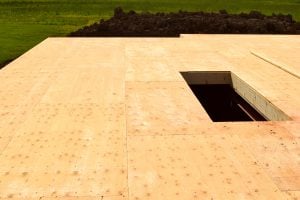
Plywood is the most widely recommended roof decking material for residential applications because of its strength and reliability. It provides a consistent surface that performs well under a wide range of environmental conditions.
Typical Thickness: 1/2 inch to 5/8 inch (5/8 inch is the gold standard)
Pros of Plywood Decking
- Strong and durable with excellent load distribution
- Superior fastener holding strength
- Better moisture resistance compared to alternatives
- Less prone to sagging between rafters
Cons of Plywood Decking
- Higher upfront cost than OSB (Oriented Strand Board).
Why Plywood Thickness Matters
Thicker plywood improves rigidity and fastener retention while reducing the risk of warping over time. This makes it the preferred choice for high-performance roofing systems like Enviroshake, where long-term durability is critical.
OSB Roof Decking (Oriented Strand Board)
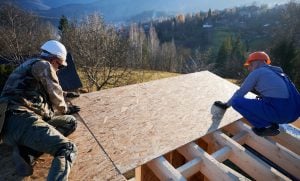
OSB is a common alternative to plywood and is frequently used in modern construction due to its lower cost. It offers consistent manufacturing but does not always perform as well under prolonged moisture exposure.
Pros of OSB Decking
- Lower material cost
- Consistent manufacturing quality
Cons of OSB Decking
- More susceptible to moisture absorption and swelling
- Reduced fastener holding strength over time
- Can degrade faster when exposed to prolonged moisture
Key Consideration
In humid or wet climates, OSB may lead to long-term performance issues. This is particularly important if you are installing roofing materials that rely on a stable substrate.
Enviroshake does not recommend installing on OSB. If OSB is being used with your Enviroshake project please speak with our technical advisor on minimum thickness and fastener recommendations.
Tongue and Groove Roof Decking
Tongue and groove decking uses interlocking wood panels that create a tight and stable connection. It is often chosen for aesthetic reasons when the underside of the roof will remain visible.
Pros
- Strong and secure board connection
- Visually appealing for exposed ceilings
- Good structural integrity
Cons
- Higher material and labor costs
- Less common in standard residential roofing
Wood Plank and Skip Sheathing
This type of decking is commonly found in older homes and consists of spaced or continuous wood planks. While it can support certain traditional roofing materials, it often requires upgrades to meet modern performance standards.
Pros
- Allows airflow in certain configurations
- Suitable for traditional roofing materials
Cons
- Inconsistent spacing can impact installation
- Not compatible with many modern roofing systems
- Often requires plywood overlay for proper performance
If you are renovating an older roof, it is important to assess whether your decking needs upgrading before installing new materials.
Batten Roof Decking Systems
Battens are horizontal strips installed across rafters and are commonly used with tile or metal roofing systems. They create spacing that allows for airflow and drainage behind the roofing material.
Pros
- Promotes airflow and ventilation
- Lightweight system
Cons
- Does not provide a continuous decking surface
- Limited compatibility with many roofing materials
Open Roof Deck Systems
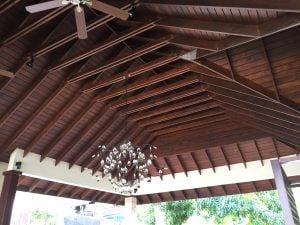
Open decking systems include intentional gaps between structural supports to maximize airflow. While beneficial for ventilation, they are rarely used in modern residential roofing due to limited structural support.
Pros
- Maximizes ventilation
Cons
- Not suitable for most roofing systems
- Limited structural support
- Rare in modern residential construction
Concrete Roof Decking
Concrete decking is typically used in commercial or flat roof applications where strength and fire resistance are priorities. It offers excellent durability but comes with higher installation complexity.
Pros
- Extremely durable and long-lasting
- Fire-resistant
- High load-bearing capacity
Cons
- Heavy and expensive
- Requires specialized installation
- Not common for residential sloped roofs
Metal Roof Decking
Metal decking is primarily used in commercial and industrial buildings and is valued for its strength and resistance to environmental damage. It typically requires additional layers such as insulation and membranes.
Pros
- High strength-to-weight ratio
- Resistant to rot, mold, and pests
- Long lifespan
Cons
- Requires additional insulation layers
- Not commonly used in residential roofing
Key Factors When Choosing Roof Decking
Selecting the right roof decking material involves balancing performance, cost, and environmental conditions. Making the right choice early can prevent costly repairs and extend the life of your entire roofing system.
Climate and Environmental Conditions
Moisture, temperature fluctuations, and humidity levels all influence how roof decking performs over time. In wetter climates, materials with higher moisture resistance such as plywood are typically the better choice.
Cost vs. Long-Term Value
While OSB may reduce upfront costs, plywood often provides better durability and fewer long-term issues. This makes plywood a more cost-effective option over the lifespan of the roof.
Building Codes and Regulations
Local building codes define minimum thickness requirements, span ratings, and approved materials. Ensuring compliance is essential for both safety and long-term performance.
Roofing System Compatibility
Not all decking types work with every roofing material. High-performance systems like Enviroshake perform best on solid, properly spaced decking such as 5/8 inch plywood.
To ensure your full roofing system is installed correctly, it’s important to review the manufacturer’s installation guides. Find all the resources you need for Installing Enviroshake prior to starting your project.
Frequently Asked Questions on Roof Decking
Is roof decking the same as roof sheathing?
Yes, roof decking and roof sheathing are terms that are often used interchangeably. Both refer to the layer of material installed over rafters or trusses that provides a base for roofing materials. While terminology may vary by region or contractor, they generally describe the same structural component.
What is the best material for roof decking?
Plywood is widely considered the best material for roof decking due to its strength, durability, and resistance to moisture. It provides excellent support for roofing materials and performs well in a variety of climates, making it a preferred choice for long-term reliability.
Is plywood or OSB better for roof decking?
Both plywood and OSB are commonly used, but plywood typically offers better moisture resistance and fastener retention. OSB is more affordable and widely available, but it may require more careful handling to prevent moisture-related issues during installation.
Does roof decking affect roof lifespan?
Yes, roof decking plays a significant role in determining how long your roof will last. A strong, stable decking foundation helps roofing materials perform as intended and resist environmental stress. Poor-quality or damaged decking can shorten the lifespan of even the most durable roofing systems.
Give Your Home a Long-Lasting Roofing System
Roof decking is a critical component that directly impacts the durability, strength, and performance of your roofing system. A well-chosen decking material supports everything above it and helps prevent premature failure.
For homeowners and contractors investing in high-performance roofing systems like Enviroshake, starting with a strong and reliable foundation such as 5/8 inch plywood decking is one of the most important decisions you can make. Proper planning, material selection, and installation will ensure your roof performs reliably for decades.
Review Enviroshake Roofing Systems with an expert or Request a Sample to get started on your next roofing project.