Roofing for North & South Carolina Homes
Key Takeaways
-
Roofing needs across North Carolina and South Carolina vary significantly by region, with coastal, mountain, rural, and urban areas all facing different risks including hurricanes, humidity, wildfire exposure, and severe storms.
-
Insurance requirements are increasingly influencing roofing decisions, with carriers prioritizing fire resistance, wind ratings, and long-term durability when assessing coverage and premiums.
-
Traditional materials like cedar shake struggle in the Carolinas due to moisture, rot, fire risk, and maintenance demands, making them less favorable for both homeowners and insurers.
-
Enviroshake offers a high-performance alternative that is WUI-compliant, fire-resistant, and engineered for humidity, storms, and long-term durability across diverse Carolina climates.
From the foothills of North Carolina to the upstate communities of South Carolina, choosing the right roofing material isn’t just about curb appeal, it’s about performance in a region known for humidity, heat, storms, and increasingly, wildfire risk.
Whether you’re building or replacing a roof in areas like Greenville, Spartanburg, Greer, or mountain communities like Cashiers and Hendersonville, your roofing choice needs to stand up to the region’s unique demands.
Climate Considerations for Roofing in the Carolinas
Homeowners across North and South Carolina face a mix of environmental conditions that directly impact roof performance. From humid summers to seasonal storms, your roofing material needs to do more than look good.
Key regional challenges include:
- High humidity that leads to mold, algae, and rot
- Strong UV exposure that accelerates aging
- Heavy rain and wind during storm seasons
- Growing wildfire risk in wooded and rural areas
These factors make durability, fire resistance, and moisture performance essential when selecting a roofing system.
Roofing Needs Across Key Carolina Cities
Roofing requirements across North Carolina and South Carolina are not one-size-fits-all. While the broader region shares humidity, heat, and storm exposure, local geography, elevation, and insurance requirements create very different roofing priorities from one community to the next. Understanding these localized differences helps homeowners make smarter roofing decisions based not just on style or cost, but on how their specific environment will impact performance over time.
Coastal Barrier Island Conditions and Hurricane Exposure
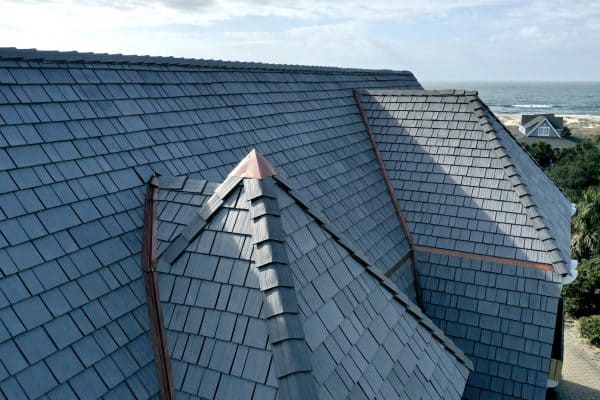
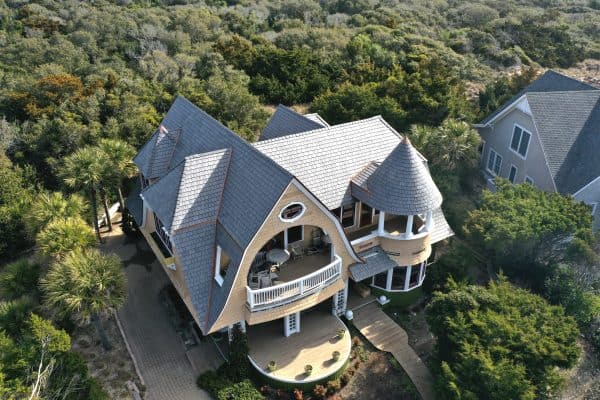
Coastal locations like Bald Head Island, North Carolina, present a completely different set of roofing challenges compared to inland areas. As a barrier island, this region is exposed to high winds, salt air, intense sun, and hurricane activity. Roofing materials here must prioritize wind resistance, resistance to salt corrosion, and the ability to withstand constant moisture exposure without degrading over time.
Upstate South Carolina Growth and Storm Exposure
Cities like Greenville, Spartanburg, and Greer are fast-growing areas with a mix of urban and suburban development. These locations often experience strong storms and wind events, making impact resistance and long-term durability critical.
Smaller Communities with Rural and Tree Coverage
Areas such as Easley, Anderson, Piedmont, and Duncan often feature more tree coverage and rural surroundings. This increases exposure to debris, moisture retention, and potential fire risk near wooded properties.
From an insurance perspective, tree-heavy environments can increase claims risk, which makes durable, low-maintenance roofing materials especially valuable. Materials that resist rot, mold, and impact damage may help reduce long-term insurance-related repair frequency.
Mountain and High-Elevation Communities in Western North Carolina
Communities like Cashiers, Sapphire, Hendersonville, Arden, and Blowing Rock are known for elevated terrain, cooler temperatures, and high-end homes. Roofing here must balance aesthetics with performance, especially in areas with persistent moisture, potential snow loads, and dense forest surroundings that can increase both moisture retention and fire risk.
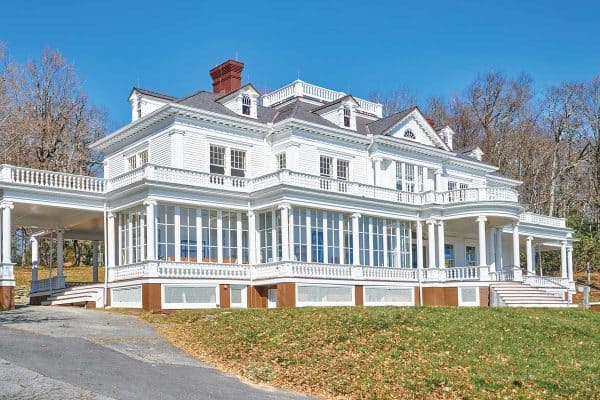
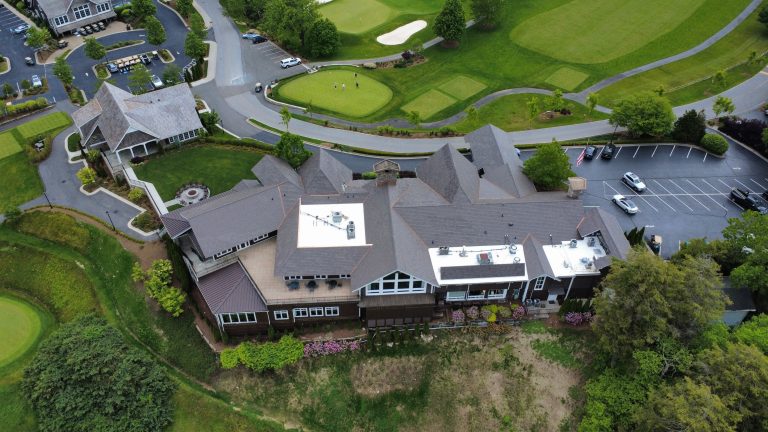
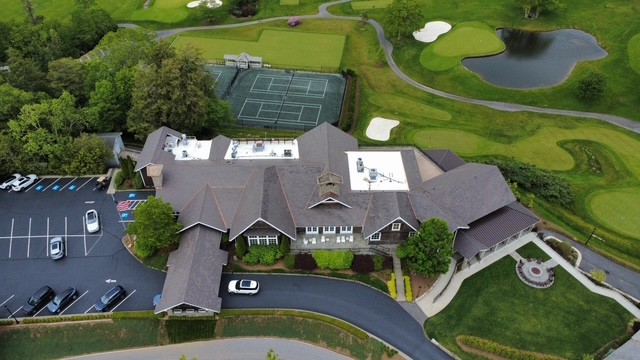
Enviroshake was recently installed at the Blowing Rock County Club in North Carolina by Nick Winebarger of Restore Roofing & Remodeling LLC. Prior to reroofing the clubhouse, the original cedar shake roof was failing and showed many signs of damage. The replacement product needed to withstand the strong winds that are common in the area (recorded wind events of 120 mph). Enviroshake was chosen as the best fit for the clubhouse for its longevity and lifespan. Now, Blowing Rock Country Club has plans to have all buildings on the property covered with Enviroshake.
High-Risk Wildland Areas
Locations like Salem, Sunset, and Six Mile often sit closer to forested land. This makes fire resistance and compliance with Wildland-Urban Interface standards increasingly important.
From an insurance standpoint, properties in these regions are increasingly evaluated based on fire resistance and defensible space risk. In many cases, insurers may require upgraded roofing materials or may adjust premiums based on a home’s ability to resist ignition from airborne embers or nearby vegetation fires.
Why Insurance Companies Are Dropping Cedar Shake Roofs
Roofing systems that are WUI-compliant and fire-resistant can play a key role in maintaining insurability in these communities.
Why Enviroshake Is Built for Carolina Conditions
Enviroshake is engineered to address the exact challenges homeowners face in North and South Carolina.
WUI Compliance and Fire Resistance
Enviroshake is WUI-compliant, meaning it meets strict standards for use in wildfire-prone areas. This is especially valuable for homes near wooded regions where fire risk is a concern.
Insurance Advantages for Homeowners
Because of its fire resistance and durability, Enviroshake can help homeowners qualify for insurance benefits. Many insurers recognize roofing materials that reduce risk, which may lead to better coverage options or potential premium reductions.
Moisture and Climate Durability
Enviroshake resists moisture absorption, which helps prevent rot, warping, and mold growth. This makes it well suited for the humid conditions found across both states.
Performance in Severe Weather
With strong resistance to wind and impact, Enviroshake is designed to perform during the types of storms common throughout the Carolinas.
Enviroshake vs Cedar Shake Roofing in the Carolinas
For many years, cedar shake has been valued for its traditional aesthetics, especially in upscale and mountain communities. However, climate conditions in the Carolinas significantly limit its long-term performance and lead to more liability and costly maintenance for the homeowner.
Cedar Shake Limitations
- Absorbs moisture as an organic material, leading to rot and mold
- Requires frequent and costly ongoing maintenance
- Vulnerable to fire unless chemically treated regularly
- Viewed as liability by insurance providers, meaning reduced coverage or higher premiums
Enviroshake Advantages
- Replicates the natural look of cedar
- Virtually maintenance-free
- Will not rot, crack, or split
- Fire-resistant (Class A fire rating available) and WUI-compliant
- Designed for long-term performance
Frequently Asked Questions for North & South Carolina Homeowners
- What is the biggest roofing challenge in North and South Carolina?
The biggest challenge is climate variability. Homeowners must deal with high humidity, heavy rainfall, strong UV exposure, seasonal storms, and in some areas, wildfire risk. These combined conditions make durability and moisture resistance essential. - Why does location matter when choosing a roof in the Carolinas?
Different regions face different risks. Coastal areas like Bald Head Island deal with hurricanes and salt air, mountain areas like Blowing Rock and Cashiers deal with moisture and elevation-related weather, and inland cities like Greenville and Spartanburg face wind and storm exposure. Each environment affects how long a roof will last. - How does insurance impact roofing choices in the Carolinas?
Insurance companies are increasingly evaluating roofing materials based on fire resistance, wind performance, and durability. Homes with higher-risk materials like cedar shake may face higher premiums, limited coverage, or replacement requirements in some cases. - What is WUI compliance and why does it matter?
WUI stands for Wildland-Urban Interface. It refers to areas where homes are located near forests or vegetation. WUI-compliant roofing materials are designed to resist ignition from embers and are often required or preferred in higher-risk wildfire zones.How does Enviroshake compare to cedar shake? - Enviroshake is designed to replicate the look of cedar while offering significantly better performance. It is resistant to moisture, fire, and impact, requires minimal maintenance, and is better aligned with insurance and durability requirements in the region.
- Is Enviroshake suitable for coastal and mountain areas?
Yes. Enviroshake performs well in both environments. It resists salt exposure and wind in coastal regions and handles moisture, temperature shifts, and forest exposure in mountain areas, making it a versatile option across both states.
Choosing a Roofing Material That Lasts
Across North Carolina and South Carolina, homeowners are placing more value on long-term investments that guarantee performance rather than just upfront cost.
A roofing material like Enviroshake supports:
- Long lifecycle durability
- Reduced maintenance needs
- Increased protection against fire and storms
- Potential insurance benefits
For homes in both urban growth areas and rural mountain communities, choosing the right roofing system is a key part of protecting your investment for decades.
Talk to an expert in synthetic roofing to learn more.