Composite Cedar Shake vs. Asphalt Shingles: Which Is Right for a Premium Home?
Key Takeaways
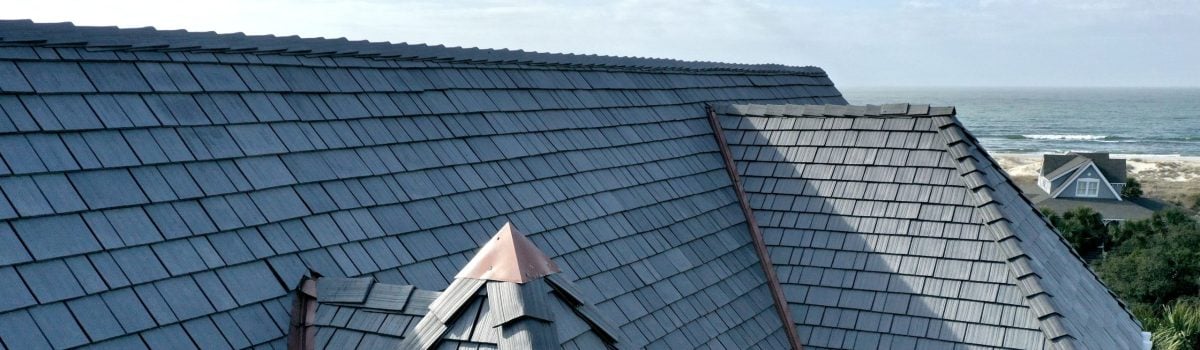
- Composite cedar shakes deliver the look of natural cedar with a significantly longer expected lifespan than asphalt shingles.
- Asphalt costs less upfront, but composite roofing can reduce maintenance and replacement costs over decades of ownership.
- Premium composite roofing offers stronger resistance to hail, high winds, and fire than conventional asphalt systems.
- For custom and luxury homes, composite cedar shakes better preserve long-term curb appeal and property value.
Asphalt shingles cover the vast majority of homes in North America because they're the cheapest material to install. For most residential projects, upfront cost is the deciding factor, and asphalt wins on that alone.
Premium homes tend to weigh the decision differently; the roof covers a third or more of a home's visible exterior, so on a high-end build it functions as an architectural feature. Homeowners in this category are usually planning to stay decades, not resell in five years, which changes what "the right roof" means.
This is the real divide between composite cedar shakes and asphalt shingles: asphalt is priced for the shortest path to a finished roof, while composite cedar is priced for lifespan, low maintenance, and the look of natural cedar without the splitting, curling, and fire risk that come with the real wood.
Here's how these two popular roofing materials actually compare.
What are the differences between composite cedar shakes and asphalt shingles?
Although both products protect a home from the elements, they are built with different objectives in mind. Asphalt shingles were developed to provide an affordable, widely available roofing solution for residential construction. Composite cedar shakes were designed for homeowners who want the appearance of natural cedar alongside greater durability, lower maintenance, and a longer service life. Understanding those different priorities makes the rest of the comparison much clearer.
What are composite cedar shakes?
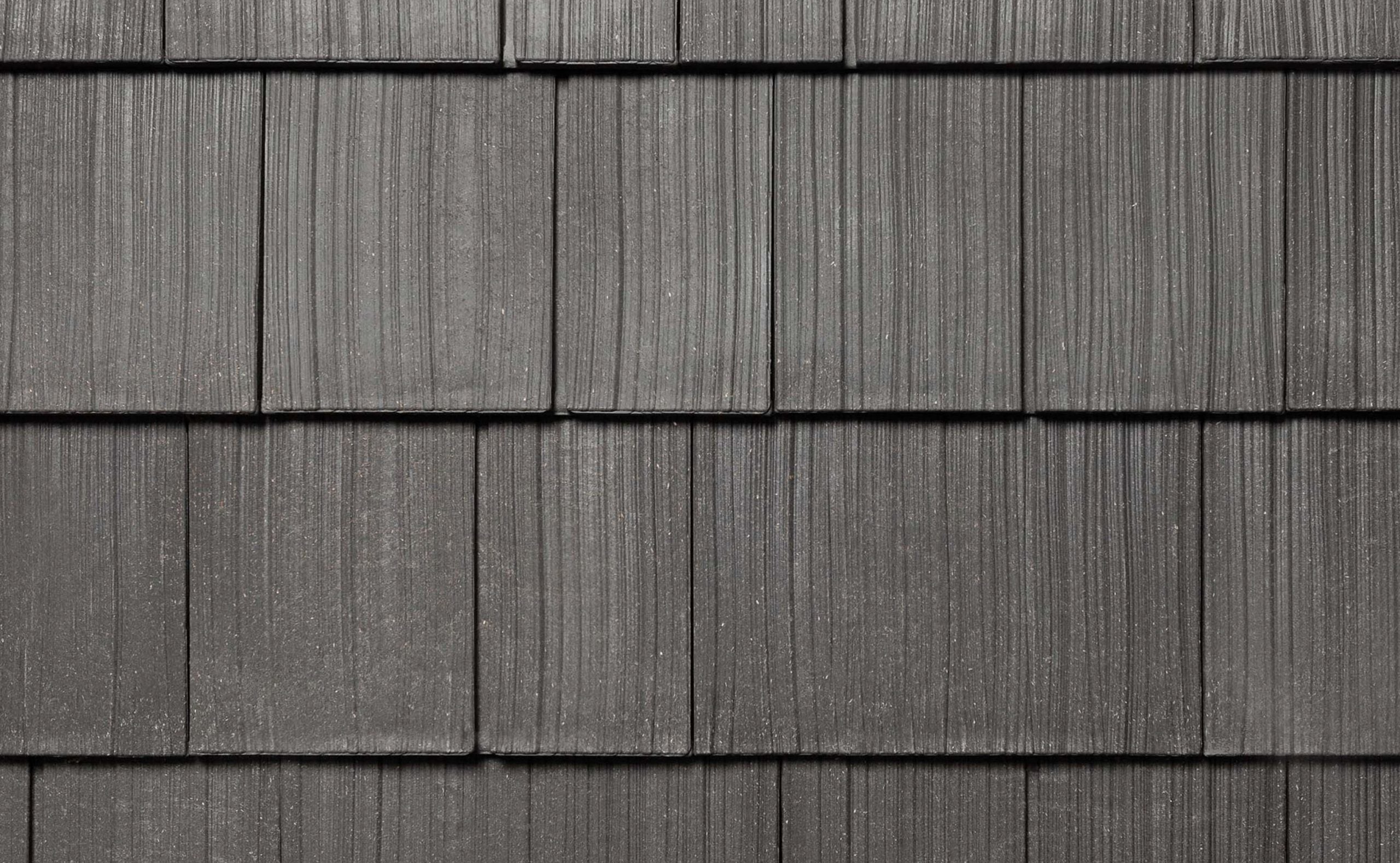
Composite cedar shakes are engineered roofing products designed to replicate the texture, depth, and appearance of hand-split cedar. Rather than relying on natural wood, they are manufactured from durable composite materials that resist many of the issues associated with organic roofing products.
Products like Enviroshake combine recycled polymers, recycled elastomers, and natural fibres to create a roof designed for decades of service with very little routine maintenance. The goal is to preserve the appearance of cedar while improving its long-term performance.
What are asphalt shingles?
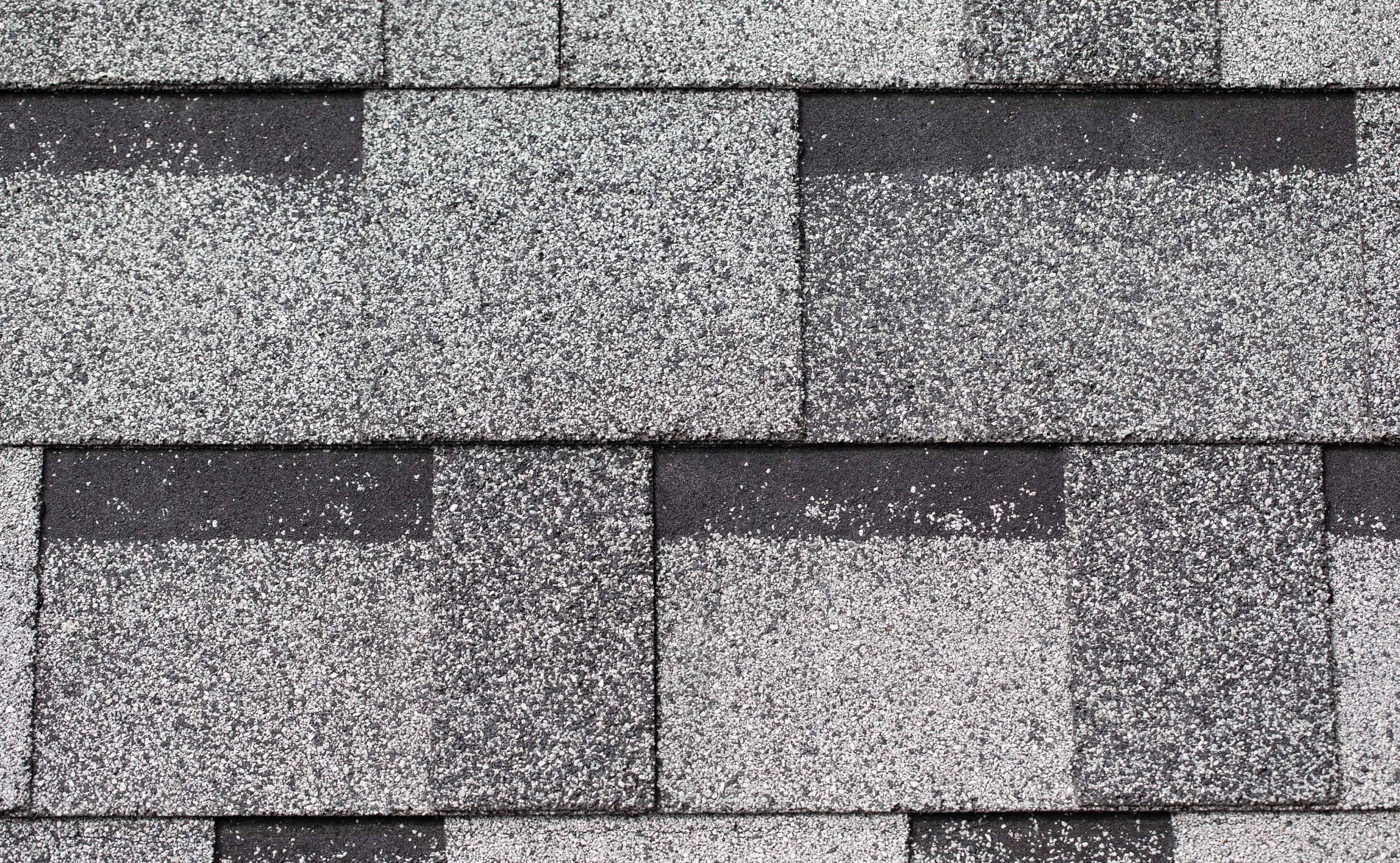
Asphalt shingles consist of a fiberglass mat coated with asphalt and finished with protective mineral granules. They have become the standard roofing material on production homes because they are widely available, relatively inexpensive, and familiar to most roofing contractors.
Architectural asphalt shingles have improved considerably over the past two decades. They offer more dimension than older three-tab products, but they remain a fundamentally different product than composite shake roofing in both appearance and expected lifespan.
Which roofing material looks better on a premium home?
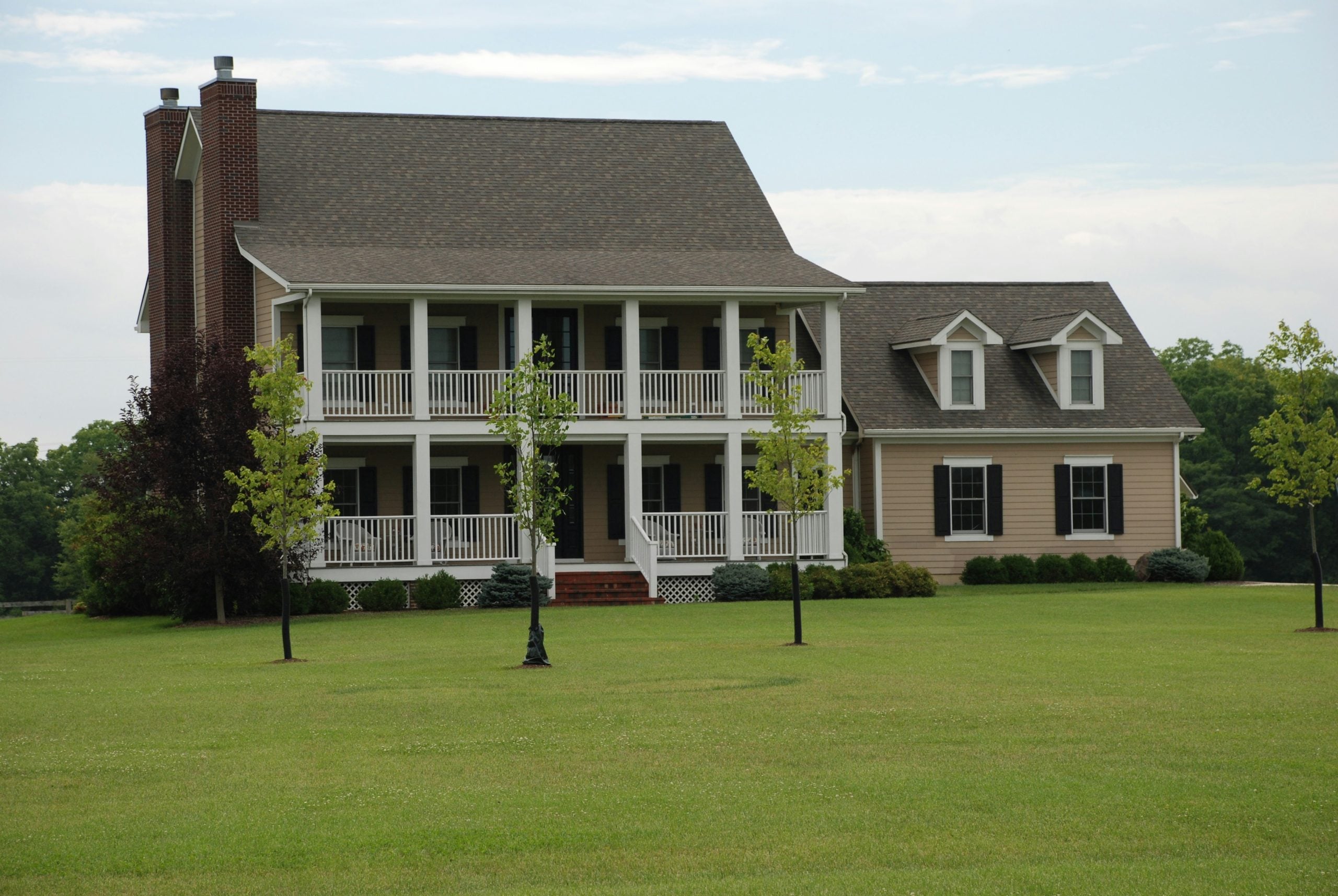
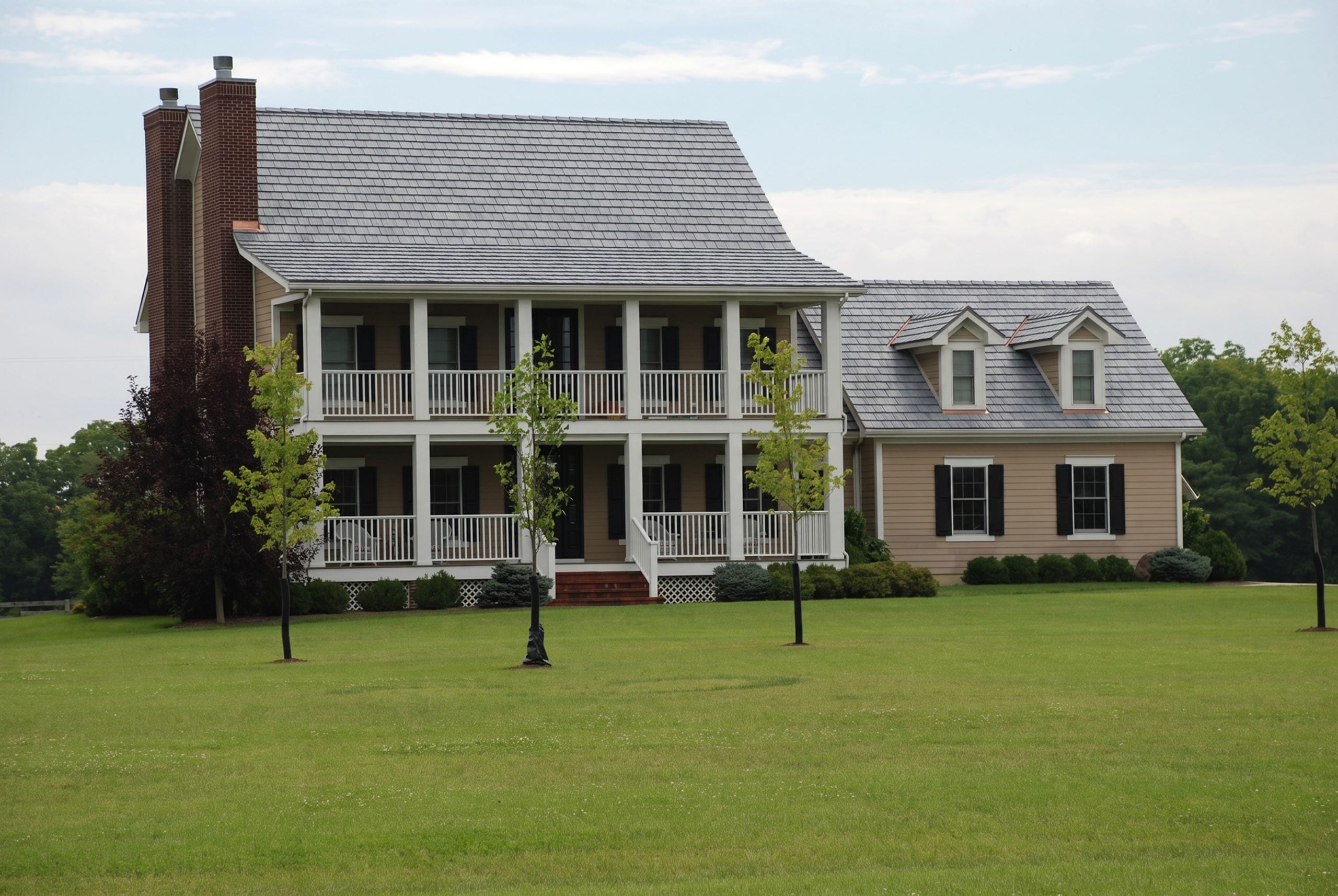
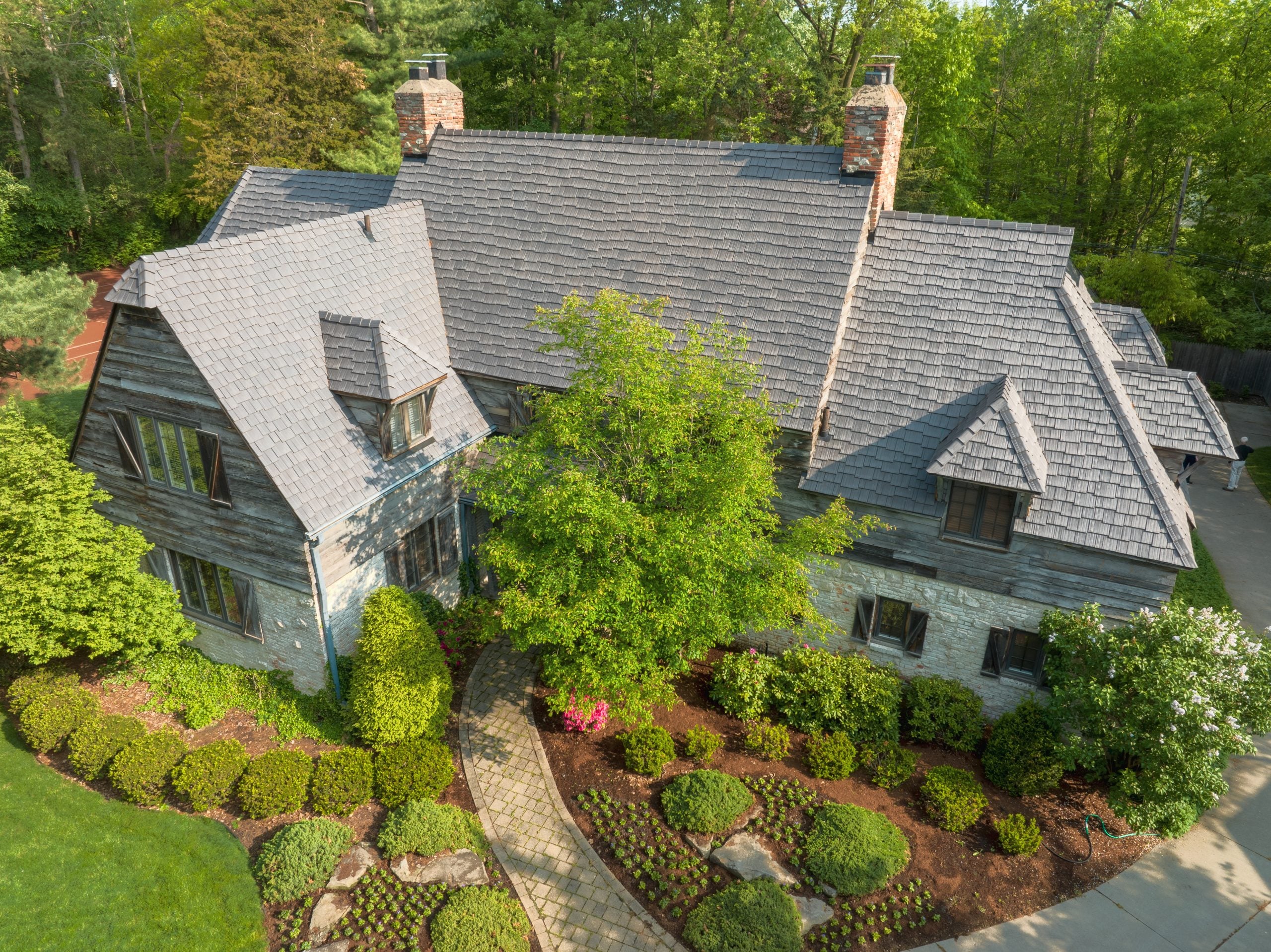
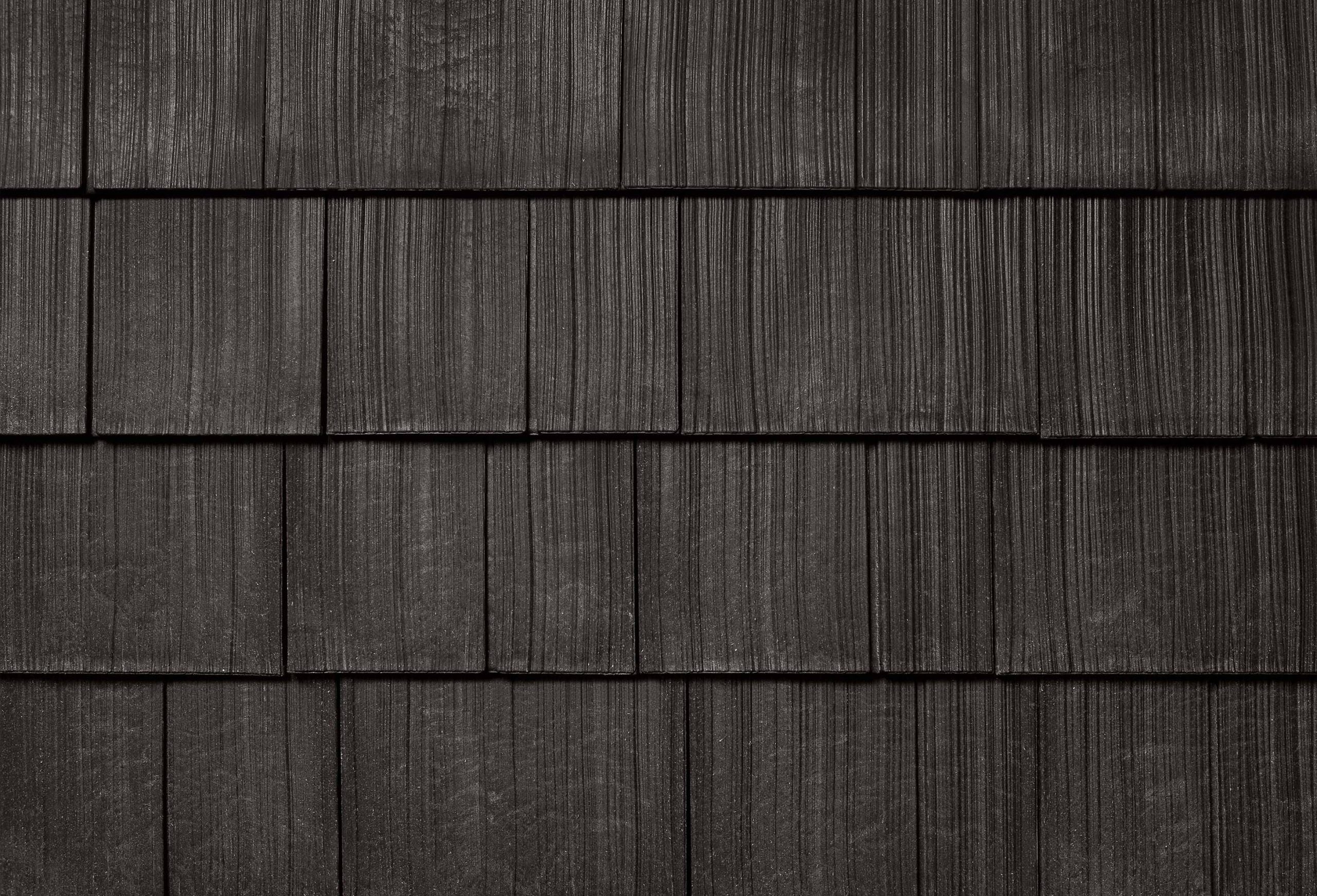
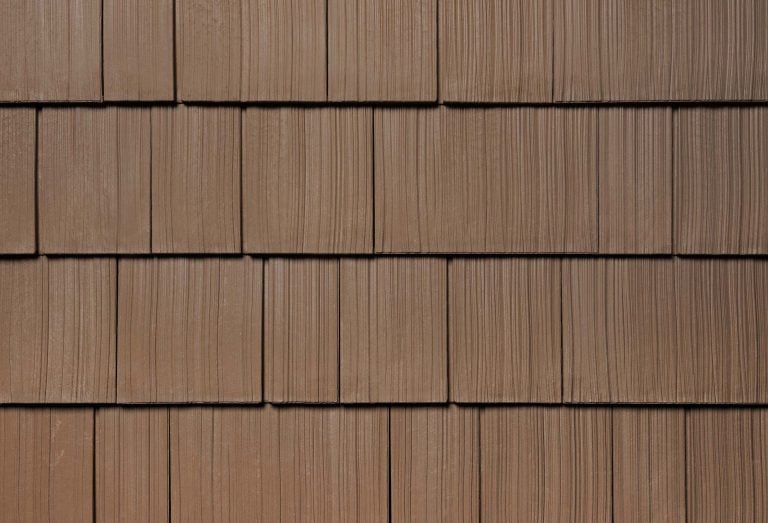
Composite cedar shakes create a more premium appearance than asphalt shingles. Their thicker profiles, varied textures, and pronounced shadow lines give the roof greater depth and dimension, closely replicating the character of hand-split cedar. As sunlight moves across the roof throughout the day, those natural variations become even more apparent. Architectural asphalt shingles have improved in recent years with heavier laminates and better colour blending, but their repeating pattern remains visible, especially on larger roof planes. The result is a more uniform, manufactured appearance that lacks the richness and architectural presence of composite cedar shake. On custom and luxury homes, this aesthetic difference is immediately noticeable and has a significant impact on overall curb appeal.
Which roof lasts longer?
Composite cedar shake roofs last considerably longer than asphalt, with lifespans typically reaching 50 years and beyond. Asphalt shingles last approximately 10-25 years depending on the quality of shingle used and how well the roof is maintained.
Asphalt shingles gradually deteriorate through exposure to ultraviolet light, changing temperatures, wind, and weather. Over time, granules wear away, shingles become more brittle, and repairs become increasingly common as the roof ages.
Composite cedar shakes are engineered to avoid these failure points. They do not rely on asphalt binders that gradually degrade under prolonged sun exposure, and they maintain their structural integrity without any maintenance. Enviroshake backs this performance with a fully transferable lifetime limited warranty, reflecting the longer design life expected from a premium roofing system.
Asphalt shingles require periodic repairs
Most asphalt roofs need regular inspections throughout their service life. Individual shingles may loosen after severe wind events, granules gradually wear away, and isolated repairs become more common as the roof approaches the end of its lifespan. In humid climates, homeowners may also find themselves addressing algae staining or moss growth depending on local conditions.
Composite cedar shakes are virtually maintenance free
Composite cedar shakes eliminate many of the maintenance concerns associated with natural roofing materials. They do not split, rot, or provide a food source for insects. Routine maintenance generally consists of periodic inspections and clearing debris from valleys and gutters as part of normal roof care. For homeowners planning to remain in their home for decades, fewer repairs and less ongoing maintenance become meaningful advantages.
Which roof performs better during severe weather?
Composite cedar shakes outperform asphalt shingles across every major weather category. They are engineered to withstand higher wind speeds, absorb hail impacts more effectively, and are available with higher fire ratings than conventional asphalt roofing systems. For homeowners in regions that experience severe storms, hurricanes, or wildfire risk, those differences can influence both long-term durability and repair costs.
Wind performance
Strong wind can lift or tear asphalt shingles from the roof, particularly as the material ages. Enviroshake has been independently tested in winds up to 180 mph, making it suitable for regions that experience hurricanes, severe storms, and high wind events.
Hail resistance
Large hail often damages asphalt shingles by dislodging protective granules or fracturing the shingle beneath the surface. Even when leaks do not occur immediately, impact damage can shorten the roof's lifespan.
Enviroshake carries a Class 4 impact rating under UL 2218, the highest residential impact rating available.
Fire resistance
Premium products such as Enviroshake are available as part of a Class A fire-rated roof assembly, eliminating one of cedar's biggest drawbacks while providing the highest level of fire protection recognized by building codes. Although many architectural fiberglass asphalt shingles also achieve a Class A rating, others are only rated Class B or Class C depending on the product and assembly. Fire rating should always be verified rather than assumed when comparing roofing systems.

Looking to Upgrade from Asphalt?
If you're replacing an aging asphalt roof and want something that better suits a premium home, Enviroshake offers the authentic appearance of hand-split cedar with a fully transferable lifetime warranty, Class 4 impact resistance, testing in winds up to 180 mph, and minimal maintenance. Request free samples, or connect with a roofing specialist to see whether Enviroshake is the right fit for your next roof.
Which roof offers better long-term value?
Composite cedar shakes offer better long-term value than asphalt shingles. Their longer lifespan, lower maintenance requirements, and reduced replacement frequency make them the more economical choice over the life of a premium home, despite the higher initial investment.
Asphalt shingles generally need to be replaced after 10 to 25 years, meaning many homeowners will pay for a second roof during their time in the home. This second replacement includes new materials, labor, disposal costs, and the disruption of another major roofing project.
Composite cedar shakes are designed to remain in service for decades longer. Routine maintenance is minimal, major repairs are less common, and premium products such as Enviroshake are backed by a fully transferable lifetime warranty. In some regions, Class 4 impact-rated composite roofing may also qualify for insurance discounts, further reducing ownership costs over time.
For homeowners investing in a custom or luxury home, composite cedar shakes deliver the stronger long-term return because they preserve both the roof and the value of the home for far longer than asphalt.
Is asphalt still the right choice for some homes?
Yes. Asphalt shingles remain a practical solution when keeping the initial project budget as low as possible is the primary objective. They also make sense for production housing, investment properties, or homeowners who expect to move within a relatively short period of time.
Those priorities simply differ from the goals of many custom home owners, where appearance, longevity, and long-term ownership costs carry greater weight.
Why do homeowners choose Enviroshake over asphalt?
Premium homes deserve roofing materials that match the quality of the rest of the property.
Enviroshake provides the appearance of authentic cedar while avoiding many of the maintenance and durability concerns that lead homeowners to replace natural wood roofs. It also delivers advantages that conventional asphalt shingles cannot match, including a fully transferable lifetime warranty, Class 4 impact resistance, testing in winds up to 180 mph, and low ongoing maintenance requirements.
For homeowners planning to stay in their home for many years, those benefits extend well beyond the day the roof is installed.
Composite cedar shakes vs. asphalt shingles: Which roof should you choose?
Asphalt shingles remain an effective roofing material when minimizing upfront cost is the primary goal.
Composite cedar shakes are designed for a different type of homeowner; they offer the appearance expected on premium homes, significantly longer service life, reduced maintenance, and stronger performance in demanding weather conditions.
For homeowners investing in a long-term roof rather than the lowest initial price, composite cedar shakes represent the stronger choice.
Ready to Move Beyond Asphalt?
If you're replacing an asphalt roof on a premium home, it's worth considering a roofing system designed for the long term. Enviroshake combines the authentic appearance of cedar with exceptional durability, minimal maintenance, and decades of proven performance, helping homeowners invest in a roof they won't have to think about replacing again.
Connect with an Enviroshake roofing specialist to learn more.