Is Cedar Shake Roofing Fire Resistant?
Key Takeaways
- Untreated cedar is combustible. Fire-retardant-treated cedar can achieve a Class A rating as part of an approved roofing assembly.
- Wind-driven embers ignite many homes. Modern fire testing emphasizes ember resistance for this reason.
- Fire performance changes over time. Maintenance, weathering, and the roofing assembly all affect long-term protection.
- Enviroshake delivers cedar aesthetics with modern protection. It combines a Class A fire rating with long-lasting, low-maintenance performance.
How Safe Are Cedar Shake Roofs Against Fire?
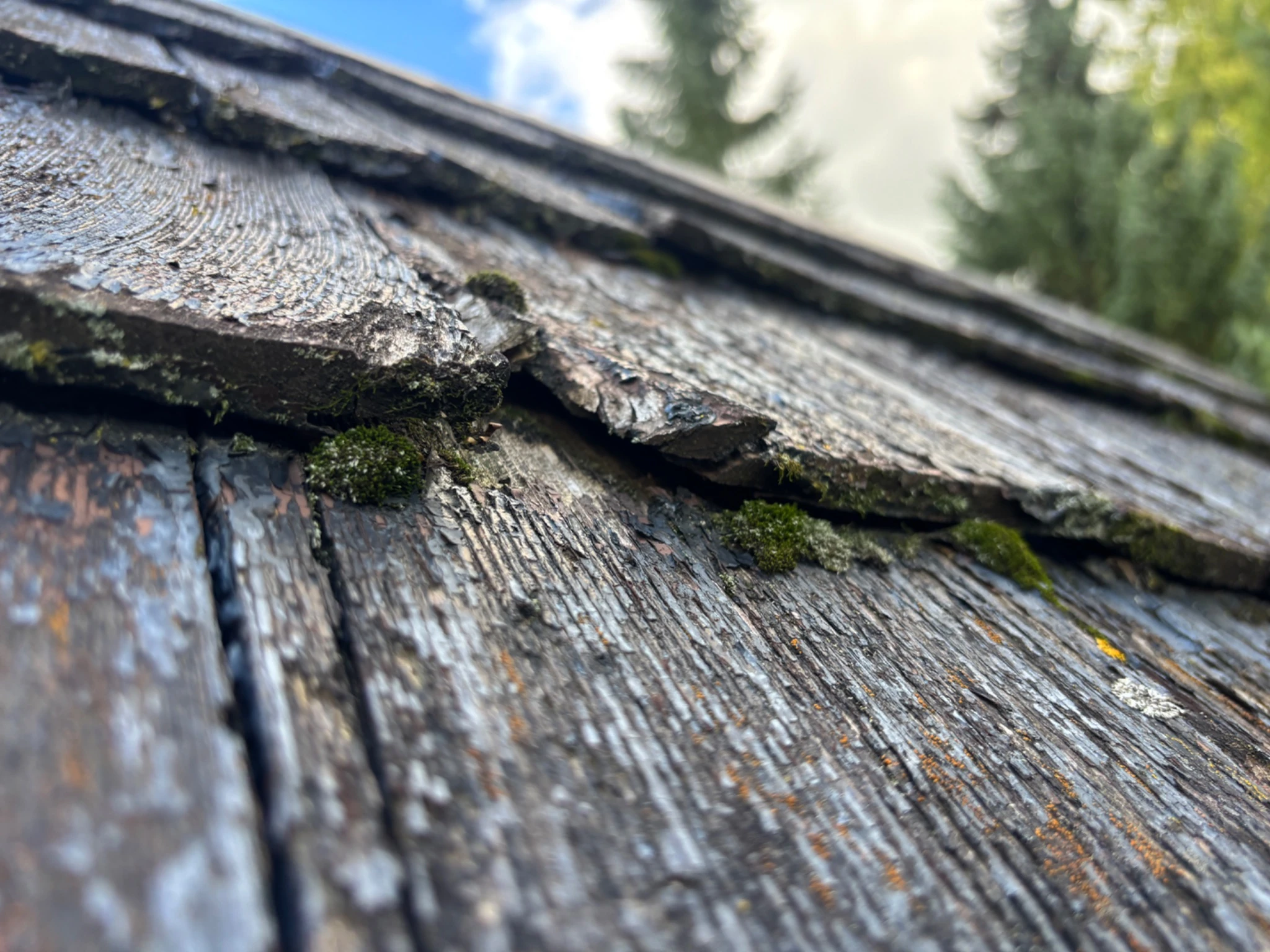
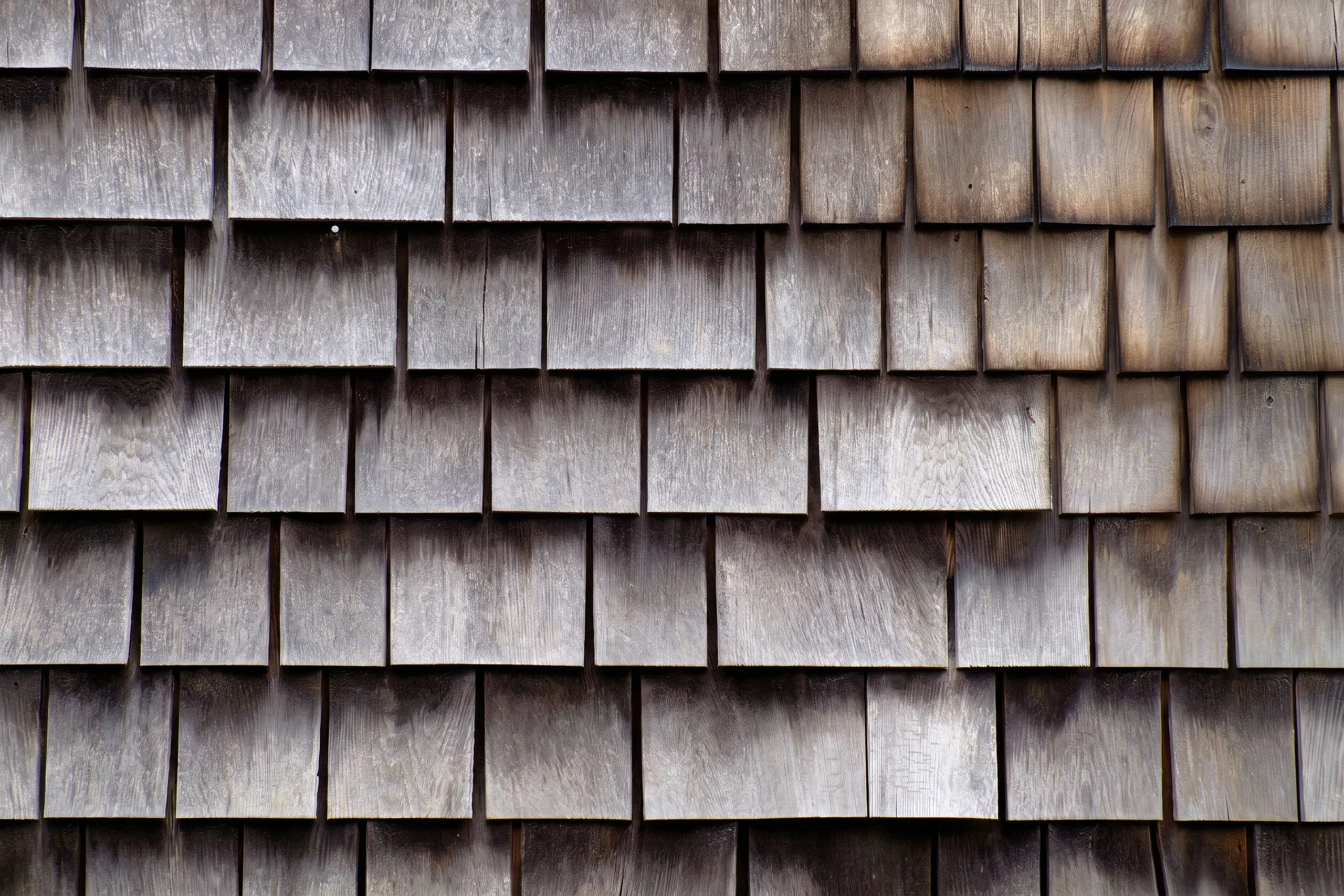
Untreated cedar shake roofing is not naturally fire-resistant. Because cedar is a wood product, it is combustible and can ignite when exposed to flames or wind-driven embers. Fire-retardant treatments can improve its performance, but they do not make cedar fireproof, and those treatments can lose effectiveness over time.
That doesn't mean every cedar roof is unsafe. Fire performance depends on several factors, including whether the shakes have been treated, the condition of the roof, the surrounding environment, and the roofing system beneath them. In wildfire-prone regions, those factors become even more important, which is why many building codes now require Class A roofing systems instead of untreated wood.
Understanding how roofs are tested, how cedar behaves as it ages, and what modern alternatives are available makes it much easier to choose the right roofing material for your home. Whether you're replacing an aging cedar roof or building a new home in a wildfire-prone area, knowing how different roofing systems perform under fire exposure is one of the most important parts of the decision.
How is Fire Resistance Measured for Roofing Materials?
Fire resistance is measured through standardized testing that evaluates how a roofing system responds to flames, airborne embers, radiant heat, and fire penetration. Those test results determine whether a roof receives a Class A, B, or C fire rating.
These ratings exist for one reason: to give homeowners, builders, insurers, and building officials a reliable way to compare roofing materials under controlled conditions. Rather than relying on manufacturer claims, every roofing system is evaluated against the same performance criteria.
A roof is often the largest exposed surface on a home, making it one of the first places where a wildfire or structure fire can spread. The better a roof resists ignition, the more time occupants have to respond and the greater the chance of limiting damage to the home.
It is also important to understand that fire ratings typically apply to the entire roofing assembly, not just the visible roofing material. The roof covering, underlayment, deck, and installation method all contribute to the final fire classification. That is why properly engineered roofing systems consistently outperform products that rely solely on surface treatments or coatings.
What Do Class A, Class B, and Class C Fire Ratings Mean?
A Class A roof provides the highest level of fire protection available. It offers the greatest resistance to flame spread, burning embers, and fire penetration, making it the preferred choice for homes in wildfire-prone regions and areas with strict building codes.
Class B roofing provides moderate fire resistance but does not perform as well under severe fire exposure.
Class C roofing offers basic protection and is generally intended for lower-risk environments.
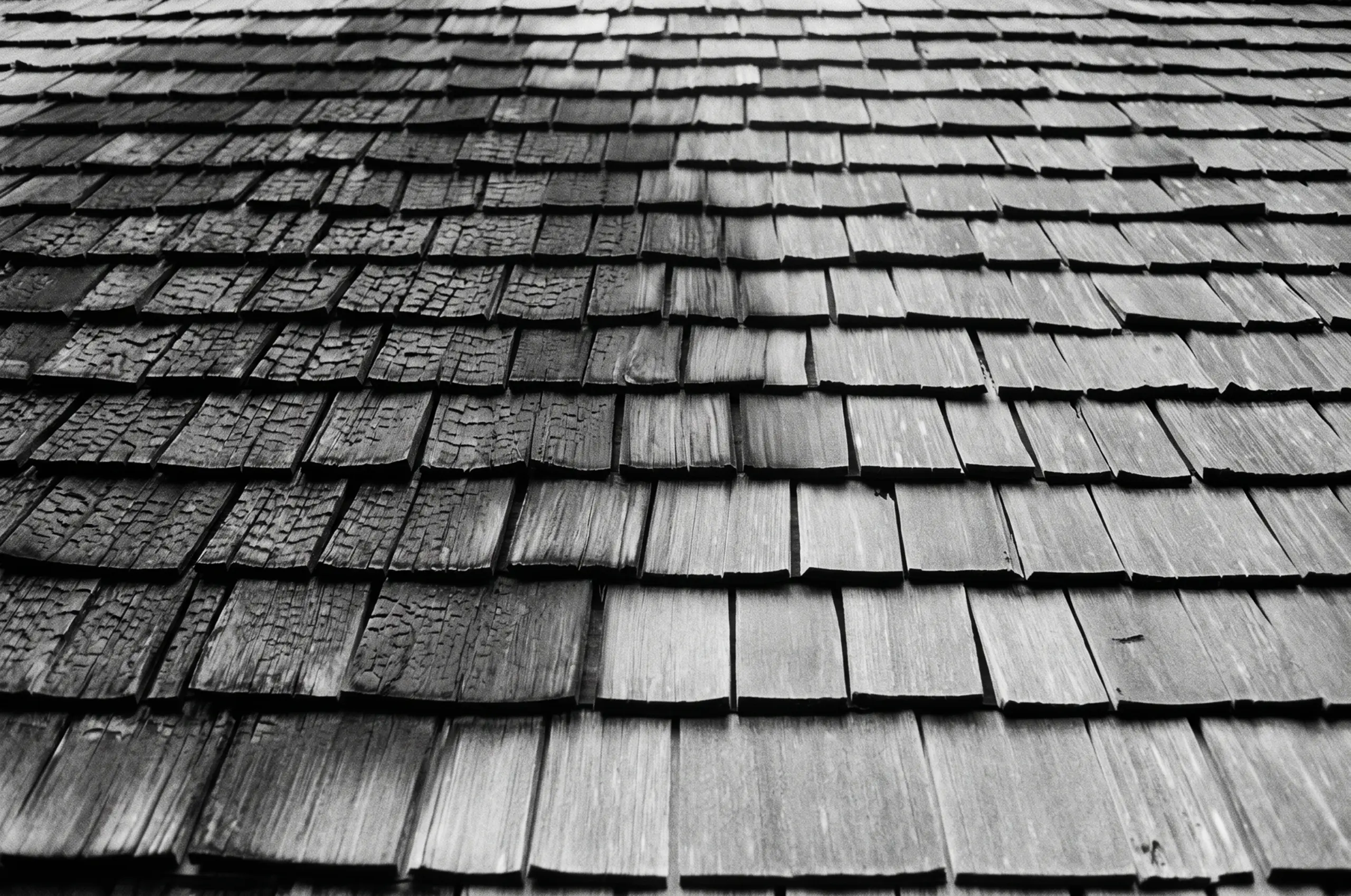
Untreated cedar shakes typically do not achieve a Class A rating on their own. To reach higher classifications, manufacturers must apply fire-retardant treatments or use specially engineered roofing systems. Even then, the long-term performance of treated wood depends on how well those treatments hold up after years of weather exposure.
For homeowners living near forests, grasslands, or other wildfire-prone landscapes, choosing a Class A roof can significantly reduce the likelihood of ignition from wind-blown embers, which are responsible for many homes lost during wildfires.
How Are Roofing Materials Testing for Fire Resistance?
Roofing materials are tested by exposing complete roofing assemblies to controlled fire conditions that simulate real-world fire events. During testing, laboratories evaluate how quickly flames spread, whether burning embers ignite the roof, how much heat penetrates the assembly, and whether flames can reach the roof deck.
One of the most widely recognized standards is ASTM E108, which evaluates resistance to flame spread, burning brands, intermittent flame exposure, and fire penetration.
Because every roofing system is tested using the same methodology, homeowners can compare products based on verified performance rather than assumptions or appearance.
Why Do Fire Ratings Matter?
Fire ratings directly affect homeowner safety, building code compliance, insurance eligibility, and long-term property protection.
Many building codes require Class A roofing in wildfire-prone areas, while insurers increasingly evaluate roofing materials when determining premiums or coverage availability. A roof with a higher fire rating can reduce overall risk because it is less likely to ignite when exposed to embers or flames.
Fire resistance also tends to go hand in hand with other measures of durability. Many engineered roofing systems that achieve high fire ratings are also designed to withstand high winds, hail impacts, moisture, and long-term weather exposure, creating a more resilient roof overall.
Cedar Shake vs. Enviroshake: Fire Resistance at a Glance
When fire protection is a priority, the differences between natural cedar and engineered composite roofing become much more significant. This comparison highlights how each material performs in areas that directly impact fire safety and long-term roof performance.
Summary:
Natural cedar shake roofing offers timeless beauty, but as a wood product, its fire performance depends on treatments, maintenance, and long-term condition. Enviroshake replicates the appearance of real cedar while providing consistent Class A fire protection, resistance to wind-driven embers, and engineered performance designed for today's building standards.
Can Cedar Shake Be Used in Wildfire-Prone Areas?
Yes, but it depends on the type of cedar roofing, the roofing assembly, and local building code requirements.
Many wildfire-prone regions across North America require Class A roofing systems for new construction and roof replacements. Untreated cedar shakes often do not meet these requirements, while certain fire-retardant-treated cedar products may qualify when installed as part of an approved roofing assembly.
Why Are Wind-Driven Embers the Biggest Wildfire Threats to Roofs?
Rather than direct flames reaching the roof, embers can travel long distances and collect in roof valleys, behind chimneys, around skylights, and inside debris-filled gutters. If they land on combustible material, they can ignite the roof long before the main fire arrives.
This is why modern fire testing focuses heavily on ember resistance, especially for homes in wildfire-prone areas.
What is the Wildland-Urban Interface (WUI)?
The Wildland-Urban Interface (WUI) refers to areas where homes and communities border forests, grasslands, and other undeveloped vegetation, making them more vulnerable to wildfires. As development continues to expand into these landscapes, WUI building codes have become increasingly stringent to help reduce the risk of homes igniting from flames and, more commonly, wind-driven embers.
To meet these requirements, roofing systems must demonstrate their ability to resist ignition through standardized fire testing. Enviroshake is available as part of a WUI-compliant roofing assembly and is CAL FIRE listed for use in High and Very High Fire Hazard Severity Zones. It has also been tested to ASTM E108, earning an unconditional Class A fire rating, the highest level of fire protection available for residential roofing systems.
Unlike natural cedar, which relies on the condition of the wood and any fire-retardant treatments, Enviroshake's fire performance is engineered into the roofing system itself. The result is authentic cedar aesthetics with long-term fire protection designed to meet the demands of today's wildfire-prone environments.
Does Roof Maintenance Affect Fire Safety?
Yes. Keeping a roof free of leaves, pine needles, and other debris reduces the risk of ember ignition.
For cedar roofs, maintenance also includes replacing damaged shakes and monitoring the condition of any fire-retardant treatments. Engineered roofing systems typically do not require this ongoing maintenance to retain their fire-resistant performance over time.
Considering a Cedar Roof Replacement?
Whether you're planning a new build or replacing an aging cedar roof, choosing the right roofing material is one of the most important decisions you'll make for your home. Discover how Enviroshake combines the authentic beauty of cedar with industry-leading fire protection, exceptional durability, and virtually maintenance-free performance.
What are the Best Fire Resistant Alternatives to Natural Cedar?
Synthetic Cedar Shake Roofing
Synthetic cedar shake roofing is designed for homeowners who want the timeless appearance of cedar without many of the maintenance and fire concerns associated with natural wood. Many high-quality composite roofing products are available with Class A fire ratings as part of approved roofing systems while also resisting rot, cracking, splitting, and insect damage. They also require significantly less maintenance than natural cedar, making synthetic shake one of the fastest-growing alternatives for cedar roof replacements.
Natural Slate
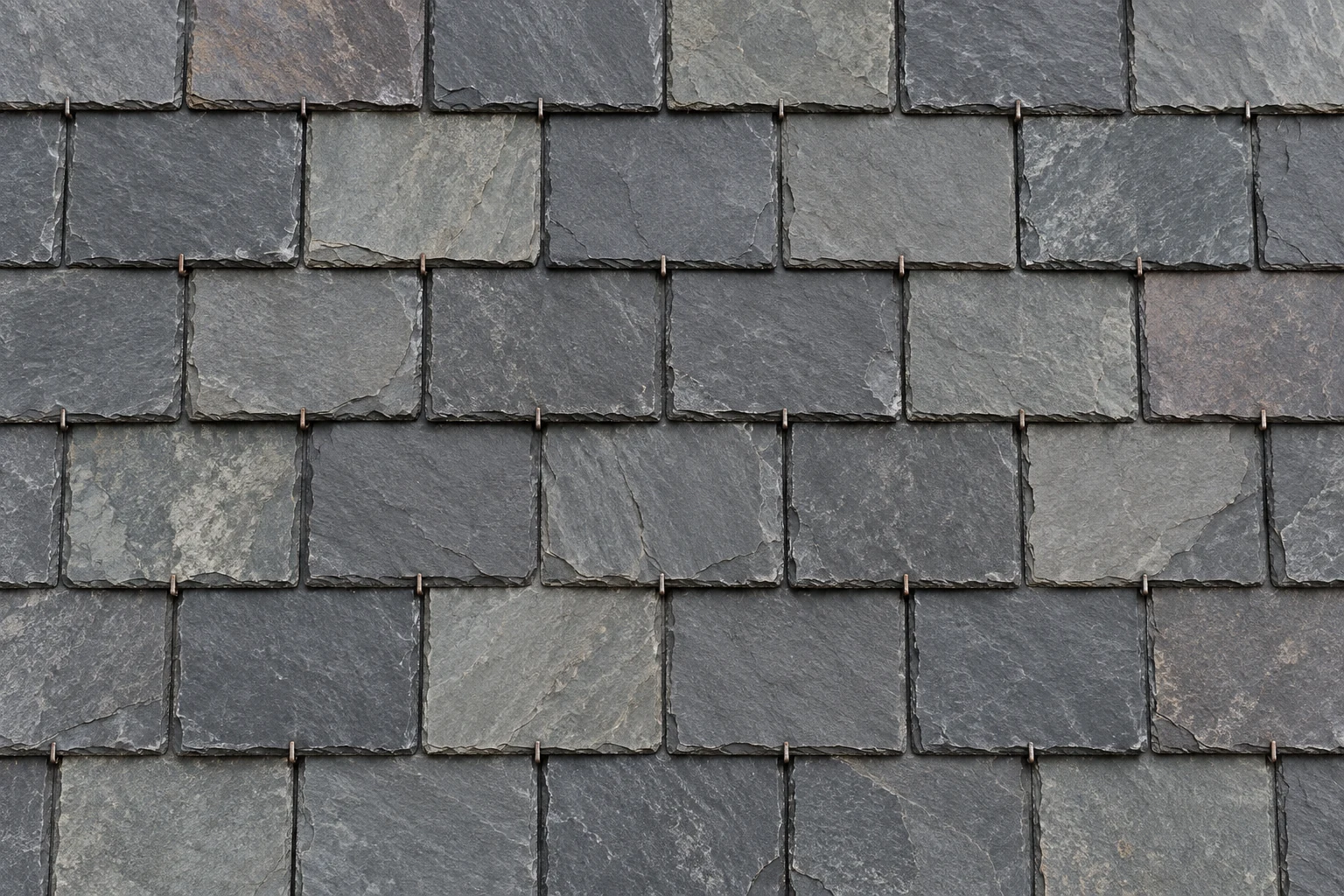
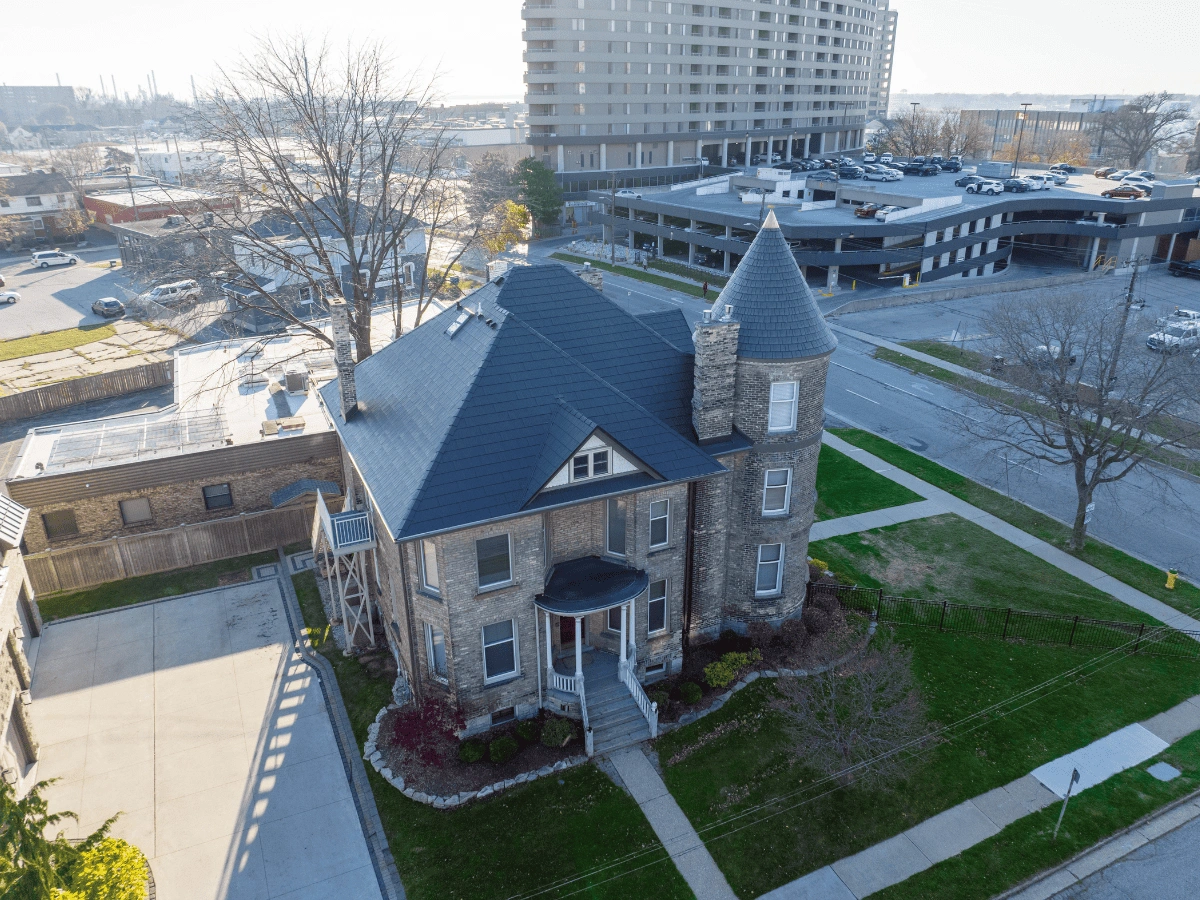
Natural slate offers exceptional longevity and fire resistance while creating a distinctive, high-end appearance. The primary considerations are cost and weight. Slate is one of the heaviest roofing materials available, often requiring additional structural support, and installation is typically more expensive than most residential roofing systems.
Metal Roofing
Metal roofing provides excellent fire resistance because the material itself is non-combustible. It is also highly durable and performs well in regions exposed to wildfire, high winds, and severe weather. While metal is an excellent performer, its contemporary appearance differs significantly from the warmth and character of a traditional cedar shake roof.
Why is Enviroshake the Best Fire-Resistant Alternative to Cedar?
For homeowners who love the appearance of cedar but want greater protection against fire, Enviroshake offers a modern solution without compromising curb appeal. Unlike natural cedar, which relies on the condition of the wood and ongoing maintenance to preserve its performance, Enviroshake is engineered from the ground up for long-term durability. The result is a roofing system that delivers authentic cedar aesthetics while providing consistent fire protection, exceptional weather resistance, and virtually maintenance-free ownership.
Built to Meet Today's Fire Protection Standards
Enviroshake is available with a Class A fire rating under ASTM E108, the highest fire classification available for residential roofing systems. It is also available as part of WUI-compliant roofing assemblies and is CAL FIRE listed for use in High and Very High Fire Hazard Severity Zones, making it well suited for homes where wildfire resilience is a priority. Unlike natural cedar, which depends on the condition of the wood and its treatment over time, Enviroshake delivers consistent fire performance throughout the life of the roof.
More Than Just Fire Protection
Enviroshake is engineered to withstand wind speeds up to 180 MPH, carries a Class 4 impact resistance rating, and will not rot, crack, split, or warp like natural wood. Because it is manufactured from a durable composite blend, it also resists insects, moisture, and the natural deterioration that affects traditional cedar over time.
Authentic Cedar Beauty Without the Upkeep
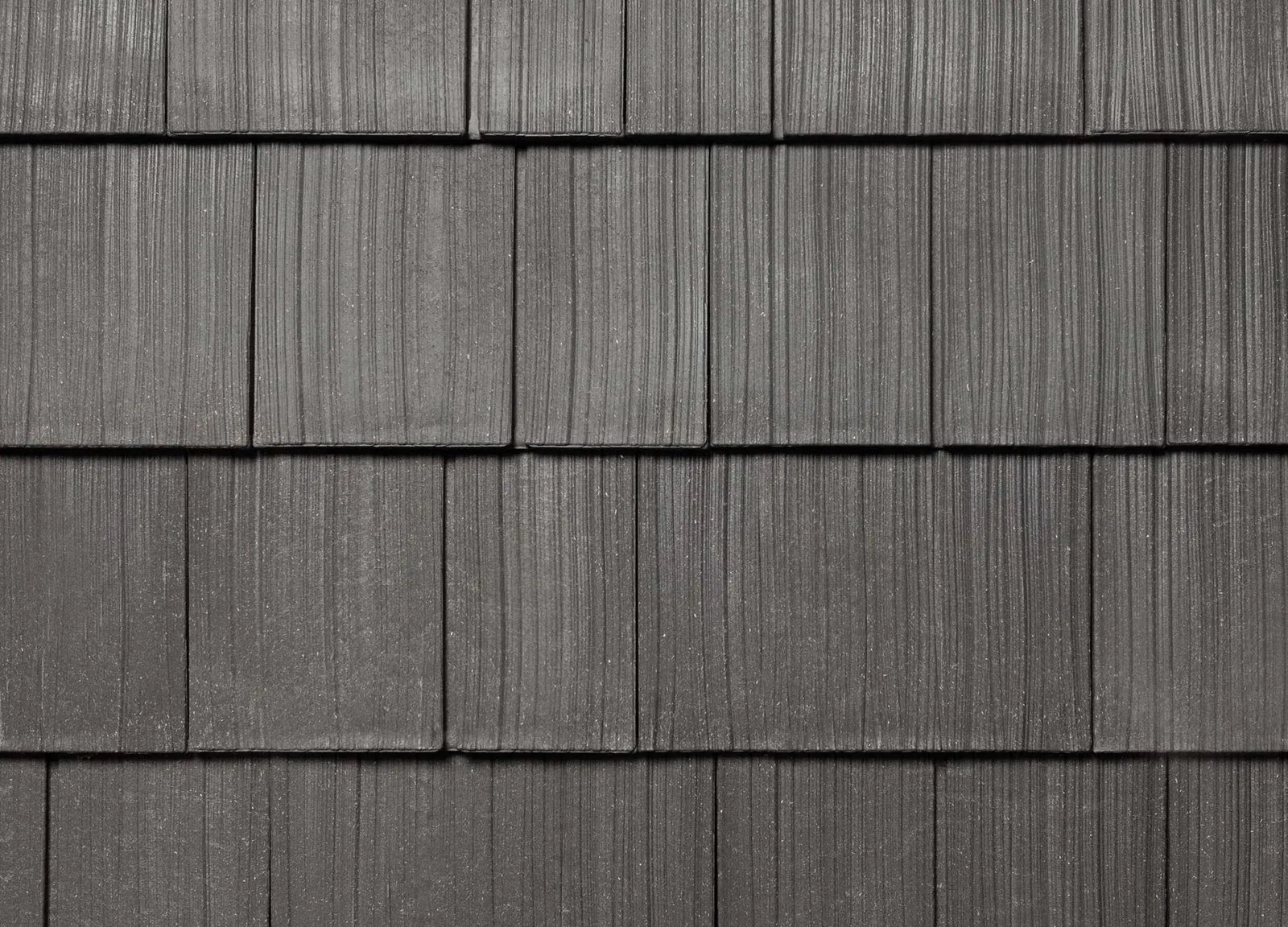
Enviroshake was designed to preserve the warmth and texture of cedar while eliminating many of the maintenance requirements that come with natural wood. Every shake features realistic grain patterns, varied textures, and natural colour variation to recreate the appearance of hand-split cedar. Over time, the roof weathers naturally to a soft, authentic cedar tone without sacrificing its fire performance.
The result is a roof that looks like cedar, performs like a modern engineered roofing system, and continues protecting your home for decades.
Ready to Replace Your Cedar Roof?
The right roof is an investment in both your home's appearance and its long-term protection. Explore how Enviroshake combines authentic cedar beauty with a Class A fire rating, exceptional durability, and virtually maintenance-free performance.
Request a free sample, download our product brochure, or connect with our team to learn whether Enviroshake is the right fit for your project.
Interested in learning more about Enviroshake products?
Contact us today to discuss your project and how we can help you achieve your design goals.