Cedar Shake Roofing Weather Resistance
Key Takeaways
-
Cedar shake roofing has genuine weather resistance, but climate, installation quality, and maintenance determine how long that performance lasts.
-
Moisture, freeze-thaw cycling, UV exposure, and biological growth are the four primary forces that shorten the life of a natural cedar roof.
-
Regional climate matters as much as material choice — coastal, cold, and arid environments each age cedar differently and require different maintenance approaches.
-
Engineered composite shake roofing addresses cedar's core weather vulnerabilities while preserving the aesthetic that makes the material worth choosing in the first place.
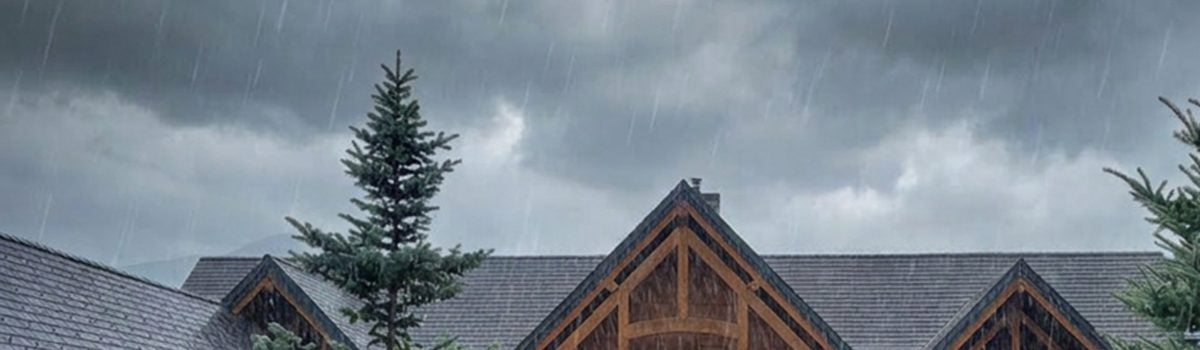
Natural cedar shake is highly-regarded as one of the most timeless and enduring roof materials in North America, and for good reason. Natural cedar carries inherent insulating properties and moisture-resistant oils that give it a genuine head start against the elements. Yet performance varies considerably depending on where a home sits, how well the roof was installed, and how consistently it is maintained. Rain, snow, wind, intense sun, and fluctuating humidity all place different demands on the material. Understanding what cedar shake handles well, where it requires attention, and how engineered alternatives close the gap gives homeowners the clearest picture of what to expect over the long term.
How Cedar Shake Roofing Withstands Various Weather Conditions
Cedar's durability is genuine, but it is not unconditional. The wood's natural oils repel moisture and resist insect activity, while its density provides a reasonable buffer against moderate wind and impact. That said, performance shifts meaningfully depending on the type of weather the roof faces most often. A cedar roof in the Pacific Northwest ages quite differently from one installed in the Arizona desert or along the Gulf Coast, and recognizing those differences is the first step toward making an informed roofing decision.

Heavy Rain and Moisture Exposure
Cedar naturally sheds water well when shakes are properly spaced to allow drainage and ventilation beneath the surface. Over time, however, the natural oils that provide this protection diminish, and the wood begins absorbing moisture more readily. Prolonged saturation causes shakes to swell and, once they dry, contract, gradually straining the fibers. In climates with frequent rainfall or poor drainage systems, this cycle accelerates aging and creates conditions where rot can establish itself long before the shakes show obvious surface deterioration.

Snow and Freeze-Thaw Cycles
Heavy snowpack adds sustained weight to the roof deck, and in climates where temperatures fluctuate above and below freezing, absorbed moisture compounds the problem significantly. When water within the wood fibers freezes, it expands; when it thaws, it contracts. Repeated through dozens of cycles each winter, this process gradually widens small surface checks into genuine cracks. Ice dams forming along the eaves are an additional concern, as trapped meltwater can migrate beneath the shakes if underlayment and drainage are insufficient. Proper roof pitch, quality underlayment, and adequate attic insulation are essential protections in cold regions.

High Winds and Storm Conditions
Well-installed cedar shake roofing handles moderate wind loads reliably. The risk increases when installation falls short, particularly when fasteners are inadequate or shakes are not properly lapped. Wind uplift acts on the leading edges of individual shakes, and over time, repeated stress can loosen pieces that were never quite secured correctly. After major storms, even roofs that appear intact at ground level may have compromised fastening that allows water infiltration later.

UV Exposure and Heat
Prolonged sun exposure is one of the less obvious adversaries of natural cedar. UV radiation breaks down the lignin that binds wood fibers together, gradually drying out the shakes, fading the surface color, and reducing the flexibility that allows the material to expand and contract without cracking. In high-altitude or southern-facing exposures, this process accelerates considerably. Shakes that were supple and tightly fitted during installation may become brittle and prone to surface fracturing within a decade without protective treatment.
Climate-Specific Shake Roofing Performance
No cedar roofing system performs identically across all regions. Cedar's durability is real, but the rate at which it ages, the maintenance it requires, and the types of problems that emerge first all depend heavily on local climate. Homeowners should understand how their specific region tests the material before committing to a natural cedar installation.
Coastal and Humid Climates
High ambient humidity slows the drying process after rainfall, leaving shakes damp for longer periods and creating favorable conditions for moss, algae, and mold. Salt air in coastal environments compounds this by accelerating surface degradation and corroding metal fasteners, which can compromise the mechanical integrity of the roof even when the shakes themselves look fine. While cedar can perform reasonably in these conditions during its early years, it demands consistent ventilation and periodic treatment to prevent premature decay from taking hold.
Cold Northern Climates
The combination of freeze-thaw cycling, snow weight, and ice dam risk makes cold climates among the most demanding environments for natural cedar. Attic ventilation becomes especially critical, as trapped heat accelerates snowmelt at the roof surface while the eaves remain cold, concentrating meltwater exactly where it is most likely to penetrate. Homeowners in cold regions should budget for more frequent inspections and be prepared to address splitting or cracking that emerges in the first decade of the roof's life.
Hot and Dry Climates
Cedar weathers attractively in arid climates during its early years, developing the silver-grey patina that many homeowners find appealing. Beneath that surface, however, prolonged UV exposure and the absence of moisture cause the wood to lose resilience over time. Extreme day-to-night temperature swings create a persistent cycle of expansion and contraction that contributes to surface cracking, particularly on south- and west-facing slopes. Without protective coatings applied on a regular schedule, cedar in hot, dry climates tends to become increasingly brittle well before its expected service life ends.
Cedar sounding like a lot of work?
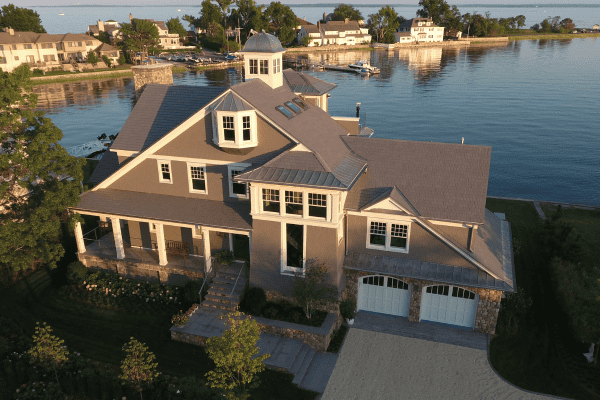
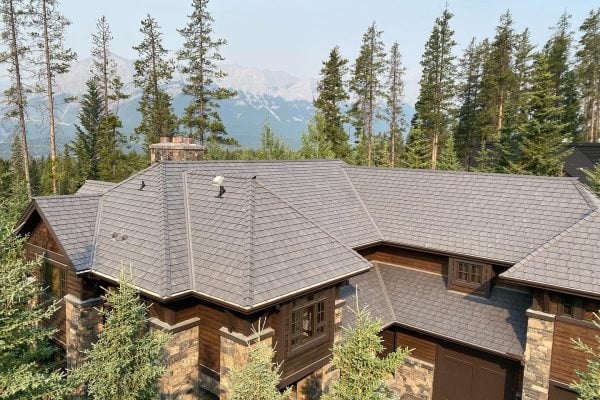
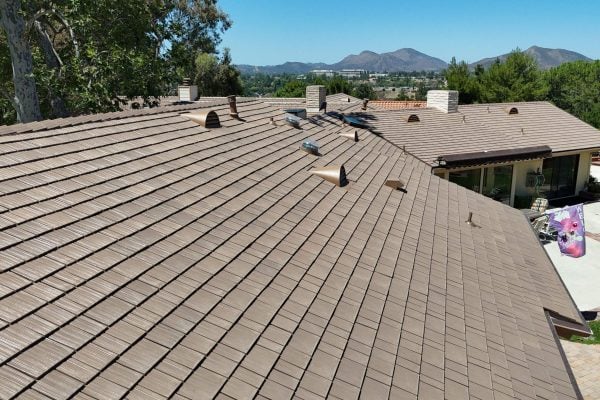
Enviroshake replicates the appearance of natural cedar shake without the maintenance demands, weather vulnerabilities, or aging unpredictability.
Weather-Related Wear and Deterioration Signs
Cedar shake roofing does not fail suddenly. Deterioration is a gradual process that announces itself through visible changes in the material's appearance and profile. Catching these signs early gives homeowners the opportunity to make targeted repairs before localized damage spreads into a systemic problem.
Splitting, Curling and Warping
The most common visible indicators of weather fatigue are splits running along the grain, curled or cupped edges, and shakes that have shifted out of their original flat profile. Each of these changes reduces the roof's ability to shed water cleanly, creating low points where moisture collects and gaps where wind-driven rain can penetrate. Minor surface checks are normal in aging cedar; progressive curling or widespread cracking is a sign that the material has lost structural integrity and replacement should be considered.
Moss, Mold, and Biological Growth
Biological growth almost always begins in shaded areas or wherever drainage is slower, and it moves outward from there. The problem is not merely cosmetic. Moss and mold retain moisture against the wood surface long after rain has stopped, effectively keeping the shakes wet and accelerating decay. Left unaddressed, organic buildup can thin the shakes measurably over several seasons, reducing the protective density that makes cedar effective in the first place.
Granular Surface Breakdown
Over time, weather exposure erodes the surface fibers of cedar shakes, creating a rougher texture and, eventually, visible thinning. This erosion reduces the material's protective density and makes it more susceptible to moisture infiltration. On a well-maintained roof, surface breakdown is a useful signal that protective treatments are overdue; on a neglected roof, it often precedes more serious structural failure.
Maintenance Strategies to Improve Weather Resistance
Environmental exposure cannot be eliminated, but consistent maintenance extends the usable life of a cedar shake roof considerably and reduces the likelihood of costly emergency repairs. The investment in routine care is nearly always smaller than the cost of the damage it prevents.

Routine Inspections
Annual inspections, supplemented by additional checks following major storms, are the foundation of effective maintenance. A thorough inspection covers loose or missing shakes, surface cracking, moss or algae presence, the condition of flashing around chimneys and penetrations, and the state of gutters and drainage pathways. Problems identified early, when they are still confined to a small area, are straightforward to repair. The same problems discovered after they have spread to the underlying deck are an entirely different proposition.

Proper Ventilation and Drainage
Airflow beneath the roof deck is essential for allowing shakes to dry fully between rain events, and it becomes even more important in humid climates where ambient moisture is already elevated. Clean gutters, adequate slope, and properly functioning downspouts prevent water from standing against the lower courses of shakes, which are the most vulnerable portion of the roof. In cold climates, sufficient attic insulation paired with ventilation prevents the ice dam conditions that concentrate risk along the eaves.

Timely Repairs
A single cracked or loose shake is a manageable repair that takes an experienced roofer a short time to address. Left alone through another season of rain, freeze, and thaw, that same shake becomes a source of moisture intrusion that can damage the deck, the insulation, and eventually the interior structure. The economics of roofing consistently favor proactive repair over reactive replacement, and cedar shake roofs reward attentive owners more than almost any other material.
Why Enviroshake Delivers Predictable Weather Performance
Engineered for Climate Consistency
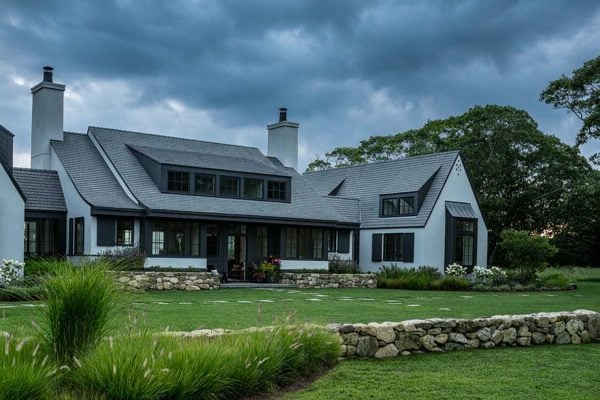
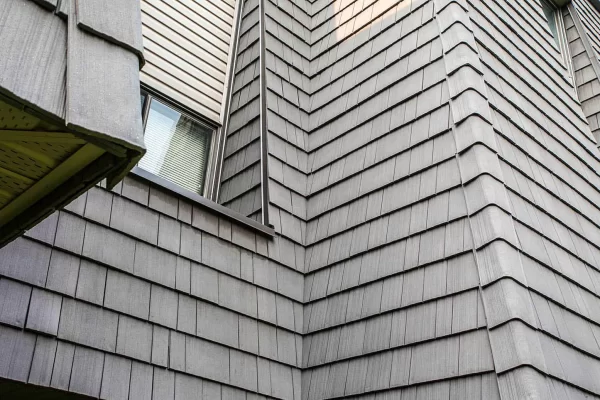
Unlike natural cedar, which varies in density, grain, and oil content from piece to piece, Enviroshake is manufactured to consistent specifications. Every shake meets the same standards for thickness, strength, and moisture resistance, so performance is predictable across the full range of climates — not just in the first years after installation, but decades down the line.
Weather Resistance Without the Upkeep
Enviroshake does not absorb moisture, rot, or support the biological growth that shortens the life of natural wood. There are no periodic treatments to schedule, no moss management to budget for, and no freeze-thaw cycling eating away at the material from within. For homeowners in demanding climates, that kind of passive resistance changes the long-term maintenance equation entirely.
Weather Rating that Matter
Enviroshake is third-party tested to withstand wind speeds up to 180 mph, carries an available Class A or Class C fire rating, and is level 4 impact resistant — credentials that matter for performance and, increasingly, for insurability. Backed by a lifetime warranty, it is built to deliver the kind of consistent weather protection that natural materials simply cannot guarantee.
Ready to see the Enviroshake difference for yourself?
Seeing and holding our product is the most direct way to evaluate the quality of engineered cedar shake roofing. Enviroshake samples are available to homeowners who want to assess color options, texture, and weight before making a decision, and our team is available to discuss which product and finish best suits a specific home, climate, and architectural style.