Types of Roof Valleys: Design, Performance, and Best Applications
Key Takeaways
- Roof valleys are used where two roof slopes meet and help direct water and snow to prevent pooling and leaks.
- The two main roof valley types are open and closed, with open using metal for drainage and closed using shingles for a seamless look.
- Open roof valleys offer better durability, drainage, and lower maintenance, especially in high water flow areas.
- The best roof valley type depends on climate, but open valleys are typically better for heavy rain and snow, especially when using Enviroshake for long-term performance
Roof valleys are one of the most important components of a roof’s drainage system. While they may not be as visually prominent as your roofing materials, choosing the right roof valley design can protect your home from water damage and significantly impact maintenance requirements and long-term performance in climates with heavy rain or snow.
In this article, we’ll explore the different types of roof valleys, how they function, and how to determine the best option for your home.
What Is a Roof Valley?
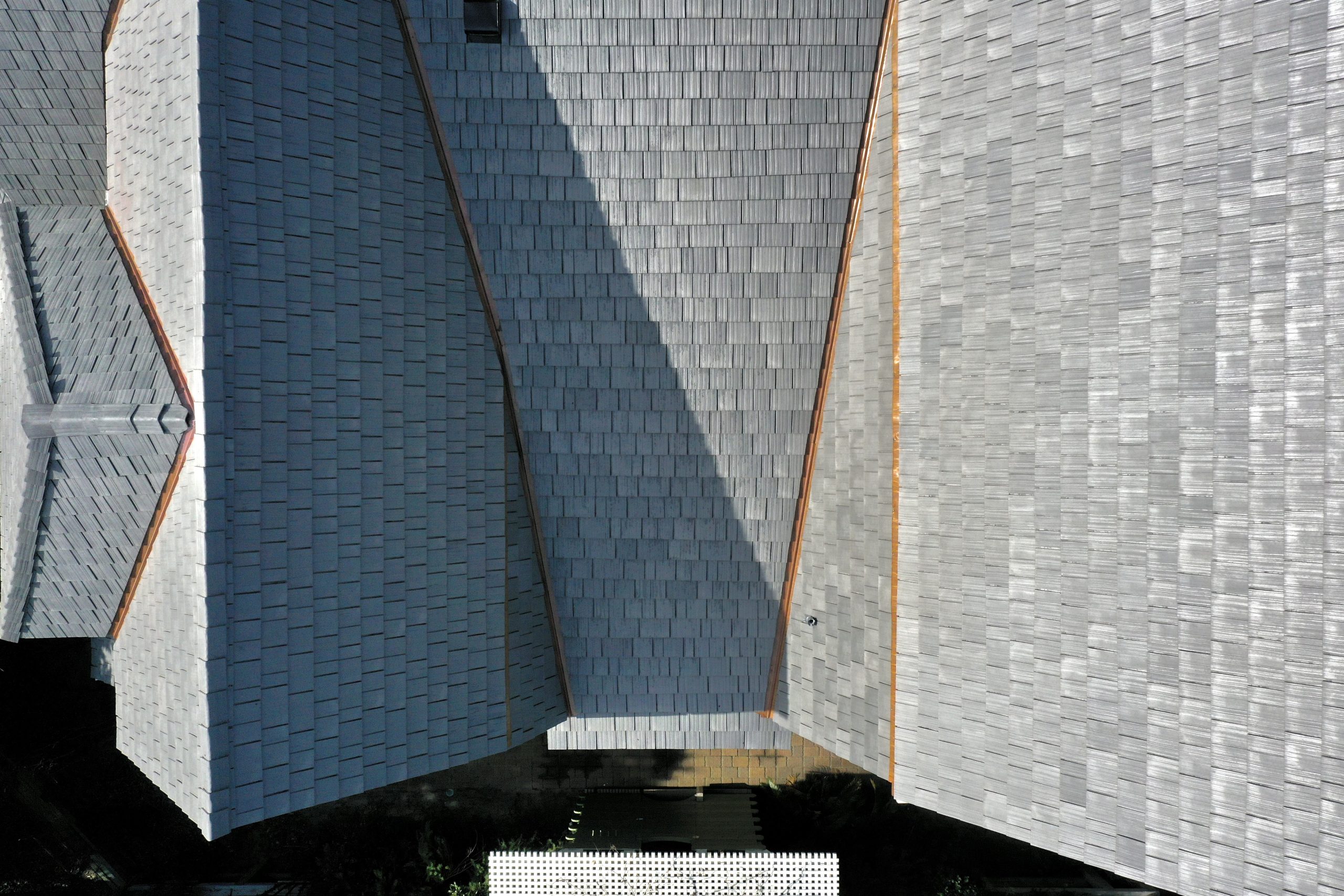
A roof valley is the internal angle formed where two sloping roof planes meet. These intersections naturally collect and channel water down toward the gutters, making them a key part of your roof’s drainage system.
Because valleys handle a high volume of water runoff, they are more vulnerable to wear, debris buildup, and leaks than other parts of the roof. Proper design and installation are essential to ensure efficient drainage and long-term protection.
Types of Roof Valleys
There are two primary roof valley types used in residential roofing:
1. Open Roof Valley
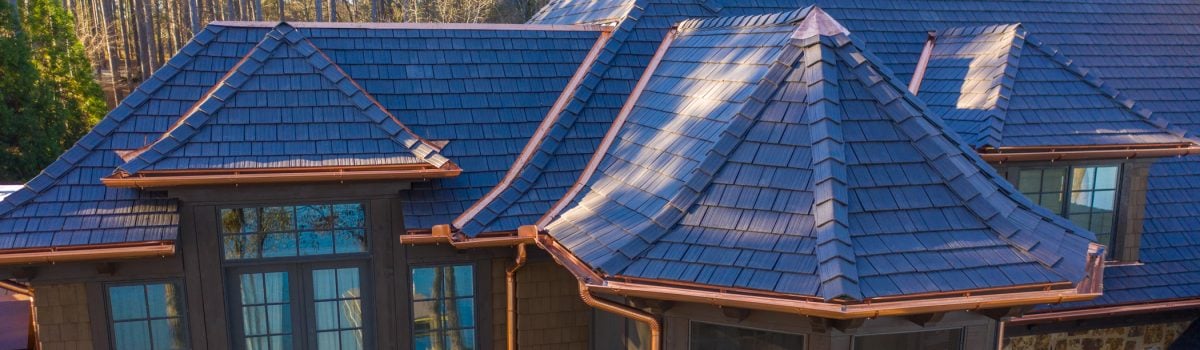
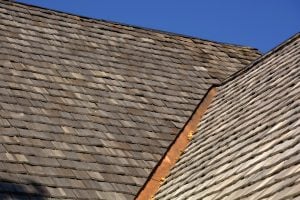
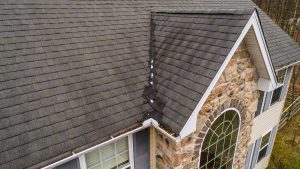
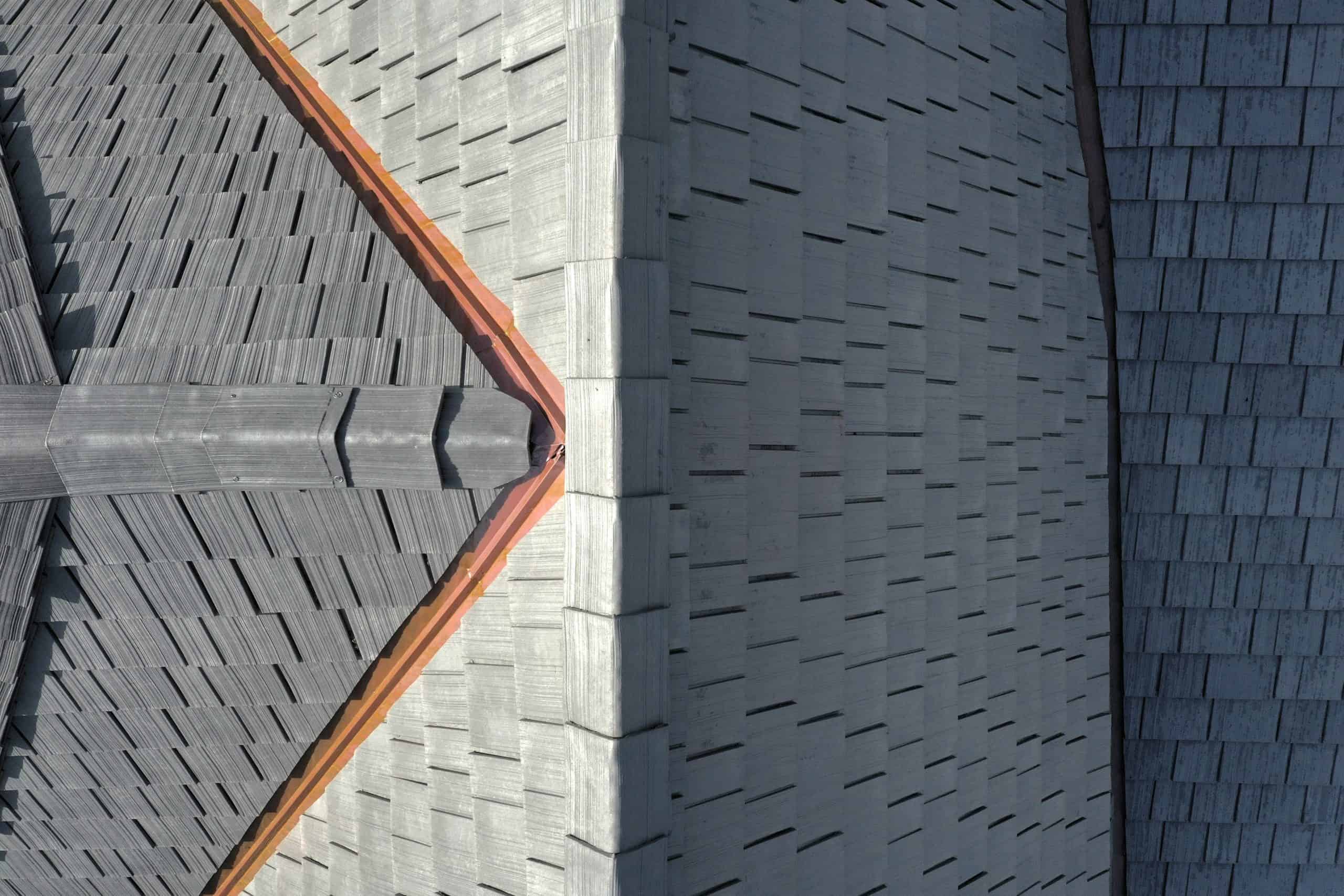
An open roof valley features a visible metal lining (typically aluminum, steel, or copper) installed along the valley. Roofing materials are cut back on either side, leaving the metal exposed to guide water flow.
2. Closed Roof Valley
In a closed roof valley, shingles or roofing materials extend across the valley, covering it completely. There are two common variations:
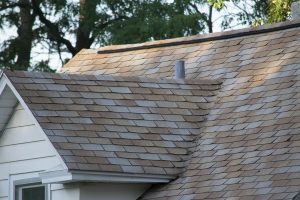
- Closed-cut valley: One roof slope’s shingles extend across the valley, while the other side is cut neatly along the center.
- Woven valley: Shingles from both sides are interwoven across the valley.
Each design offers distinct advantages depending on the roofing material and environmental conditions.
Open vs Closed Roof Valleys
When comparing different roof valley types, understanding how an open vs closed roof valley performs in terms of durability, roof drainage, and maintenance is essential.
| Feature | Open Roof Valley (Exposed Metal Valley) | Closed Roof Valley (Shingle-Covered Valley) |
| Best For | Heavy rain, snow, durability, efficient roof drainage systems | Aesthetic-focused roofs, lower upfront cost |
| Durability | More durable due to metal lining that resists heavy water runoff and wear | Less durable; shingles can wear faster in high-flow valley areas |
| Maintenance | Easier to inspect and maintain; less debris buildup | Requires more upkeep; can trap leaves, debris, and ice |
| Aesthetics | Visible metal valley; clean, modern appearance | Seamless look that blends with the rest of the roof |
| Leak Prevention | Superior performance for water runoff and leak prevention | More prone to leaks if installation or shingle wear becomes an issue |
| Best Climate Use | Best roof valley design for heavy rain and snowy climates | Better suited for mild climates with lower water flow |
| Cost | Higher upfront cost due to metal materials and installation | Lower initial cost using standard roofing materials |
| Long-Term Value | Better long-term value due to durability and reduced maintenance | Potentially higher long-term costs due to repairs and maintenance |
Summary: In most cases, an open roof valley is the better choice for durability and drainage, especially in climates with heavy rain or snow. Closed roof valleys are ideal when aesthetics and lower upfront cost are the primary priorities.
Roof Valley Durability and Maintenance
Roof valleys experience more stress than most other roofing areas due to constant water flow, snow accumulation, and debris impact. As a result, durability and maintenance should be major considerations when deciding on a roof valley design.
How Do Open Roof Valleys Perform?
Open roof valleys require less frequent maintenance and are less prone to clogging because the exposed metal channel allows water, snow, and debris to flow off the roof more efficiently. This design minimizes the chances of leaves or ice getting trapped, which can otherwise lead to water backup and damage. A metal lining is typically highly resistant to weathering, corrosion, and UV exposure.
When properly installed with quality flashing, open roof valleys can last for decades with minimal upkeep, making them a reliable long-term solution for effective roof drainage.
How Do Closed Roof Valleys Perform?
Closed roof valleys often require more regular inspections and maintenance, especially in regions with heavy foliage or frequent snowfall. Because the valley is covered with shingles, debris such as leaves, twigs, and ice can accumulate more easily, increasing the risk of moisture retention and water intrusion. Over time, the constant flow of water in this high-impact area can accelerate shingle wear, leading to cracking, curling, or deterioration. Without proper upkeep, this can shorten the lifespan of the valley and increase the likelihood of leaks, making routine inspection and timely repairs essential.
Regardless of the type, keeping valleys clear of debris and ensuring proper flashing is essential for optimal performance.
Best Roof Valley Type for Your Home
Choosing the best roof valley design depends largely on your local climate and roofing priorities. Here’s what to consider:
Best Roof Valley For Rainy Climates
If your home is exposed to frequent or heavy rain, an open roof valley is typically the best choice. Its metal channel allows for faster, more efficient water drainage, reducing the risk of pooling and leaks.
Best Roof Valley For Snowy Climates
In regions with heavy snowfall, open valleys are also preferred. They help prevent ice dams and allow melting snow to flow more freely off the roof.
Best Roof Valley For Aesthetic-Focused Designs
If visual consistency is a top priority, a closed roof valley may be appealing. However, it’s important to ensure high-quality installation to avoid long-term issues.
Best Roof Valley For Long-Term Performance
Homeowners looking for durability and lower maintenance costs often benefit from open roof valleys, particularly when paired with high-performance roofing materials like Enviroshake.
Frequently Asked Questions for Choosing the Right Roofing Valleys
Which roof valley is better?
The better roof valley type depends on your priorities and climate. In most cases, an open roof valley is considered better for durability, drainage, and long-term performance, especially in areas with heavy rain or snow. Closed roof valleys offer a more seamless appearance and lower upfront cost, but they may require more maintenance and can be more prone to wear over time.
What type of metal should I use in the valley with Enviroshake?
Enviroshake recommends Copper, but 24” (610 mm) heavy gauge metal is acceptable
What type of flashing should I use with Enviroshake?
Enviroshake recommends 24” (610 mm) gauge metal, and a 1⁄2" (13 mm) safety.
Is it preferred to use Enviroshake on an open or closed roof valley?
It is recommended that Enviroshake is installed with an open valley with metal flashing as it provides superior drainage, reduces maintenance needs, and performs better in heavy rain and snowy climates. Closed valleys do not work with all products and can cause unnecessary, additional wear on the material.
Where can I find a roof valley installation guide?
Using a roof valley installation guide is recommended to understand the proper steps and best practices for installing a roof valley to ensure effective water drainage and long-term performance. It typically includes preparation of the roof deck, underlayment installation, flashing placement, and the correct method for installing roofing materials in the valley. If you’re installing Enviroshake, we’ll provide you with a complete installation guide to set you up for success.
Can Enviroshake tell me how much material is needed for my project?
Yes! We are pleased to offer complimentary take-offs from Eagleview reports and PDF or CAD roof plans. Please note, material quantities should always be confirmed by your contractor/builder before purchasing. Contact us for more details.
Talk to an Expert at Enviroshake
Roof valleys may not be the most visible part of your roof, but they are among the most important components of your roofing system. Understanding the different types of roof valleys and how open and closed designs compare can help you make an informed decision that protects your home for years to come.
Whether you prioritize durability, aesthetics, or performance in harsh weather conditions, selecting the right roof valley type is a key step in building a reliable and efficient roofing system.
Need help figuring out what’s right for you and building a strong roofing system? Get in touch with the professionals at Enviroshake for all your roofing needs.