Does Cedar Shake Roofing Improve Energy Efficiency?

How Cedar Shake Roofing Affects Energy Efficiency
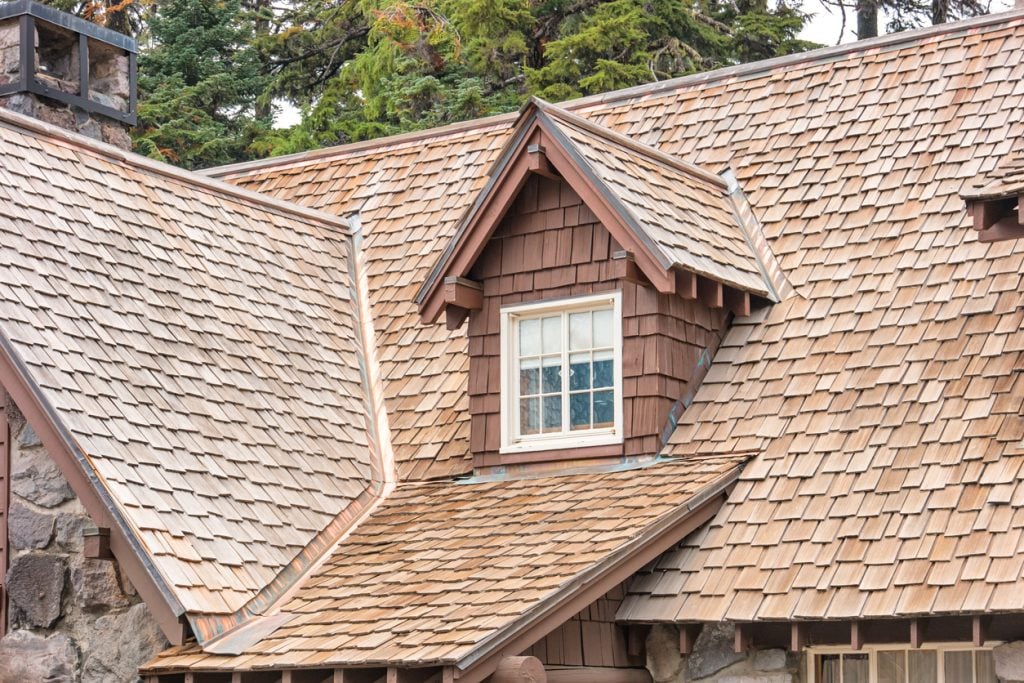
Cedar shake roofing influences energy efficiency primarily through its ability to slow heat transfer. Wood is a natural insulator, meaning it does not conduct heat as quickly as more dense materials. This allows cedar shakes to help moderate temperature fluctuations by reducing the rate at which heat enters or escapes a home. However, this benefit is moderate and should not be overstated.
Energy efficiency is not determined by roofing material alone. The overall performance of a roof depends on how well all components work together. This includes attic insulation, underlayment, ventilation systems, and installation quality. A cedar roof installed without proper airflow or paired with inadequate insulation will not deliver meaningful energy savings.
Another important consideration is consistency. Cedar is a natural material, which means its performance can vary depending on the thickness, quality, and installation of each individual shake. Gaps between shakes can allow for airflow, which can be beneficial when controlled but problematic if excessive. The lifecycle of a cedar shake roof has also decreased over the years, meaning fewer energy saving benefits as time goes by. This variability makes it less predictable compared to engineered roofing materials designed for uniform and reliable performance.
Homeowners should also understand that cedar’s contribution to energy efficiency is more supportive than primary. It can help reduce heat transfer, but it does not replace the need for proper attic insulation or modern building practices. When evaluating roofing options, it is best to view cedar as one element within a broader system that determines overall thermal performance.
Natural Insulating Properties of Cedar
Cedar contains a cellular structure filled with air pockets, which slows the movement of heat. This gives it a natural insulating quality that can help maintain more stable indoor temperatures. Compared to materials that conduct heat more quickly, cedar offers a modest advantage in reducing heat transfer. However, without modern energy-efficient systems, this natural insulation benefit is very limited. Instead, cedar should be seen as a complementary feature that contributes to comfort rather than a main source of insulation.
Role of Ventilation and Airflow
Ventilation plays a critical role in how effectively a cedar shake roof performs. The spacing between shakes can allow air to circulate, which helps regulate temperature and manage moisture levels. Proper airflow beneath the roofing system prevents heat buildup in warmer months and reduces the risk of moisture accumulation. Without adequate ventilation, even a well-installed cedar roof can trap heat and lead to reduced efficiency. This makes ventilation one of the most important factors in achieving consistent energy performance.
Impact of Aging on Thermal Performance
Over time, cedar shakes are subject to wear and environmental exposure. Cracking, warping, and the formation of gaps can reduce their ability to provide consistent insulation. As the material deteriorates, it becomes less effective at slowing heat transfer and more prone to air leakage. This gradual decline means that the energy performance of a cedar roof is not static. Regular maintenance can help extend its effectiveness, but aging is an unavoidable factor that influences long-term efficiency.
Cedar vs Modern Roofing Materials: Energy Performance Comparison
While cedar can offer natural insulating properties when it is first installed, the material tends to age relatively quickly, which can reduce its effectiveness and create challenges for a home’s overall energy efficiency and roofing system performance. In contrast, engineered roofing materials are designed to deliver more predictable and stable performance over time, helping maintain consistent efficiency throughout their lifespan.
Cedar vs Synthetic Roofing
Synthetic roofing materials are engineered to provide consistent thermal performance across the entire roof. Unlike cedar, which can vary in thickness and condition, synthetic products maintain their structure and efficiency over time. This consistency often results in more reliable energy performance, particularly in environments where long-term durability is a priority.
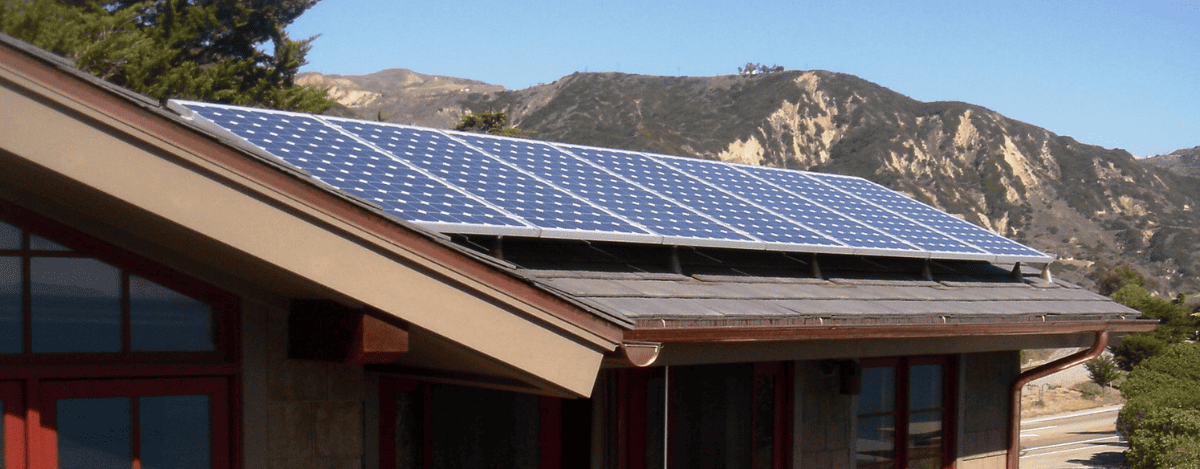
A synthetic product like Enviroshake is considered a Cool Roof with a Solar Reflectivity Index (SRI) value of 31 on the Enviroshake Envirocool product. All Enviroshake products allow less heat transfer than do cedar or asphalt, which can reduce heating and cooling bills. Enviroshake is also compatible with solar panels for an even bigger impact on energy efficiency.
Cedar vs Asphalt Shingles
Asphalt shingles typically have lower insulating properties than cedar, but they can be manufactured with reflective coatings that reduce heat absorption. Cedar offers a natural advantage in slowing heat transfer, while asphalt may provide better performance in reflecting sunlight depending on the product. Each material has trade-offs, and overall efficiency depends on the full roofing system.
Long-Term Efficiency Considerations
Durability plays a key role in long-term energy performance. Materials that resist cracking, warping, and environmental damage are more likely to maintain consistent efficiency over time. Cedar’s natural aging process can lead to reduced performance, while modern materials are often designed to minimize these effects. The future of sustainable roofing includes choosing a roofing material that maintains its structure, resulting in more stable energy efficiency over the lifespan of the roof.
How to Improve the Energy Efficiency of a Cedar Roof

Improving the energy efficiency of a cedar roof involves optimizing the entire roofing system rather than relying on the material alone. By addressing insulation, ventilation, and maintenance, homeowners can significantly enhance overall performance.
Importance of Attic Insulation
Attic insulation is the most important factor in controlling heat transfer within a home. High-quality insulation reduces heat loss in winter and limits heat gain in summer, making it a critical component of energy efficiency. Even the best roofing material cannot compensate for poor insulation. Ensuring that the attic is properly insulated will have a far greater impact on energy savings than the choice of roofing material alone.
Optimizing Roof Ventilation
Proper ventilation allows air to circulate through the attic and beneath the roof, preventing heat buildup and moisture accumulation. This helps maintain a stable temperature and reduces strain on heating and cooling systems. Ridge vents, soffit vents, and other airflow solutions can work together to create an effective ventilation system. Without proper airflow, the benefits of cedar roofing are significantly reduced.
Maintenance and Repairs
Regular maintenance is essential for preserving the energy performance of a cedar roof. Replacing damaged or warped shakes, sealing gaps, and addressing wear early can help maintain its insulating properties. Neglecting maintenance allows deterioration to progress, leading to increased air leakage and reduced efficiency. Keeping the roof in good condition ensures it continues to contribute to overall thermal performance.