Best Roofing Materials for Colorado Homes: The Complete Homeowner’s Guide
Key Takeaways
- Best overall premium choice: Enviroshake composite cedar shake offers Class 4 impact resistance, third-party wind testing to 180 mph, available Class A fire protection, and the authentic appearance of natural cedar.
- Best for contemporary architecture: Standing seam metal offers longevity and snow-shedding performance, although certain products can experience cosmetic denting from hail.
- Best budget-friendly option: Class 4 architectural asphalt shingles offer impact resistance at a more accessible initial price.
- Best for traditional mountain homes: Composite cedar shake preserves the warmth and texture associated with Colorado’s mountain architecture while reducing the maintenance requirements of natural wood.
- Best for wildfire-prone properties: A properly specified Class A fire-rated roofing system should be a priority, alongside appropriate home-hardening measures.
Choosing the right roofing material in Colorado requires careful consideration of the state’s demanding climate, where severe hailstorms, heavy mountain snowfall, intense sunlight, and wildfire exposure can all influence the performance and longevity of a roof. These conditions vary considerably across the state; homeowners along Denver’s Front Range face recurring hailstorms and strong winds, while properties in Aspen, Vail, and Breckenridge must also contend with substantial snowfall, freezing temperatures, and architectural requirements that can influence material selection. In this guide, we’ll compare the best roofing materials for Colorado homes, explain the performance characteristics worth prioritizing, and explore how different materials complement the state’s distinctive architectural styles.
What Is the Best Roofing Material for Colorado Homes?
Composite cedar shake, standing seam metal, and Class 4 impact-resistant asphalt shingles are among the best roofing materials for Colorado homes. For homeowners seeking premium durability and traditional architectural appeal, Enviroshake composite cedar shake is our top recommendation.
Colorado’s climate places considerable demands on roofing materials, making impact resistance, fire protection, and long-term weathering performance particularly important. Although each material offers distinct advantages, homeowners should also consider how the roof will complement the architecture of their property and how much maintenance it may require over time.
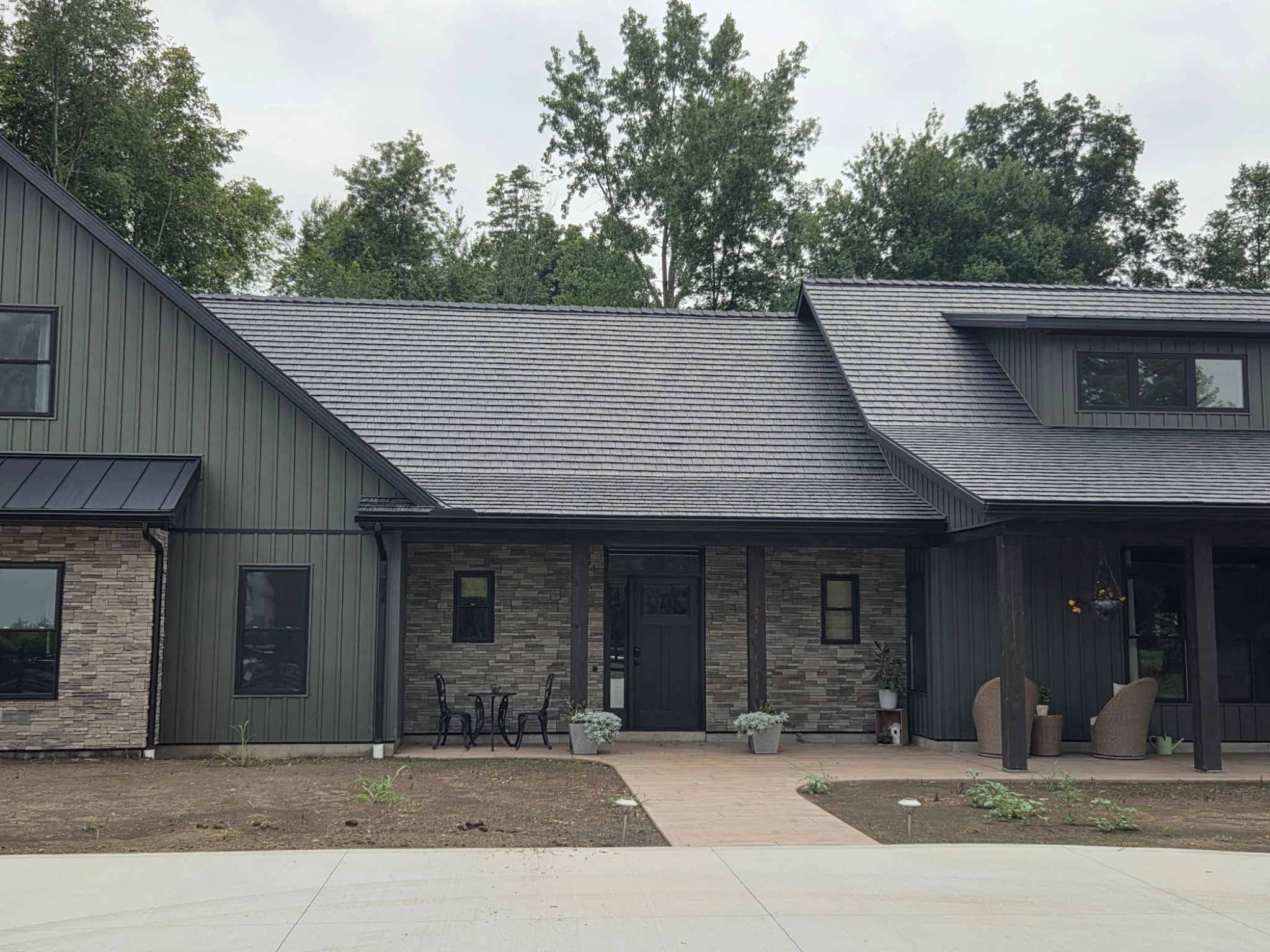
Enviroshake is particularly well suited to homeowners who appreciate the appearance of traditional cedar shake, a material long associated with Colorado’s mountain homes, but want to avoid the splitting, curling, and ongoing maintenance associated with natural wood. Its engineered composite construction combines realistic cedar texture with verified performance characteristics, including a UL 2218 Class 4 impact rating and third-party wind testing to 180 mph.
For homeowners who prefer clean, contemporary rooflines, standing seam metal provides an attractive alternative, while impact-resistant asphalt shingles remain a practical choice for projects with tighter budgets or investment properties. Enviroshake is best suited to homeowners seeking a longterm investment in their property.
What Makes Colorado’s Climate So Demanding on Roofing Materials?
Colorado’s combination of high elevation, severe weather, and substantial seasonal temperature changes creates conditions that can accelerate roofing deterioration. Understanding the particular challenges associated with your location is an important first step in choosing a material that will perform reliably over time.
Hailstorms Along the Front Range
Communities throughout Denver, Boulder, Fort Collins, and Colorado Springs experience recurring hailstorms capable of causing extensive residential roof damage. Large hailstones can fracture brittle roofing materials, dislodge protective granules from asphalt shingles, and leave visible dents in certain metal roofing systems.
For homeowners in these regions, UL 2218 Class 4 impact resistance is one of the most important specifications to consider. This is the highest classification available under the testing standard, indicating that a roofing product has successfully resisted a prescribed series of controlled impacts.
Enviroshake carries a Class 4 impact rating, making it a strong candidate for homeowners seeking premium roofing in hail-prone areas. Qualifying architectural asphalt shingles and certain metal products also offer impact-resistant options, although homeowners should compare individual product ratings rather than assuming all materials within a category perform equally.
Wildfire Exposure in Mountain and Foothill Communities
Wildfire resistance is increasingly important for homeowners in Colorado’s forested mountain regions and wildland-urban interface, where windborne embers can travel ahead of an advancing fire and accumulate around vulnerable building details.
A Class A fire-rated roofing system provides the highest roof fire classification under ASTM E108 or UL 790. For homeowners who appreciate traditional cedar shake architecture, Enviroshake offers Class A fire-rated options that preserve the appearance of natural wood without relying on untreated cedar as the roof covering.
Local requirements vary, and homeowners should confirm that the specified roofing assembly complies with applicable building codes. Fire-resistant roofing is also one component of a broader approach to wildfire protection, which includes vegetation management, appropriate vents, and maintaining gutters and roof surfaces free of combustible debris.
Heavy Snowfall and Freeze-Thaw Cycles
In mountain communities such as Aspen, Vail, Breckenridge, and Steamboat Springs, substantial snow accumulation and repeated freeze-thaw cycles place considerable demands on roofing materials and their associated components.
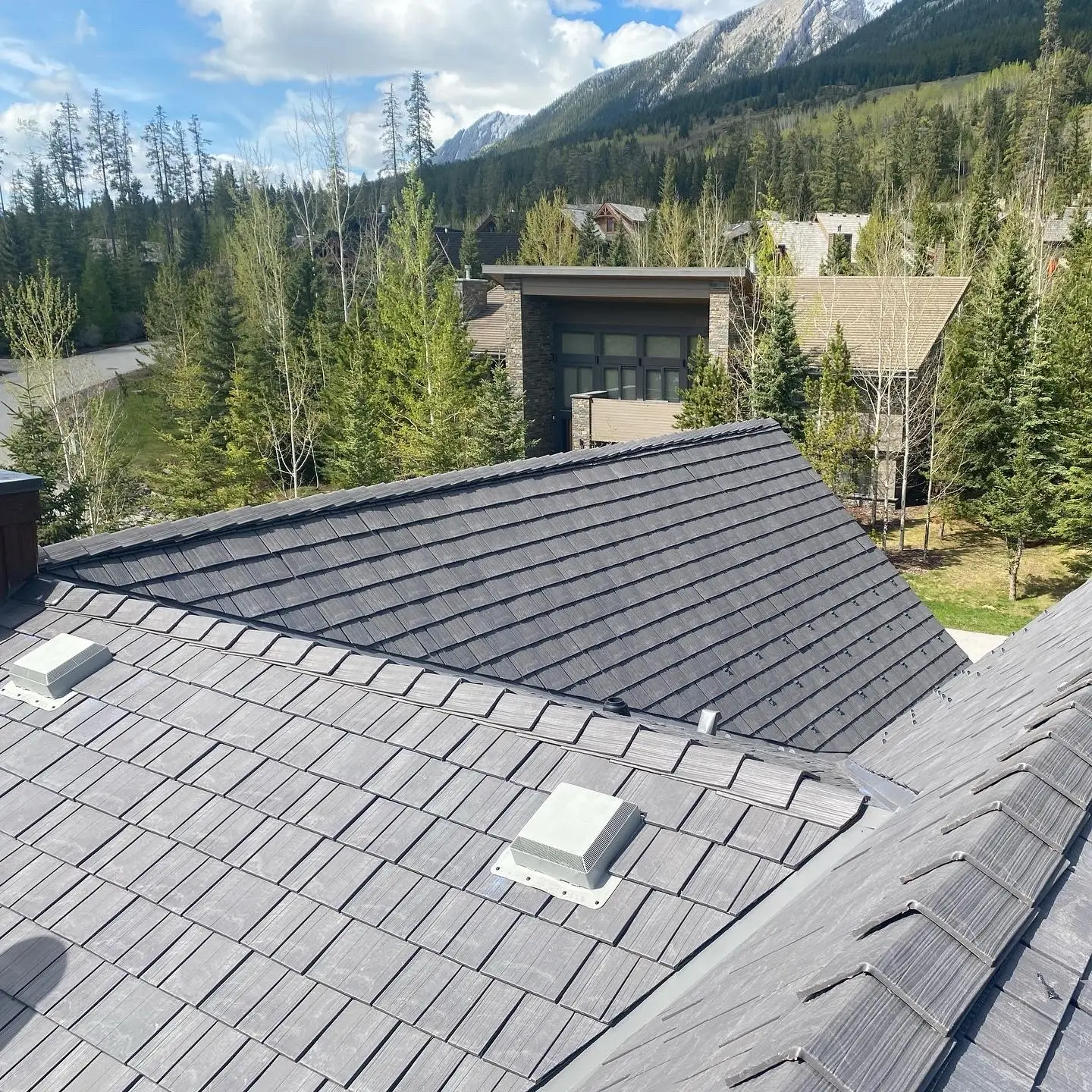
Natural cedar can gradually develop splits, curling, and moisture-related deterioration, while aging asphalt shingles may become increasingly brittle following prolonged environmental exposure. Composite roofing products such as Enviroshake are engineered to resist moisture-related deterioration, including rot, mold, and mildew, making them attractive alternatives for homeowners seeking long-term durability.
Standing seam metal is also particularly effective at shedding snow, although snow retention systems may be necessary to prevent accumulated snow from releasing suddenly above entrances, walkways, and lower roof sections.
Regardless of the material selected, appropriate underlayment, ventilation, flashing, and snow management are essential to reliable winter performance.
Intense Sun Exposure at Higher Elevations
Colorado’s abundant sunshine and high elevations can accelerate the weathering of roofing materials susceptible to ultraviolet degradation. Natural cedar gradually changes color and develops surface checking, while asphalt shingles may lose protective granules and flexibility as they age.
Enviroshake incorporates UV stabilizers into its composite formulation, helping the material withstand prolonged sunlight while retaining its intended appearance. Its naturally varied finishes are particularly attractive for mountain properties, where the appearance of weathered cedar has long been associated with traditional architecture.
The Best Roofing Materials for Colorado Homes, Compared
1. Composite Cedar Shake: Best Overall Premium Roofing Material
Premium composite cedar shake is the leading option for Colorado homeowners seeking long-term durability, impact resistance, and the appearance of traditional wood roofing. Enviroshake combines authentic cedar aesthetics with performance characteristics suited to the state’s demanding climate.
Manufactured using approximately 95% post-industrial recycled plastics and elastomers combined with natural wood fibers, Enviroshake is engineered to reproduce the appearance of real taper-sawn cedar shakes. Its varied profiles, pronounced shadow lines, and subtle color differences create a natural-looking roof that complements everything from traditional mountain lodges to contemporary residences.
Its performance specifications are equally relevant to Colorado homeowners:
- Class 4 impact resistance, the highest classification under UL 2218, for improved resistance to hail impacts.
- Third-party wind testing to 180 mph, providing verified performance under specified wind-testing conditions.
- Class A fire-rated options, particularly important for homes in wildfire-prone areas.
- Resistance to rot, mold, mildew, and insects, reducing the maintenance associated with natural cedar.
- A 50-year fully transferable Gold Level warranty.
Composite roofing generally requires a greater initial investment than conventional asphalt shingles, but its durability, reduced maintenance requirements, and premium architectural appearance make it an attractive option for homeowners planning a long-term replacement.
Best for: Luxury mountain homes, cedar shake replacements, traditional architecture, and homeowners upgrading from asphalt to a premium roofing material.
2. Standing Seam Metal: Best for Contemporary Colorado Homes
Standing seam metal is a great option for homeowners who appreciate contemporary architecture, particularly properties featuring clean rooflines, extensive glazing, and modern exterior finishes. Its continuous panels create a distinctive appearance, while the material’s durability and snow-shedding characteristics make it well suited to many mountain applications.
Metal roofing can provide decades of service when properly specified and installed, although homeowners in hail-prone regions should consider the possibility of cosmetic denting. Snow retention also requires careful planning, particularly on steep roof pitches where accumulated snow can release suddenly.
For homeowners who prefer a more organic appearance, composite cedar shake offers an interesting alternative to metal. Enviroshake’s substantial texture and natural color variation create a warm visual contrast with glass, steel, and contemporary siding, making it particularly effective on modern mountain homes.
Best for: Contemporary architecture, modern mountain properties, and homeowners who prefer the appearance of metal panels.
3. Class 4 Architectural Asphalt Shingles: Best Budget-Friendly Option
Architectural asphalt shingles remain one of Colorado’s most widely used roofing materials, offering a familiar appearance, broad availability, and a relatively affordable initial installation cost. For homeowners in hail-prone areas, Class 4 impact-resistant products are generally preferable to conventional shingles with lower impact classifications.
However, asphalt roofing remains susceptible to gradual deterioration from UV exposure, temperature fluctuations, and the loss of protective surface granules. Its thinner profile also produces a comparatively uniform appearance, which may be less appealing on homes originally designed around the substantial texture of natural cedar.
For homeowners planning to remain in their property for several decades, the possibility of future replacement should be considered alongside the initial savings. Premium composite roofing offers an alternative for those who want a longer-term investment and a more distinctive architectural finish.
Best for: Homeowners prioritizing initial affordability and conventional residential roof replacements.
4. Natural Cedar Shake: Traditional Appeal, Higher Maintenance
Natural cedar shake has a longstanding association with Colorado’s mountain architecture, where its warm coloration, pronounced texture, and organic character complement timber framing, natural stone, and forested surroundings.
Despite its visual appeal, cedar requires ongoing maintenance to address weathering, splitting, curling, and biological deterioration. Fire resistance is another important consideration, particularly in mountain communities where wildfire exposure and local building regulations may restrict combustible roofing materials.
For homeowners replacing an existing cedar roof, composite alternatives offer an opportunity to preserve the original architectural character while reducing maintenance requirements. Enviroshake’s profiles are developed from real taper-sawn cedar, allowing the finished roof to reproduce the dimensional texture and natural variation associated with traditional wood roofing.
Best for: Properties where natural wood is specifically desired and permitted, and homeowners prepared for its maintenance requirements.
What Is the Best Roofing Material for Colorado Mountain Homes?
Composite cedar shake is one of the strongest choices for traditional Colorado mountain homes, combining the architectural appeal of natural cedar with engineered durability and reduced maintenance. Standing seam metal is another excellent option, particularly for contemporary properties and steep roof designs.
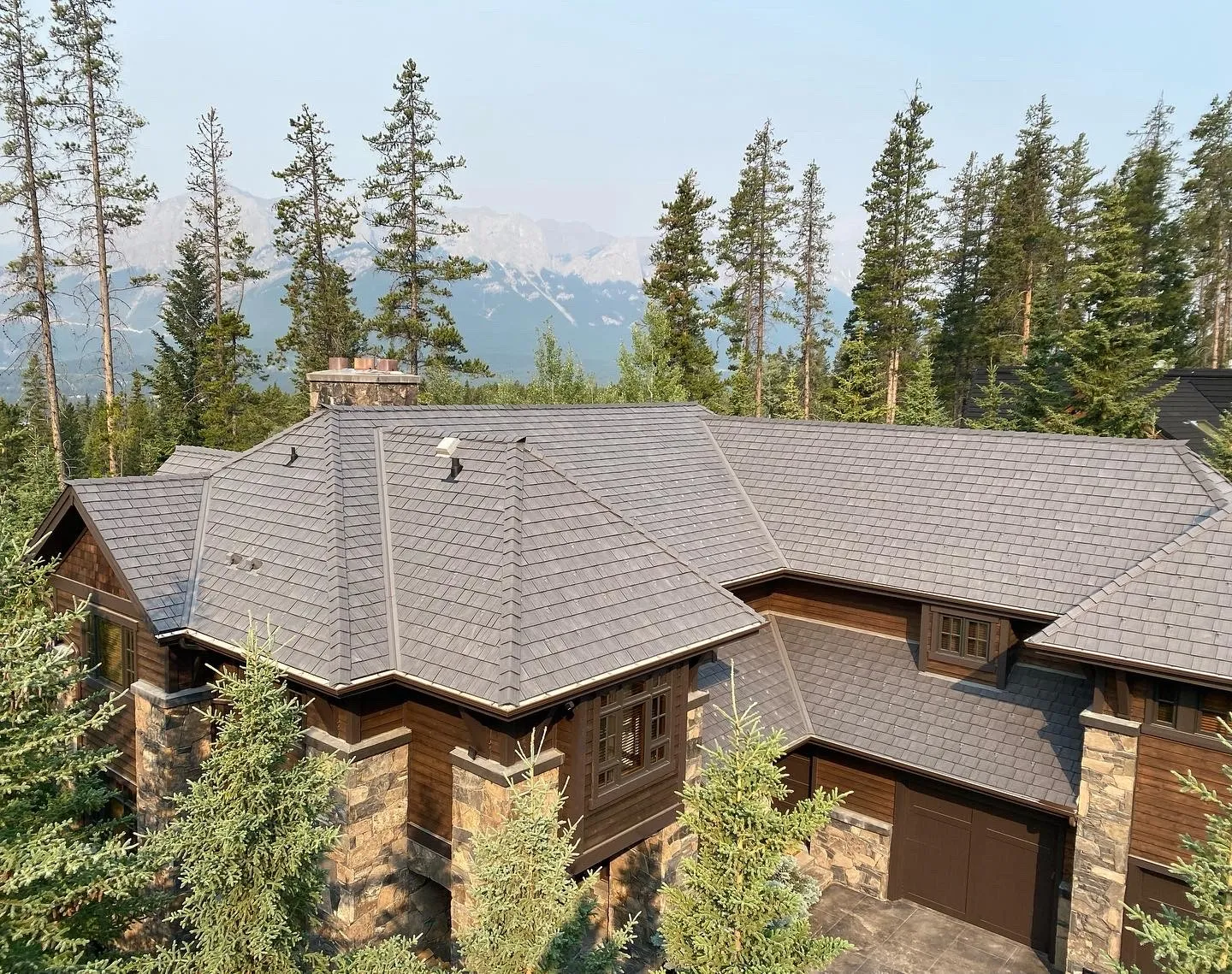
Throughout Aspen, Vail, Breckenridge, and Telluride, cedar shake roofing has long contributed to the distinctive appearance of mountain residences. Its natural texture complements exposed timber, substantial stonework, and the surrounding evergreen forests, creating a familiar architectural character that many homeowners wish to preserve when replacing their roof.
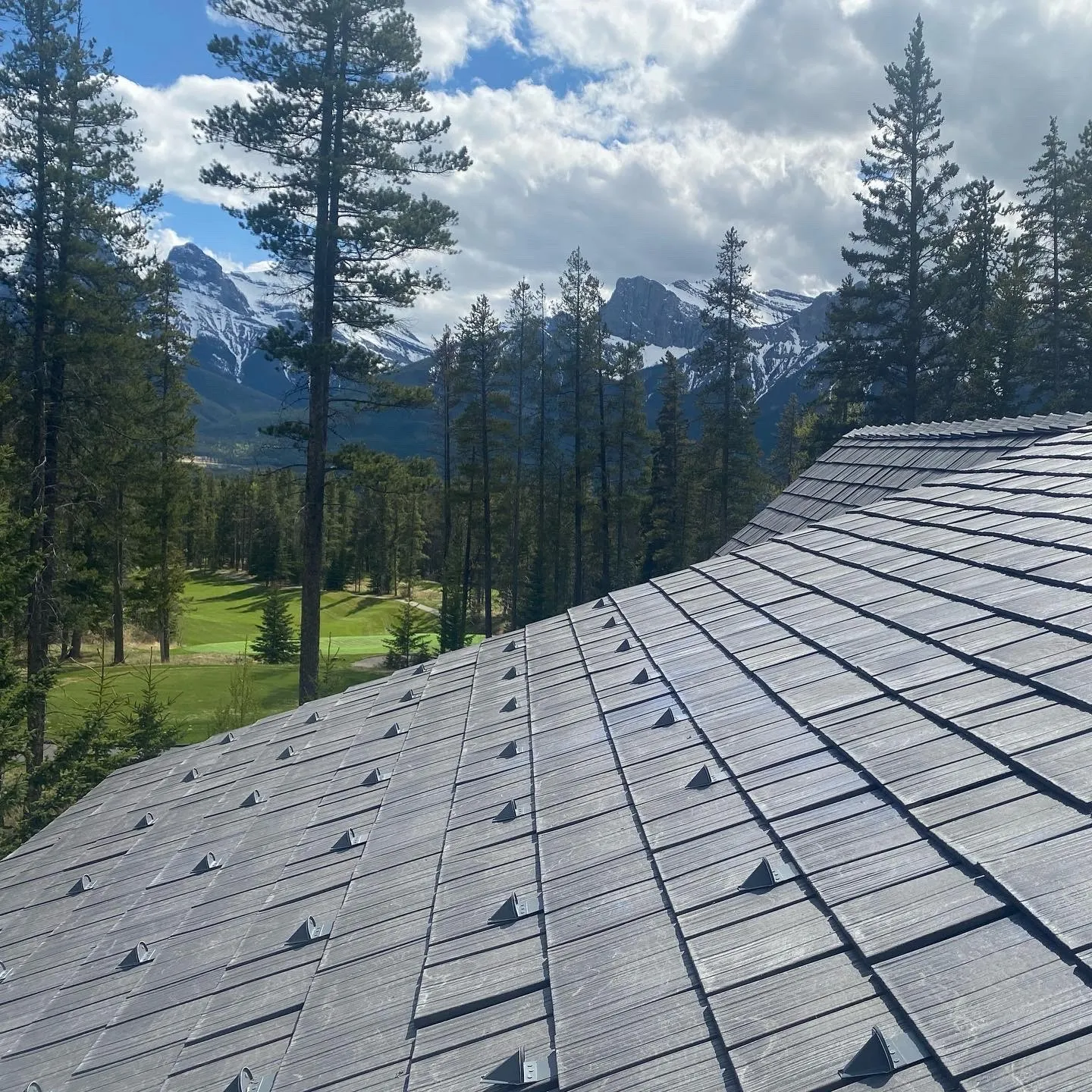
Enviroshake offers an opportunity to retain this appearance without the same maintenance demands as natural cedar. Its Silvered Cedar finish captures the cool, weathered tones of aged wood, particularly attractive alongside gray stone and mature evergreens, while Aged Cedar provides a warmer appearance that complements traditional timber construction.
For historic properties, architectural authenticity can be especially important. Enviroshake’s Enviroshingle has previously been approved for a historic roof replacement in Aspen, demonstrating how carefully designed composite roofing can satisfy demanding aesthetic requirements. Approval remains project-specific, and homeowners should confirm any applicable architectural review restrictions before selecting a replacement material.
What Is the Best Hail-Resistant Roofing Material for Colorado?
Class 4 impact-resistant roofing products are among the best options for Colorado homes exposed to frequent hailstorms. Enviroshake composite cedar shake, qualifying architectural asphalt shingles, and certain metal roofing products all offer options with verified impact resistance.
The UL 2218 Class 4 designation indicates that a roofing product has passed the highest impact classification under the standard, although it does not guarantee protection against every hailstorm.
For homeowners who want impact resistance alongside premium aesthetics, Enviroshake offers the additional advantage of authentic cedar texture and reduced maintenance requirements. Asphalt may be preferable where upfront cost is the primary consideration, while metal can be an excellent choice for contemporary properties.
Some insurance providers offer discounts for qualifying impact-resistant roofing products, although eligibility and potential savings vary by insurer and policy. Homeowners should confirm these details directly with their insurance provider before making a final decision.
Is Composite Roofing Worth the Investment in Colorado?
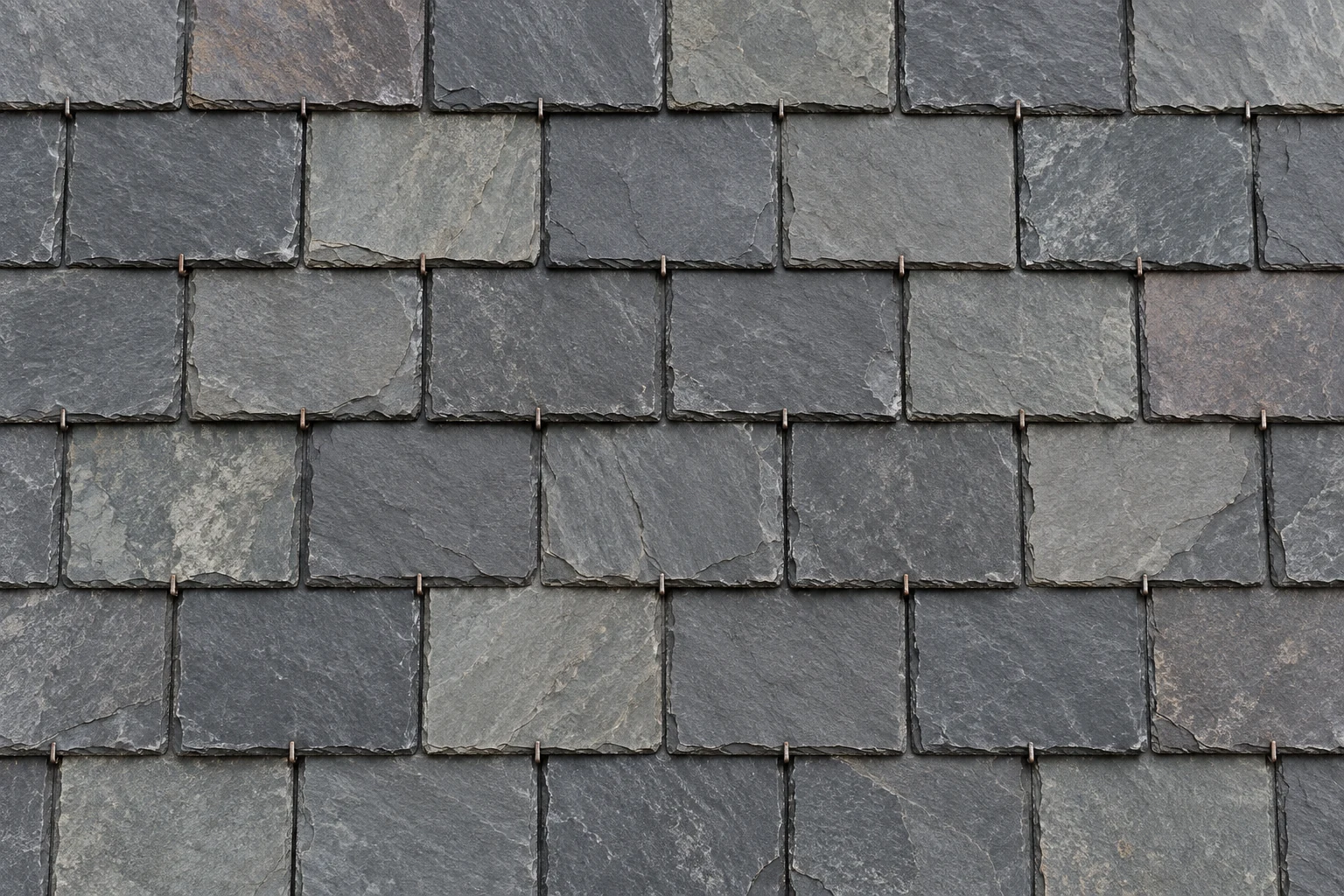
Composite roofing can be a worthwhile investment for Colorado homeowners seeking a durable, low-maintenance roof with the appearance of traditional cedar or slate. Although premium composite products generally cost more initially than asphalt shingles, their long-term durability and reduced maintenance requirements can provide meaningful value over an extended ownership period.
When comparing roofing estimates, homeowners should consider the complete cost of ownership, including maintenance, potential repairs, and the likelihood of future replacement. Natural cedar may require periodic treatments and repairs, while asphalt roofing eventually needs replacement as its protective surfaces and underlying materials deteriorate.
Enviroshake is designed for long-term service without the preservatives and refinishing associated with natural cedar, and its 50-year fully transferable Gold Level warranty provides additional confidence for homeowners making a substantial investment.
A complete roofing quote should also account for underlayment, fasteners, flashing, ridge and hip components, ventilation, and any snow retention measures required for the property. These details are particularly important in Colorado, where the performance of the complete roofing system can be just as significant as the material itself.
Frequently Asked Questions About Roofing in Colorado
What is the longest-lasting roofing material for Colorado homes?
Natural slate, properly specified metal roofing, and premium composite roofing systems can provide several decades of service. Enviroshake is designed for long-term durability and backed by a 50-year Gold Level warranty, although actual service life depends on installation quality, environmental exposure, and maintenance.
Are cedar shake roofs allowed in Colorado?
Natural cedar shake roofing is permitted in many Colorado jurisdictions, but wildfire-related restrictions and local building requirements can limit its use. Homeowners should verify applicable regulations before selecting wood roofing. Composite cedar alternatives such as Enviroshake offer Class A fire-rated options that may be appropriate where natural cedar is restricted.
Is metal or composite roofing better for Colorado?
Both materials can perform well in Colorado. Standing seam metal is particularly attractive for contemporary architecture and snow-shedding applications, while composite cedar shake offers a traditional, dimensional appearance with engineered weather resistance. The best choice depends on the home’s design, location, and the homeowner’s priorities.
Does Class 4 roofing lower homeowners insurance in Colorado?
Some Colorado insurance providers offer premium discounts for qualifying Class 4 impact-resistant roofing products, but eligibility and savings vary. Homeowners should confirm whether their insurer recognizes the specific product and whether any exclusions or special deductibles apply.
Can you replace natural cedar shake with synthetic cedar in Colorado?
Yes. Synthetic cedar shake can replace natural cedar on many Colorado homes, provided the selected roofing system meets local building and architectural requirements. Enviroshake is designed to reproduce the appearance of traditional cedar while offering Class 4 impact resistance, third-party wind testing to 180 mph, and available Class A fire protection.
Choosing the Right Roof for Your Colorado Home
From the hail-prone communities of the Front Range to the forested mountain landscapes of the Rockies, Colorado homeowners have good reason to prioritize roofing materials that offer dependable weather resistance, lasting architectural appeal, and manageable maintenance requirements. The right choice should reflect the demands of the local climate, the character of the home, and the owner’s expectations for long-term value.
For homeowners who appreciate the appearance of traditional cedar shake, Enviroshake offers a compelling combination of authentic texture and engineered performance. Their premium aesthetics, verified impact resistance, and long-term warranty coverage make them particularly attractive for homeowners seeking a lasting alternative to conventional roofing materials.
Whether you’re replacing an aging cedar roof in Aspen, upgrading an asphalt roof in Denver, or selecting materials for a new mountain property, our team can help you explore the available colors, review technical specifications, and determine the right roofing solution for your project.
Request a free Enviroshake or Enviroslate sample to experience the texture, thickness, and natural variation of our composite roofing materials firsthand.
Interested in learning more about Enviroshake products?
Contact us today to discuss your project and how we can help you achieve your design goals.