Which Roofing Material is Right for My Home?
Key Takeaways
- The best roofing material depends on your priorities, including appearance, durability, maintenance, and long-term value.
- Premium roofing materials often cost more upfront but can reduce maintenance and replacement costs over time.
- Fire resistance, wind performance, and impact resistance have become increasingly important when evaluating roofing systems.
- Engineered composite roofing combines the authentic look of cedar with modern performance and long-term durability.
Comparing Today's Most Popular Roofing Materials
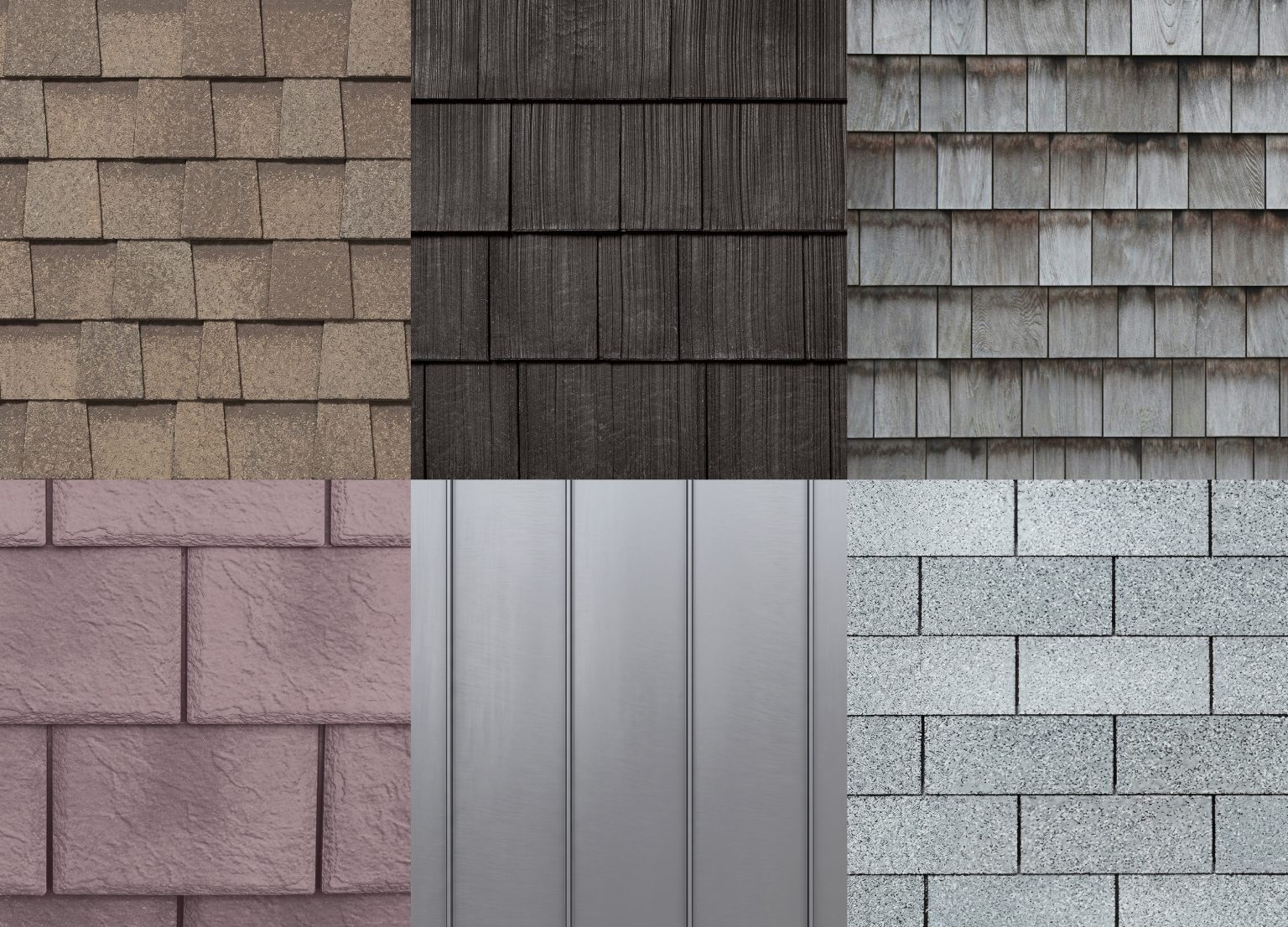
Choosing a new roof means balancing curb appeal, durability, maintenance, and long-term value. From traditional asphalt shingles to premium cedar, slate, and engineered composite roofing, each material offers its own advantages. This guide provides a quick overview of the most common residential roofing materials, highlighting where each excels and what homeowners should consider before making a decision.
Are 3-Tab Shingles Still a Good Roofing Option?
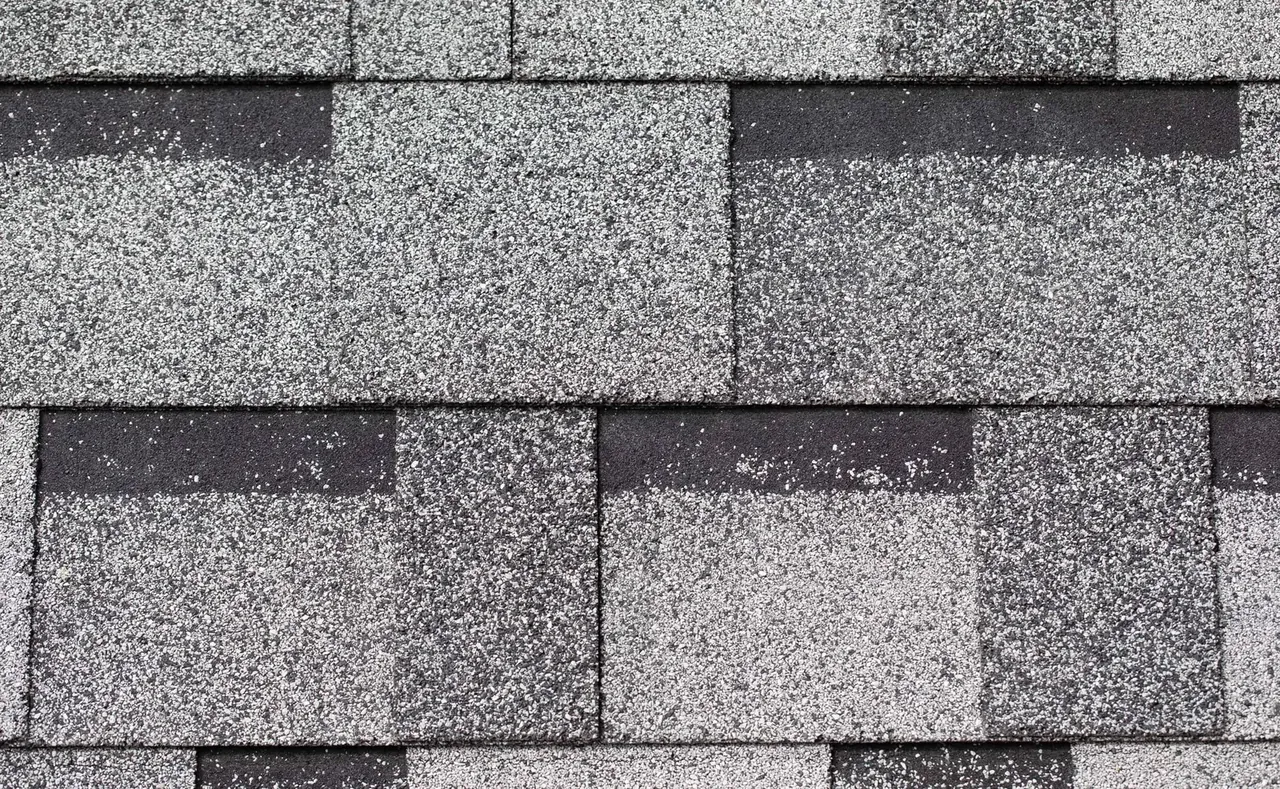
Yes, but primarily for homeowners looking for the lowest upfront cost. Three-tab shingles remain one of the most economical roofing materials available, though they offer a flatter appearance and generally shorter lifespan than newer roofing systems. While they continue to protect millions of homes, they're increasingly being replaced by architectural shingles and premium roofing products that provide improved durability and curb appeal.
| Best For | Budget-conscious homeowners looking for a basic roofing solution. |
|---|---|
| Curb Appeal | ★☆☆☆☆ Simple, flat appearance with limited dimensional texture. |
| Longevity | ★★☆☆☆ Typically lasts 10-15 years depending on climate, maintenance and exposure. |
| Overall Performance | ★★☆☆☆ Provides dependable protection, but is less durable than premium roofing materials. |
| Maintenance | ★★★☆☆ Occasional inspections and repairs may be needed as the roof ages. |
| Fire Resistance | ★★★☆☆ Varies by product and roofing assembly. |
| Upfront Cost | $ One of the most affordable roofing options. |
| Expected Lifespan | 10-15 Years* (Varies based on roof exposure, direction, and slope) |
Are Architectural Shingles Worth Upgrading To?
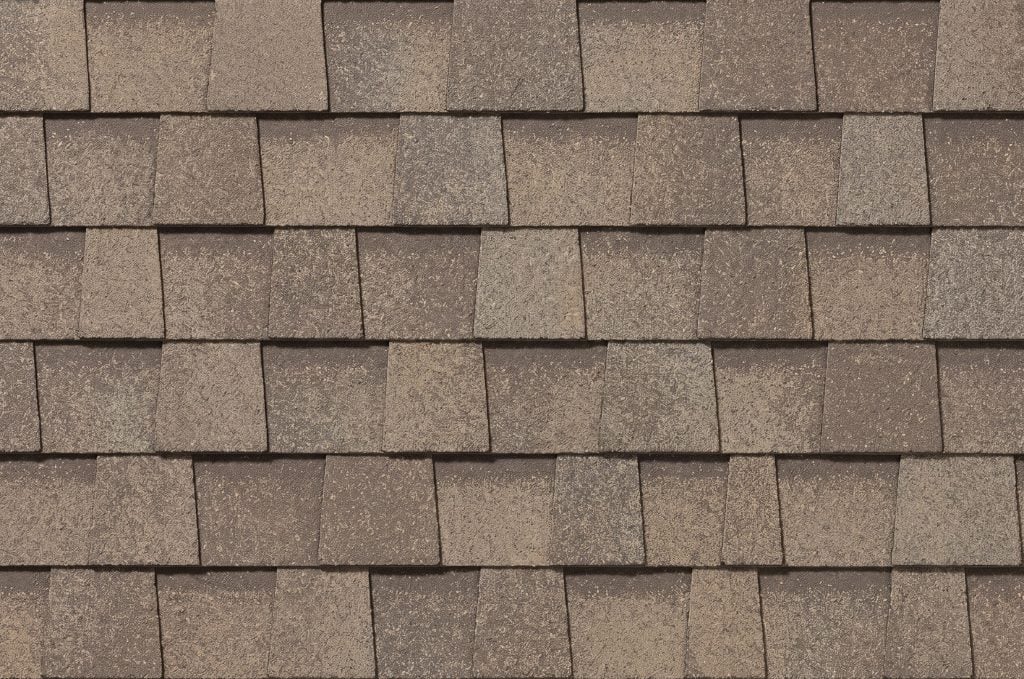
For many homeowners, yes. Architectural shingles improve upon traditional 3-tab shingles by adding greater thickness, dimensional texture, and improved durability. They have become the most common residential roofing material because they balance affordability with a more refined appearance. While they don't replicate the character of cedar or slate, they offer a noticeable improvement in curb appeal over basic asphalt roofing.
| Best For | Homeowners seeking the next step up from 3-tab shingles. |
|---|---|
| Curb Appeal | ★★☆☆☆ Dimensional profiles create greater depth and shadow lines than traditional 3-tab shingles. |
| Longevity | ★★★☆☆ Typically lasts 15-25 years with proper installation and regular maintenance. |
| Overall Performance | ★★★☆☆ Offers dependable protection against everyday weather, with enhanced wind resistance over basic asphalt shingles. |
| Maintenance | ★★★★☆ Requires minimal maintenance beyond periodic inspections and routine roof care. |
| Fire Resistance | ★★★★★ Many products are available with a Class A fire rating when installed as part of an approved roofing assembly. |
| Upfront Cost | $$ Moderately priced, offering a strong balance between cost and long-term performance. |
| Expected Lifespan | 15-25 Years* (Varies based on roof exposure, direction, and slope) |
Is Metal Roofing Right for Your Home?
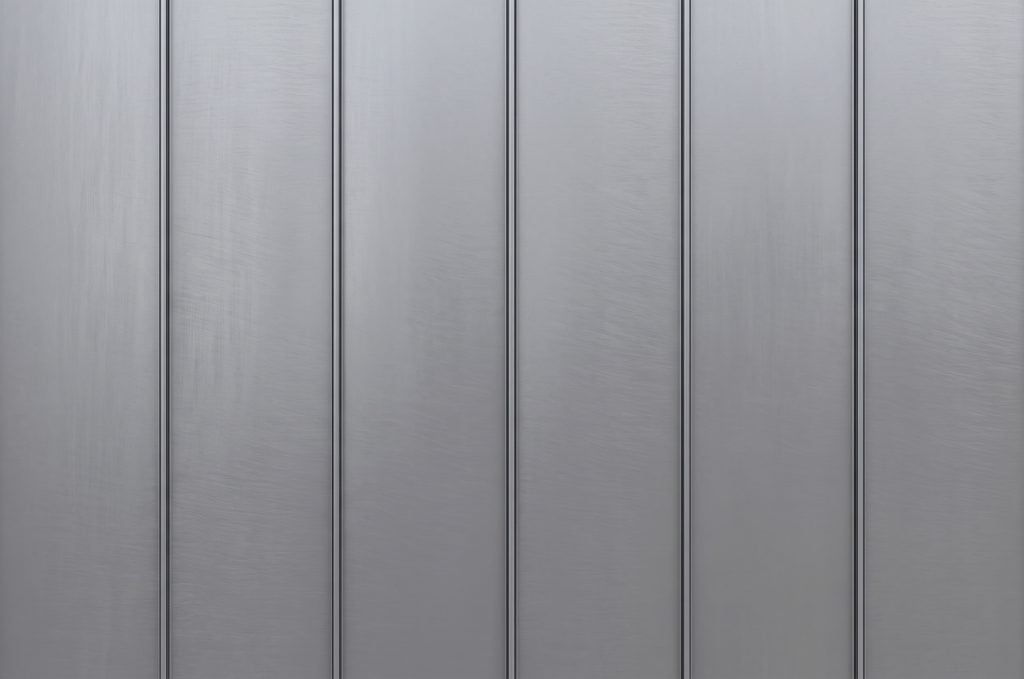
Metal roofing is an excellent option for homeowners seeking long-term durability and minimal maintenance. It is one of the longest-lasting residential roofing materials available and offers excellent resistance to fire, wind, insects, and moisture. These qualities have made it increasingly popular in regions exposed to severe weather and harsh climates.
Metal roofing does come with some practical and aesthetic considerations. While many systems carry lengthy warranties against material failure, paint and finish warranties are often much shorter, meaning color fading or chipping may occur long before the roof reaches the end of its service life. Certain metal roofing profiles can also dent from large hail or falling branches, and care should be taken when walking on the roof to avoid damaging panels. From a design perspective, metal complements modern architecture exceptionally well, though homeowners seeking the warmth and natural character of cedar or slate may prefer roofing materials that more closely replicate those traditional aesthetics.
Is Slate Roofing Worth the Investment?
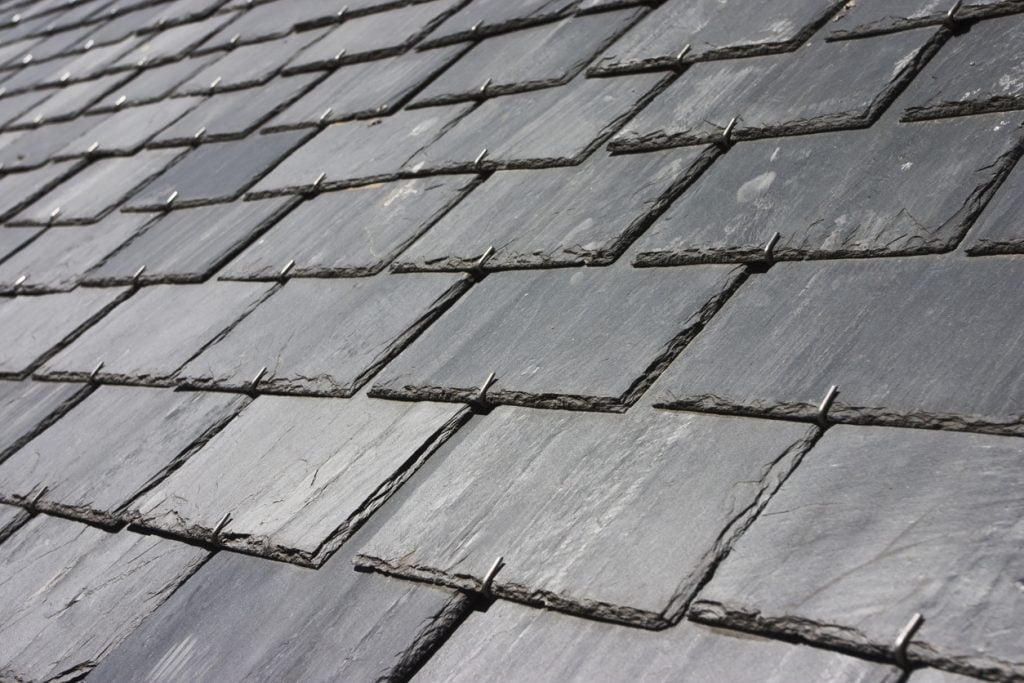
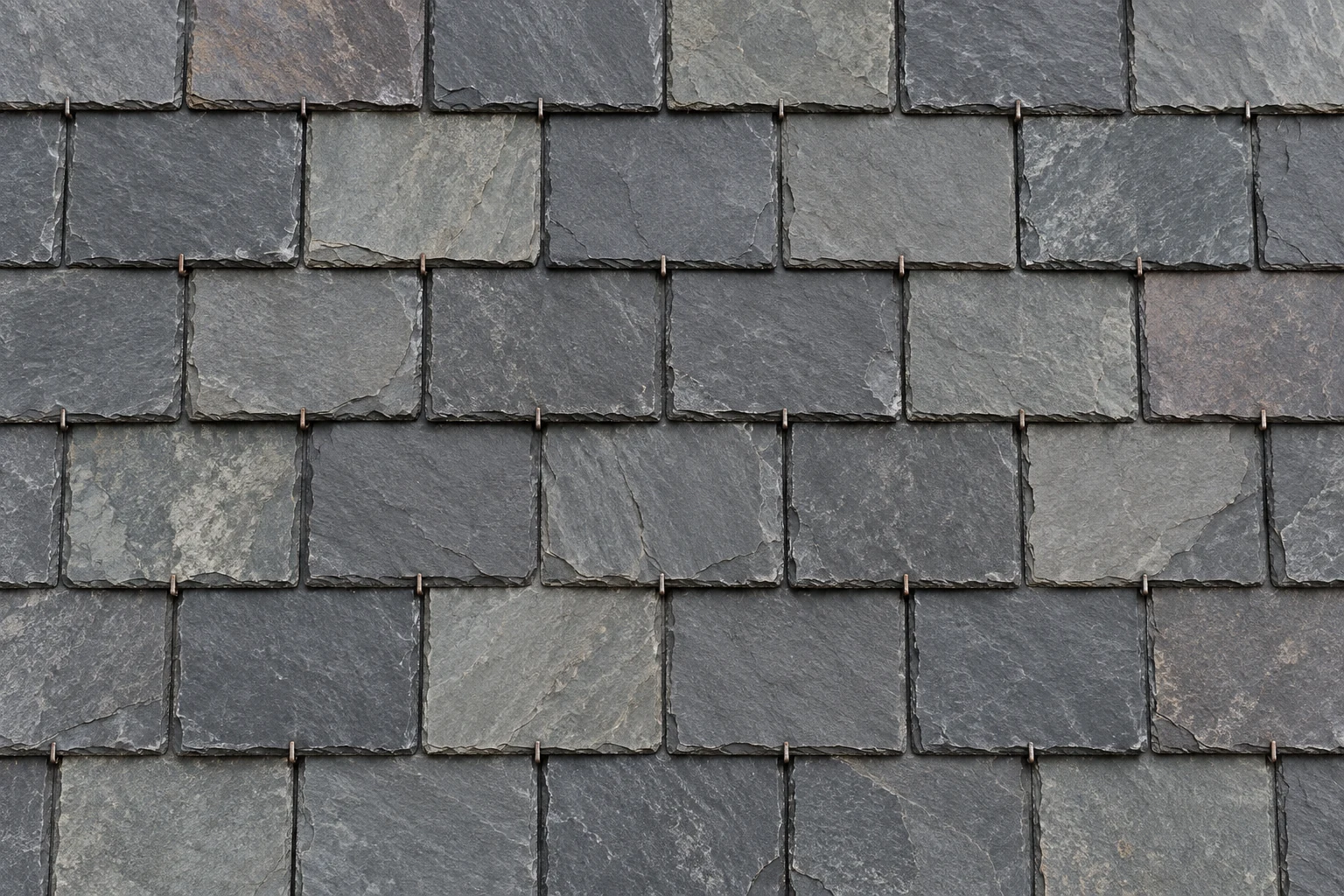
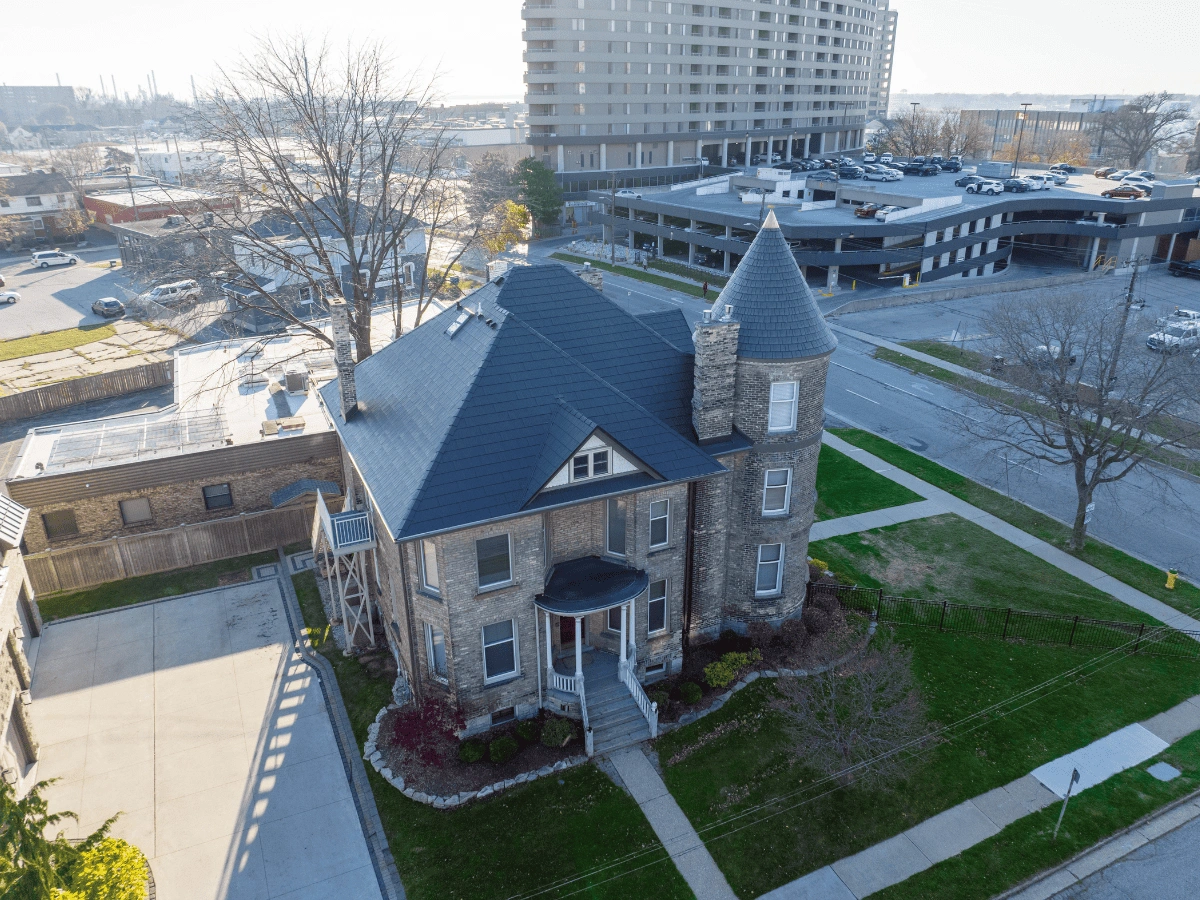
Natural slate remains an excellent choice for homeowners seeking exceptional longevity and timeless architectural character. Natural slate has been used on homes, churches, and historic buildings for centuries because of its exceptional durability, fire resistance, and unmistakable appearance. Few roofing materials match the prestige and lifespan of a properly installed slate roof. These aesthetics, however, come with significant tradeoffs. Slate is one of the heaviest roofing materials available, often requiring additional structural support before installation. Although maintenance is minimal once installed, it is critical to inspect the roof, as loose slate tiles can cause significant damage if they fall. Slate is also among the most expensive residential roofing options and should be installed by contractors with specialized experience. For homeowners willing to make the investment, however, slate remains one of the most durable roofing systems on the market.
| Best For | Luxury, historic, and architecturally significant homes where longevity is a priority. |
|---|---|
| Curb Appeal | ★★★★★ Elegant, timeless appearance that complements both historic and high-end architecture. |
| Longevity | ★★★★★ One of the longest-lasting roofing materials available, often exceeding 75-100 years. |
| Overall Performance | ★★★★☆ Exceptional resistance to fire, moisture, UV exposure, and harsh weather conditions, but weight can cause structural issues, and tiles can cause significant damage if they become loose and fall. |
| Maintenance | ★★★★★ Requires very little routine maintenance when properly installed. Tiles should be periodically checked to ensure they have not become loose. |
| Fire Resistance | ★★★★★ Natural stone is non-combustible and commonly used in Class A roofing assemblies. |
| Upfront Cost | $$$$$ One of the highest initial investments, often requiring structural reinforcement and specialized installation. |
| Expected Lifespan | 75-100+ Years |
Enviroslate: A Good Alternative to Natural Stone?
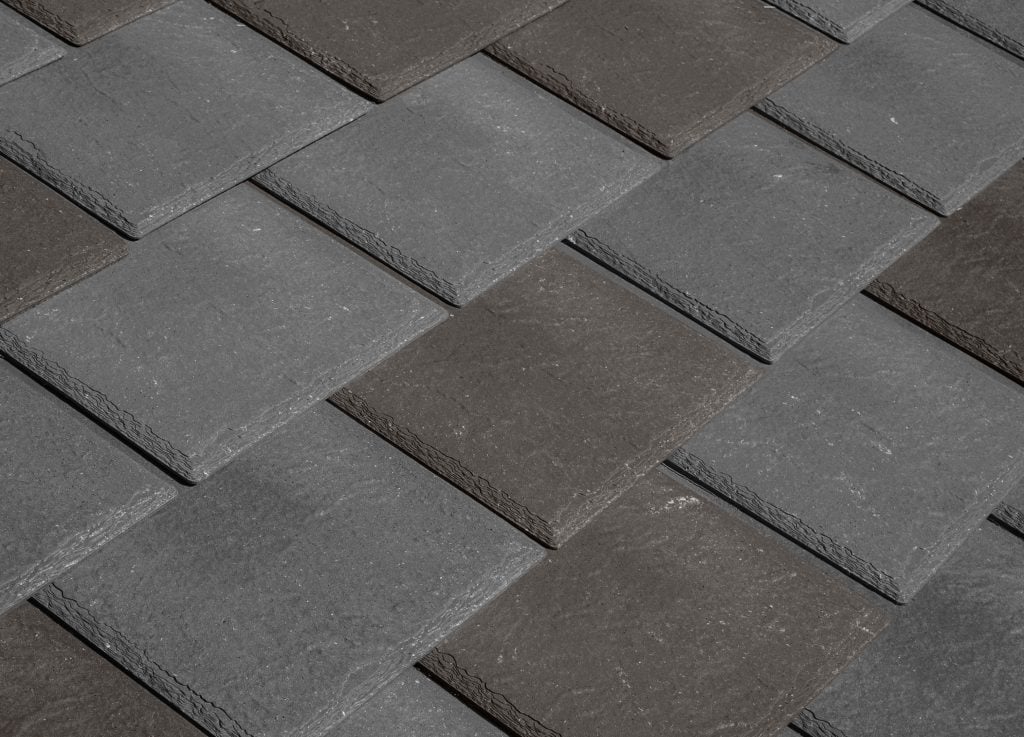
Synthetic slate roofing was developed to capture the elegance of natural slate while eliminating many of its practical limitations. Premium engineered products like Enviroslate replicate the texture, thickness, and character of quarried slate without the excessive weight and structural reinforcement associated with natural stone roofing.
Beyond its authentic appearance, Enviroslate is engineered for modern performance. It is available with a Class A fire rating, Class 4 impact resistance, and has been third-party tested to withstand wind speeds up to 180 MPH. For homeowners seeking the timeless beauty of slate with significantly less weight, Enviroslate offers a compelling long-term alternative.
| Best For | Homeowners seeking the elegance and durability of natural slate without the significant weight. |
|---|---|
| Curb Appeal | ★★★★★ Authentically replicates the texture, thickness, and natural variation of quarried slate. |
| Longevity | ★★★★★ Backed by a 50-year fully transferable warranty for lasting peace of mind. |
| Overall Performance | ★★★★★ Will not rot, crack, split, or warp, while resisting harsh weather and moisture. |
| Maintenance | ★★★★★ Virtually maintenance-free compared to natural slate. |
| Fire Resistance | ★★★★☆ Available with an unconditional Class A fire rating. |
| Upfront Cost | $$$$ Premium investment with lower long-term ownership costs than natural slate. |
| Expected Lifespan | 50+ Years |
Is Cedar Shake Still One of the Best Roofing Materials?
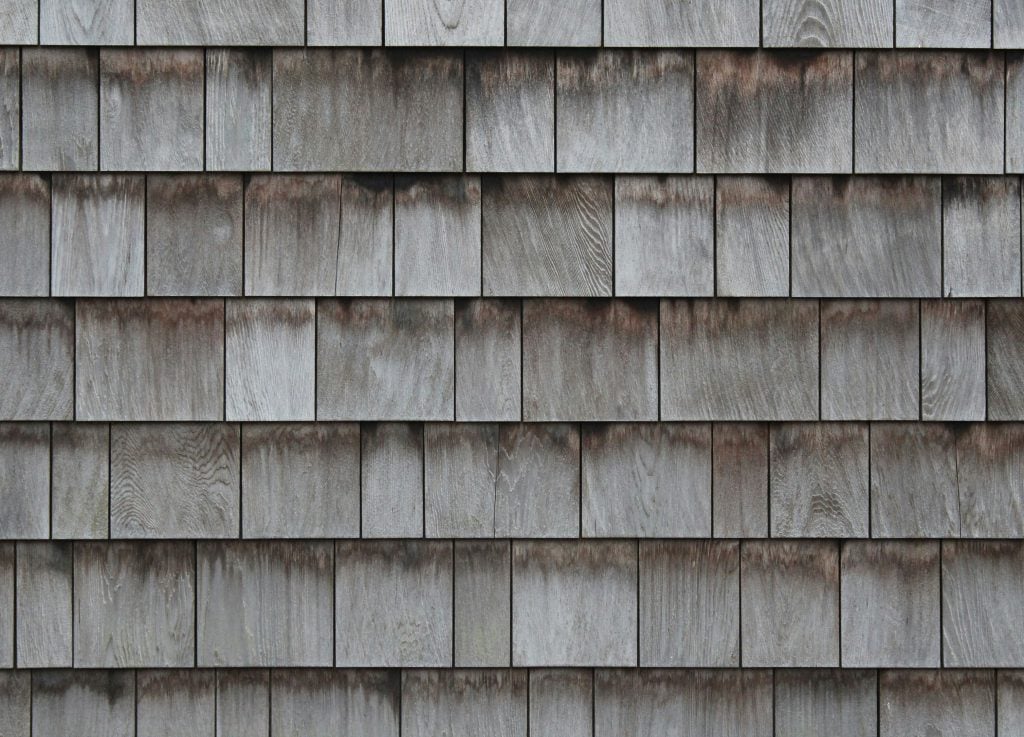
In terms of appearance, yes. Cedar shake has long been regarded as one of the benchmark roofing materials for premium residential architecture. Its rich texture, natural colour variation, and handcrafted appearance create a warmth and character that few other roofing materials can replicate, making it a popular choice for luxury, historic, and cottage-style homes.
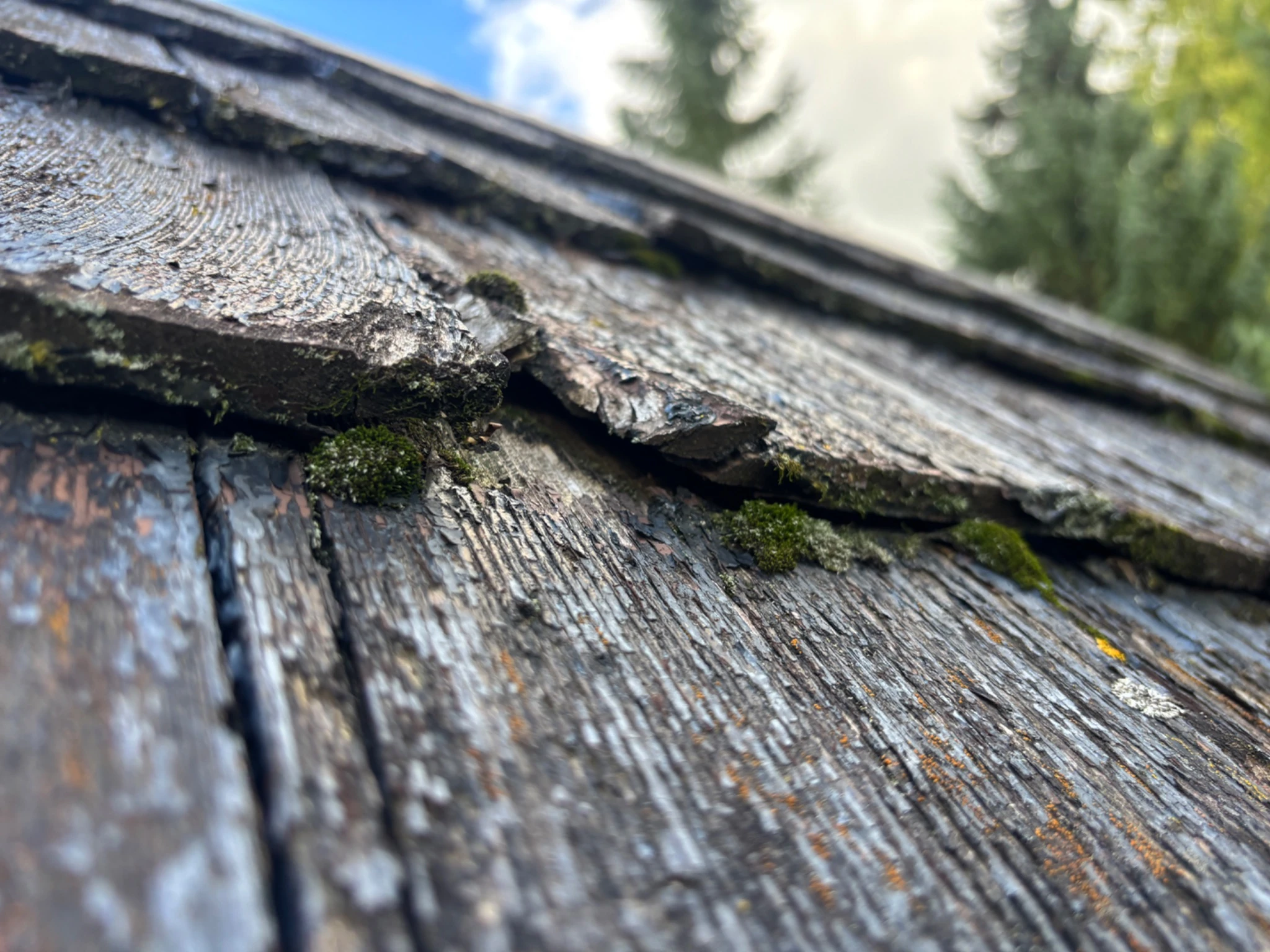
This timeless beauty comes with added maintenance and performance considerations. Modern cedar is available in varying grades and quality levels, and with old-growth cedar no longer widely available, today's roofs generally do not achieve the same service life they once did. While historic cedar roofs often lasted 30 years or more, most modern cedar roofs can be expected to last 10 to 25 years, depending on the grade of cedar, installation quality, maintenance, sun exposure, moisture, and local climate. Homeowners should weigh these factors alongside cedar's timeless curb appeal when evaluating long-term value.
| Best For | Luxury, historic, cottage, and traditional homes seeking authentic natural character. |
|---|---|
| Curb Appeal | ★★★★★ One of the most architecturally distinctive roofing materials, offering unmatched warmth, texture, and natural variation. |
| Longevity | ★★★☆☆ Typically lasts 10-25+ years with proper installation, regular maintenance, and favorable climate conditions. |
| Overall Performance | ★★☆☆☆ Performs well when maintained but is susceptible to moisture, insects, weathering, and natural aging. |
| Maintenance | ★☆☆☆☆ Requires routine inspections, cleaning, and occasional shake replacement to preserve long-term performance. |
| Fire Resistance | ★★☆☆☆ Combustible by nature. Fire-retardant-treated cedar may achieve a Class A fire rating as part of an approved roofing assembly, but this is not a one and done process; cedar must undergo frequent costly treatments to maintain its fire rating. |
| Upfront Cost | $$$$ A premium roofing material with higher material and installation costs than asphalt systems. |
| Expected Lifespan | 10-25+ Years* (30+ years used to be more common when old growth cedar was more widely available.) |
Is Enviroshake a Good Alternative to Natural Cedar?
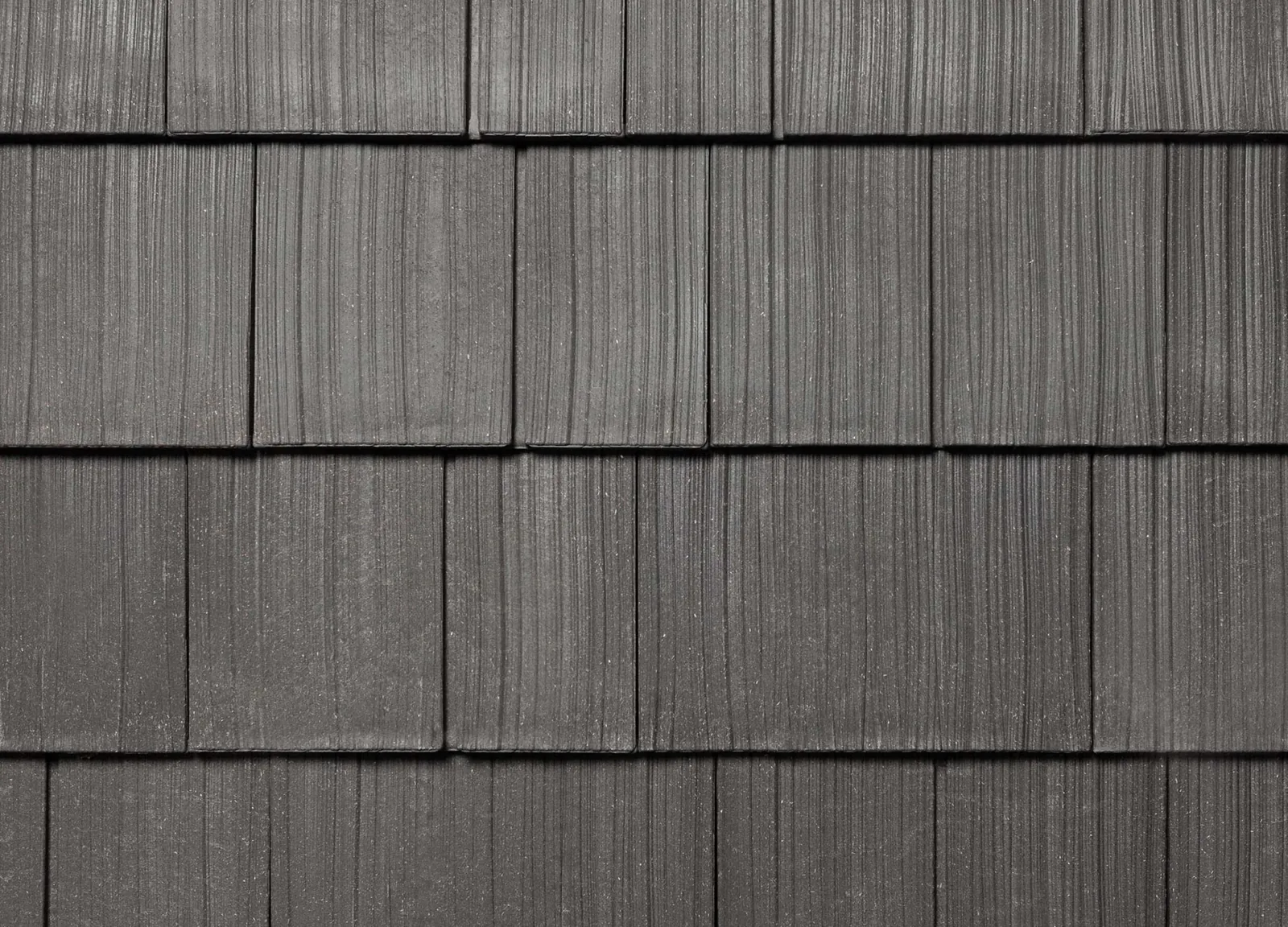
For many homeowners, yes. Synthetics like Enviroshake are designed to preserve everything homeowners love about cedar while eliminating many of the compromises that come with a natural wood roof. Moulded from real cedar shakes, it faithfully recreates the depth, texture, and natural variation of cedar while delivering the durability of an engineered composite roofing system.
Unlike natural cedar, Enviroshake will not rot, crack, split, or warp over time. It is also available with a Class A fire rating, Class 4 impact resistance, and has been third-party tested to withstand winds up to 180 MPH. The result is a roof that captures the timeless character of cedar while requiring virtually none of the ongoing maintenance.
| Best For | Homeowners who want authentic cedar aesthetics without the maintenance or performance tradeoffs. |
|---|---|
| Curb Appeal | ★★★★★ Molded from real cedar shakes to deliver authentic texture, depth, and natural character. |
| Longevity | ★★★★★ Engineered for decades of performance and backed by a 50-year fully transferable warranty. |
| Overall Performance | ★★★★★ Will not rot, crack, split, or warp, while resisting moisture, insects, hail, and severe weather. |
| Maintenance | ★★★★★ Virtually maintenance-free compared to traditional cedar roofing. |
| Fire Resistance | ★★★★★ Available with a Class A fire rating and WUI-compliant roofing assemblies. |
| Upfront Cost | $$$$ Premium investment designed to maximize long-term value and minimize maintenance costs. |
| Expected Lifespan | 50+ Years |
Choosing a Roof You'll Appreciate for Decades
Homeowners have more roofing options than ever before, and each material offers its own balance of curb appeal, durability, maintenance, and long-term value. While asphalt, metal, slate, and cedar all have their place, engineered composite roofing has emerged as a compelling choice for homeowners who don't want to compromise between appearance and performance.
Enviroshake and Enviroslate were developed to preserve the timeless beauty of natural cedar and slate while addressing many of the challenges associated with traditional roofing materials. With authentic profiles, exceptional durability, industry-leading wind, fire, and impact resistance, and virtually maintenance-free ownership, they offer a roofing solution designed to perform as beautifully as it looks.
Ready to explore your options? Request complimentary product samples, or connect with our team to discover if Enviroshake or Enviroslate is the right fit for your home.
Interested in learning more about Enviroshake products?
Contact us today to discuss your project and how we can help you achieve your design goals.