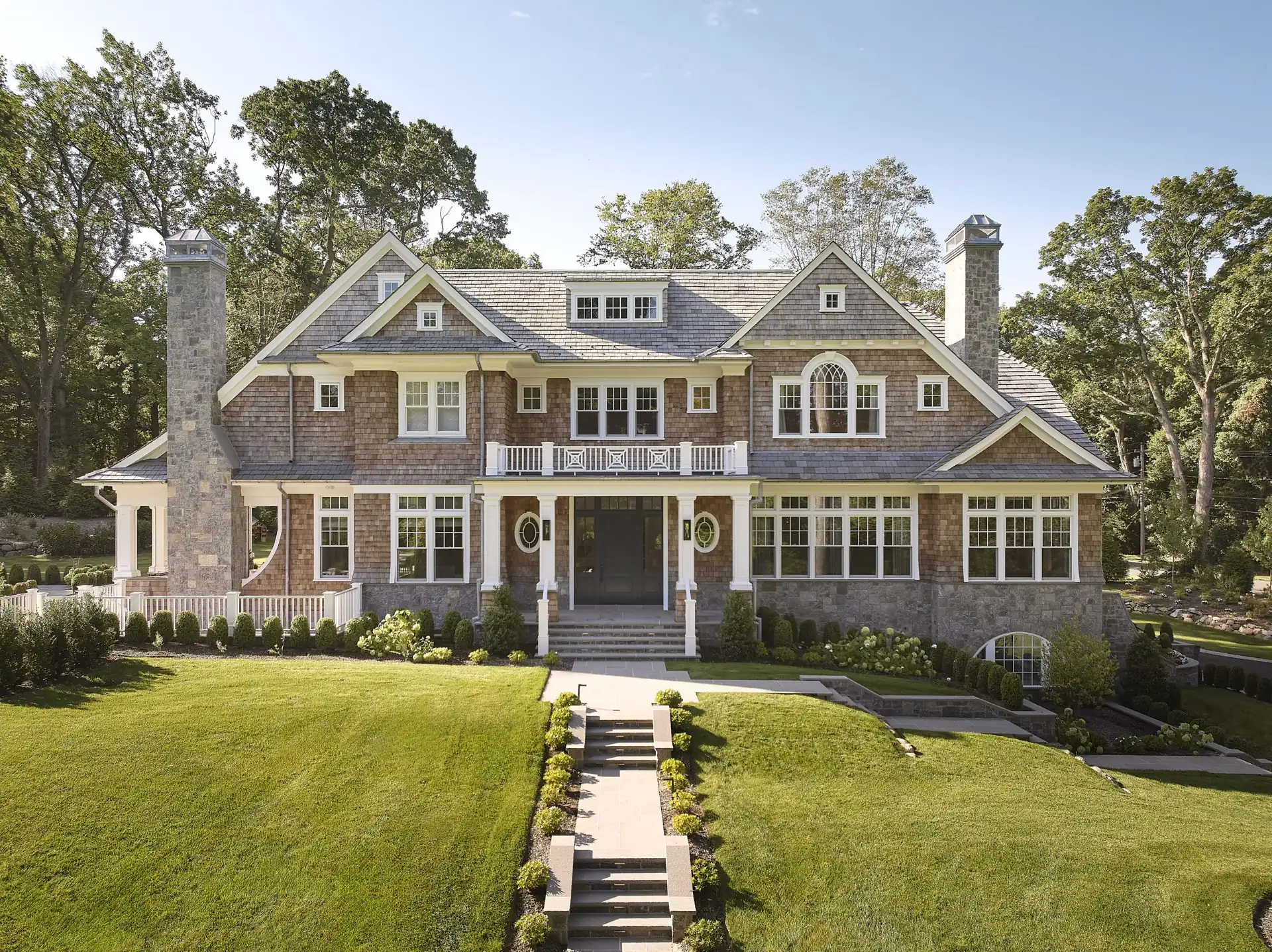
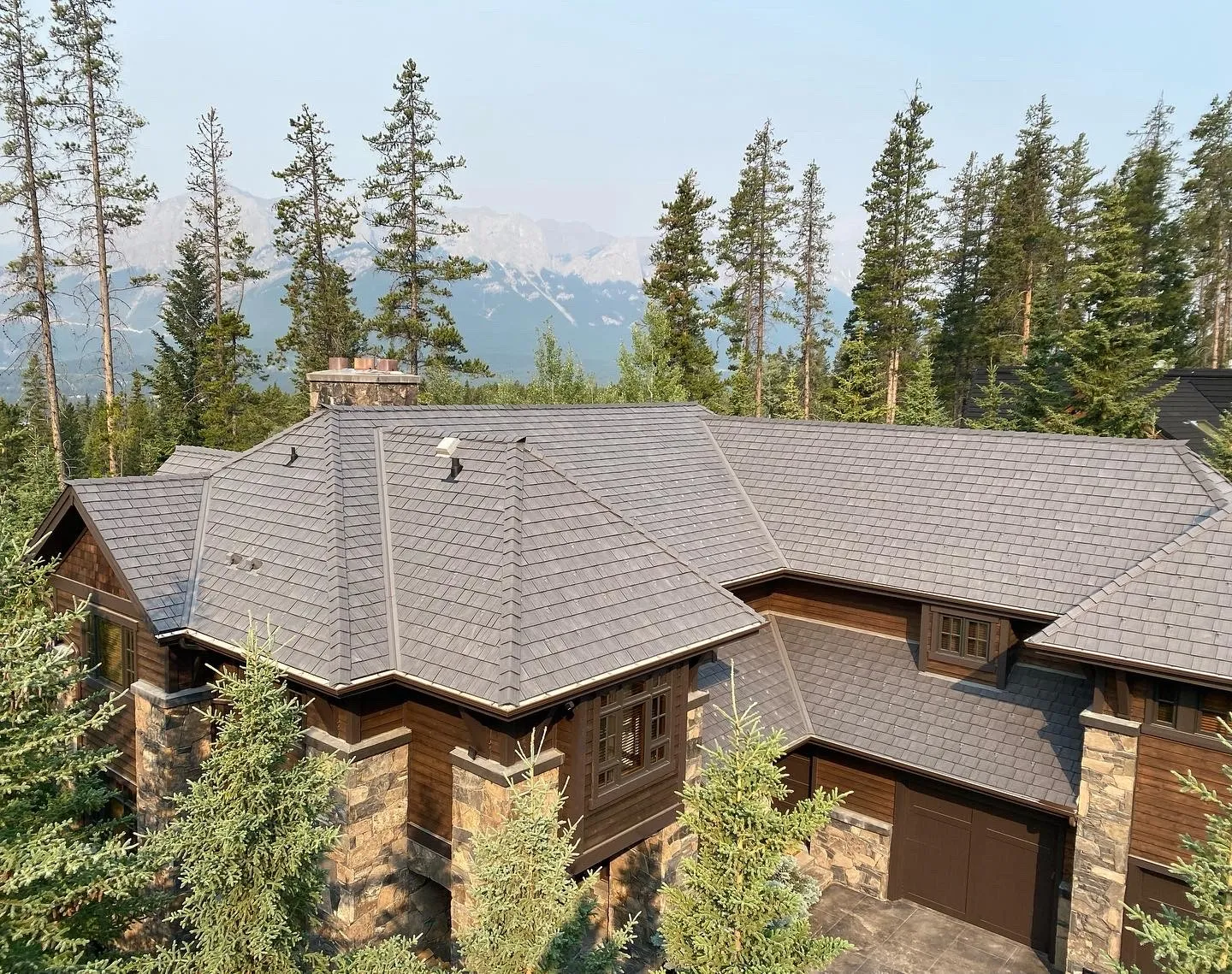
Slate Roofing Installation: What Homeowners Need to Know
Key Takeaways
- Slate installation moves through five core stages: structural inspection, deck preparation, underlayment and flashing, slate placement, and finishing details.
- Natural slate is heavy and brittle, so the roof structure should be assessed before installation and the work handled by a contractor with proven slate experience.
- Installation costs depend on slate type and grade, roof size and complexity, labor, structural work, tear-off and location. Compare the complete project, not just the material.
- Natural slate can crack, flake with freeze-thaw cycles, and require specialized repairs with hard-to-match replacement pieces.
- Enviroslate delivers the look of slate at one-third of the weight, with a Class 4 impact rating, 180 mph wind testing and a fully transferable limited lifetime warranty.
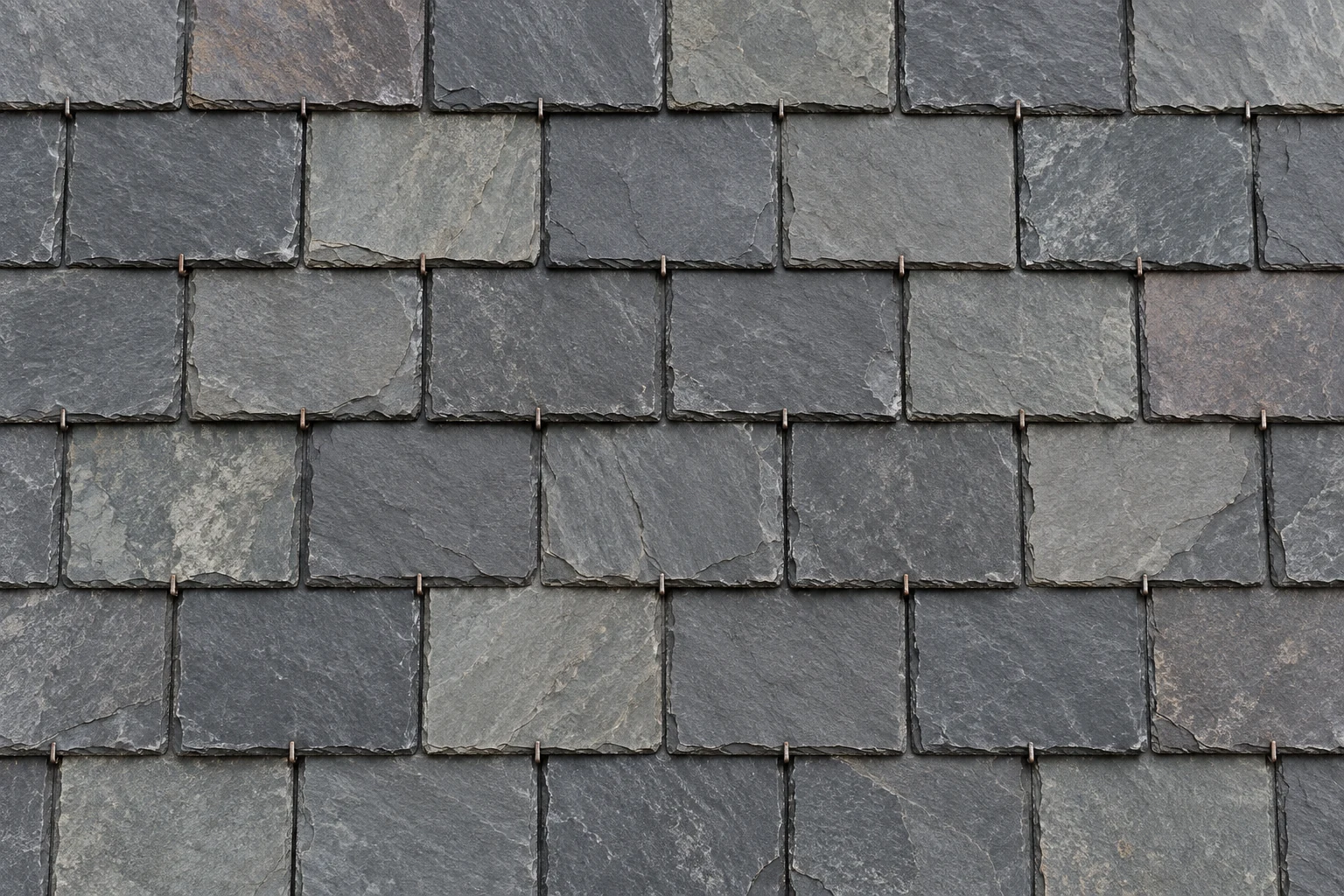
Few roofing materials carry the presence of natural slate. Its layered texture, deep color and reputation for lasting generations have made it a fixture on historic estates, churches and distinguished homes for centuries. But slate is also unlike most roofing materials. It is heavy, it is brittle, and it demands specialized techniques at every stage of installation.
Before committing to a slate roof, it helps to understand what the process involves, what your roof structure may need, why contractor experience matters so much, and what the complete investment looks like.
What Is Involved in Slate Roof Installation?
Most slate projects move through the same core stages: an inspection and planning phase, preparation of the roof structure and deck, installation of underlayment and flashing, careful placement of the slate itself, and finishing details at the ridges, hips and edges.
Each stage builds on the one before it. A shortcut early in the process, such as an unassessed structure or poorly detailed flashing, can undermine an otherwise beautiful roof. Here is what each step involves.
Inspecting the Roof Structure
Natural slate is significantly heavier than asphalt shingles and most other common roofing materials. Before any slate is ordered, the existing roof framing should be evaluated to confirm it can carry that load over the long term. Depending on what the assessment finds, rafters may need reinforcement or other structural modifications may be recommended before installation can begin.
Preparing the Roof Deck
Once the structure is confirmed, attention turns to the roof deck. Slate needs a solid, flat and sound surface to be fastened to. Any rotted, warped or damaged sheathing is repaired or replaced, and the deck is checked to make sure it can hold fasteners securely. A well-prepared deck is the foundation for a roof that stays tight and true for decades.
Installing Underlayment and Flashing
Underlayment provides a secondary layer of protection beneath the slate, while flashing directs water away from the most vulnerable parts of the roof. Flashing is especially important at valleys, chimneys, skylights, vent penetrations and wherever the roof meets a wall. Because a slate roof is built to last so long, many installers choose durable metals such as copper for flashing so it does not fail before the slate does.
Installing the Slate Tiles
Slate pieces are laid in overlapping courses, with each piece positioned to shed water over the joints below. The installer accounts for slate size and thickness, layout, exposure, headlap and alignment, and secures each piece with appropriate corrosion-resistant fasteners. Slate is cut and holed by hand, and pieces must be fastened firmly without being over-driven, which can crack the stone. This is precision work best left to experienced professionals.
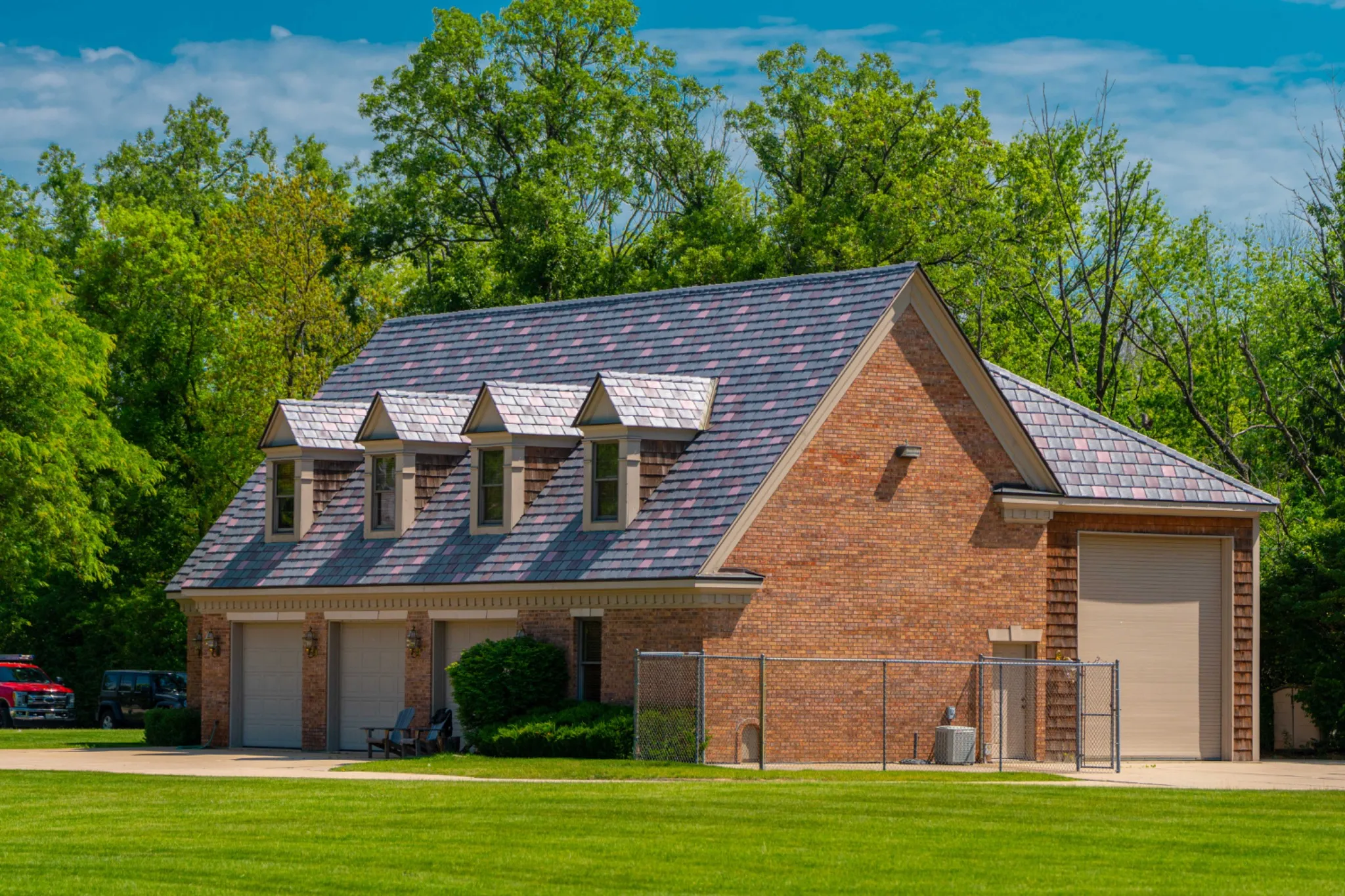
The Long-Term Realities of Natural Slate
Slate is prized for its longevity, but the material is not without its drawbacks. Homeowners weighing a natural slate roof should understand what ownership involves after the installation crew leaves, particularly the cost and difficulty of keeping a heavy, brittle stone roof in good repair.
Maintenance and Repair Challenges
Individual slates can crack or break from falling branches, hail, or foot traffic during other roof work. Replacing them is a specialized repair: broken pieces must be removed without disturbing their neighbors, and matching replacements can be hard to source, especially for older or regionally quarried slate. Flashing and fasteners may also wear out long before the slate itself, and repairs often require a slate specialist rather than a general roofer.
Long-Term Performance Considerations
Not all slate performs the same. Quality varies by quarry and grade, and softer slates can delaminate or flake over time, especially in climates with repeated freeze-thaw cycles. Moisture, severe weather and impact all take their toll, and the roof's weight remains a permanent load on the structure. Choosing the right grade, and the right installer, is essential to getting the lifespan slate is known for.
Why Slate Roof Installation Requires an Experienced Contractor
Slate behaves nothing like asphalt shingles. It has to be selected, sorted, handled, cut, holed and fastened with care, and mistakes in layout or flashing can be costly to correct once the roof is on. Roof pitch and ventilation also need to be accounted for. General roofing experience is not enough: look for a contractor with a proven track record in natural slate specifically. Before you sign, confirm that your contractor:
- Has hands-on experience installing natural slate
- Can share references or completed slate projects you can view
- Understands local building codes and permit requirements
- Carries appropriate insurance and licensing
- Is familiar with different slate types, grades and sources
- Will provide a detailed, written estimate
Slate Roofing Installation Requirements
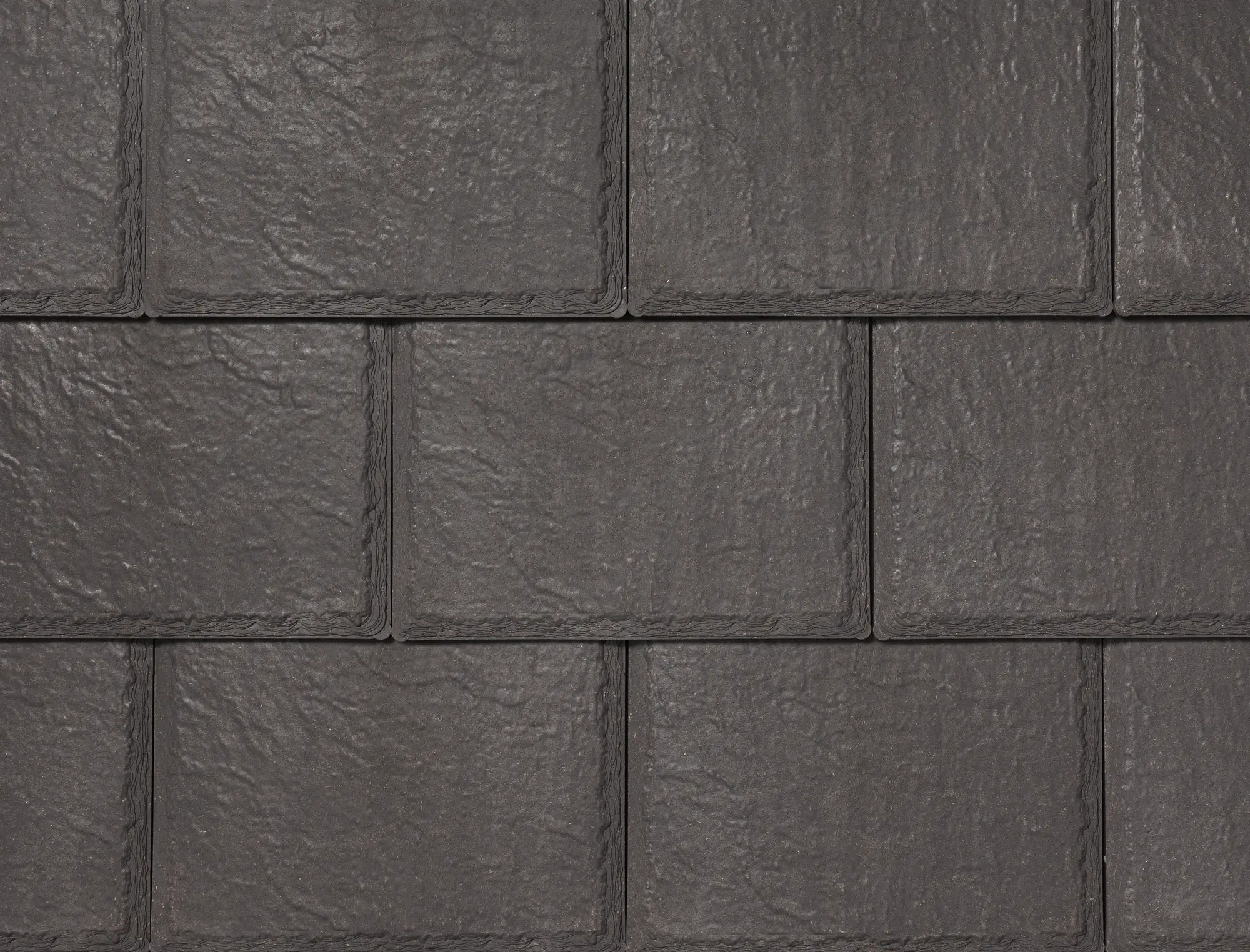
Before choosing slate, homeowners should understand what the roof itself needs to support it. Key requirements include adequate structural capacity, a suitable roof pitch, a sound roof deck, quality underlayment, durable flashing, proper ventilation, corrosion-resistant fasteners, and compliance with local building requirements. Each one affects both the installation and how long the finished roof performs.
Does a Slate Roof Need Extra Structural Support?
Not always, but it should never be assumed. Because natural slate is heavier than many common roofing materials, the existing structure should be assessed by a qualified professional before installation. Whether reinforcement is needed depends on the home's current framing and the specific slate system, including the thickness and size of the slate chosen.
What Roof Pitch Is Best for Slate?
Slate sheds water by overlapping, so it generally performs best on moderate to steep roof slopes where water drains quickly. The specific minimum pitch depends on the slate product and installation system, and lower slopes may call for greater headlap or additional underlayment. Always follow the manufacturer's requirements and the guidance of a professional installer.
How Much Does Slate Roof Installation Cost?
Slate roof installation typically ranges from $30,000-$70,000, making it one of the most significant roofing investments a homeowner can make. The total depends on the type and quality of slate, labor, roof size and complexity, any structural modifications, removal of the existing roof, flashing, underlayment and your geographic location. When comparing quotes, look at the complete installation rather than the price of the slate alone.
Slate Roofing Material Costs
Natural slate varies in type, quality, thickness, size, color and source, and each influences price. Different grades and varieties come at different price points and availability, and imported or rare colors can carry a premium. Material is only one part of the overall investment, though. A lower-priced slate that is poorly suited to your climate or roof can cost more over time.
Slate Roof Labor and Installation Costs
Slate requires specialized labor, and qualified slate installers are fewer and in higher demand than general roofers. Every piece must be handled, cut, positioned and fastened with care, which takes more time than installing conventional shingles. Roofs with many valleys, dormers, chimneys or steep sections add further complexity, and with it, labor costs.
Enviroslate vs. Natural Slate
Here is how Enviroslate compares with natural slate on the factors that matter most before, during and after installation.
| Quality | Enviroslate | Natural Slate |
|---|---|---|
| Aesthetics | Captures the texture and character of natural slate, in Stone Grey, Charcoal Grey, Onyx Black, Plum Purple and Sage Green, with custom colors available. | Natural quarried stone, with color and quality that vary by quarry and grade. |
| Weight | One-third of the weight of natural slate, placing far less demand on the home's structure. | Significantly heavier than most roofing materials; the structure must be assessed and may need reinforcement. |
| Brittleness | Class 4 UL 2218 impact rating, and can be walked on during installation without breaking. | Brittle stone that can crack or break from hail, falling branches or foot traffic. |
| Installation | Engineered as a complete roofing system, installed by Factory Trained Contractors with less waste than natural materials. | Each piece is cut, holed and fastened by hand, requiring a specialized slate contractor. |
| Weather performance | Not damaged by freeze-thaw cycles, third-party tested to 180 mph wind speeds, with Class A fire-rated products available. | Softer slates can delaminate or flake over time, especially with repeated freeze-thaw cycles. |
| Repairs and maintenance | Lower maintenance, with best-in-class UV inhibitor technology to help maintain color over time. | Broken pieces require specialized repair, and matching replacements can be hard to source. |
| Warranty | Fully transferable limited lifetime warranty. | Coverage varies by quarry, supplier and installer. |
| Sustainability | Made with approximately 95% post-industrial recycled materials. | Quarried from natural stone deposits. |
Why Homeowners Choose Enviroshake as Their Slate Roofing Alternative
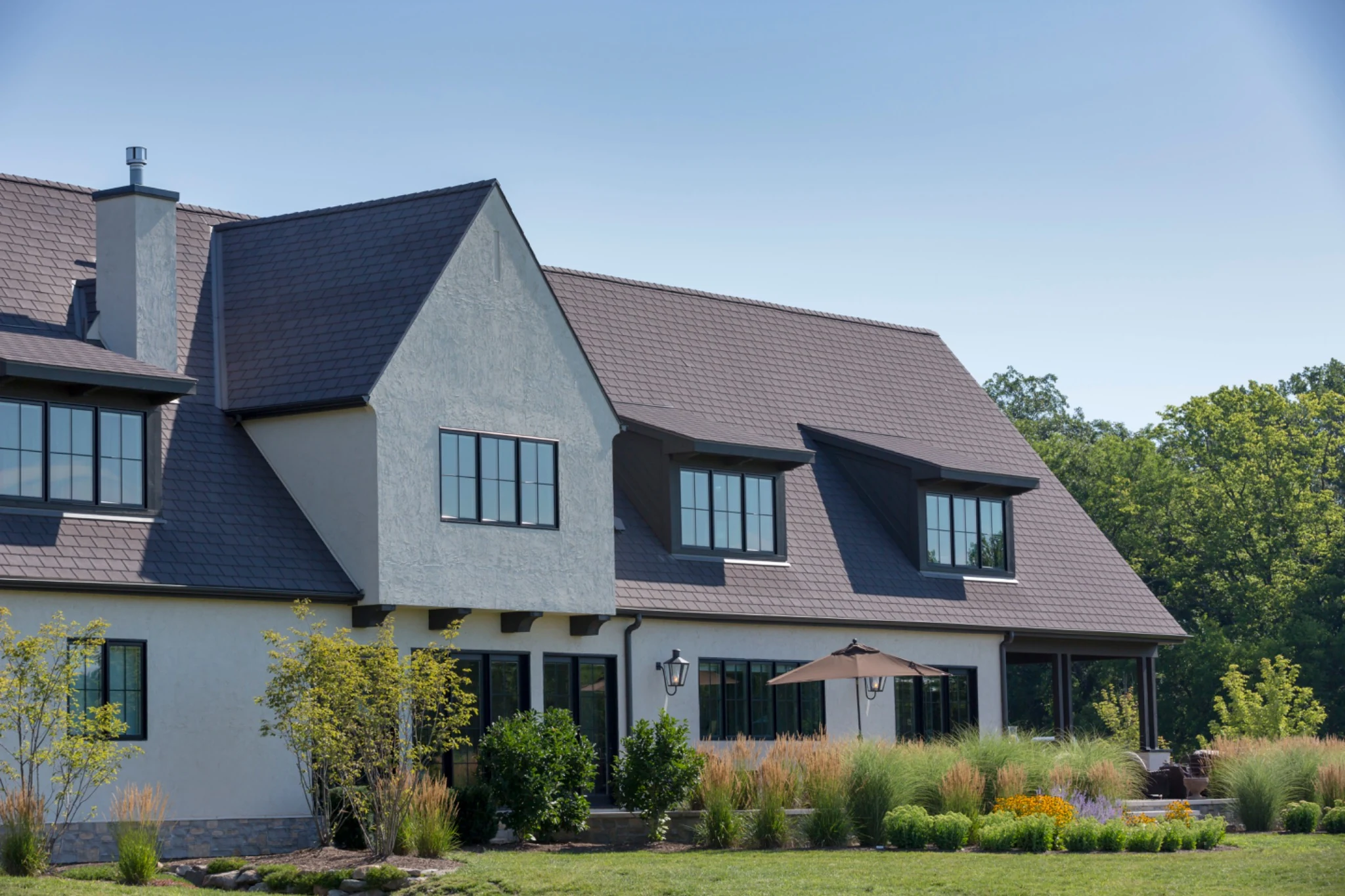
For many homeowners, the appeal of slate is its look: the clean lines, the stone texture and the stately presence it gives a home. What gives them pause is everything else, from the weight and structural demands to the specialized installation, repair challenges and overall investment. Enviroslate offers another approach. It is an engineered composite roofing system designed to replicate the authentic appearance of natural slate while delivering a lighter-weight, durable and lower-maintenance roof.
Authentic Slate Appearance Without the Weight
Enviroslate captures the texture and character of natural slate at one-third of the weight. That difference matters. A lighter roof places less demand on the home's structure, which can reduce or remove the need for the reinforcement that natural slate often calls for. It makes the look of slate a realistic option for more homes, including those that were never framed to carry stone.
Engineered for Easier Installation
Unlike natural stone, Enviroslate is impact resistant and can withstand being walked on during installation, so pieces are far less likely to break on the roof or in handling. It also installs with less waste than natural materials. Enviroslate is engineered as a complete roofing system and should be installed according to the manufacturer's requirements by a Factory Trained Contractor.
Durable Performance With Less Maintenance
Enviroslate is built to stand up to the conditions that wear down natural roofing materials. It carries a Class 4 UL 2218 impact rating, is wind tested to 180 mph, and is not damaged by freeze-thaw cycles. Best-in-class UV inhibitor technology helps maintain color over time, and Class A fire-rated products are available. It is backed by a fully transferable limited lifetime warranty.
A More Sustainable Slate Roofing Alternative
Enviroslate is made with approximately 95% post-industrial recycled materials and is designed as a long-lasting alternative to natural roofing materials. For homeowners weighing sustainability alongside appearance and performance, it offers a way to achieve the look of slate without quarrying new stone.
Frequently Asked Questions
What is the first step in installing a new roof?
The first step is a professional inspection of the existing roof and its structure. For slate, that includes confirming the framing can support the weight of the material and checking the condition of the deck before any work begins.
How hard is it to install a slate roof?
Natural slate is one of the more demanding materials to install. It is heavy and brittle, and each piece must be cut, holed, positioned and fastened by hand. It is not a DIY project and is best handled by an experienced slate contractor.
How much does it cost to install a new slate roof?
Costs vary widely based on slate type and grade, roof size and complexity, labor, structural work, tear-off and location. Request detailed written estimates from experienced slate installers to compare the complete project, not just the material.
Can any roofer install a slate roof?
No. Slate requires specialized knowledge and skills that many general roofers do not have. Choose a contractor with proven natural slate experience, references and completed projects you can review.
Considering a Slate-Look Roof?
If you love the timeless look of natural slate but want a lighter, lower-maintenance option, Enviroslate may be the right fit. It delivers the character of slate with the durability of an engineered composite and the confidence of a fully transferable limited lifetime warranty. See the colors in person and feel the texture for yourself.
Interested in learning more about Enviroshake products?
Contact us today to discuss your project and how we can help you achieve your design goals.
.webp)