Choosing the Right Roof Tile: A Full Breakdown
Key Takeaways
- A cohesive understanding of roof tile types helps homeowners balance appearance, performance, and price.
- Composite tiles, including Enviroshake and Enviroslate, replicate the look of natural cedar and slate while offering greater durability and far less maintenance.
- The right roof tile depends on a home's architectural style, climate, and structural capacity, not a single universal "best" option.
- Enviroshake products carry a Class A fire rating, are third-party tested to 180 mph, and are Class 4 impact rated, all backed by a Gold Level Warranty.
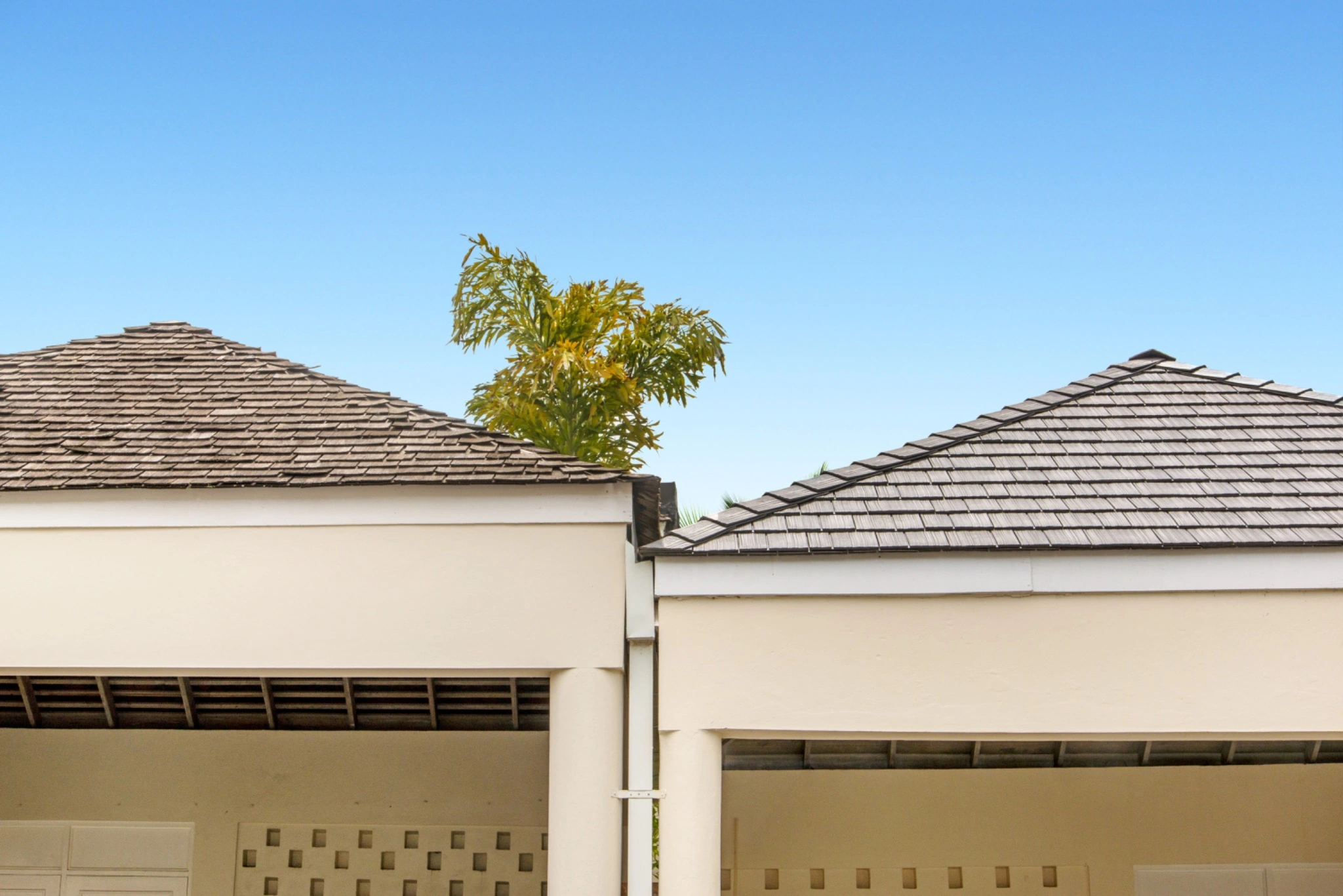
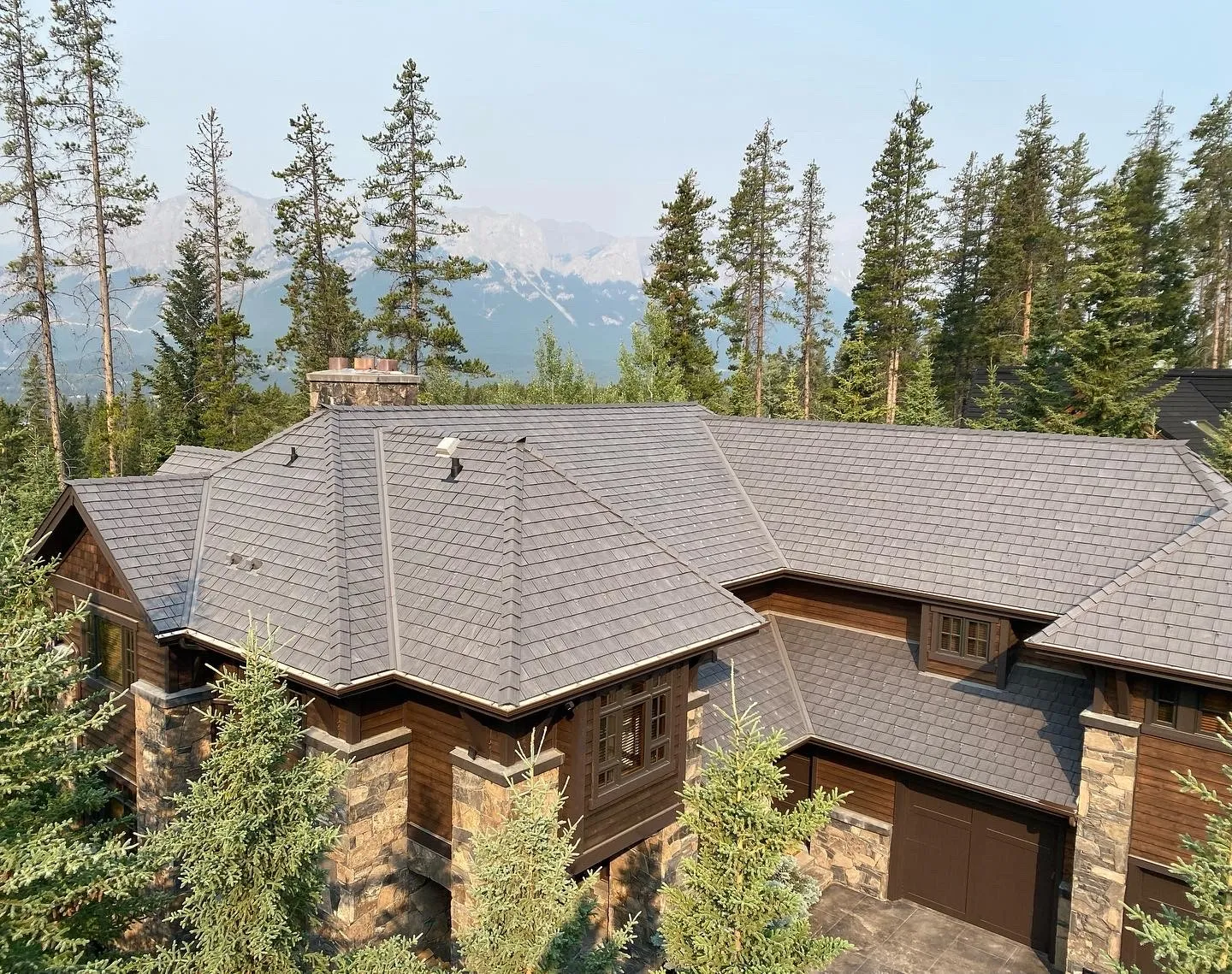
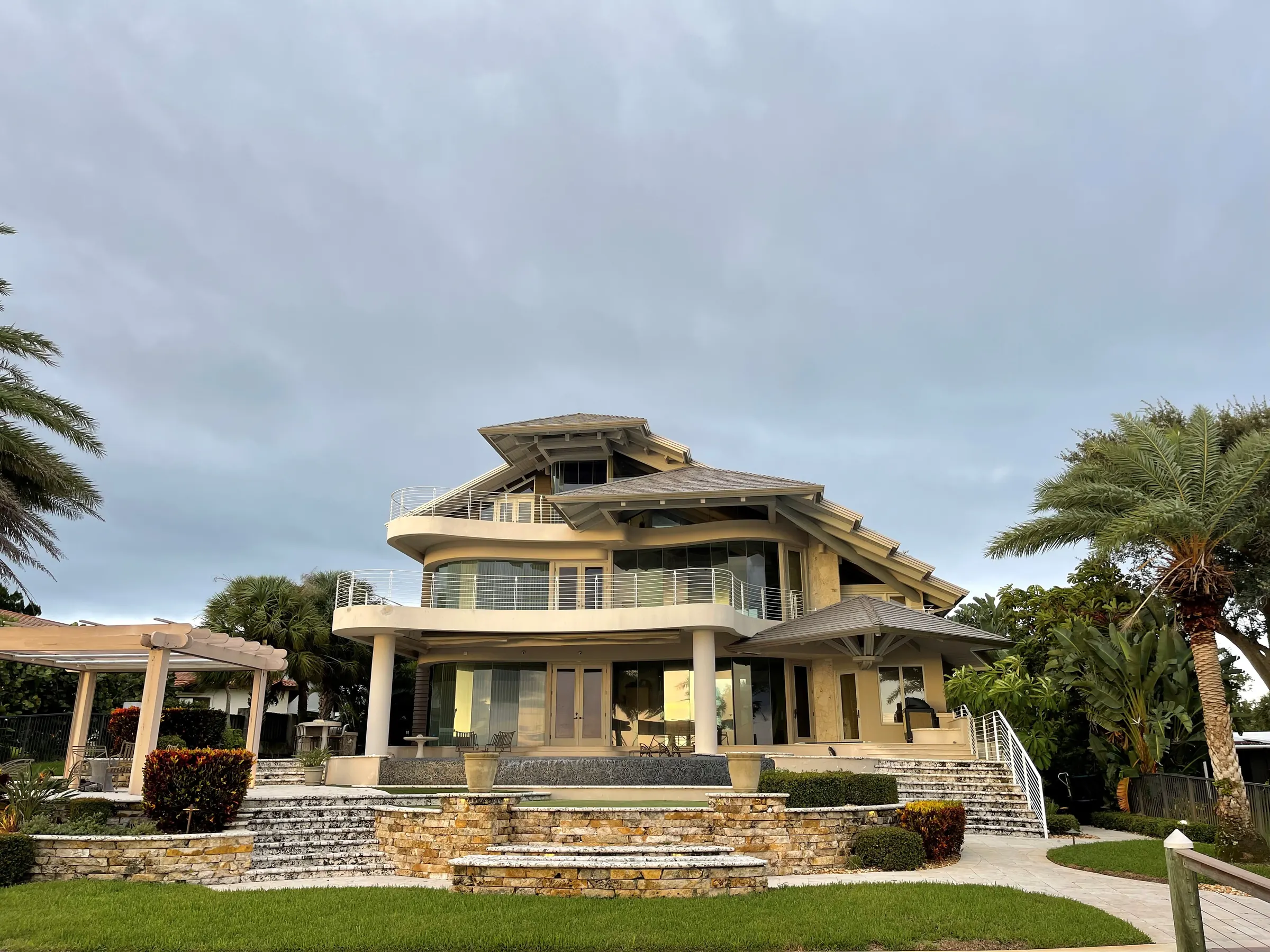
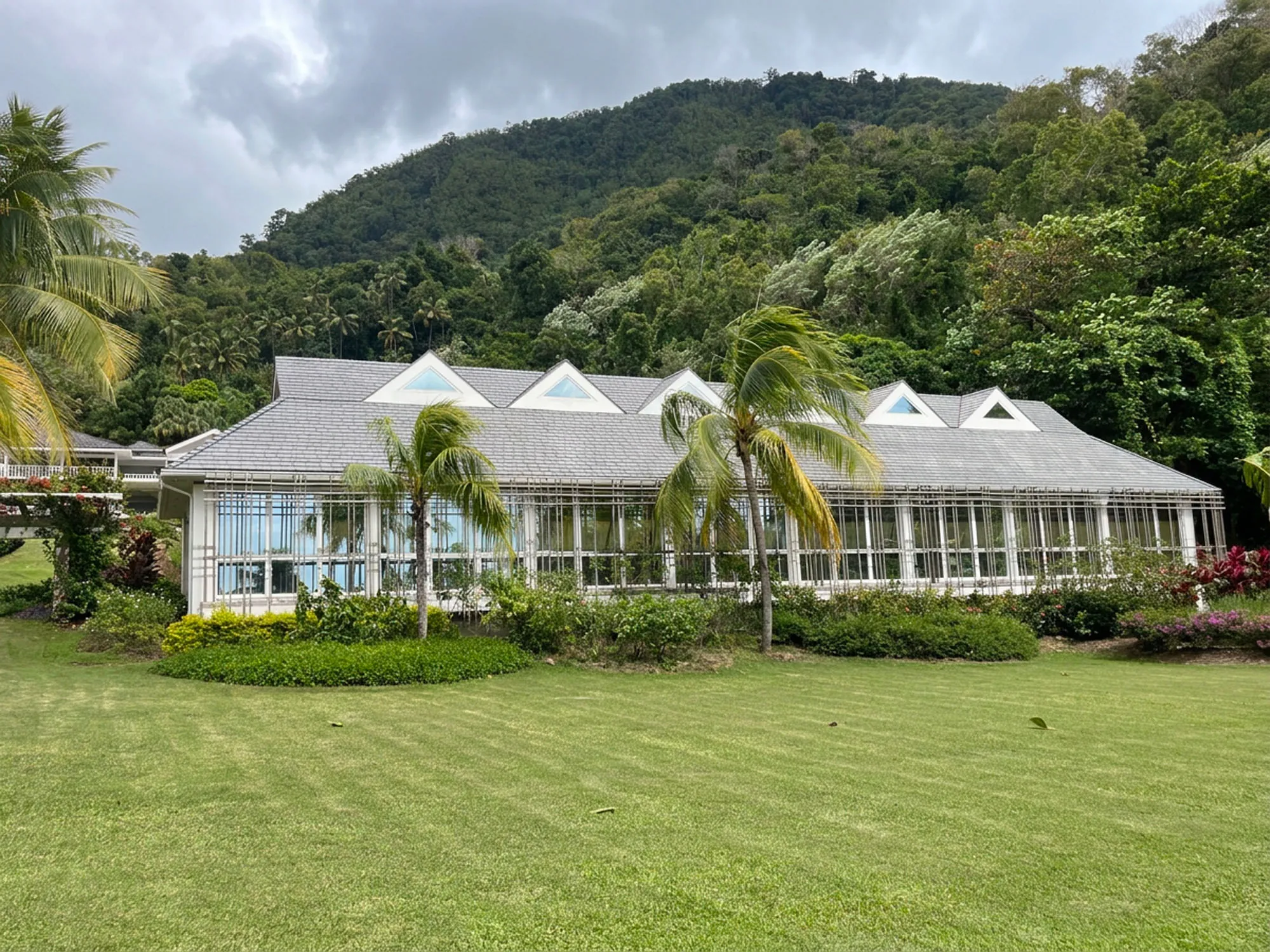
Roof tiles are the individual materials installed over a roof structure to protect a home from the elements. They also shape a home's architectural character in a meaningful way. As the largest continuous surface of a house, the roof plays a defining role in its overall look, and striking the right balance between appearance, function, and price is essential when weighing roof tile options.
There are many different types of roof tiles ranging from traditional materials like slate, clay, cedar, and asphalt to modern alternatives such as composite, concrete, metal, and solar tiles. Understanding the differences between these various options is the first step towards choosing a tile that is best suited towards your home's needs.
What Are the Different Types of Roof Tiles?
There are several roof tile types available to homeowners, ranging from time-tested natural options to modern engineered alternatives, each offering its own balance of look, performance, and value. There is no single best roof tile for every home; it comes down to a variety of factors that change depending on the homeowner's priorities.
The following is a breakdown of the leading options, along with their pros and cons.
Slate Roof Tiles
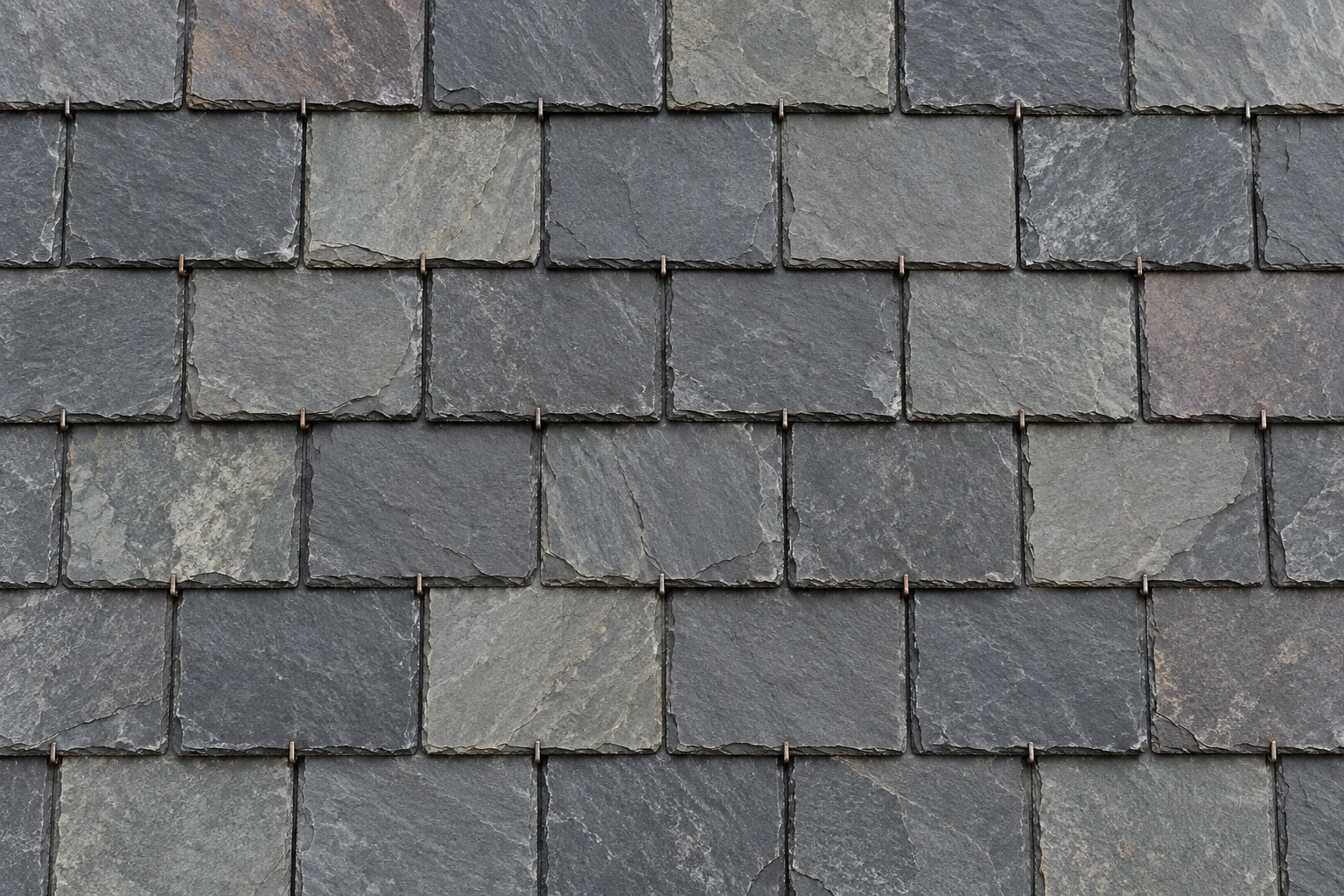
Slate roofing is prized for its natural stone texture, subtle colour variation and its timeless, upscale appearance. Few other materials can replicate its unique look, which is quarried directly from stone. This means that it has exceptional longevity, often lasting a century or more, with natural fire resistance and strong durability against wind, hail and severe weather.
The benefits come with tradeoffs, though: slate is very heavy, which makes it require structural support and a labor-intensive installation. Slate tiles are also brittle, and costly to repair if cracked or improperly walked on. Since it demands minimal maintenance it appeals most to homeowners restoring heritage properties or building high-end, architecturally significant homes where authenticity and durability outweigh upfront cost.
Clay Roof Tiles
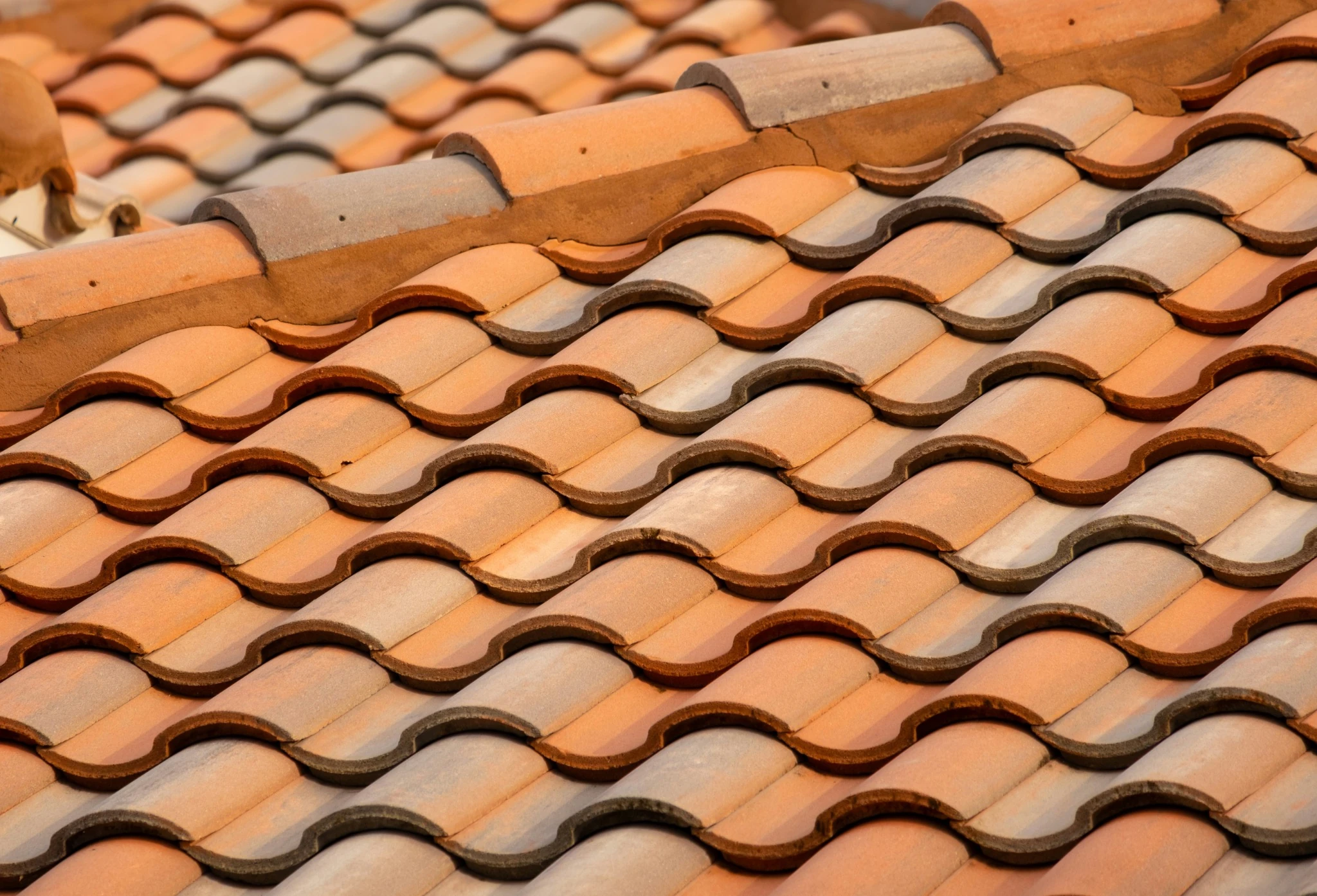
Clay roof tiles are formed from natural clay, shaped, and kiln-fired at high temperatures, a manufacturing process that has kept them a popular choice for centuries. The result is a distinctly traditional, earthy appearance prized in Mediterranean architecture. Clay is naturally fire resistant, weathers well in hot, sunny climates, and its curved profile can improve attic ventilation and energy efficiency.
Similar to slate, clay tiles are heavy, requiring reinforced roof framing, and can crack under impact or freeze easily. Fortunately with proper installation, clay requires little upkeep, making it best suited to warm-climate homes prioritizing classic architecture.
Asphalt Shingles
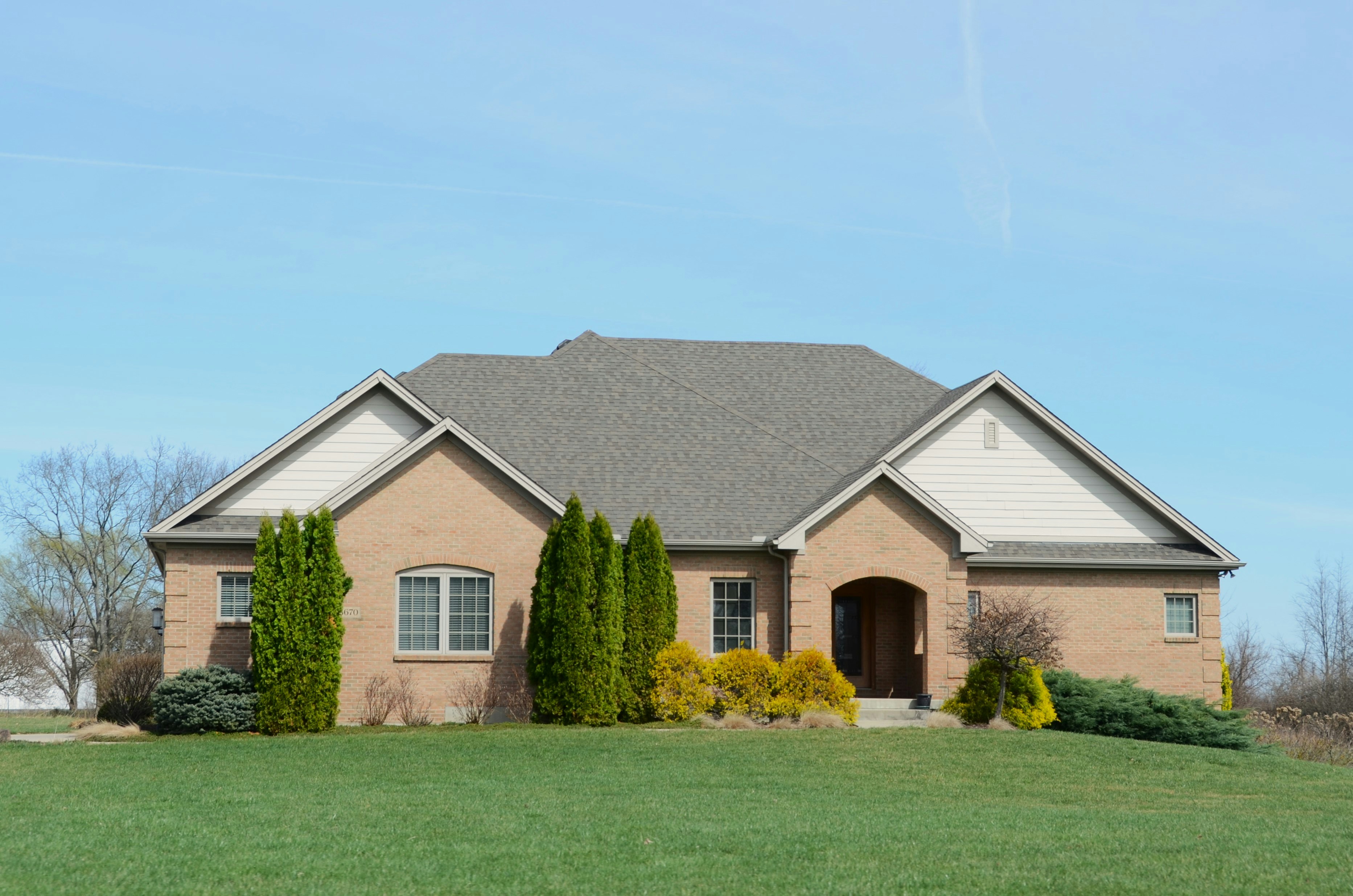
Asphalt shingles remain the most widely used roofing material in North America, largely due to their affordability and ease of installation. They come in two main styles: traditional 3-tab shingles, which have a flat, uniform profile and are the most budget-friendly option, and architectural (or dimensional) shingles, which use layered construction to add more depth and a slightly more textured appearance.
The tradeoff for that affordability is performance. Asphalt shingles typically last 15 to 30 years depending on the product tier and climate, considerably shorter than most other materials on this list. Three-tab shingles in particular can look noticeably flatter and less dimensional than cedar, slate, or composite alternatives, and asphalt as a material is more prone to algae staining, curling, and wind or hail damage over time. Homeowners drawn to asphalt for its low upfront cost should weigh that against more frequent replacement cycles down the line.
Cedar Shake Tiles
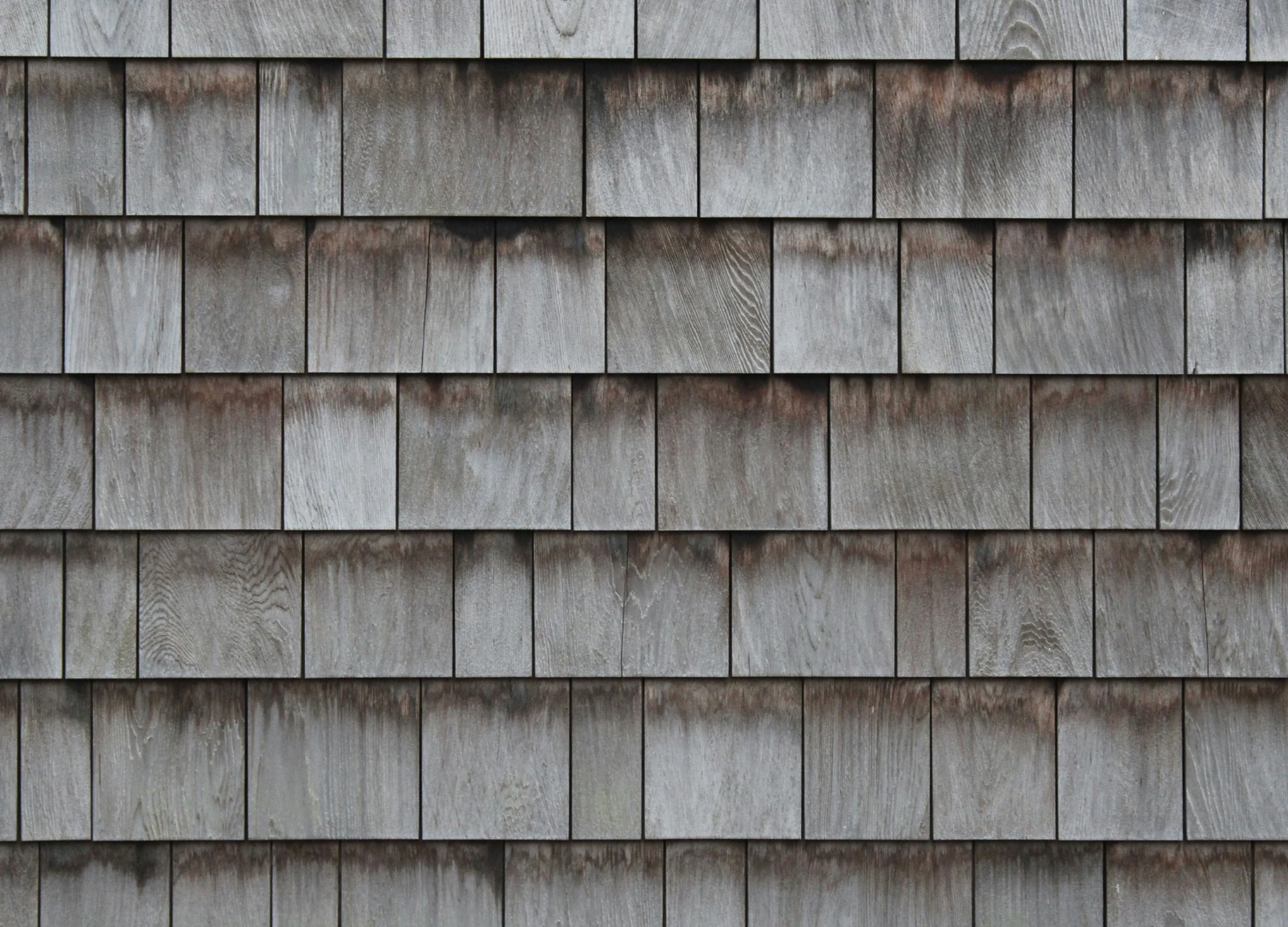
Cedar shake roofing is a strong choice for homeowners who value naturalistic appearance and grounded, rustic texture. Homes with cedar roofing tend to have a timeless quality, as if they exist right out of the natural world. Beyond mere appearance, cedar offers natural insulating properties that can help regulate temperatures, helping keep homes cooler in the summer and hotter in the winter.
Cedar's downside is that, unlike many other types of tiles, it is ultimately a living, organic material. That means it requires ongoing maintenance to prevent moisture damage or insect infestation. Cedar is also more vulnerable to fire than many other roofing materials, and even well-maintained cedar shakes typically only last 20 to 30 years.
For homeowners drawn to cedar's rustic aesthetic but wary of its upkeep and shorter lifespan, there are engineered alternatives worth considering that replicate the same natural look.
Composite Roof Tiles
If you love the aesthetic appeal of traditional roofing but want to avoid some of the downsides, composite roof tiles are engineered from advanced polymer blends designed to replicate the authentic look of natural materials like cedar shake or slate, without the many drawbacks of sourcing directly from nature.
Composite tiles are typically far more resistant to moisture, insects, and weathering than cedar, and significantly lighter than natural slate, easing installation demands. Since composite roofing rarely needs chemical treatment, sealing, or tile replacement, long-term maintenance is minimal. Many composite products also incorporate recycled or sustainable materials, contributing to more sustainable building practices.
Concrete Roof Tiles
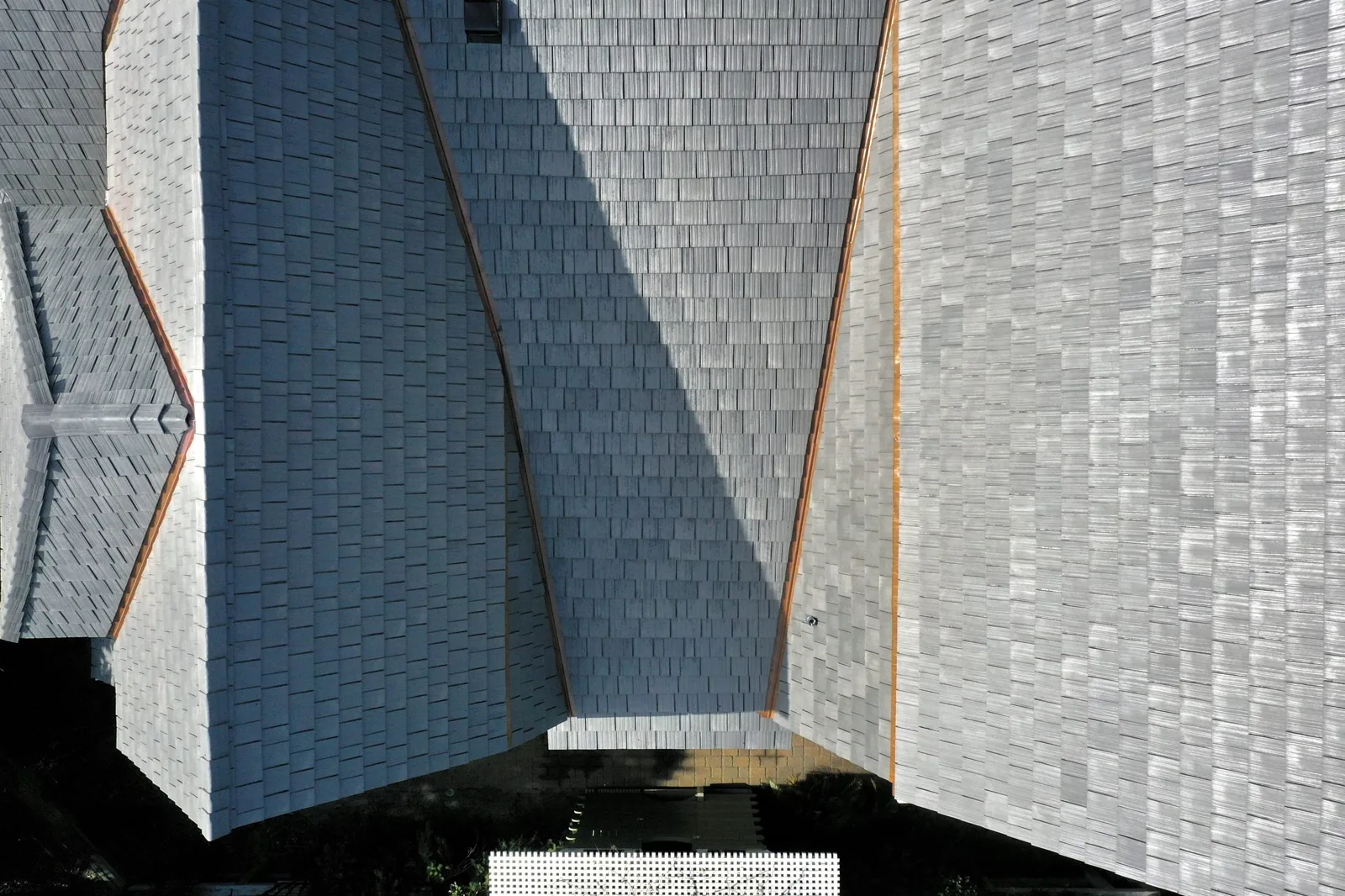
Concrete roof tiles are formed by molding a mixture of sand, cement, and water, then curing it to create a durable tile available in profiles that mimic several other types of tiles. Concrete is highly durable, fire resistant, and versatile enough to suit a range of architectural styles. Like other tile options, its main drawback is weight: concrete tiles are heavy and require reinforced roof framing to support the load. Tiles can also crack under impact or structural movement and may need occasional sealing. With moderate upfront cost, concrete works best for homeowners with structural capacity in warm, dry climates.
Metal Roofing
Metal roofing is available in several materials, including steel, aluminum, and zinc, each offering a distinct balance of strength, weight, and cost. Metal roofs are lightweight relative to their durability, highly weather resistant, and can last 40 to 70 years with minimal upkeep. Most metal roofing is also recyclable, and reflective finishes can reduce cooling costs by deflecting solar heat. Considerations include potential rain noise or a susceptibility to corrosion in certain environments, and high installation costs. Metal roofing suits homeowners seeking a modern aesthetic paired with long-term, low-maintenance performance.
Solar Roof Tiles
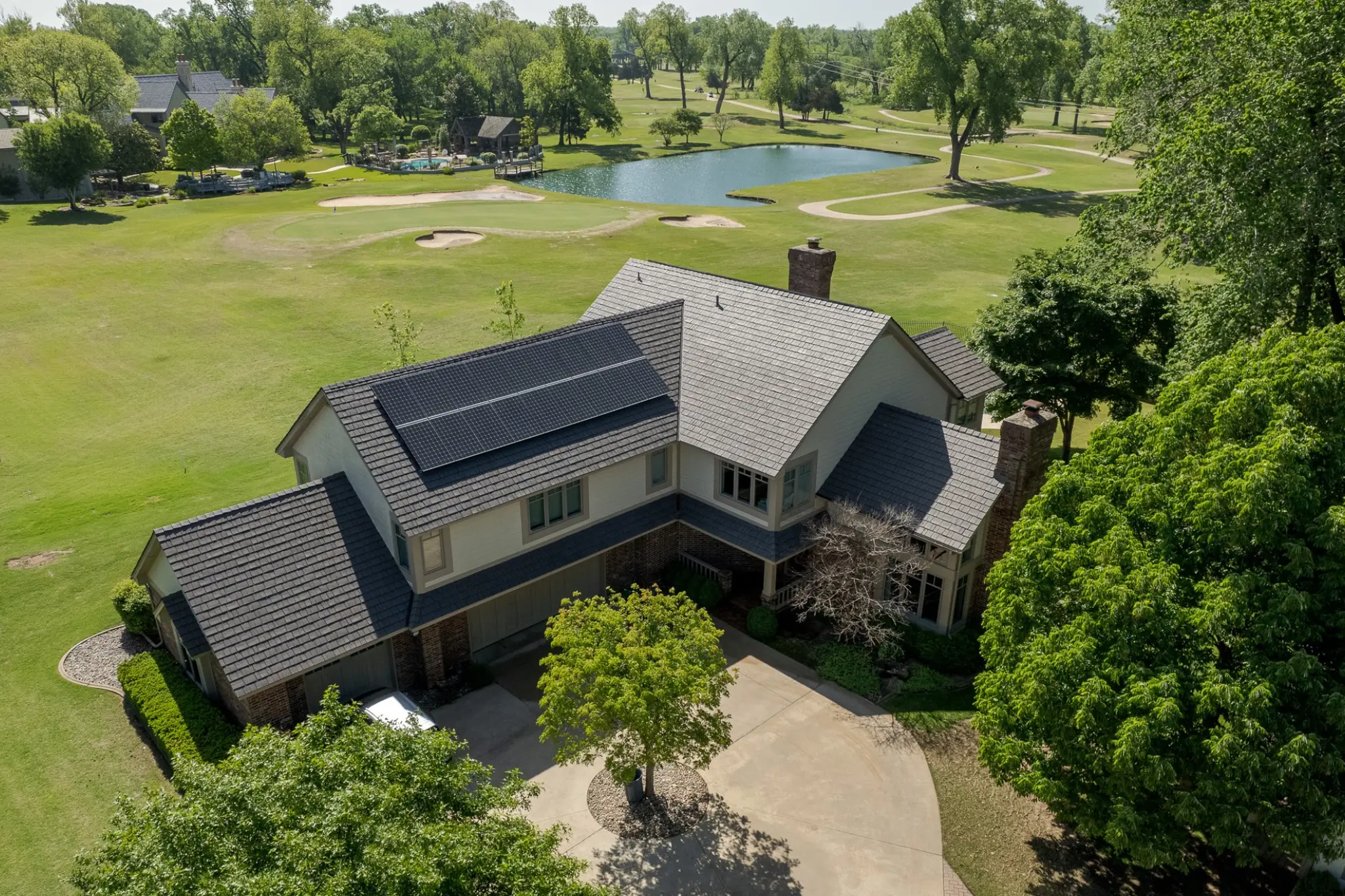
Solar roof tiles integrate photovoltaic technology directly into individual roofing tiles, allowing a roof to generate electricity without the bulky appearance of traditional solar panel arrays. This gives homeowners a seamless, architecturally cohesive look while still capturing renewable energy. It's a valuable benefit, but a complicated process to achieve, as it requires specialized installation that is not compatible with every type of roof, and the roof also needs adequate sun exposure to make the investment worthwhile.
With high upfront cost and limited availability, solar tiles are a niche but growing option for homeowners prioritizing energy independence and aesthetics equally.
Copper Roofing
Copper roofing is instantly recognizable for its rich metallic sheen that offers exceptional longevity, often lasting over a century, along with strong corrosion resistance and full recyclability. It's one of the most durable roof tiles, requiring very little maintenance once installed. These benefits come at a premium: copper carries one of the highest upfront costs of any roofing material. It is typically chosen not for budget-conscious projects but for accent roofing, architecturally significant homes, where durability and visual distinction matter most.
Fiber Cement Roof Tiles
Fiber cement roof tiles are manufactured from a blend of cement, sand, and cellulose fibers, molded and cured to replicate the look of slate, shake, or clay at a more accessible price point. The material is durable and fire resistant, with a refined appearance that suits both traditional and contemporary homes. Fiber cement roof tiles require moderate maintenance, but are also heavier than composite alternatives. They are positioned somewhere between economical asphalt and premium natural materials. Fiber cement suits homeowners who want an authentic traditional look without the full cost or weight of natural slate or clay.
How Do the Different Roof Tile Types Compare?
Choosing between roofing materials comes down to comparing the same handful of factors side by side. For most homeowners, appearance and durability top the list, though cost is also a significant factor. The table below breaks down how the major roof tile types compare, offering a quick reference for finding the best roof tiles for a home's climate and budget.
Which Type of Roof Tile Is Best for Your Home?
There is no single best roof tile option; the right fit depends on your specific home. The right choice depends on what matters most to you as a homeowner, whether that's appearance, longevity, cost, or function.
The sections below break down which materials tend to perform best across these priorities, including options for homeowners drawn to the cedar or slate aesthetic specifically.
What Are the Best Roof Tiles for Durability?
Slate, copper, and metal are seen as the materials most likely to deliver a durable roof, standing up well to wind, impact, and temperature swings. Enviroshake is engineered to meet or exceed those same benchmarks: it holds an unconditional Class A fire rating, is third-party tested to withstand winds up to 180 mph, and carries a Class 4 impact rating, the highest available. Cedar and clay perform less consistently under sustained sun exposure and moisture, which makes Enviroshake the strongest all-around choice for homeowners who want durability without the weight of slate or copper.
What Are the Best Roof Tiles for Low Maintenance?
Enviroshake requires virtually no ongoing maintenance: no chemical treatments, no sealing, and no periodic tile replacement, making it one of the lowest-maintenance roofing materials available today. Metal roofing comes close on the maintenance front, but Enviroshake also delivers the authentic texture of natural cedar or slate, a look metal simply can't replicate. Natural cedar sits at the opposite end, demanding periodic chemical treatments and cleaning to prevent weather damage, while clay and concrete need occasional sealing and crack repair.
What Are the Best Roof Tiles for Modern Homes?
Contemporary homes benefit from flat or sleek composite tiles or minimalist metal profiles that offer clean silhouettes and subtlety in design. Enviroshake replicates the sharp, clean look of metal or slate tiles without the corrosion, noise, or fragility those materials carry, giving modern homes a durable roofline that still reads as premium. For more on matching a roof to a home's style, see our guide to roofing design ideas for curb appeal.
What Are the Best Roof Tiles for Historical Homes?
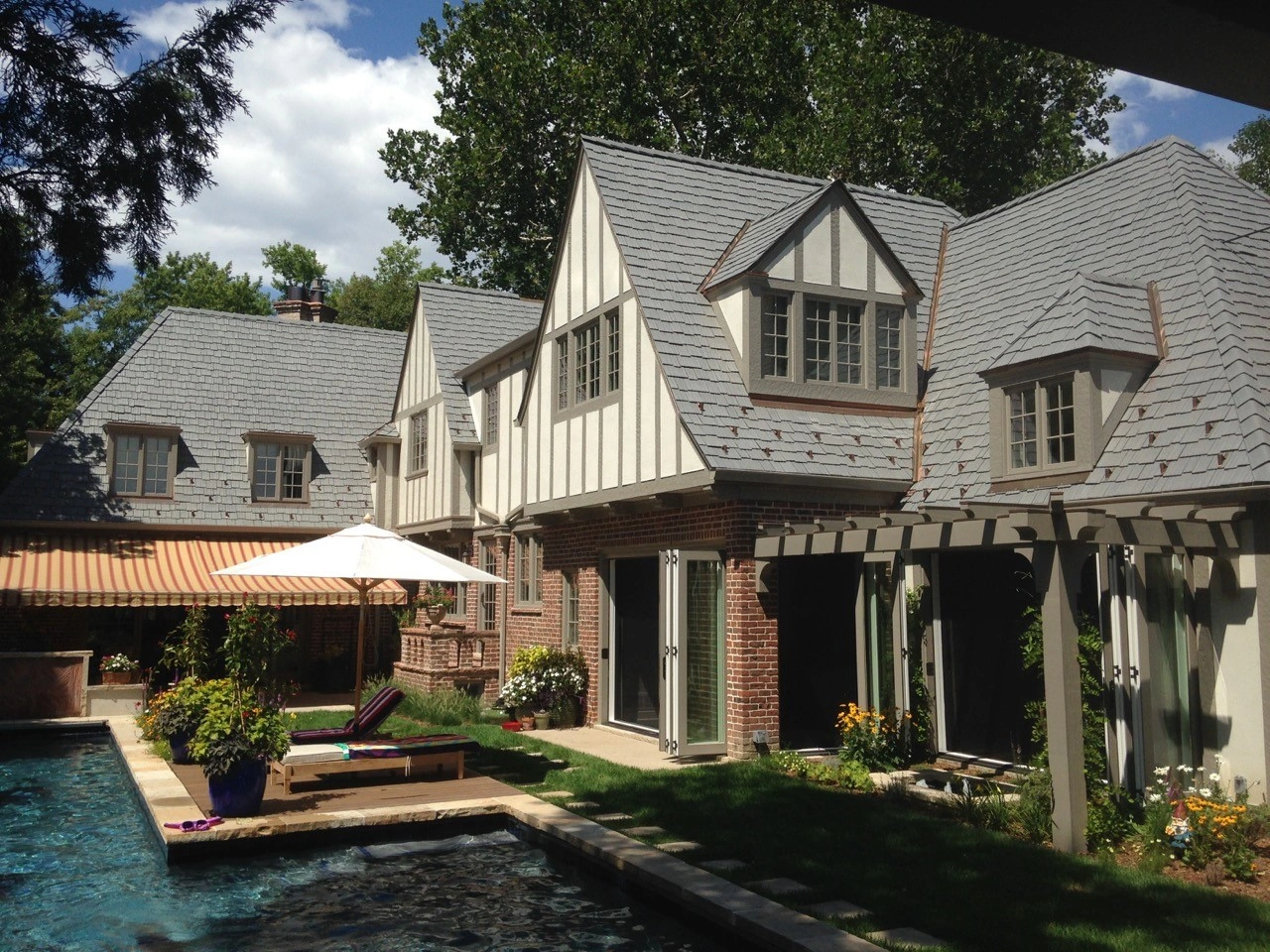
Historical and heritage homes typically call for natural-looking materials such as slate, clay, or cedar shake to preserve their authenticity and timelessness. Many older homes, however, were not built to support these tiles' weight. Enviroshake and Enviroslate solve that problem directly: both replicate these traditional profiles with genuine authenticity while weighing a fraction of natural cedar or slate, letting heritage homes achieve the historic look without a structural overhaul.
What Are the Best Roof Tiles for Coastal Homes?
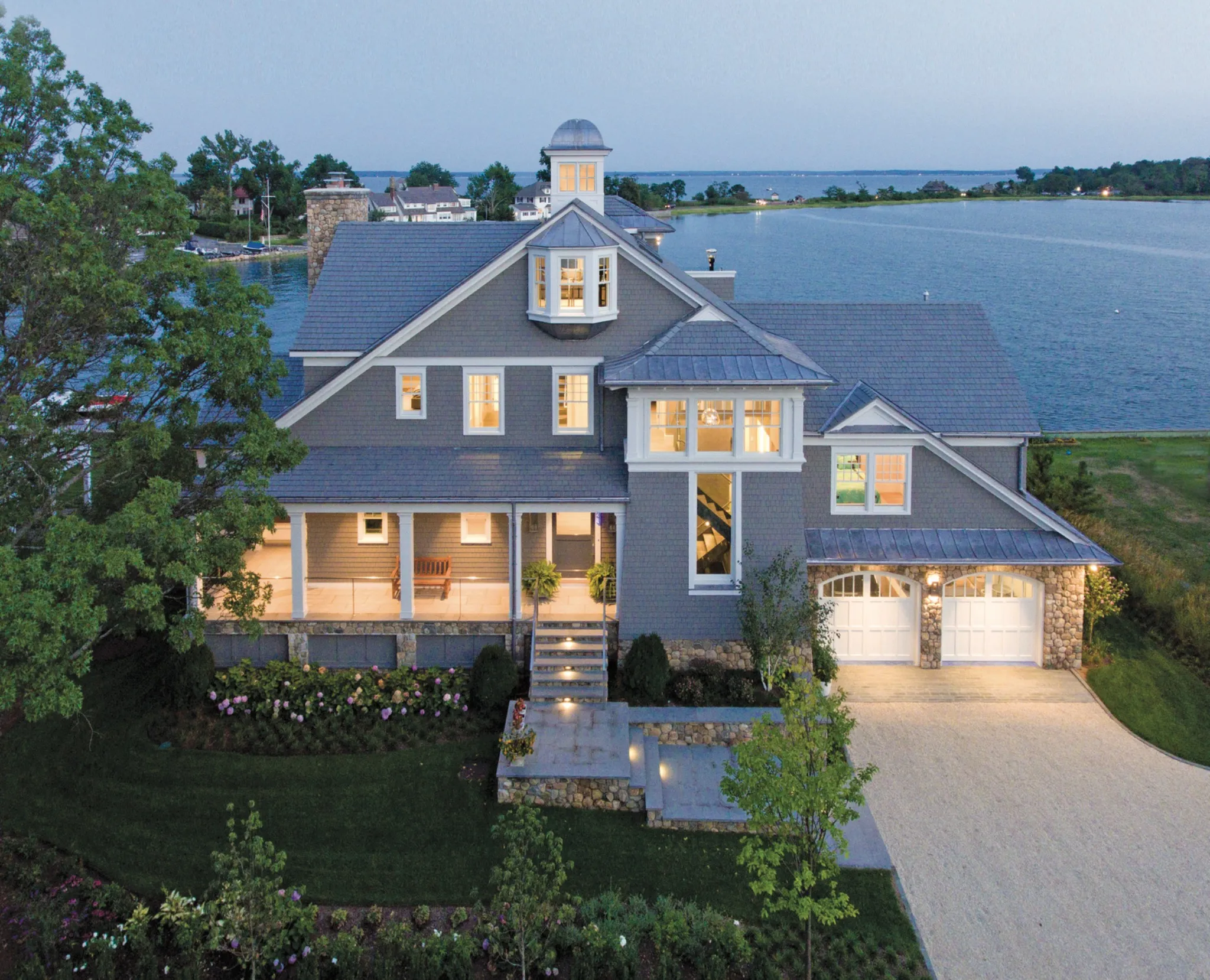
Coastal homes face constant exposure to salt air, humidity, and high winds, all of which accelerate corrosion and moisture damage in many roofing materials. Cedar has long been favored for its natural moisture tolerance, though it still requires regular upkeep, which adds to the cost over time. Enviroshake resists corrosion, rot, and wind without any of the maintenance cedar demands, and its 180 mph wind rating makes it particularly well suited to coastal and hurricane-prone climates. Some regions also have specific rules worth understanding, like Florida's HOA regulations around hurricane-resistant roofing.
What Are the Best Roof Tiles for Hot, Sunny Climates?
Homes in hot, sunny climates benefit most from roofing materials that reflect rather than absorb heat, reducing cooling costs and slowing sun-related wear. Clay tiles are common in these climates for their fire resistance and ventilating profile. Envirocool, Enviroshake's reflective composite line, is built with UV stabilizers and a reflective finish designed to match or exceed clay's heat performance while keeping the low-maintenance advantages composite roofing is known for. In states like California, roofing choices should also account for Title 24 and CRRC rating requirements.
Frequently Asked Questions
What type of roof tile is the most durable?
Slate, copper, and engineered composite tiles are generally the most durable roofing materials, offering strong resistance to weather extremes. Enviroshake stands out as the strongest overall choice among them: it carries an unconditional Class A fire rating, is third-party tested to withstand winds up to 180 mph, and is Class 4 impact rated, the highest impact resistance rating available. That combination lets it match or exceed the durability of natural materials like slate and copper while weighing a fraction as much, making it the most well-rounded durable roofing option on the market today.
Are composite roof tiles better than cedar?
Composite tiles are engineered to replicate cedar's natural look while resisting the moisture, insects, and weathering that affect real wood. Enviroshake is widely regarded as the benchmark composite option: it delivers cedar's authentic texture and depth with virtually no maintenance, a 50+ year lifespan backed by a Gold Level Warranty, and none of the periodic treatments, staining, or premature replacement that cedar requires. For homeowners who love the cedar look but not the upkeep, Enviroshake is the clear upgrade.
Which roof tiles last the longest?
Natural slate and copper are known to last a century or more, but both come with significant weight and installation demands that limit which homes can support them. Enviroshake delivers a 50+ year lifespan backed by a Gold Level Warranty, giving homeowners that same long-term assurance without the structural reinforcement, cost, or installation complexity that slate and copper require, making it the most practical long-lasting option for the widest range of homes.
What type of roof is least likely to leak?
Roofs made from dense, weather-resistant materials such as slate, metal, and engineered composite tiles are among the least likely to leak when properly installed. Enviroshake's engineered consistency, every tile manufactured to the same specification, eliminates the natural variability that can create weak points in materials like cedar or clay, making it one of the most reliable options available for minimizing leak risk over the full life of the roof.
How long should a roof tile last?
Roof tile lifespan varies by material, ranging from around 20 to 30 years for cedar shake to 50 years or more for concrete, metal, and premium composite roofing, and upward of a century for natural slate or copper when properly installed and maintained. Enviroshake is engineered to perform at the upper end of that range, delivering 50+ years of protection backed by a Gold Level Warranty, without the weight, cost, or maintenance tradeoffs that come with the materials rated above it.
Ready to Explore a More Durable Alternative to Traditional Roofing?
For homeowners who want the timeless beauty of cedar or slate without the ongoing maintenance, weight, and installation challenges, Enviroshake offers an engineered alternative built to last. Explore Enviroshake, Enviroslate, and Enviroshingle to see how authentic aesthetics and long-term performance come together, try the Roof Visualizer to preview your home, or contact Enviroshake today for a personalized quote.
Interested in learning more about Enviroshake products?
Contact us today to discuss your project and how we can help you achieve your design goals.