What Happens to Your Old Roof?
Key Takeaways
- Roof replacement creates significant waste: Old asphalt shingles and cedar shakes frequently end up in landfills after removal.
- Longer-lasting roofing means less waste over time: A roof that requires fewer replacements reduces the amount of material being removed and discarded.
- Enviroshake incorporates 95% recycled and post-industrial materials: This reduces reliance on virgin raw materials while putting existing material to productive use.
- Enviroshake avoids many of the treatments associated with natural cedar: Cedar may require chemical treatments and ongoing maintenance throughout its lifespan.
- Durability is an important part of roofing sustainability: A roof designed to last for decades can reduce the material, transportation, installation, and disposal impacts associated with repeated roof replacements.
- Your roofing choice has an impact beyond your home: Considering lifespan, recycled content, maintenance, and eventual disposal provides a more complete picture of a roofing material’s environmental footprint.
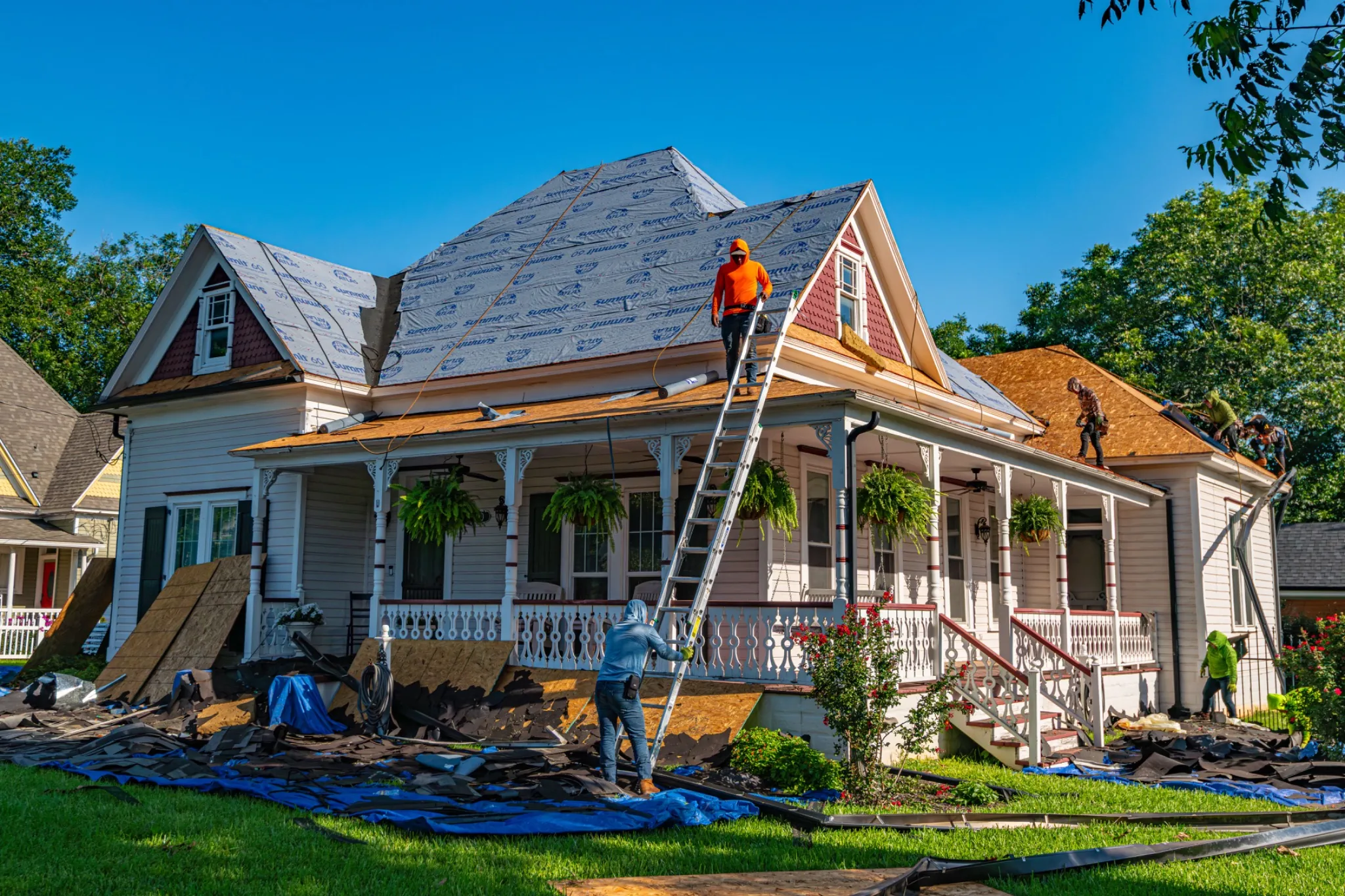
When it’s time to replace a roof, most homeowners focus on aesthetics and durability - but what about where the old roofing materials end up? Understanding the environmental impact of roofing replacement can make a big difference in your choice of materials.
The Traditional Roof Disposal Problem
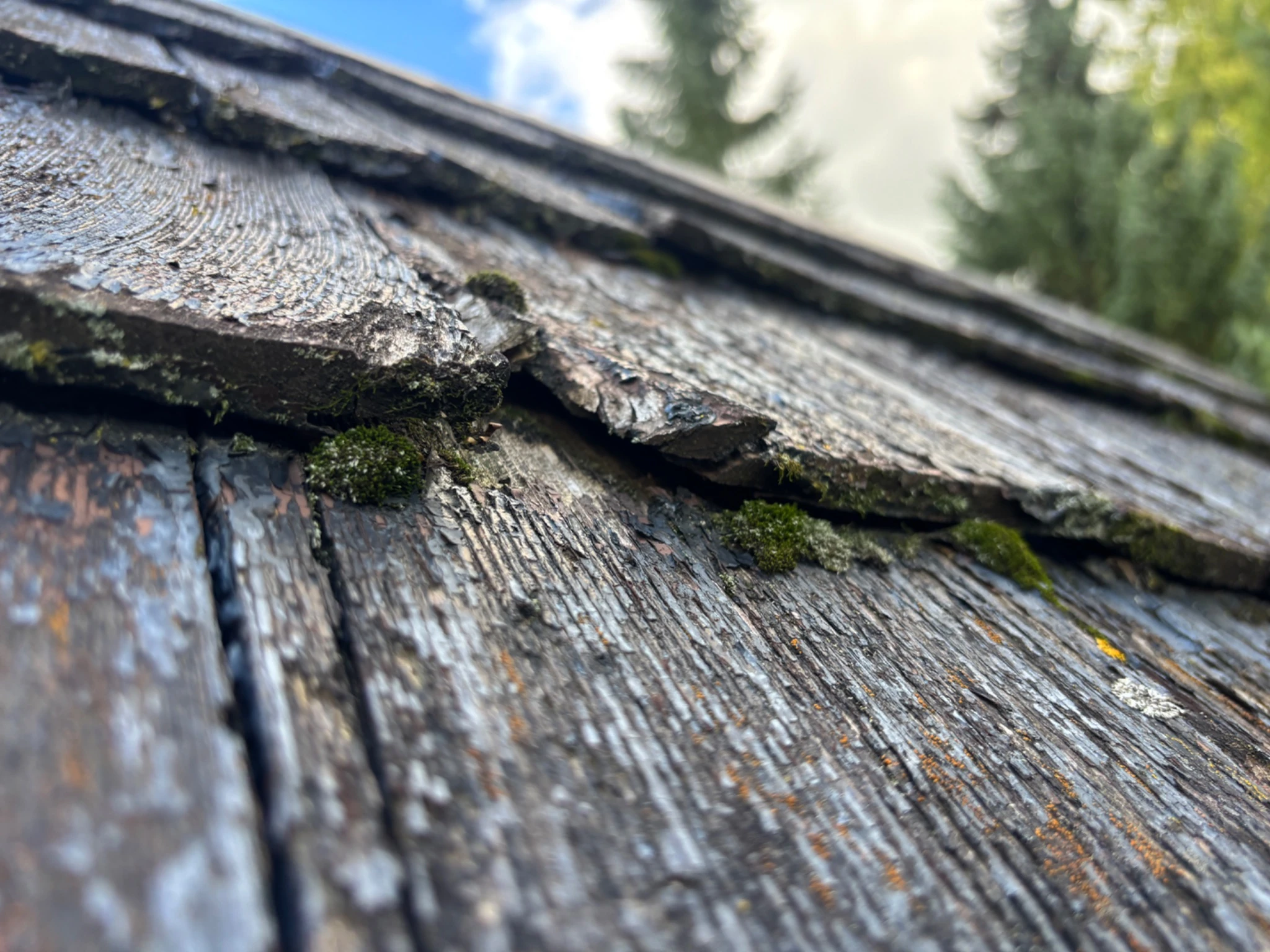
When asphalt shingles or cedar shakes are removed, they often end up in landfills. Roofing materials can take decades to break down, contributing to long-term waste. Even pressure-treated cedar contains chemicals that aren’t ideal for soil and groundwater. For homeowners mindful of sustainability, this adds a layer of concern beyond just installation.
Enter Composite and Recycled Roofing
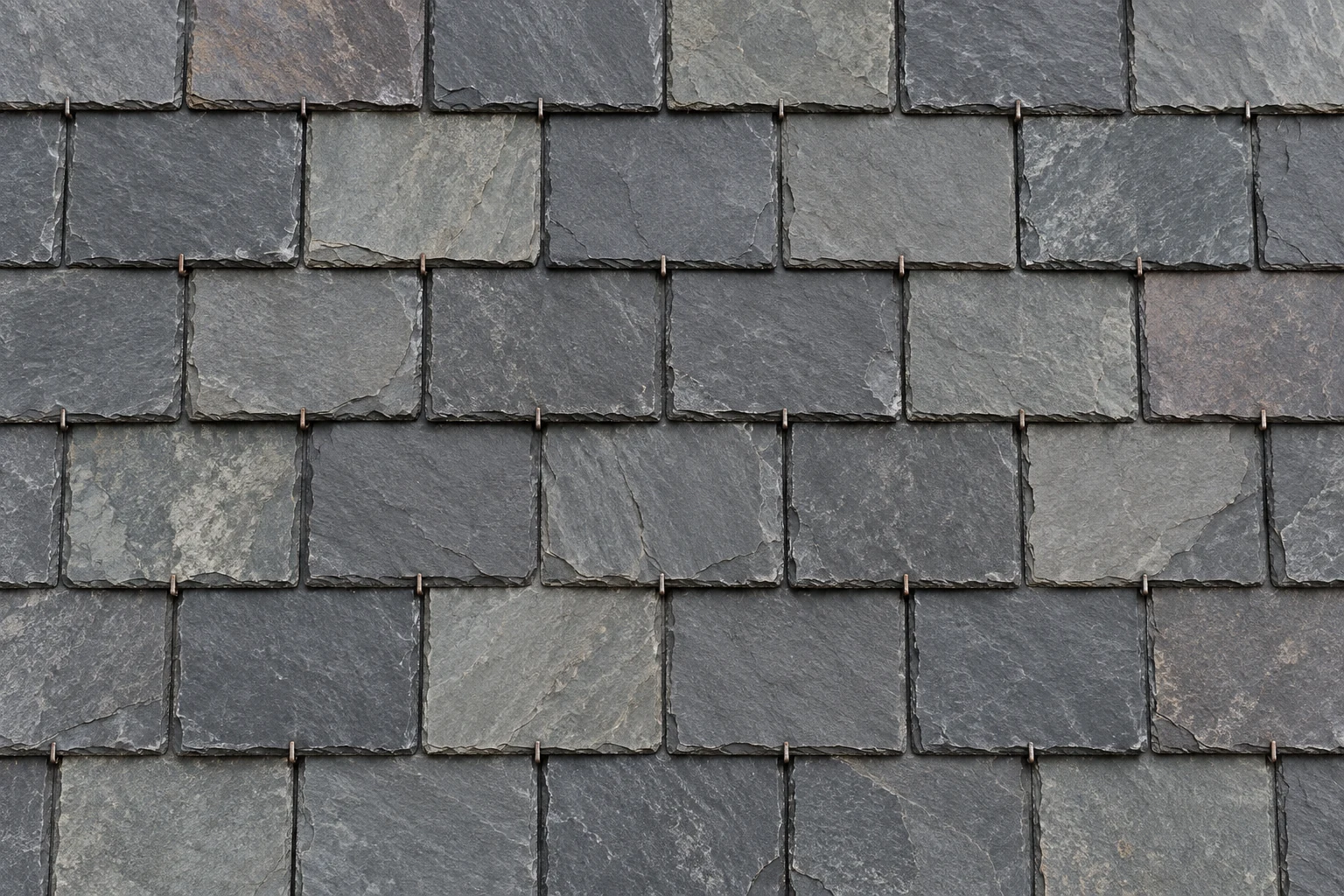
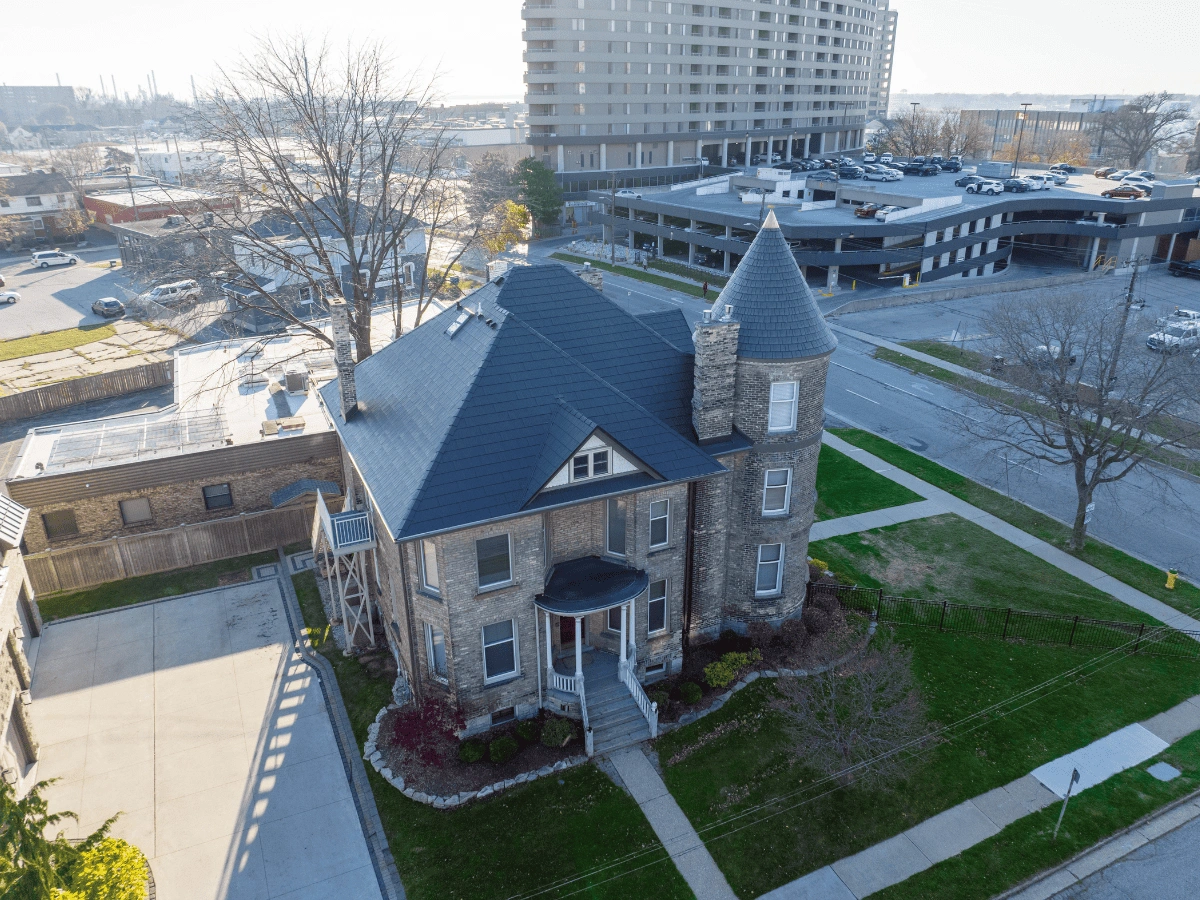
Composite materials like Enviroshake are engineered to reduce environmental impact. Many products incorporate recycled content and are designed for longevity, meaning fewer replacements over time. Not only does this reduce landfill waste, but it also lessens the demand for raw natural resources. Choosing Enviroshake is a small but impactful step toward more responsible home construction.
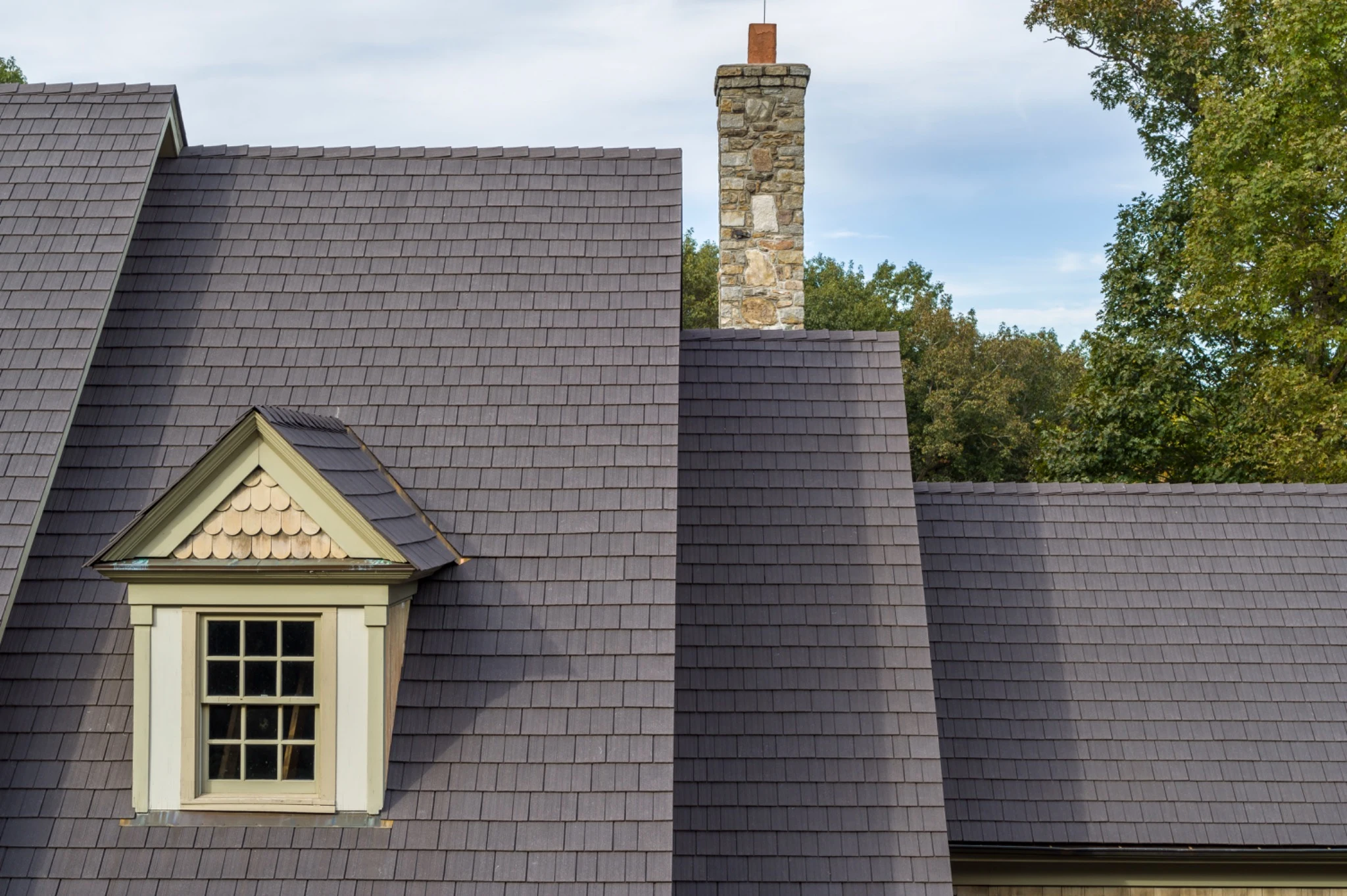
Comparing Options
- Traditional Cedar: Beautiful but high-maintenance, often treated with chemicals, and eventually ends up in landfills.
- Asphalt Shingles: Affordable, but short lifespan and mostly non-recyclable.
- Enviroshake Composite: Durable, low-maintenance, and often made with recycled materials; designed to last decades while keeping environmental footprint low.
Additional Sustainability Benefits
Composite roofs are also more energy-efficient, helping regulate your home’s temperature and reducing the energy needed for heating and cooling. Less energy usage means fewer greenhouse gas emissions, multiplying the environmental benefits over time.
A Responsible Choice for Modern Homeowners
Replacing a roof doesn’t have to be just a practical decision - it can be an environmentally conscious one. By choosing an Eco-friendly composite roof like Enviroshake, homeowners reduce landfill contributions, conserve resources, and make a positive impact on their community. It’s proof that even big projects like roof replacement can align with sustainability goals.
Listen to our latest Enviroshake Deep Dive podcast episode as we explore the environmental impact of roof replacement. From landfills filled with old shingles to the benefits of recycled, low-maintenance composite roofing, we break down why choosing Enviroshake is a smarter, eco-friendly option. Discover how sustainable roofing materials can reduce waste, conserve resources, and even improve energy efficiency, proving that your next roof can protect both your home and the planet.
Interested in learning more about Enviroshake products?
Contact us today to discuss your project and how we can help you achieve your design goals.