How to Meet Title 24 Requirements: A Guide to CRRC-Rated Roofing
Key Takeaways
- Title 24 roofing requirements can apply when more than 50% of an existing residential roof is replaced, making cool roof performance an important consideration for many roof projects in California.
- CRRC-rated roofing provides documented solar reflectance, thermal emittance and SRI performance, helping homeowners and builders evaluate roofing products for Title 24 requirements.
- Title 24 requirements vary by climate zone, roof slope and project type, so the applicable requirements should be considered before selecting a roofing material.
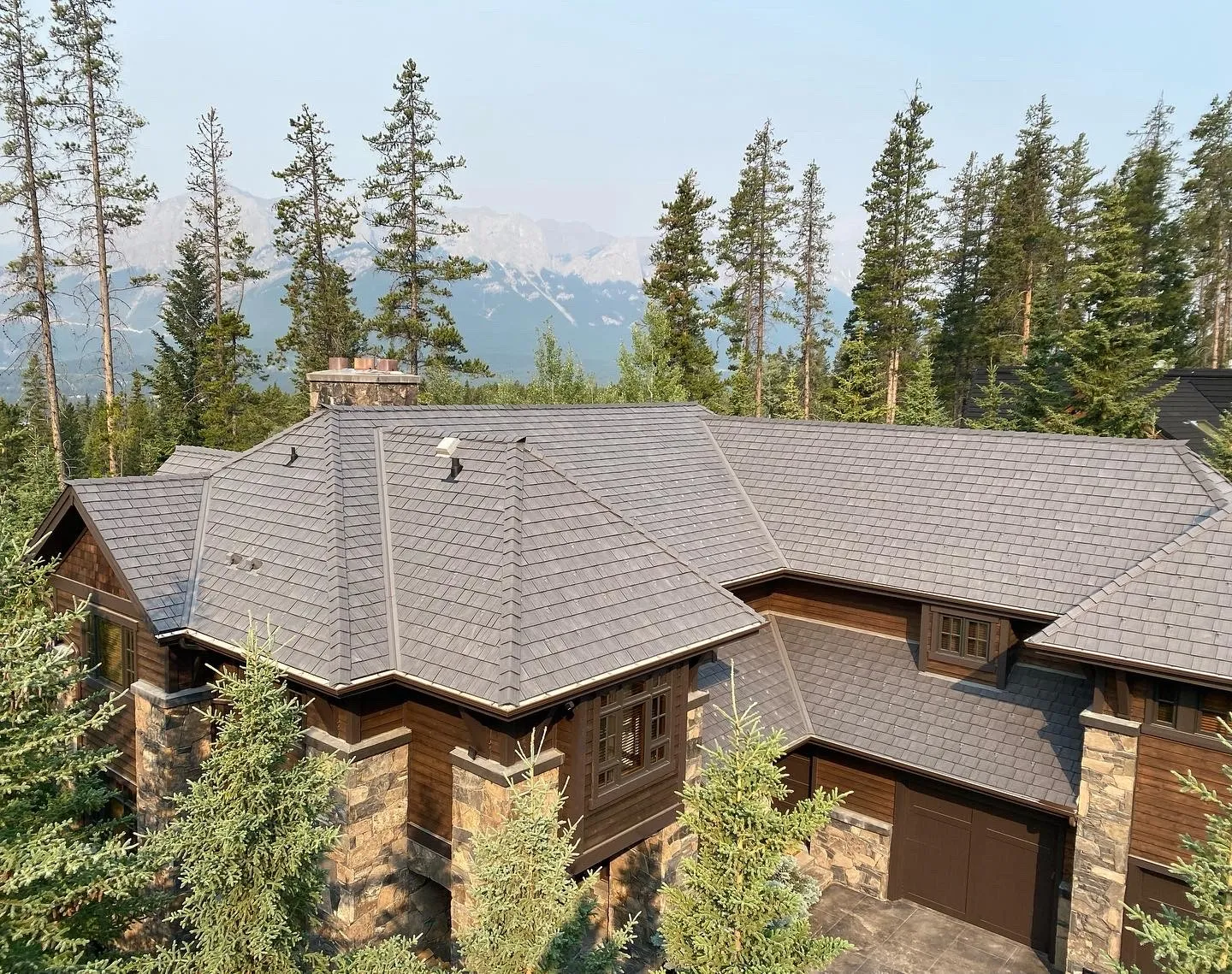
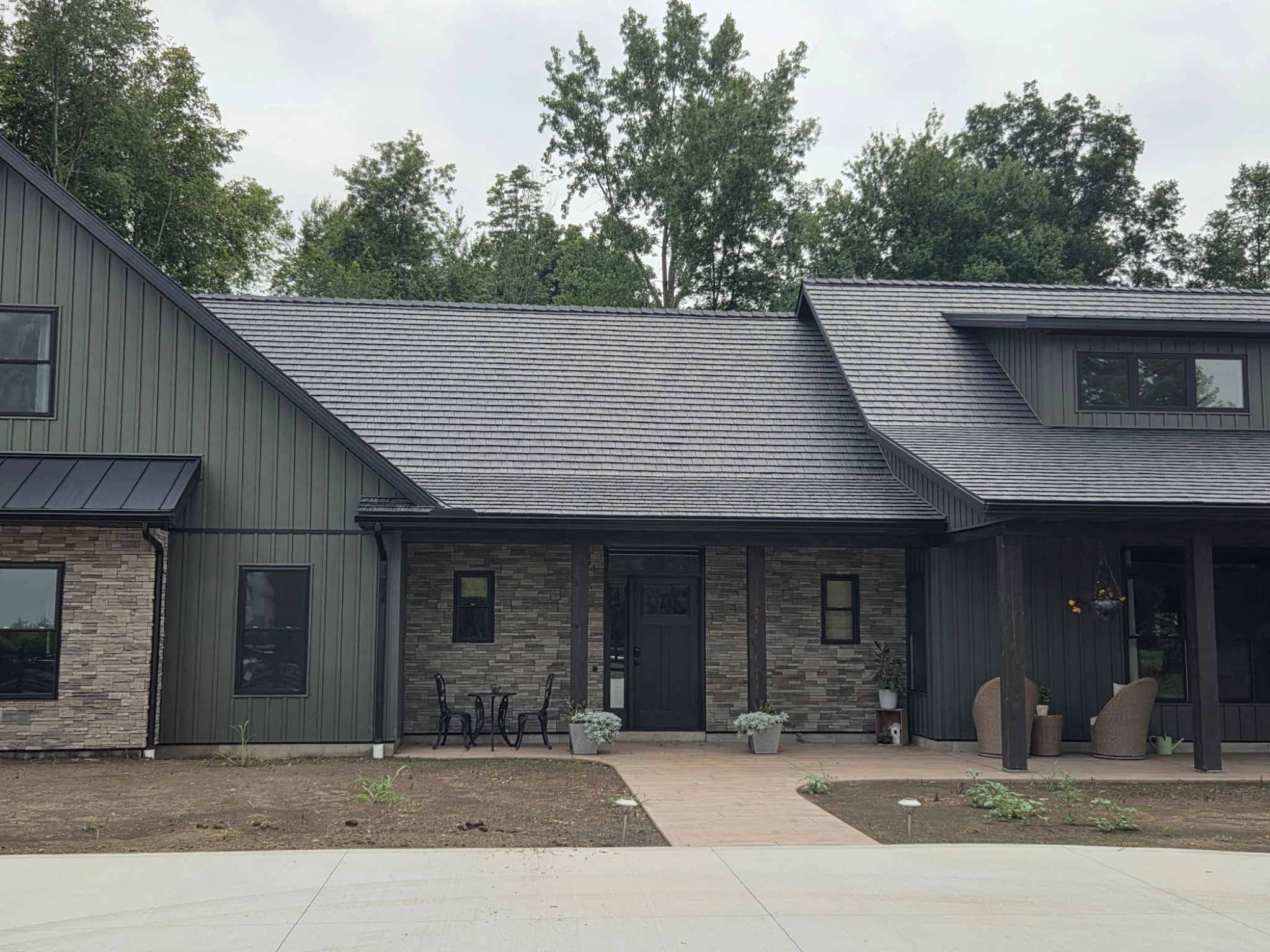
- Enviroshake offers CRRC-rated roofing, including Envirocool, providing a cool roofing option for California homes while maintaining the look of natural cedar and slate.
If you're building a new home, replacing a roof or planning a renovation in California, energy efficiency is an important part of the roofing conversation. California's Title 24, Part 6 establishes energy efficiency standards for buildings, including requirements that can apply to roofing materials.
One of the key considerations is whether a roofing product meets applicable cool roof requirements. Depending on the project, this can involve minimum values for solar reflectance and thermal emittance or a minimum Solar Reflectance Index (SRI).
For homeowners and builders, understanding these requirements early can make it easier to select the right roofing material. Choosing a CRRC-rated roofing product can also provide the documented performance information needed when evaluating a roof for Title 24 compliance.
Here's what to know about Title 24 roofing requirements and how CRRC-rated products, including Enviroshake, can fit into a California roofing project.
Understanding California Title 24 Roof Requirements
Title 24 is California's collection of building standards. Part 6, known as the California Energy Code, establishes requirements intended to improve the energy efficiency of buildings.
The 2025 Energy Code applies to building permit applications submitted on or after January 1, 2026. It includes requirements covering areas such as insulation, windows, HVAC equipment, ventilation, lighting and roofing.
For roofing, the requirements can vary depending on several characteristics of the project, including:
• The building type
• California climate zone
• Roof slope
• Whether the project is new construction, an addition or an alteration
• The compliance approach being used
• The roofing product's documented performance
This means there isn't one universal roofing specification that applies to every California property.
For homeowners, however, one of the most important things to know is when these requirements can be triggered during a roof replacement.
When Does Title 24 Apply to a Roof Replacement?
If you're replacing an existing roof, Title 24 requirements can apply when more than 50% of the roof area is being replaced. The 2025 Energy Code specifically addresses replacement of the exterior surface of an existing residential roof when more than 50% of the roof is being replaced. That means a small roof repair isn't necessarily treated the same way as a major reroofing project.
For a homeowner, the key takeaway is:
If you're replacing more than half of your roof, you should expect Title 24 roofing requirements to be part of the project and select your roofing material accordingly.
In applicable California climate zones, this can mean choosing a roofing product that meets the required cool roof performance criteria.
There are exceptions within the Energy Code, including certain roof insulation, radiant barrier and roof assembly conditions, so the exact requirements should be confirmed for your project.
What Makes a Roof Title 24 Compliant?
A roof's Title 24 compliance depends on more than simply choosing a product marketed as a "cool roof."
The California Energy Code establishes specific performance requirements for roofing products in applicable situations. These requirements can be expressed through aged solar reflectance and thermal emittance or through Solar Reflectance Index (SRI).
For example, under the 2025 residential Energy Code, certain new steep-sloped roofs in Climate Zones 4 and 8 through 15 must meet either:
• A minimum aged solar reflectance of 0.20 and thermal emittance of 0.75, or
• A minimum SRI of 16.
There are exceptions and alternative compliance provisions, so these numbers should not be applied to every California roof without first determining which requirements apply to the project.
Title 24 compliance is project-specific. Your roofing professional, designer or contractor can determine which requirements apply and verify that the selected roofing product has the necessary performance documentation.
California Cool Roof Requirements Explained
A cool roof is designed to reflect more of the sun's energy and release absorbed heat rather than allowing as much solar heat to transfer through the roof assembly.
This can be particularly valuable in California, where solar exposure and warm temperatures can contribute to heat gain within a building.
The Energy Code uses several measurements to evaluate roofing performance:
• Solar reflectance (SR): The percentage of solar energy a roofing surface reflects.
• Aged solar reflectance: The roof's solar reflectance after weathering.
• Thermal emittance (TE): How effectively a surface releases absorbed heat.
• Solar Reflectance Index (SRI): A measurement that combines solar reflectance and thermal emittance to indicate a roof's ability to reject solar heat.
The applicable requirement depends on the building and project. That's why it’s important to look at a roofing product's actual tested performance.
Solar Reflectance and Thermal Emittance
Solar reflectance and thermal emittance measure two different aspects of how a roof interacts with heat from the sun. A roof with higher solar reflectance sends more incoming solar energy away from the building instead of absorbing it. Thermal emittance describes how effectively the roof releases heat that it has absorbed.
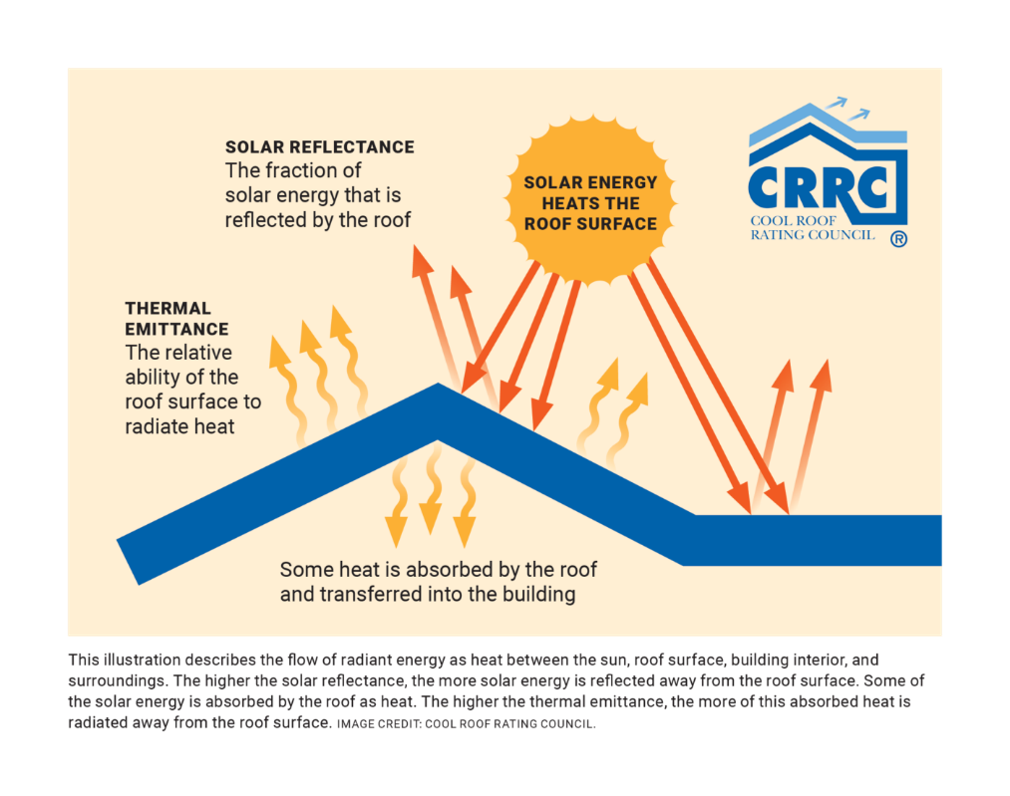
Together, these properties help determine how effectively a roofing surface can manage solar heat. The California Energy Code uses aged performance values inapplicable requirements, making it important to look beyond a product's initial rating.
What Is Solar Reflectance Index (SRI)?
Solar Reflectance Index, or SRI, is another way to evaluate the heat-rejection properties of a roofing material.
Rather than looking at solar reflectance and thermal emittance separately, SRI combines these properties into a single measurement of a roof's ability to reject solar heat.
In applicable situations, the California Energy Code allows SRI to be used as an alternative to specific solar reflectance and thermal emittance requirements.
Generally, a higher SRI indicates a roofing surface that is better at reflecting solar energy and releasing absorbed heat.
How CRRC Ratings Help With Title 24 Compliance
The Cool Roof Rating Council (CRRC) is an independent organization that maintains a rating system for the radiative properties of roofing and wall products.
The CRRC does not manufacture or sell roofing products. Instead, it provides independently measured performance data for products included in its Rated Product Directories.
This information is particularly relevant in California because Title 24 references CRRC-rated roofing products for applicable compliance and labeling requirements. The CRRC Rated Roof Products Directory allows builders and other professionals to look up product-specific information.
A CRRC rating can provide information such as:
• Initial solar reflectance
• Aged solar reflectance
• Thermal emittance
• Solar Reflectance Index
• CRRC Product ID
Having this information available makes it easier for a contractor, architect or designer to compare a roofing product's documented performance with the requirements for a particular project.
It's important to remember that CRRC-rated does not automatically mean a product meets every Title 24 requirement. The CRRC itself notes that being listed in its Rated Products Directory does not guarantee that a product qualifies as "cool" under every code or program. The product's actual ratings need to be compared with the requirements applicable to the building.
What to Look for on a CRRC Roofing Rating
When evaluating a roofing product for a California project, don't stop at the words "CRRC rated." Look at the actual product information.
Depending on the project and applicable requirements, important information may include:
CRRC Product ID: This identifies the specific rated roofing product.
Solar reflectance: Shows how much solar energy the product reflects.
Aged solar reflectance: Indicates how the product performs after weathering.
Thermal emittance: Shows how effectively the surface releases absorbed heat.
SRI: Provides a combined measurement of solar reflectance and thermal emittance.
Your roofing professional can use these values to determine whether the product meets the applicable requirements.

Choosing Title 24 Compliant Roofing for Your California Home
Once you know the Title 24 requirements that apply to your project, the next step is selecting a roofing material that fits both the performance requirements and the design of the home.
Consider:
Climate zone: California's climate zones have different requirements, so determine the property's climate zone first.
Roof slope: The Energy Code distinguishes between low-sloped and steep-sloped roofs. A low-sloped roof has a slope of less than 2:12, while a steep-sloped roof has a slope of 2:12 or greater.
Project type: Requirements can differ for new construction, additions and alterations.
Roofing performance: Review the product's CRRC ratings and compare them with the applicable Energy Code requirements.
Appearance: Energy efficiency doesn't mean homeowners have to compromise on architectural style. Today's roofing products can combine performance characteristics with a wide range of colours and profiles.
Can Synthetic Roofing Meet California Cool Roof Requirements?
Synthetic roofing can offer another option for homeowners who want the appearance of natural materials while incorporating engineered performance characteristics.
For California projects, the key consideration isn't simply whether a roof is made from synthetic material. The specific product needs to be evaluated based on its documented performance and the requirements applicable to the project.
A CRRC-rated synthetic roofing product gives builders and homeowners access to the performance data needed to make that comparison.
Enviroshake: CRRC-Rated Roofing for California Homes
Enviroshake offers engineered synthetic roofing products designed to replicate the authentic appearance of natural cedar and slate while providing the durability and performance benefits of a manufactured roofing system.
Enviroshake has been independently rated by the Cool Roof Rating Council, providing documented solar reflectance and thermal performance information.
For California projects where cool roof performance is required or desired, Enviroshake offers Envirocool®, a roofing product developed with reflective pigments to improve solar reflectivity. Enviroshake identifies Envirocool as Title 24 compliant, with an SRI of 31.
Envirocool SRI Ratings
Envirocool has an SRI of 31, providing a higher level of solar heat rejection than standard roofing products.
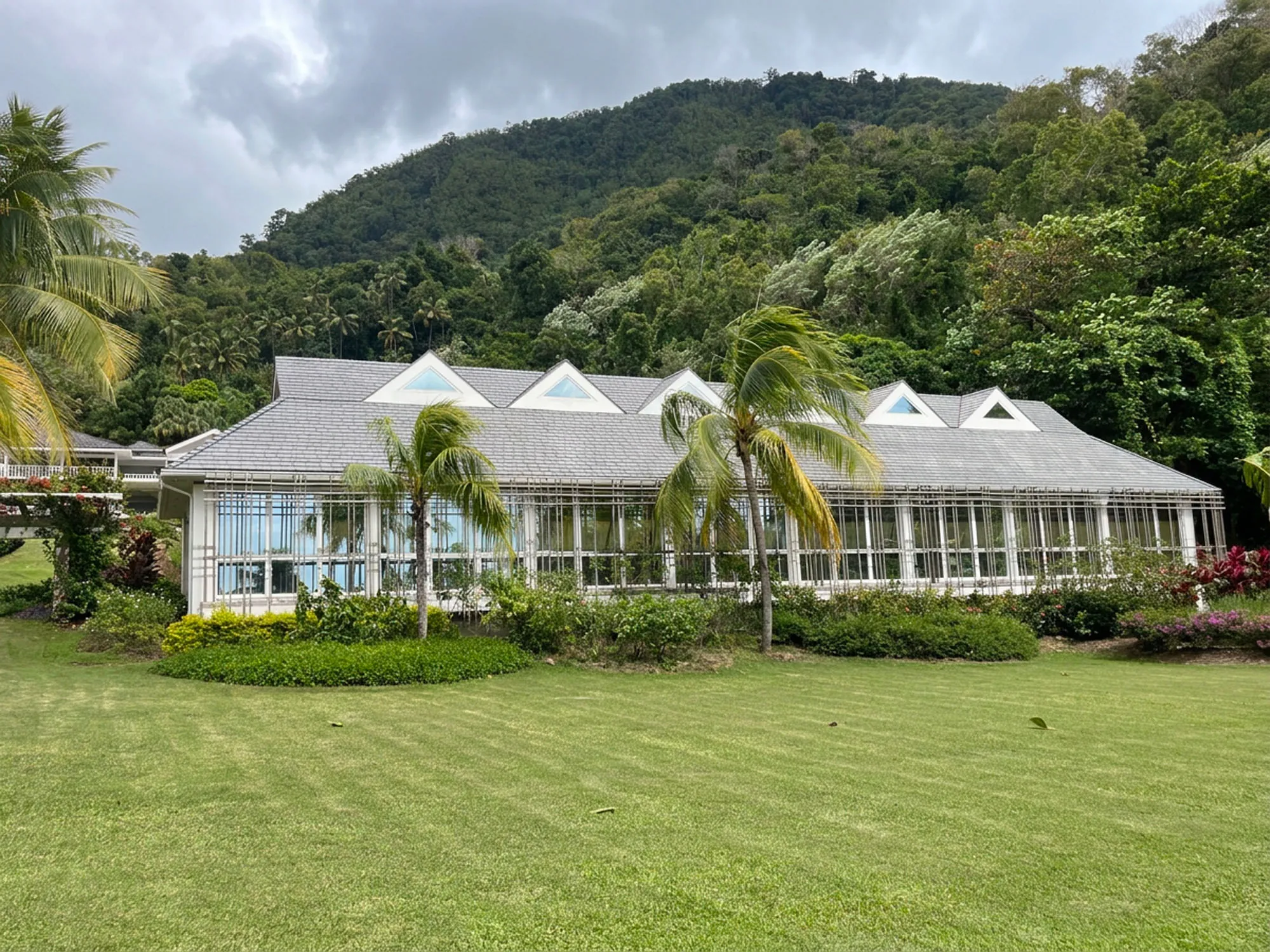
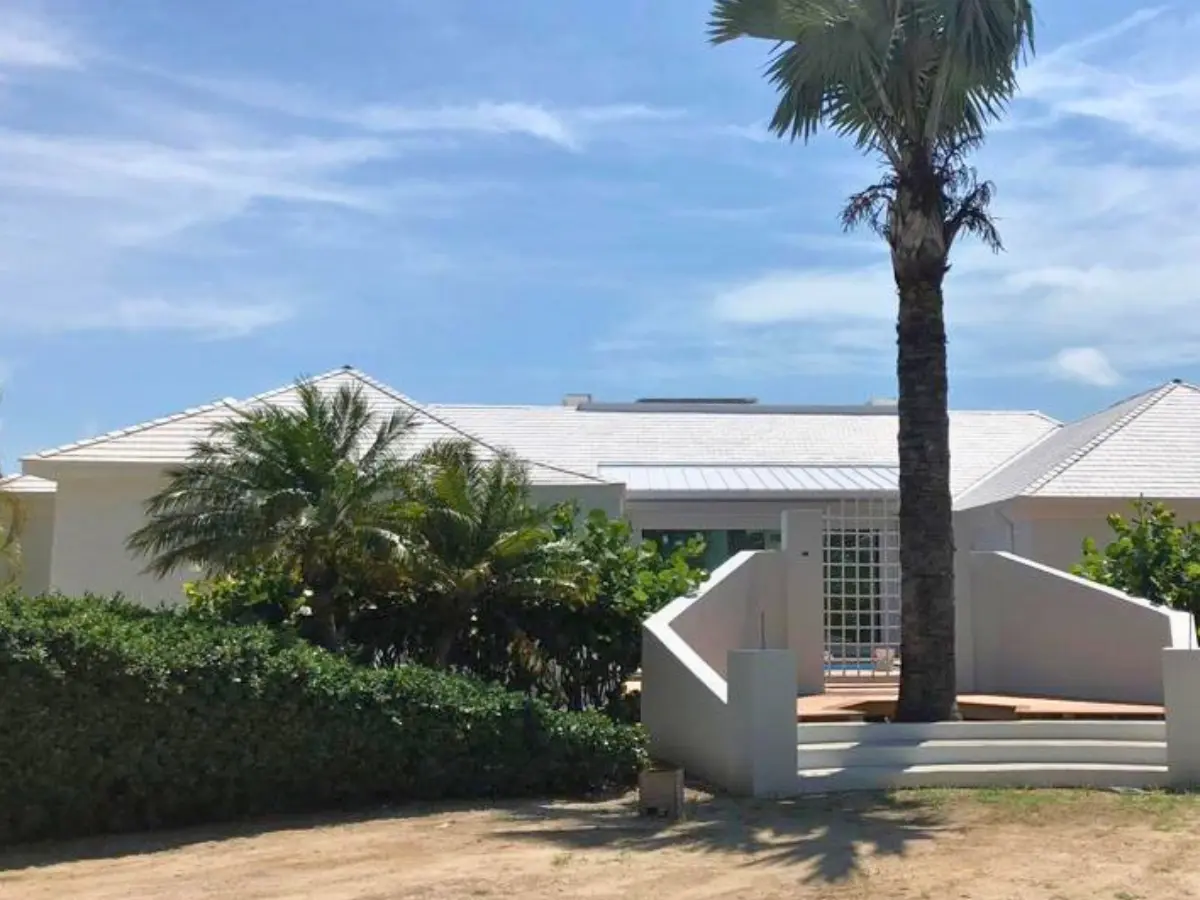
For homeowners looking for even greater reflectivity, Enviroshake's custom Bermuda White colour has an SRI of approximately 80.9.
These options give homeowners the opportunity to consider cool roof performance without being limited to the appearance of traditional high-reflectance roofing. An Envirocool roof also helps keep money in your pocket as a homeowner. Envirocool’s high SRI often comes with insurance discounts, reduced heating and cooling bills of up to 30%, and an increased resale value for the home.
As with any roofing product, the applicable Title 24 requirements should be confirmed for the specific project.

Title 24 Roofing FAQs
What Is the Title 24 Requirement for Roofs in California?
Title 24, Part 6 establishes energy efficiency requirements for California buildings, including requirements that can apply to roofing. The specific requirements vary according to factors such as building type, climate zone, roof slope and project type.
Does Title 24 Require a Cool Roof?
Cool roof requirements apply to certain California projects, but not every roof is subject to the same requirements. The applicable requirements depend on the building, climate zone, roof slope and compliance approach.
What Does CRRC Rated Mean?
CRRC rated means a roofing product has been evaluated through the Cool Roof Rating Council's rating program for properties such as solar reflectance and thermal emittance. A CRRC rating provides product performance data but does not, by itself, guarantee compliance with every building code or program.
What SRI Is Required for Title 24?
The required SRI depends on the specific building, roof type, climate zone and applicable Energy Code provision. For example, the 2025 residential Energy Code specifies an SRI of 16 as one compliance option for certain steep-sloped roofs in Climate Zones 4 and 8 through 15.
Is Synthetic Roofing Title 24 Compliant?
Some synthetic roofing products can meet applicable Title 24 requirements. The individual product's documented performance must be compared with the requirements for the specific project.
Does Roof Colour Matter for California Title 24?
Colour can affect a roofing material's solar reflectance, but colour alone doesn't determine compliance. The product's tested solar reflectance, thermal emittance and/or SRI should be evaluated against the requirements that apply to the project.
Can I Use Enviroshake for a Title 24 Project?
Enviroshake offers CRRC-rated roofing products, including Envirocool, which is Title 24 compliant. Envirocool has an SRI of 31, while custom Bermuda White has an SRI of approximately 80.9.
As with any roofing material, the specific product and project should be reviewed to confirm compliance with the applicable California Energy Code requirements.
Choosing a Roofing Product for Your California Project
Meeting Title 24 roofing requirements starts with understanding what applies to your particular project. Climate zone, roof slope, building type and construction or renovation scope can all affect the requirements.
From there, looking at CRRC-rated roofing products can make it easier to access the performance information needed to evaluate solar reflectance, thermal emittance and SRI.
For homeowners who want the appearance of natural cedar or slate with engineered performance, Enviroshake offers CRRC-rated roofing options, including Envirocool for projects where cool roof performance is a priority.
Looking for a roofing system that combines authentic aesthetics with cool roof performance? Explore Enviroshake's CRRC-rated roofing options and find the right solution for your California project.
Interested in learning more about Enviroshake products?
Contact us today to discuss your project and how we can help you achieve your design goals.