How Has Roofing Technology Evolved Over Time?
Key Takeaways
- Roofing materials evolved from clay and asbestos through asphalt and metal, each addressing durability or safety concerns while introducing new trade-offs like cost, noise, or denting.
- Enviroshake represents the modern evolution of synthetic roofing, offering the best wind, fire, and impact ratings on the market while replicating cedar's authentic look.
- Enviroshake offers a smart alternative to rising cedar prices, with the added benefit of potable, non-toxic water runoff compared to chemically treated cedar.
.webp)
As with any other technology, roofing materials have evolved over time in response to changing needs and new innovations. A lot of the roofing materials that are still commonly used today are considered outdated technology. There are newer options available that perform better, look better, and are even more affordable. So why are so many people still using old technology?
Let’s begin by walking through the history and evolution of roofing materials.
What Were the First Roofing Materials Used?
Thousands of years ago, early civilizations utilized readily available materials like clay and mud to create roofs that offered rudimentary shelter. Clay tiles were shaped by hand and fired to harden, creating a durable yet basic roofing material.
These roofs not only shielded inhabitants from rain and sun but also played a significant role in the architectural identity of ancient cultures. Some of the main concerns with clay and mud roofs are how high maintenance and heavy they can be. Clay tiles can also be very sensitive to temperature changes and water absorption, causing the material to crack or shatter.
When Did Cedar Shake Roofing Become Popular?
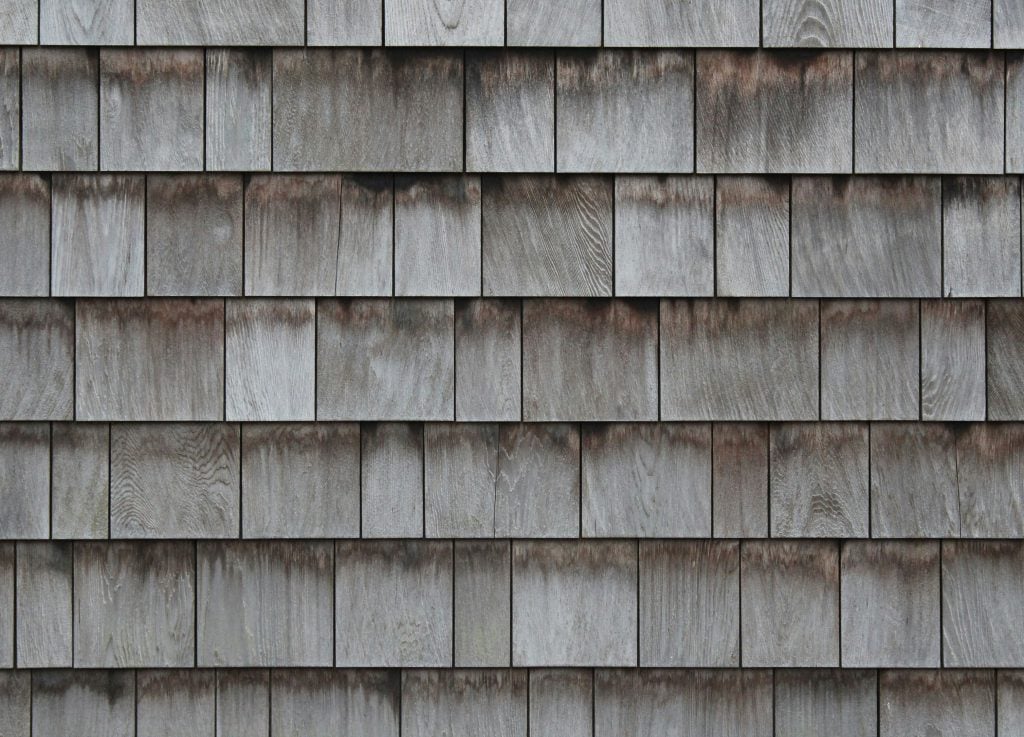
The introduction of cedar shakes marked a turning point in roofing evolution. Beginning in colonial times and throughout the 18th and 19th centuries, cedar shake roofs emerged in regions where forests were abundant. The lightweight and naturally insulating properties of cedar made it a popular choice.
Cedar shakes were split by hand and laid in overlapping rows, creating a visually appealing roof that blended harmoniously with the natural environment. The declining availability of quality cedar and concerns for sustainability led to a need for new roofing technology.
Was Asbestos Ever Used in Roofing?
During the 20th century, asbestos was incorporated into various construction materials, including roofing shingles, due to its exceptional durability and resistance to heat.
However, the discovery of its carcinogenic properties led to a realization of the dangers it posed to human health.
Thus, the evolution of roofing materials continued.
How Did Asphalt Shingles Change the Roofing Industry?
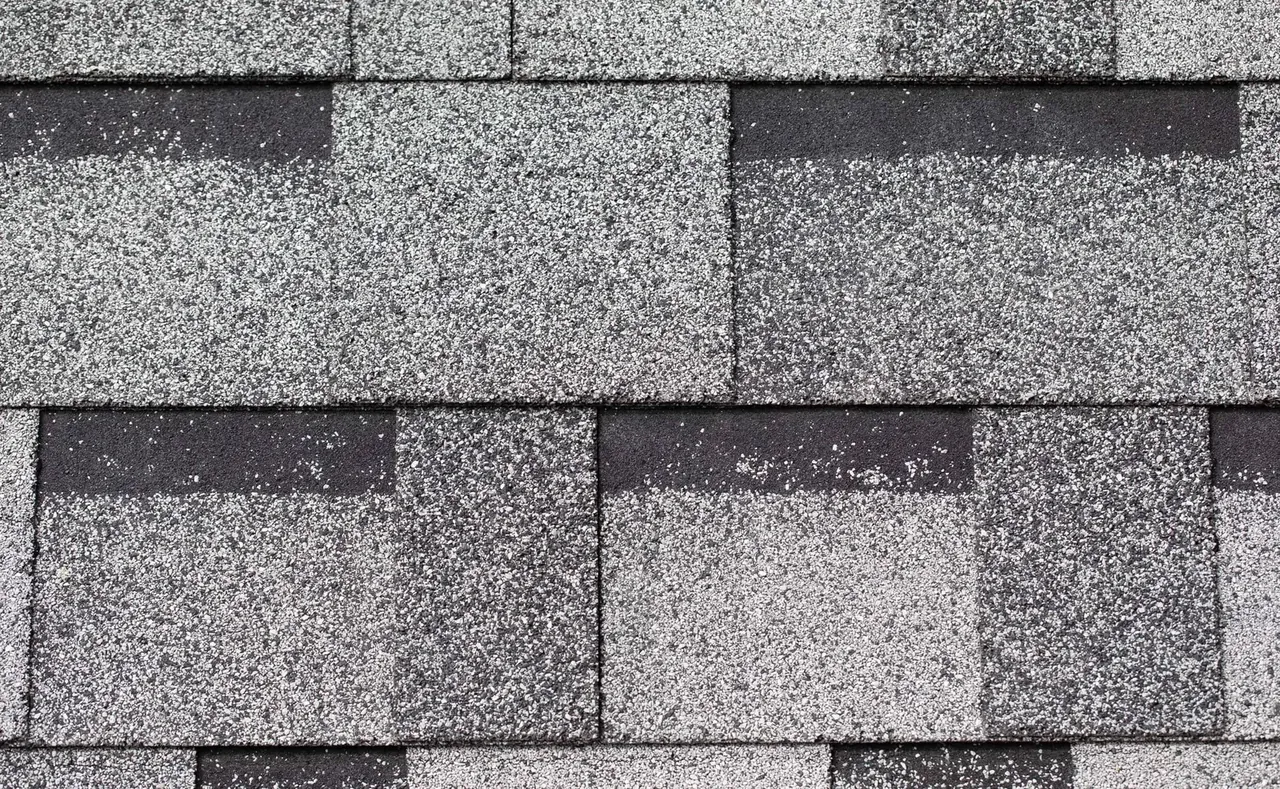
The dawn of the Industrial Revolution ushered in a new era of roofing materials. With the introduction of asphalt and modern manufacturing processes in the late 19th century, asphalt roofing shingles become more standardized and gained widespread popularity into the early 20th century.
These shingles were easy to produce, relatively affordable, and offered enhanced durability compared to earlier materials. Asphalt roofs revolutionized the construction industry, allowing for faster and more efficient roof installations.
How Did Metal Roofing Become So Popular?
The modern metal roofing system as we know it today took shape in the early 20th century. A contemporary aesthetic with exceptional durability, this material was a major innovation in roofing.
Though metal roofs typically offer a longer lifespan than asphalt, it continues to be a costly material, often noisy during heavy storms, and it is susceptible to denting from hail or falling debris.
What Are Synthetic and Composite Roofing Materials?
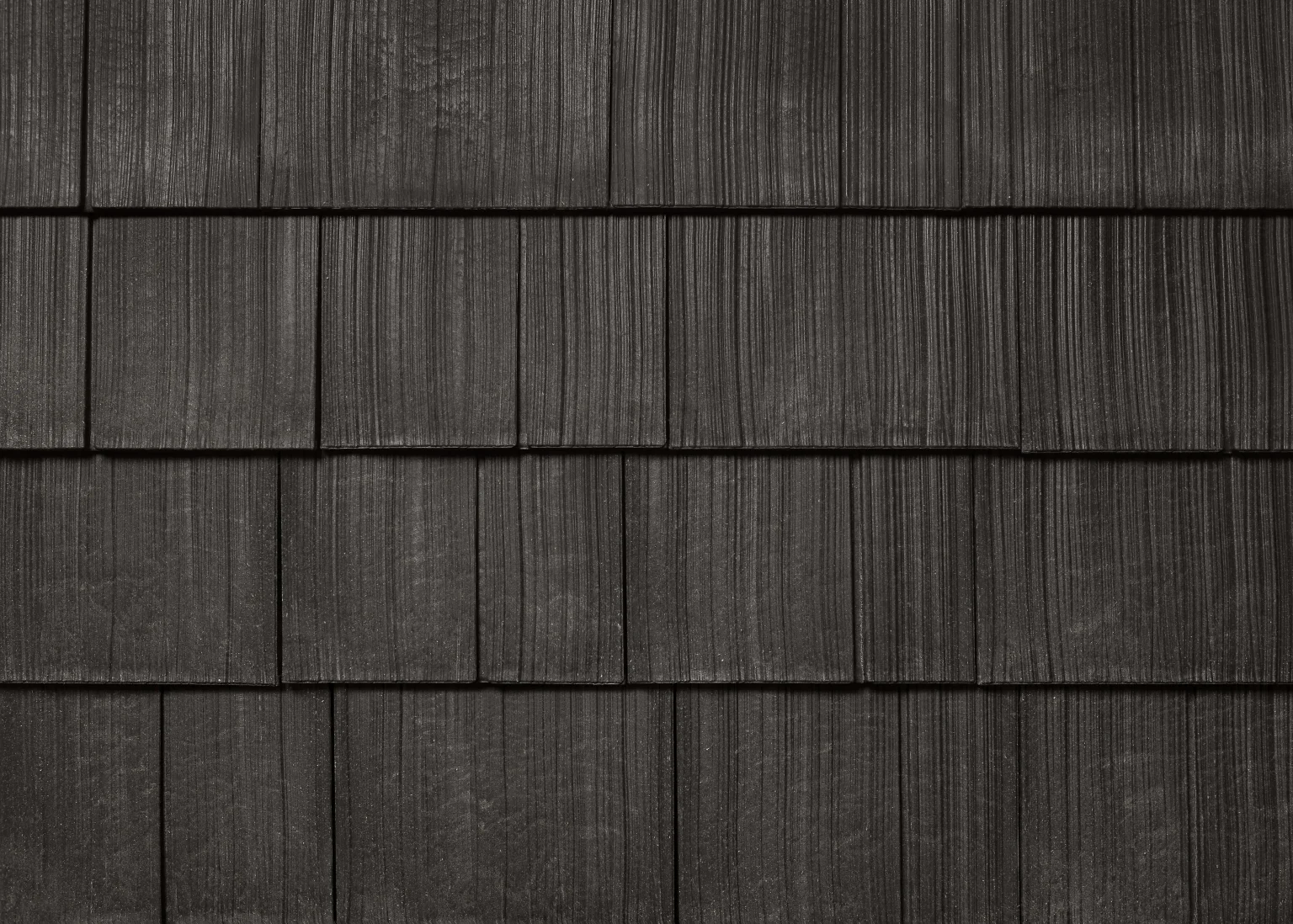
The latter half of the 20th century witnessed a surge in technological innovations that welcomed synthetic roofing materials. These materials were designed to address issues such as longevity, environmental impact, and energy efficiency.
Synthetic options like rubber, plastic, and composite materials offered unparalleled durability and versatility. Additionally, they often mimicked the appearance of traditional roofing materials, appealing to homeowners who desired both modern performance and timeless aesthetics.
What Sets Enviroshake Apart from Other Roofing Materials?
New to the 21st century, Enviroshake is now a leader in the roofing industry with unsurpassed performance and traditional beauty and aesthetics. With the best wind, fire, and impact ratings on the market, this quality engineered product delivers enhanced longevity along with the natural authentic look of cedar.
With the price of cedar shakes skyrocketing, many homeowners believe they have to drop down to an asphalt roof, when in reality, you can keep the same look of natural cedar and experience better performance at a mid-tier price point with Enviroshake. Another benefit of replacing cedar shakes with Enviroshake is the potable water run off. Enviroshake has been third-party tested to ensure the run off water is non-toxic and safe for potable water, unlike treated cedar, which uses chemicals that make the run off water toxic.
Enviroshake is today’s technology. Stay up to date.
Contact us to learn more about Enviroshake and get a quote today.
Interested in learning more about Enviroshake products?
Contact us today to discuss your project and how we can help you achieve your design goals.