What Is Clay Tile Roofing?
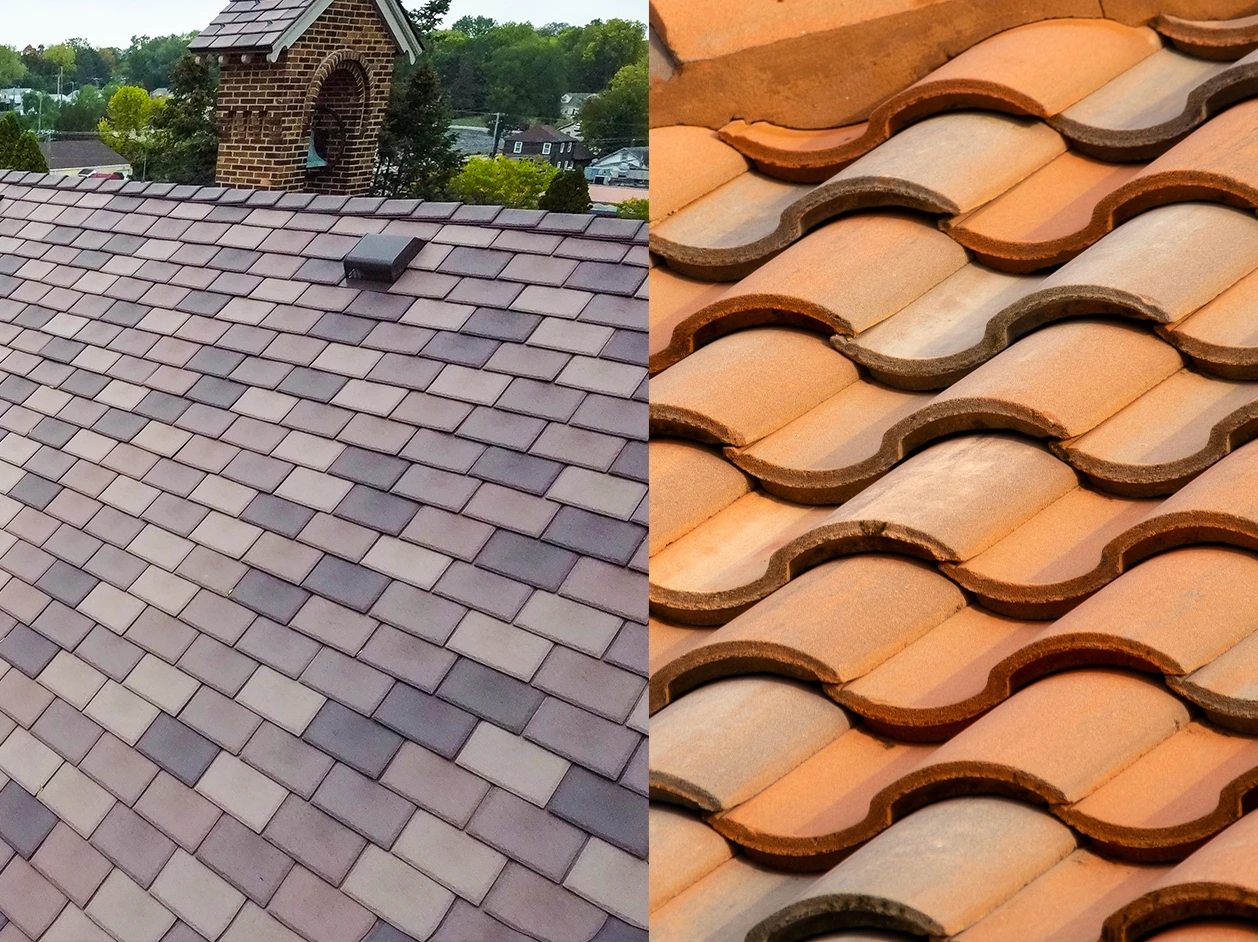
Clay tile roofing is made from fired natural clay and is valued for its distinctive appearance, long service life, and strong fire performance. It is commonly used on Mediterranean, Spanish, mission-style, and other traditional homes, where its shape and color are an important part of the architecture. Clay tile is also highly durable when properly installed and maintained.
Its biggest drawbacks are weight and brittleness. Clay tile systems can weight upwards of 600 pounds per square, which can create additional structural considerations. Clay tiles can also crack from hail, falling debris, or foot traffic, and damaged tiles may need individual replacement over time.
What Is Enviroslate?
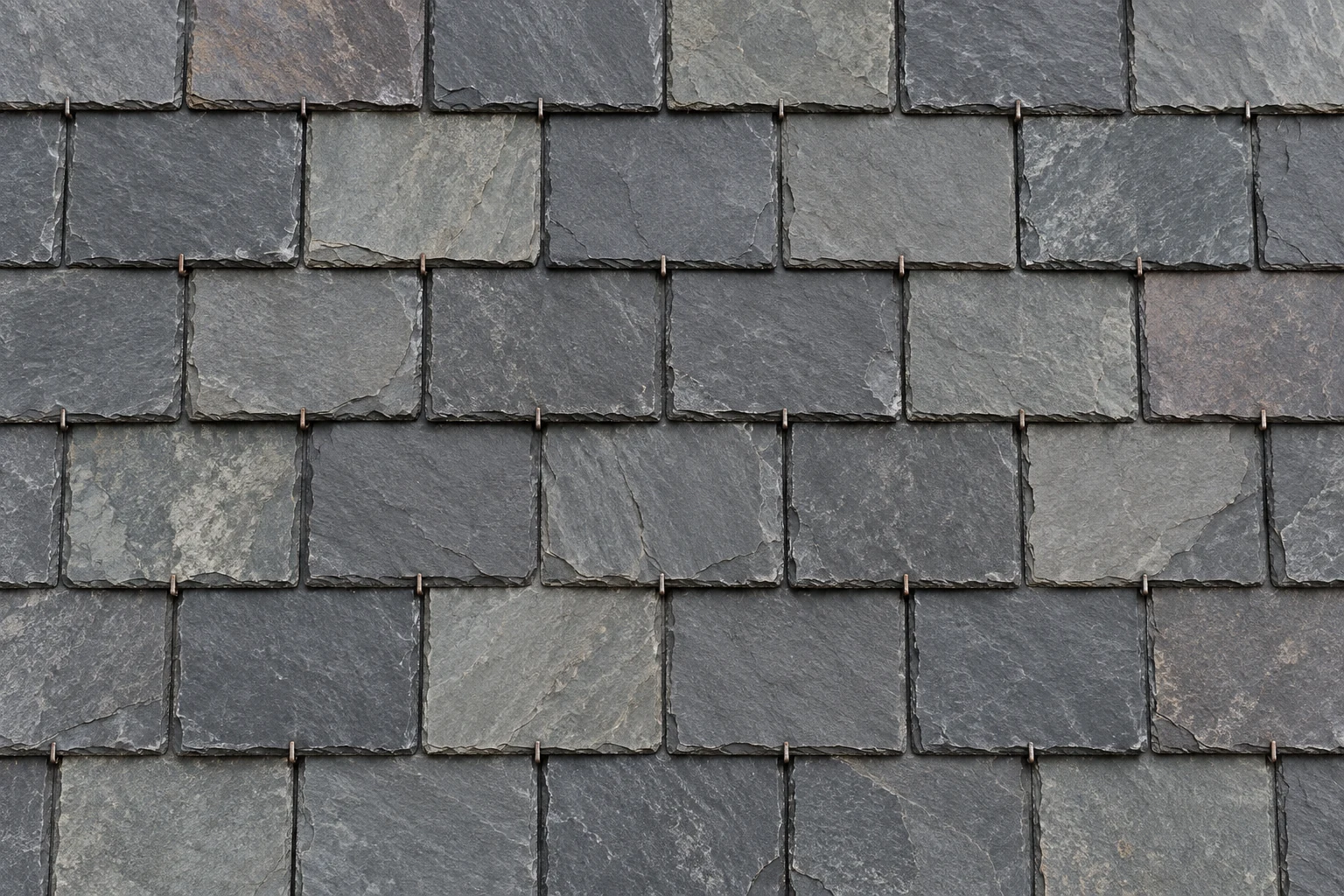
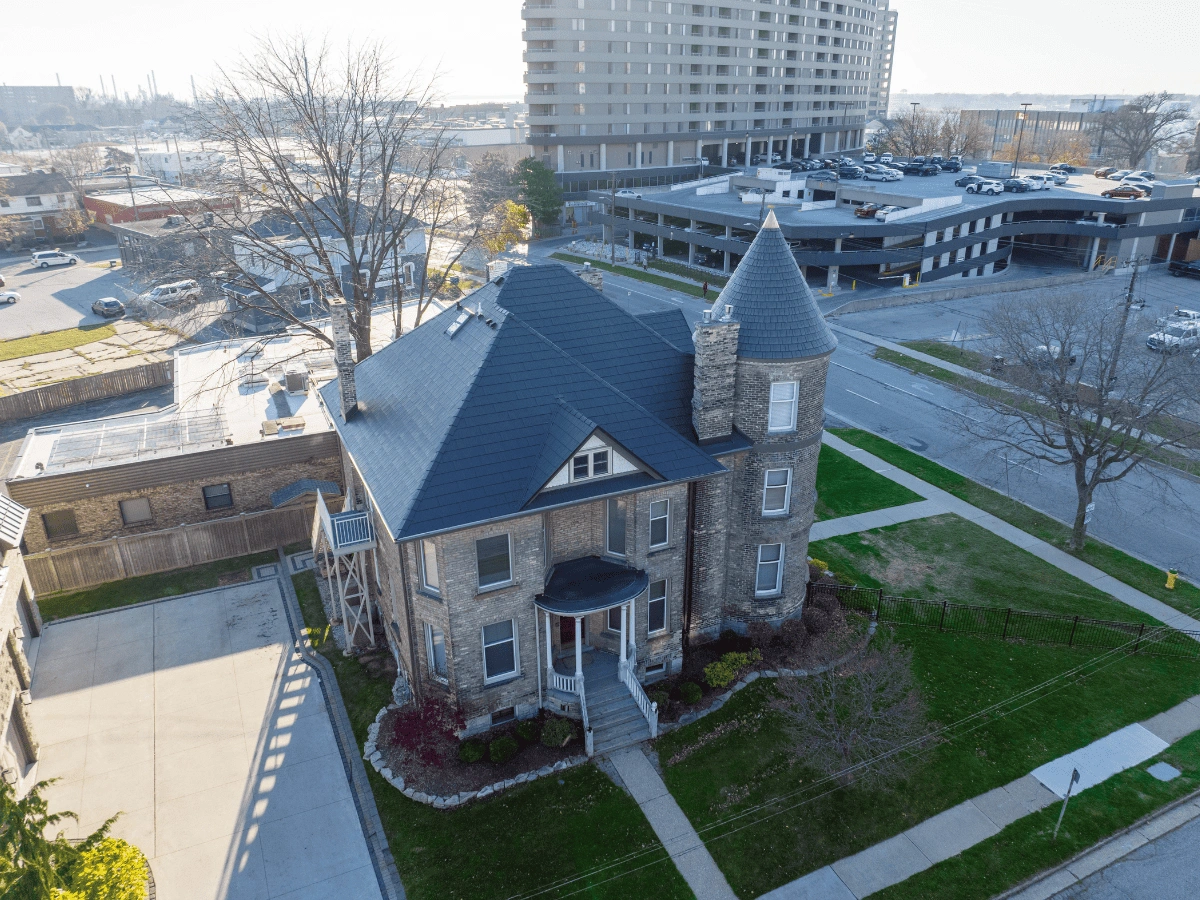
Enviroslate is an engineered composite slate roofing product designed to replicate the depth, texture, and edge detail of natural slate while offering a lighter and more impact-resistant alternative to traditional tile roofing. At approximately 275 pounds per square, it places significantly less weight on the roof structure than than clay roof tiles.
Enviroslate is engineered for severe-weather performance, including third-party wind testing to 180 MPH and a Class 4 impact rating under UL 2218. It is available with a Class A fire-rated assembly, resists freeze-thaw damage, requires virtually no maintenance, and is manufactured using 95% post-industrial recycled materials.
|
Enviroslate
|
Clay Tile
|
|
Aesthetics
|
Replicates the depth, texture and edge detail of natural slate
for a refined heritage appearance
|
Distinctive traditional tile appearance, commonly associated with Mediterranean, Spanish and mission-style architecture
|
|
Weight
|
Approximately 275 lbs per square
|
Approximately 600 lbs per square
|
|
Structural Requirements
|
Lightweight construction reduces structural load
and can simplify reroofing applications
|
Greater roof weight can require additional consideration of the structure's load capacity
|
|
Impact Resistance
|
Class 4
under UL 2218
|
Clay is brittle and can crack from hail, falling debris or foot traffic; impact ratings vary by product
|
|
Walkability
|
Walkable without the brittleness of clay
|
Individual clay tiles can crack when walked on and may require careful access for service work
|
|
Wind Performance
|
Third-party tested to
180 MPH
|
Performance varies by product and fastening system; some clay tile systems are tested to approximately 110 MPH
|
|
Fire Performance
|
Available with a
Class A fire-rated assembly
|
Clay tile is non-combustible and can achieve Class A performance as part of an appropriate roof assembly
|
|
Freeze-Thaw Resistance
|
Engineered to resist freeze-thaw damage
without cracking, peeling, warping or chipping
|
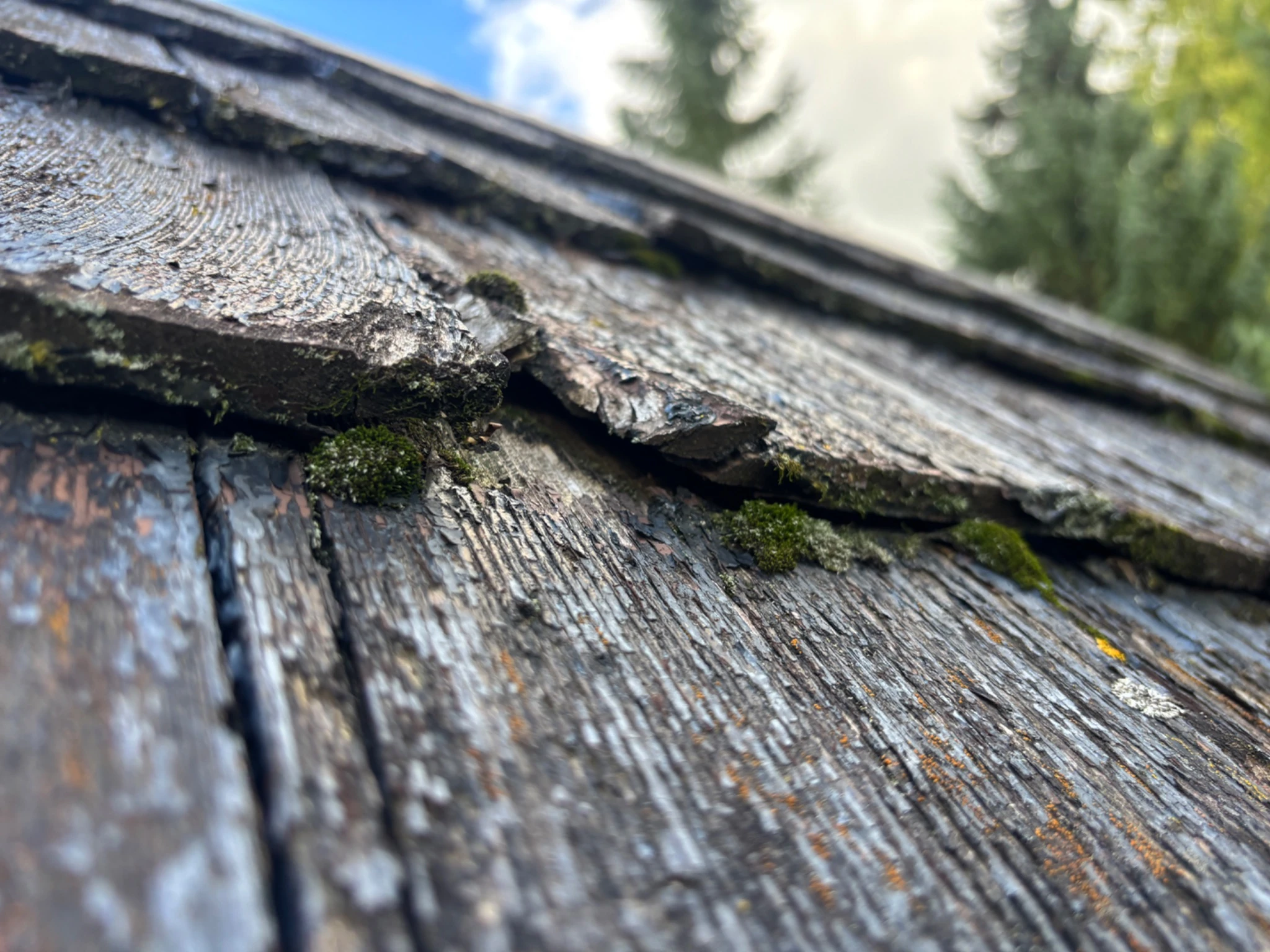
Performance depends on the clay body and climate; moisture absorption can contribute to cracking in freeze-thaw conditions
|
|
Maintenance
|
Very low
with no routine replacement of brittle tiles
|
Generally low, but cracked or displaced tiles may require individual replacement
|
|
Installation
|
Lightweight tiles can simplify handling and installation
|
Heavier and more brittle tiles require careful handling and installation
|
|
Material
|
Manufactured using
95% post-industrial recycled materials
|
Manufactured from fired natural clay
|
|
Warranty
|
Fully transferable limited lifetime warranty
|
Warranty terms vary by manufacturer and may not be transferable
|
|
Long-Term Value
|
Premium slate aesthetics with substantially less weight, high impact resistance and minimal maintenance
|
Long-lasting premium roofing, but added weight and brittle tile construction can increase installation and repair considerations
|
|
Best Choice When
|
You want a heritage slate appearance without the weight and brittleness of traditional tile
|
You specifically want the architectural appearance of traditional clay tile and the structure is suited to the additional weight
|